
No. 03 (664) January 2026
28th Session of the Working Group on Water, Energy and Environment
On 20 January 2026, the 28th session of the Working Group on Water, Energy and Environment of the United Nations Special Programme for the Economies of Central Asia (SPECA) was held in Ashgabat, Turkmenistan. The session was organized with the support of the United Nations Economic Commission for Europe (UNECE) and the United Nations Economic and Social Commission for Asia and the Pacific (UN ESCAP).
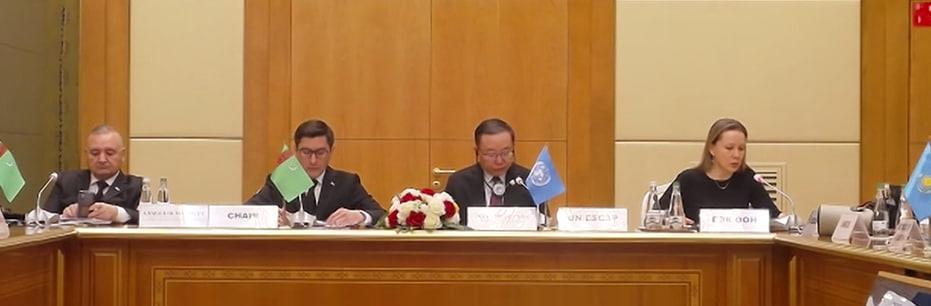
The meeting brought together representatives of relevant ministries and agencies of Central Asian countries and Azerbaijan, as well as international organizations and regional institutions, including UNECE, ESCAP, SIC ICWC, GIZ, the World Bank, OECD, and the Finnish Water Forum.
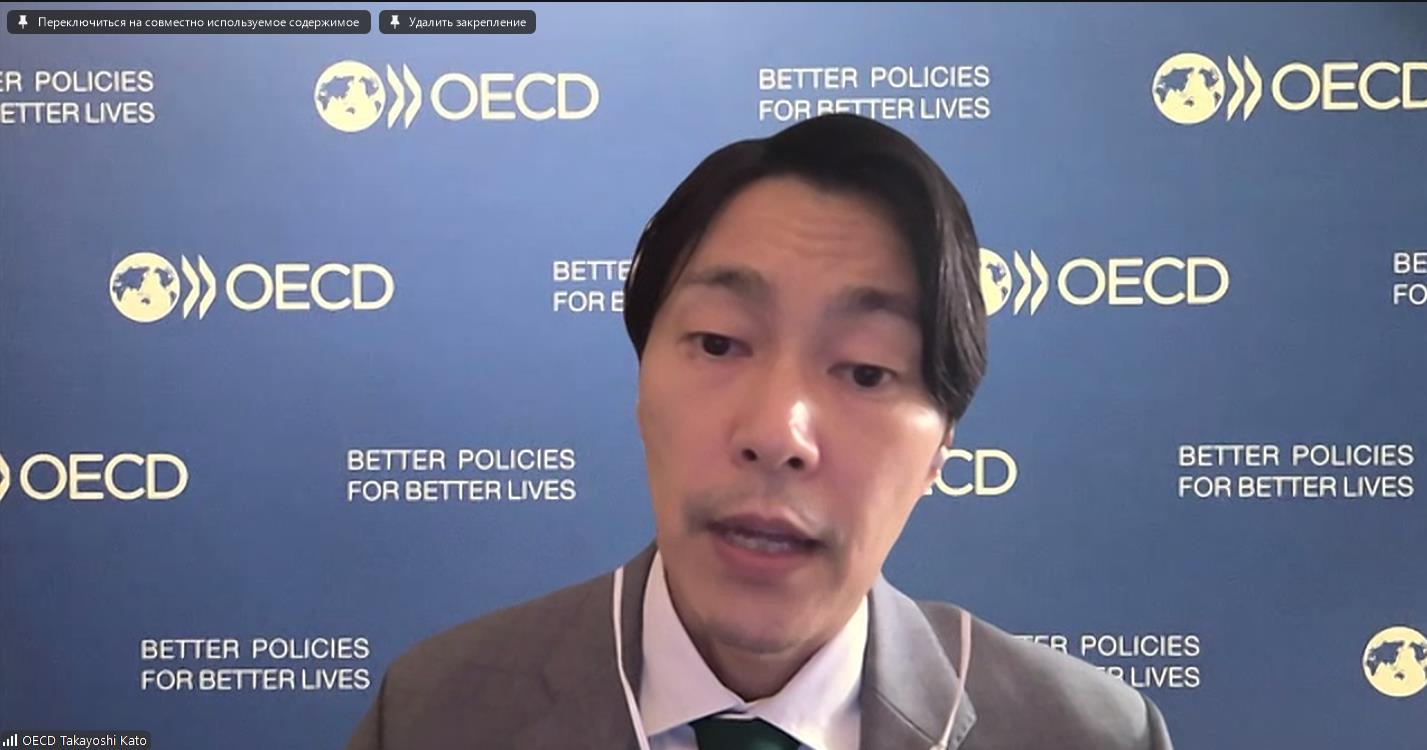
The agenda comprised four thematic sessions:
- Water-energy-land use-ecosystems nexus
- Nature-based solutions (NBS)
- Dam safety
- Sustainable small hydropower
The first session focused on advancing the nexus approach to addressing interlinkages among water, energy, land use, and ecosystems. As part of this session, Dinara Ziganshina, Director of SIC ICWC, spoke on “Nexus in ministerial strategies and mandates.” In her report, she emphasized the need to shift from description of nexus to mainstreaming nexus directly in strategic planning systems and activities of government agencies. She also highlighted SIC’s work in this area. In addition, participants noted the contribution of the IKI project to fostering coordinated decision-making in water, energy, and land management while taking climate risks into account.
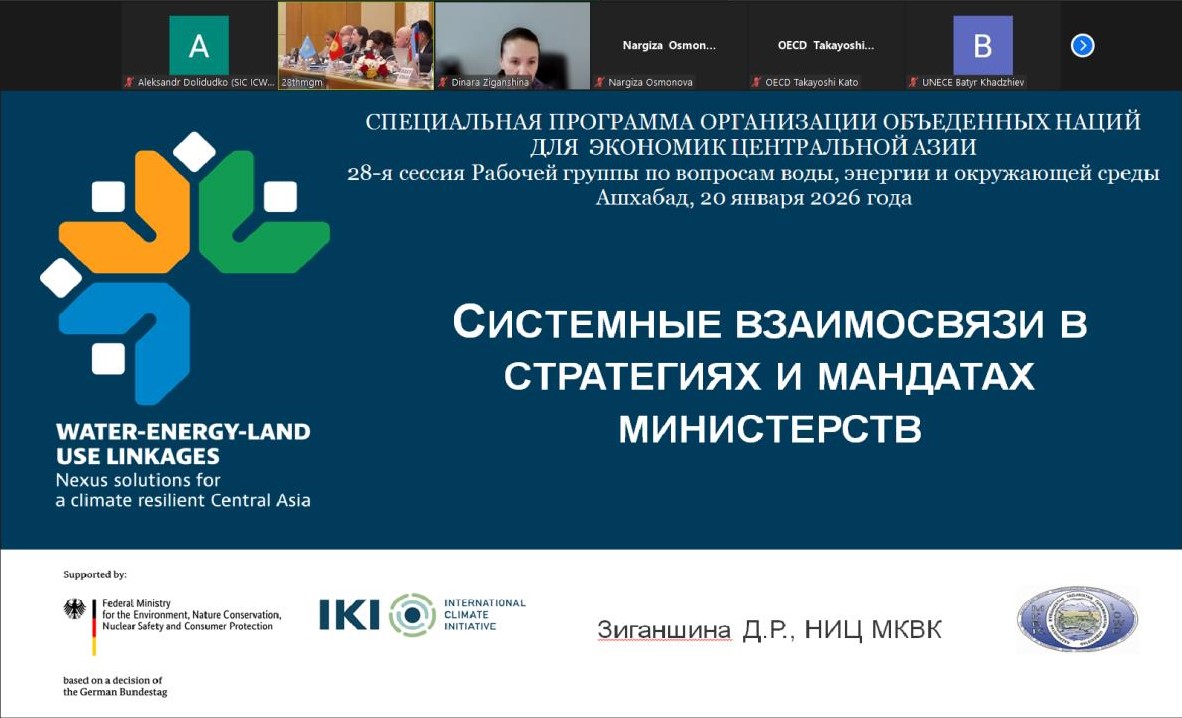
Participants discussed recommendations of the Regional Working Group on the mechanism of mutually beneficial water and energy cooperation, the matters related to strategic management, water modeling, decarbonization and connectivity, as well as achievements under the water and health nexus in Central Asia. Country representatives shared national experiences and explored opportunities for practical application of the approaches presented.
The second session focused on nature-based solutions. Discussions addressed the current situation and country priorities, practical experience in applying nature-based solutions and considered proposals for future regional initiatives and the work plan.
One session was devoted to dam and hydraulic infrastructure safety. During the session, Alexander Dolidudko, expert of SIC ICWC, presented preliminary results of an assessment of the condition and climate resilience of water infrastructure in the Syr Darya River Basin. The study is conducted in support of the Syr Darya River Basin Dialogue, with assistance from the German Society for International Cooperation (GIZ) under the Green Central Asia initiative.
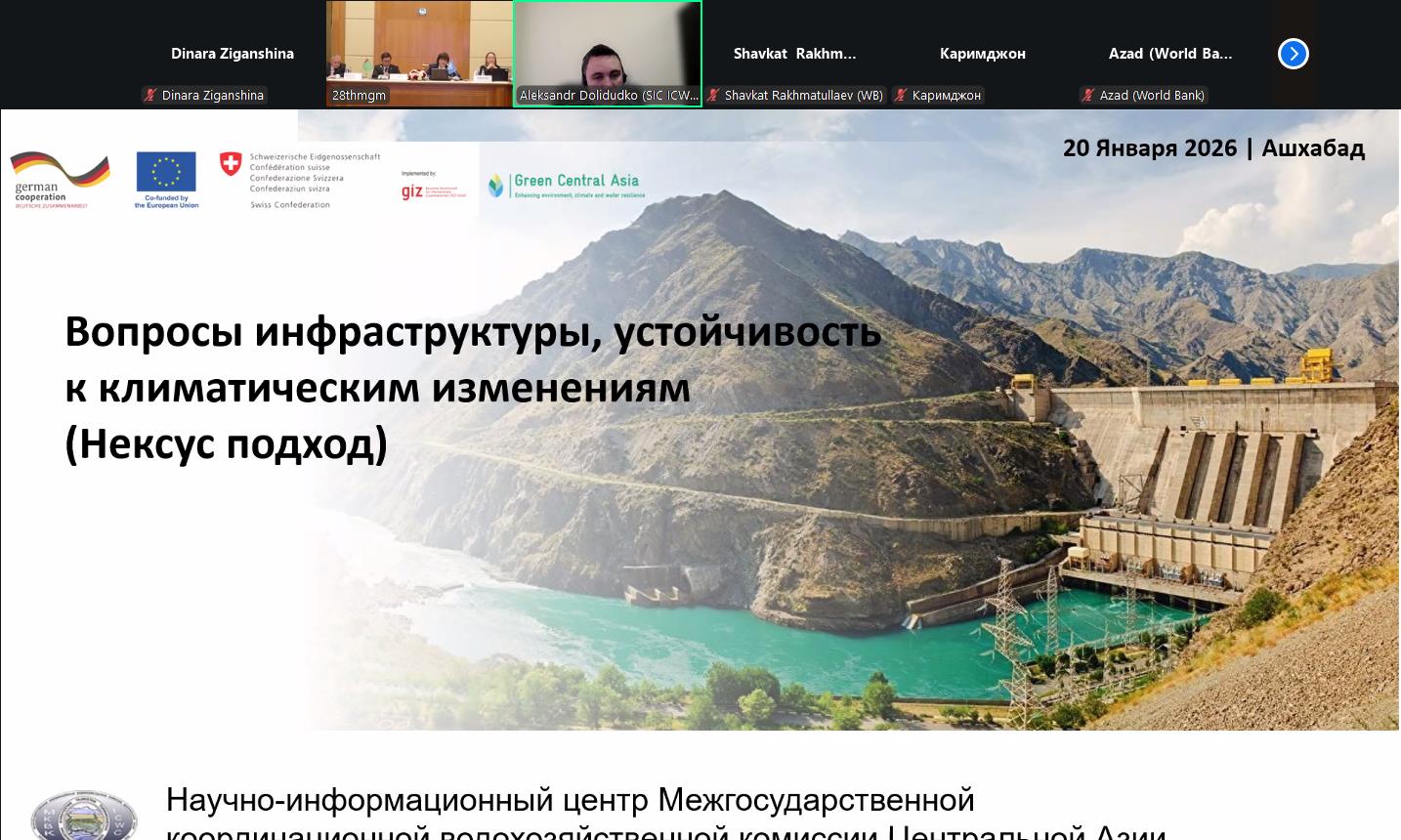
Participants discussed national approaches to risk monitoring and management, challenges of infrastructure resilience to climate change, and international experience in ensuring dam safety and protecting population and ecosystems.
The final session addressed the sustainable development of small hydropower. Participants discussed the matters related to availability of water resources for hydropower, environmental aspects of small hydropower siting, approaches for environmental impact assessment, and perspectives for developing regional principles and a methodological framework for sustainable development of small hydropower. Participants proposed also to present the outcomes of this joint work at the Regional Environmental Summit to be held in Astana in April 2026.
At the end of the session, recommendations were formulated on key priority areas of the SPECA Working Group, including further development of the water–energy nexus, promotion of nature-based solutions, enhancement of dam safety, and support for the sustainable development of small hydropower. Further steps to strengthen regional cooperation were also identified.