
No. 04 (665) January 2026
First Dissemination Workshop on the Project on the Correction of Hydromodule Zoning in the Syr Darya River Basin
On 27 January 2026, the first workshop for disseminating the results of the Project “Correction of Hydromodule Zoning of the Syr Darya River Basin Using Remote Sensing Data and Satellite Mapping Technologies for Correction of Water Consumption and Irrigation Regimes for Agricultural Crops Cultivated in the Region” was held in Shymkent, Kazakhstan.
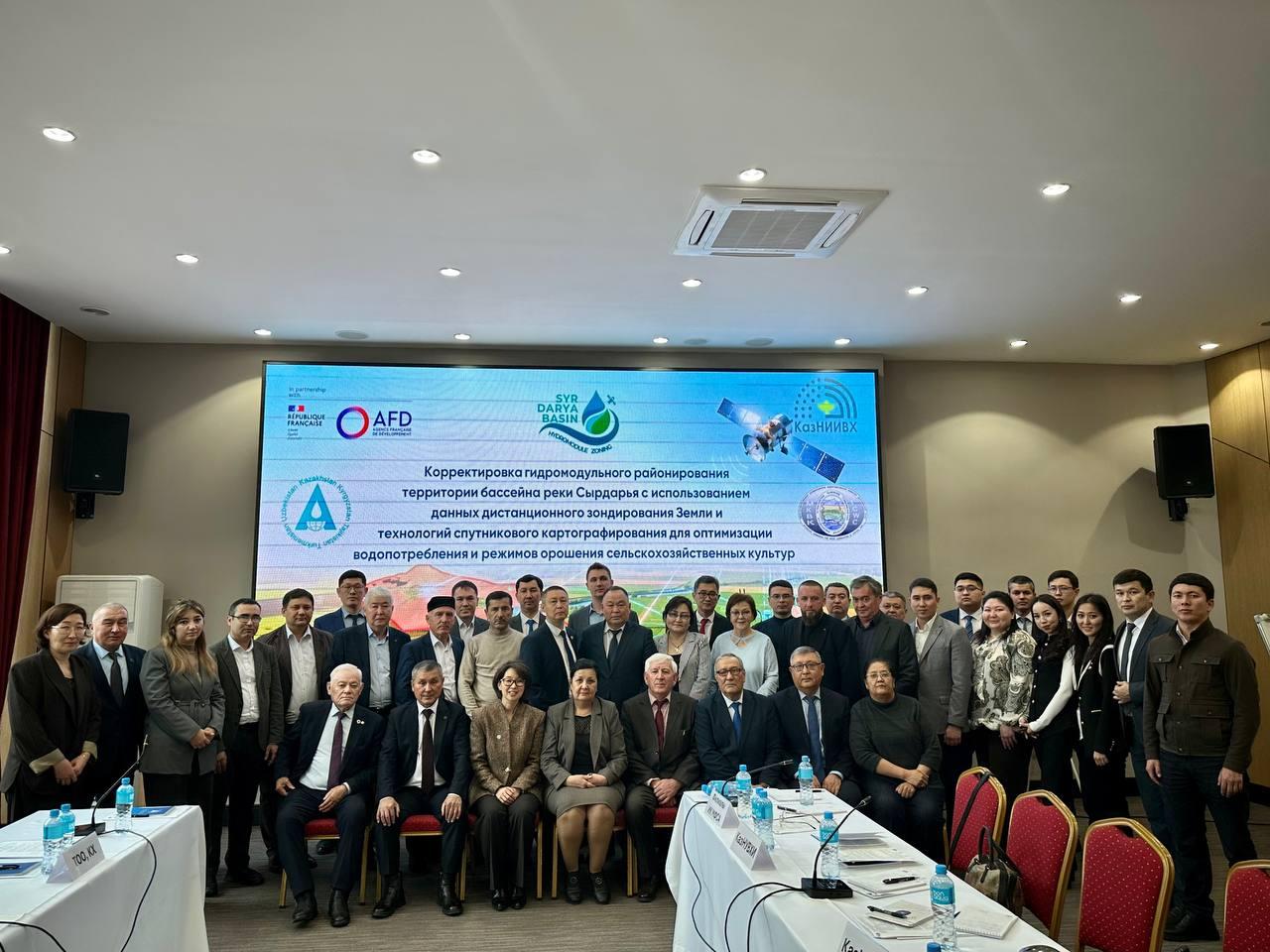
The workshop was organized by the Executive Committee of IFAS (EC IFAS) as part of a project funded by the French Development Agency (AFD). This initiative forms part of the Project 1.11 “Introduction of advanced methods for correction of crop irrigation regimes” under the 4th Program of Action for Assisting the Countries of the Aral Sea Basin (ASBP-4).
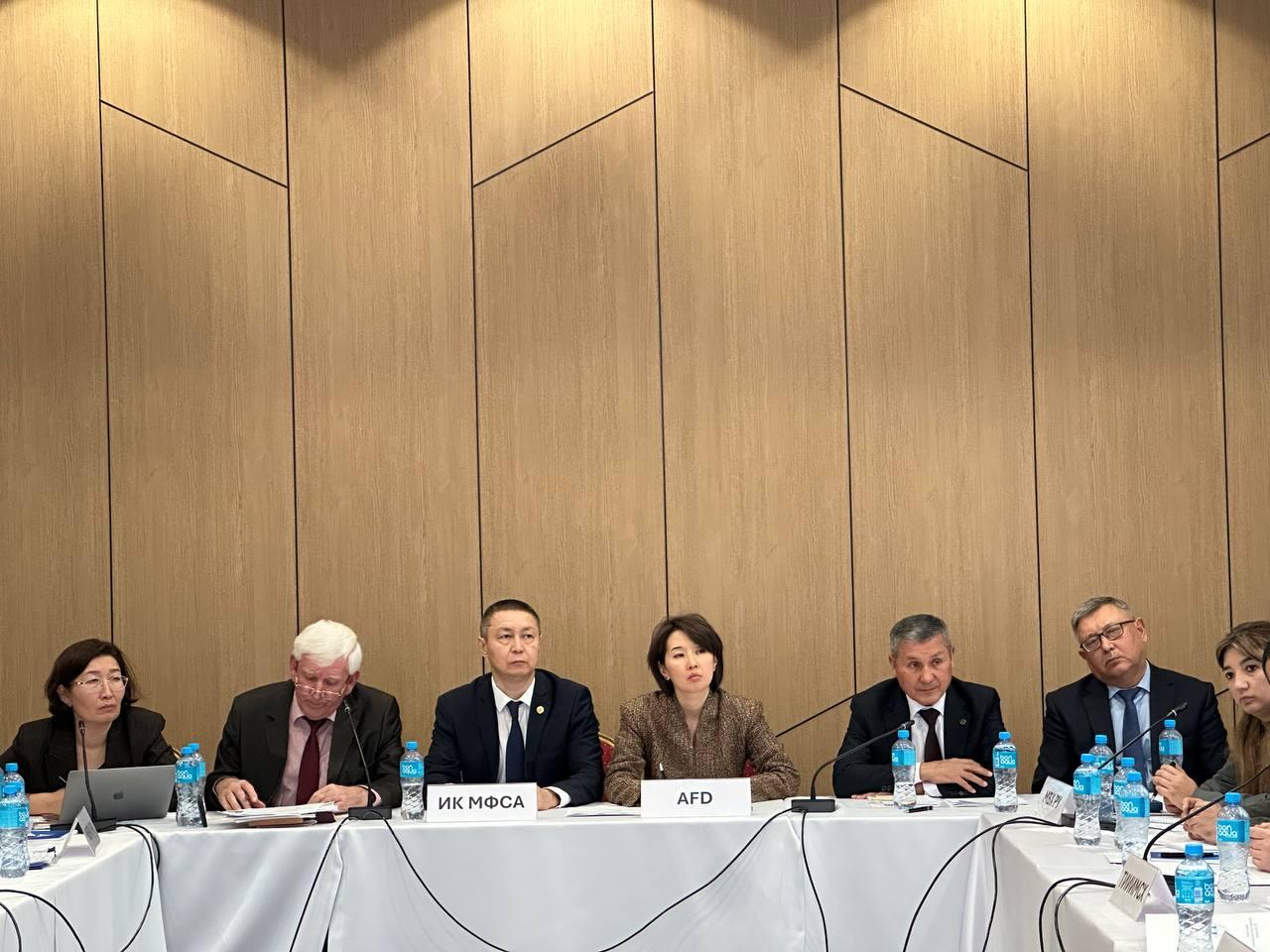
The event was attended by representatives of water and agriculture ministries of Uzbekistan and Kazakhstan, local authorities of Turkistan and Kyzylorda provinces, the Executive Committee of IFAS, research institutes, universities, as well as experts and representatives of major agricultural water users and members of the Basin Council. The workshop was held in a hybrid format.
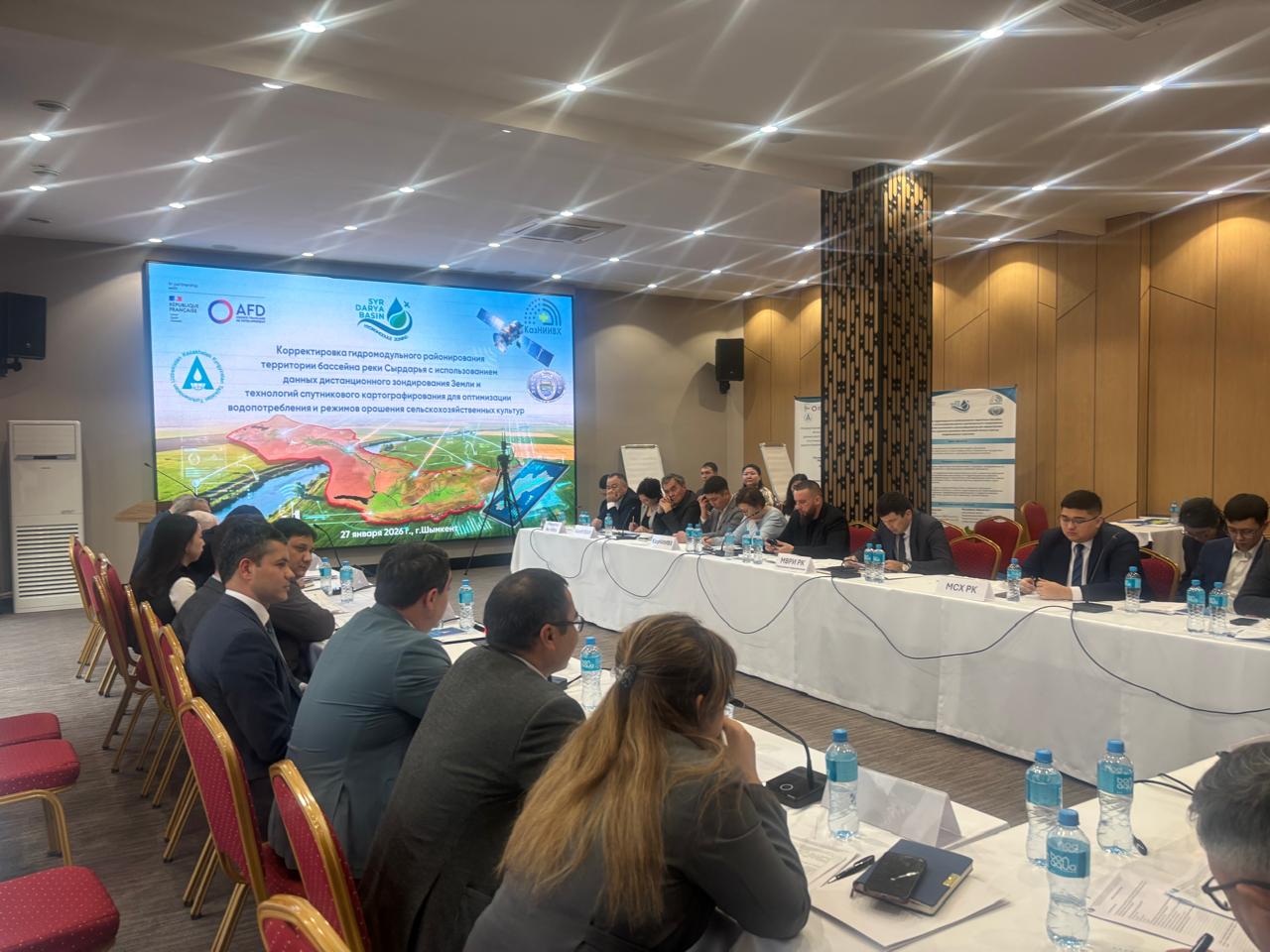
The main objective of the workshop was to inform, demonstrate, and promote the resulting information and recommendations among key stakeholders, with the following integration of the developed recommendations into national strategies and regulations.
The project’s goals, objectives, and methodology, which combines remote sensing data, geographic information systems (GIS), and ground-based observations, were presented to the participants. Particular attention was paid to the hydromodule zoning as a tool for rational water management and improved irrigated agriculture, especially in the context of growing water scarcity and climate change.
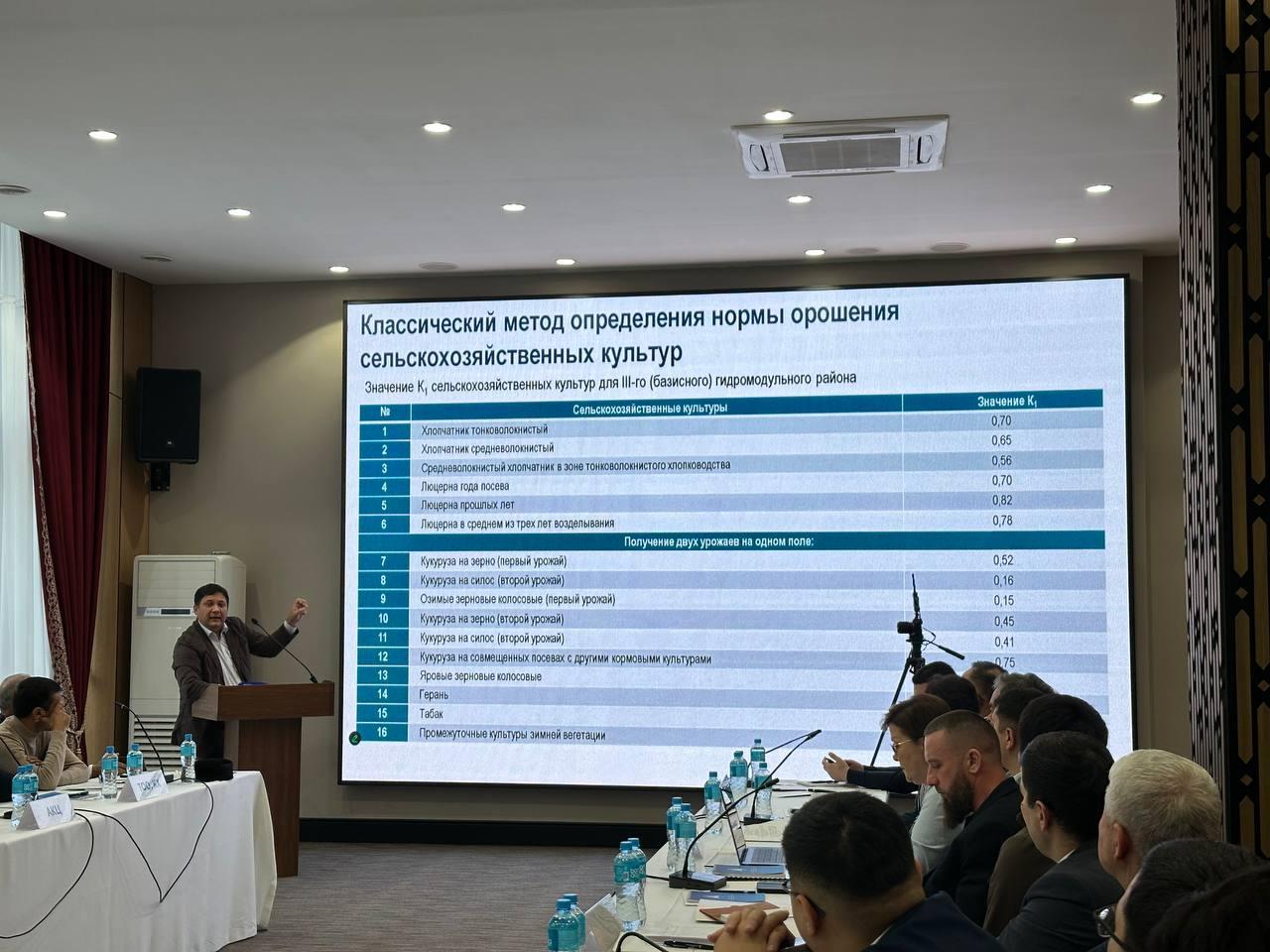
Alexander Dolidudko, SIC ICWC, presented interim results of hydromodule zoning correction in pilot sites of the Fergana Valley in 2025.
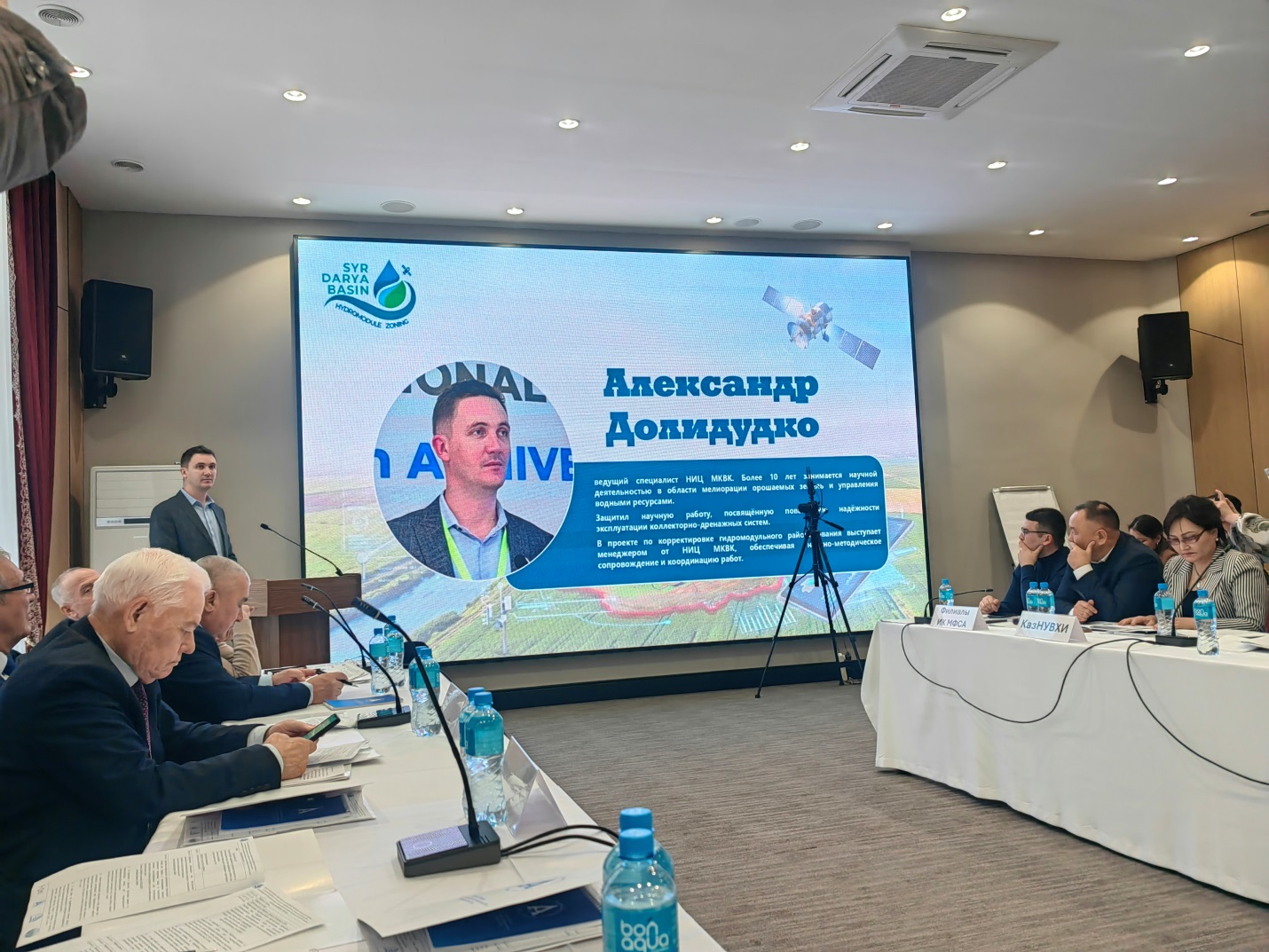
During the first session, Mr. Dolidudko delivered three presentations:
- From Standards to Calculations: Data Preparation and Methodological Basis for Hydromodule Zoning of the Fergana Valley covering zoning standards, methods, results of ground-based and RS research, data collection and analysis, database creation, and Sebal model calculations.ные результаты», которая включала расчеты климатических сценариев, сбор почвенных и гидрологических (УГВ) данных и создание электронных карт почв и УГВ;
- Analysis of Climate Scenarios and Data Collection for E-Mapping of Hydromodule Zones in the Fergana Valley: Interim Results focusing on climate scenario calculations, soil and groundwater data collection, and generation of soil and groundwater e-maps.
- Progress on Comparative Analysis of Remote Sensing Data and Field Surveys in Test Sites in the Fergana Valley detailing selection of pilot plots, number of fields and crops, phenology records, and calculation of spectral indices (NDVI, SAVI).
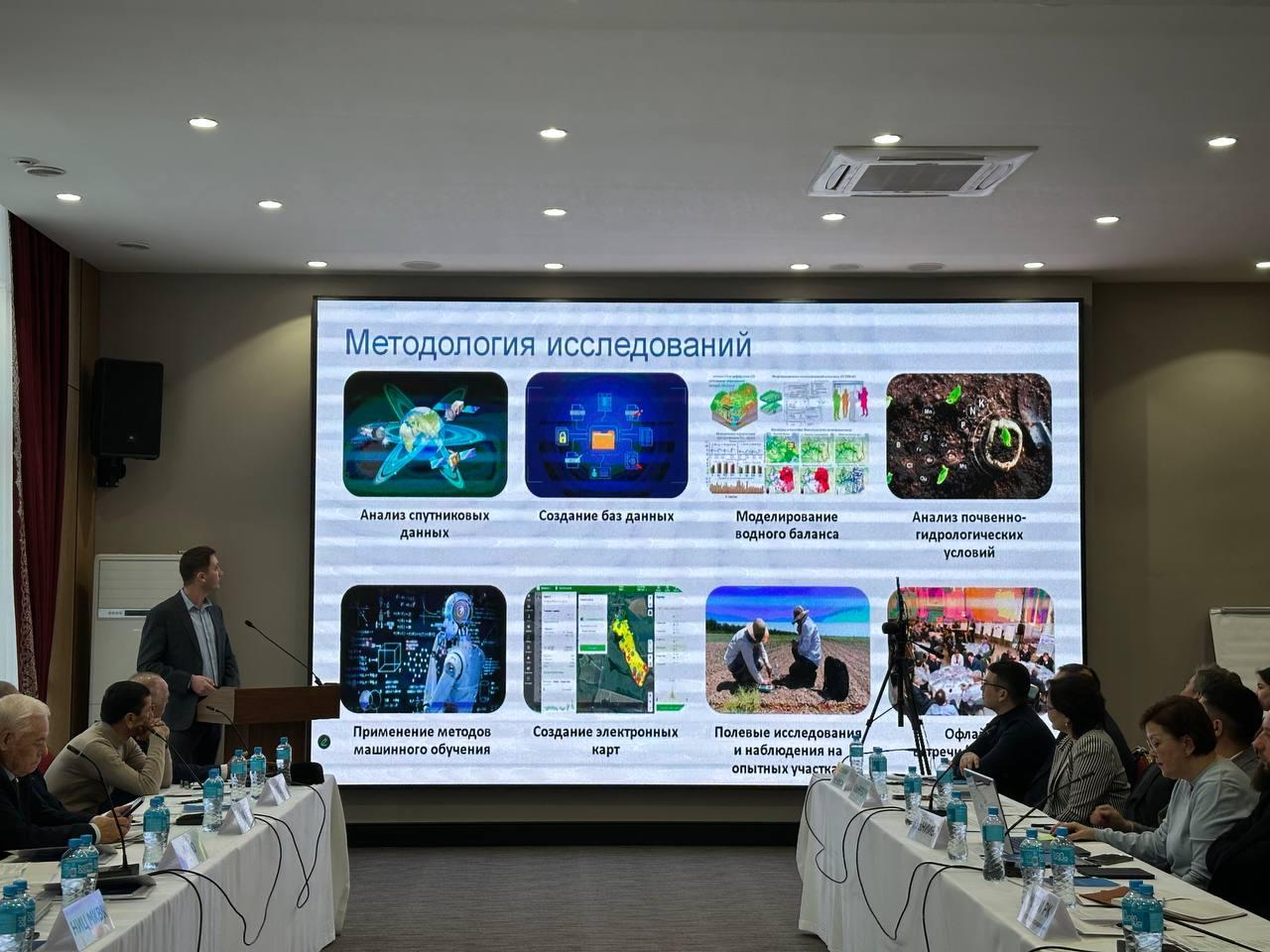
The workshop targeted experts and decision-makers involved in water management, irrigation, and agriculture. The knowledge and recommendations shared can inform management decisions and support the integration of new approaches into national strategies and regulations.
During discussions, participants explored practical applications of the results, including updating of irrigation rates and regimes, adoption of water-saving technologies, and prospects for incorporating the project’s recommendations into national strategies and regulatory frameworks of Kazakhstan and Uzbekistan.
In conclusion, the feedback from the participants will be used further in the project. Next dissemination workshops are scheduled to be held in Kyzylorda in June and in Tashkent in November.