
No. 05 (666) February 2026
New Decree of the President of Uzbekistan: Scaling Up Practical Measures for Water Conservation
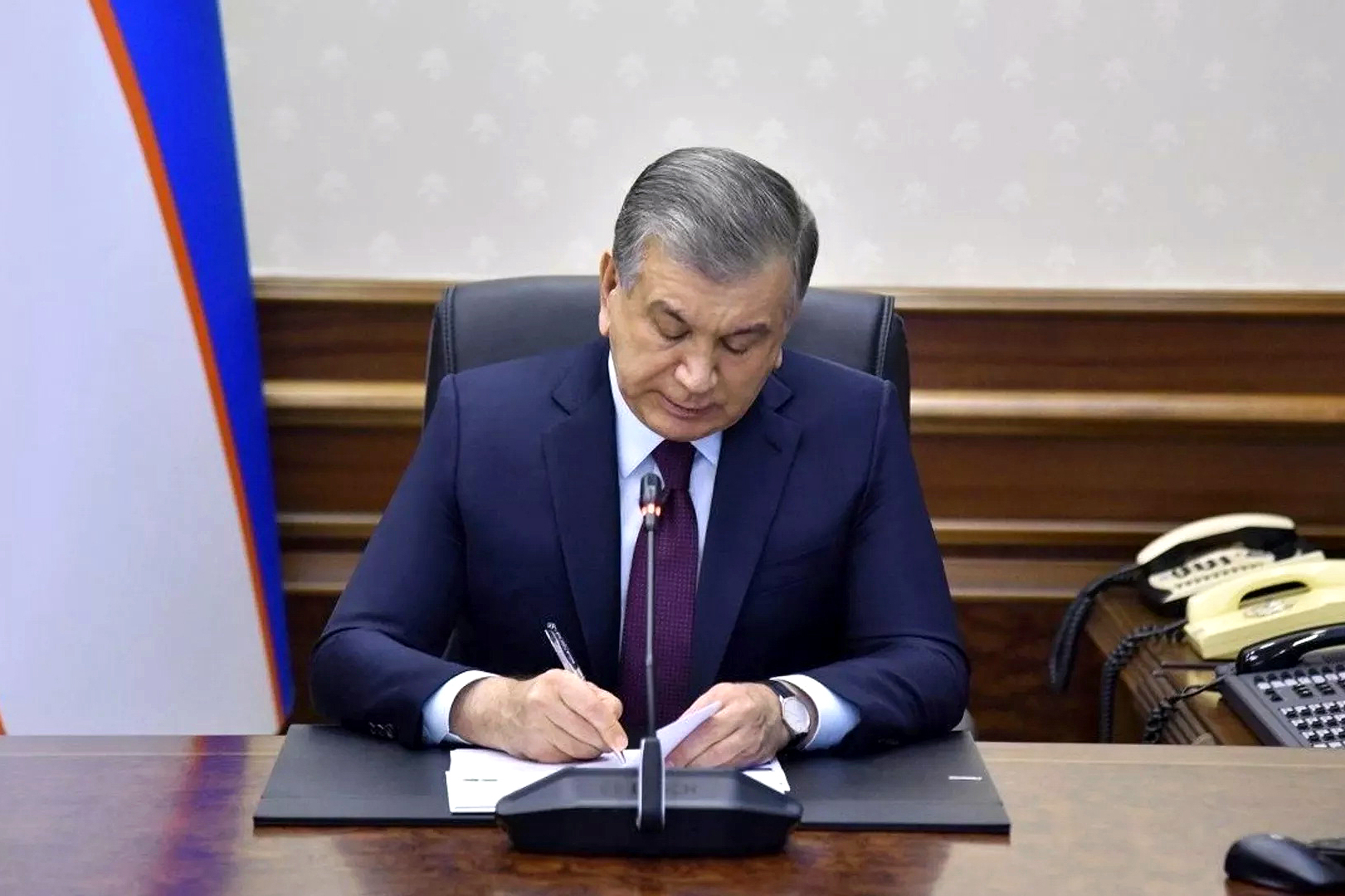
On 5 February 2026, the President of the Republic of Uzbekistan adopted Decree No. PP-47 “On Additional Measures to Improve the Water Use Efficiency.” The document outlines a clear strategic vision focused on sustainability and water conservation as development pillars.
The scope of the planned measures is substantial and forward-looking:
🔹 Ambitious targets. By 2028, the area covered by water-saving technologies is expected to reach 3.5 Mha, including: 220,000 ha under drip irrigation, 110,000 ha under sprinkler irrigation, and 600,000 ha laser levelled. These measures are projected to save up to 5 billion m³ of water annually.
🔹 Financing, incentives, and accountability. In 2026, the government plans to allocate UZS2.6 trillion in loans and UZS800 billion in subsidies. The decree also introduces strengthened accountability mechanisms:
- С from April 1, 2026 — Penalties will apply where traditional irrigation methods continue to be used on fields officially documented as having adopted modern technologies.
- С from October 1, 2026 — New rules: subsidies must be refunded if equipment is not commissioned within two months of receipt.
- С from 2027 — A differentiated approach will be introduced. In water-deficient areas, subsidies will be increased by a coefficient of 1.25. In water-abundant areas, failure to adopt water-saving technologies will result in a doubled water tax rate.
🔹 Digitalization and transparency. The decree mandates enhanced digital control, including installation of GPS trackers and QR codes on irrigation equipment and the integration of data into the Suvnazorat system. This data-driven management approach aligns with the principles consistently promoted by SIC ICWC. Transparent water accounting is fundamental to both efficiency and trust.
🔹 Science and human capital. Technological modernization requires qualified specialists. The Decree places special emphasis on capacity building, including the adoption of best practices from Xinjiang (China). Training a new generation of engineers and water management professionals—particularly through higher education institutions such as TIIAME—will help ensure the long-term sustainability of these reforms.
The successful implementation of these measures will require coordinated efforts by government institutions, the scientific community, and water users. On behalf of the expert community, we express our readiness to provide comprehensive analytical and informational support to advance these vital initiatives.
📄 The full text of the Decree is available here