
No. 08 (669) February 2026
Second Steering Committee Meeting of the National Policy Dialogue on Integrated Water Resources Management in Uzbekistan
On 12 February 2026, the 2nd Steering Committee meeting of the National Policy Dialogue (NPD) on Integrated Water Resources Management (IWRM) was held in Tashkent.
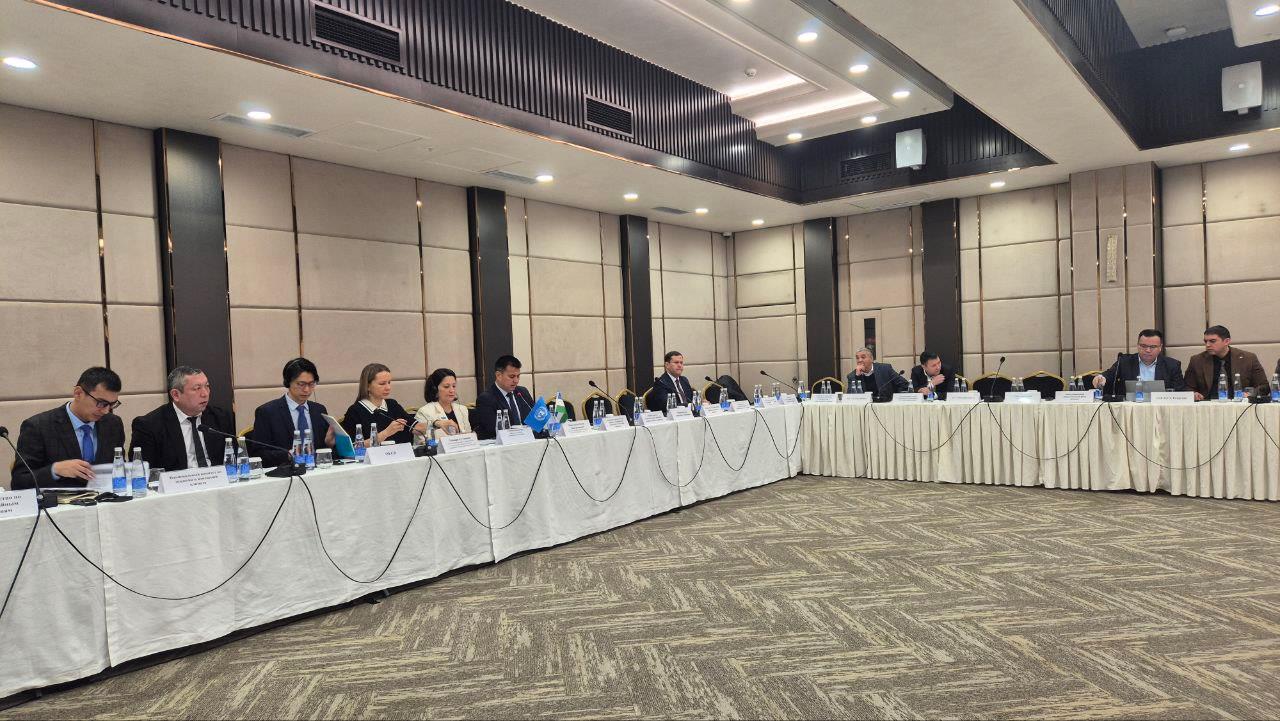
The meeting was organized as part of the National Policy Dialogue on Water with the support of the UNECE Water Convention Secretariat and OECD within the framework of the project “Regional Mechanisms for a Low-Carbon and Climate-Resilient Transformation of the Energy-Water-Land Nexus in Central Asia” (IKI project). The meeting brought together representatives of relevant ministries and agencies of the Republic of Uzbekistan, international organizations, financial institutions, and the expert community.
Dinara Ziganshina, Zulfiya Yarullina, and Alexander Dolidudko participated on behalf of the SIC ICWC.
The agenda included three thematic sessions:
- Groundwater management and coordinated intersectoral approach;
- Environmental flow;
- Improved management of hydraulic structures in the Republic of Uzbekistan.
During the first session, participants discussed regulation of groundwater in the context of the new Water Code of the Republic of Uzbekistan, the progress on ongoing reforms, and key challenges. Particular attention was paid to the need for integrated management of surface water and groundwater, as well as intersectoral coordination among water, agricultural, municipal, and geological sectors. Development partners, including GIZ, SDC, and the Geological Survey of Finland, presented their current and planned support activities.
The second session focused on environmental flow. Participants reviewed international and regional approaches to its assessment and monitoring, including experiences of Kazakhstan and the European Union, as well as proposals on methodology for Uzbekistan. Zulfiya Yarullina, chief specialist of SIC ICWC, made a presentation on “Approaches and Challenges in Developing an Environmental Flow Methodology for Uzbekistan.” In the presentation Ms. Yarullina highlighted key historical treaties, including the 1992 Almaty Agreement and the Master Plans for Integrated Water Use and Protection in the Amu Darya and Syr Darya river basins. She also presented the current situation in water allocation and outlined major uncertainties that should be considered when developing a methodology for assessment of sanitary and environmental flows and water quotas.
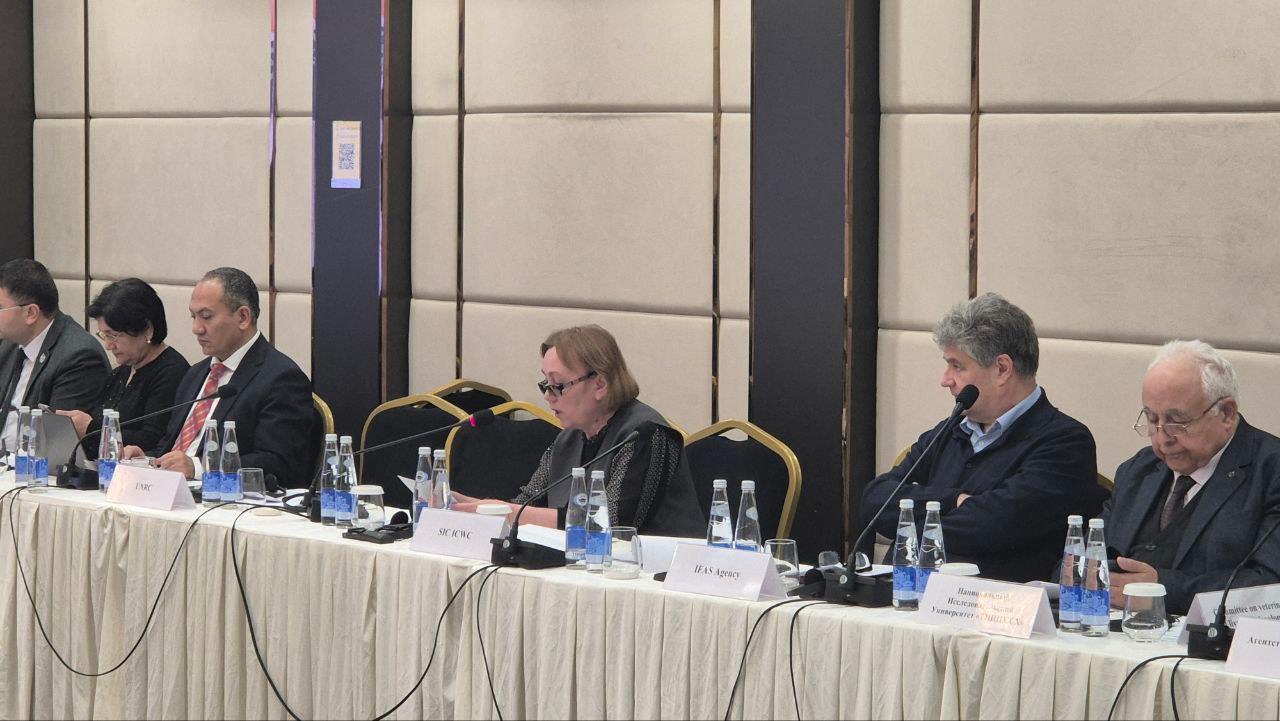
All experts emphasized the importance of introducing environmental flow standards to conserve aquatic ecosystems, ensure the sustainability of river basins, and support the implementation of the new water legislation.
The third session focused on legal and institutional framework for hydraulic structure safety, improvement of operation and supervision, capacity building and emergency preparedness. Alexander Dolidudko, leading expert of SIC ICWC, presented preliminary results of an ongoing study assessing the condition and climate resilience of water infrastructure in the Syr Darya basin. The study is conducted to support the Syr Darya River Basin Dialogue with the assistance of the German Society for International Cooperation (GIZ) under the Green Central Asia initiative.
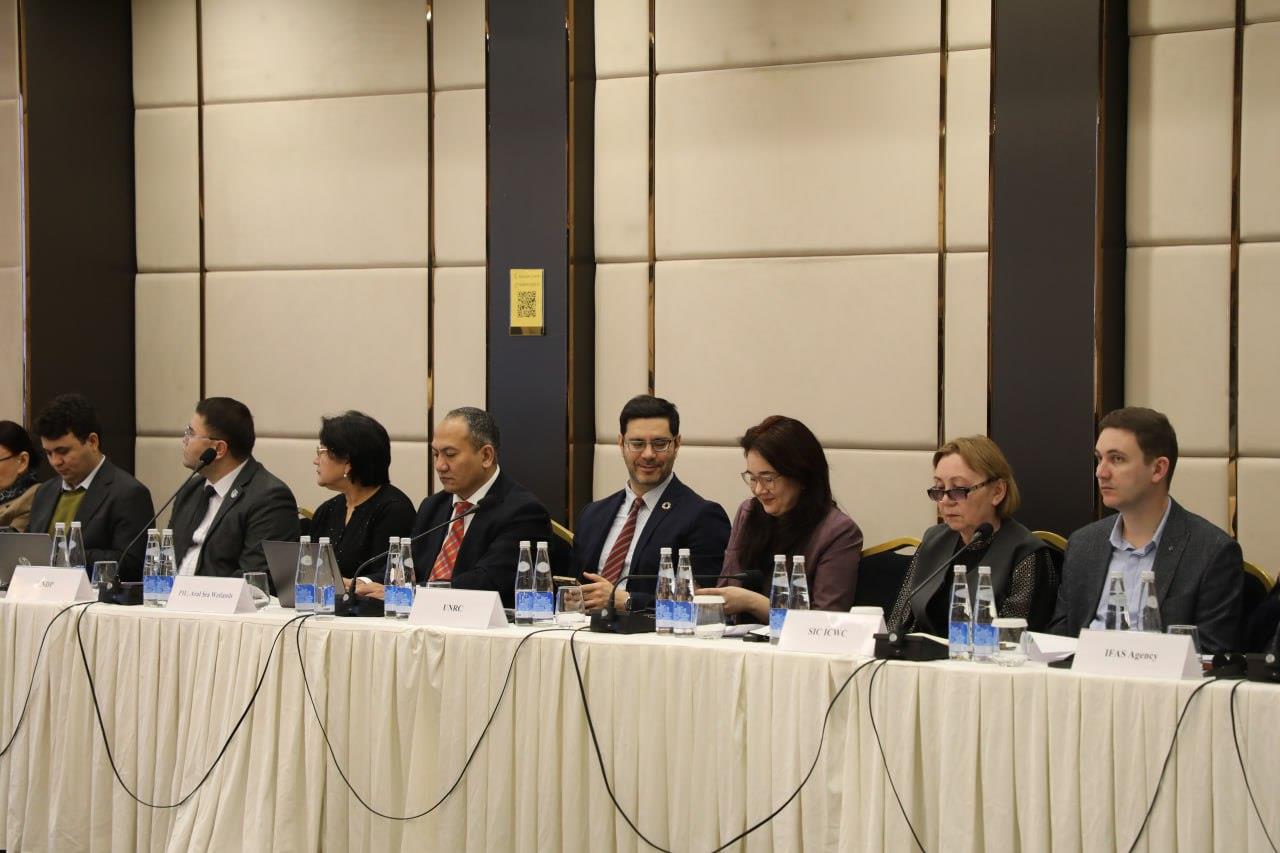
Representatives of national authorities, international organizations, and financial institutions — including the World Bank and the Finnish Water Forum — presented potential areas for technical and investment support.
Concluding the meeting, participants reaffirmed the importance of continuing the National Policy Dialogue as a key platform for coordinating reforms, exchanging experience, and developing consensus-based solutions for implementing the new Water Code of the Republic of Uzbekistan. Further steps were outlined to advance the methodological framework for groundwater management, environmental flow and hydraulic structure safety.