
No. 18 (679) March 2026
The 2nd Regional Network Meeting of the EC - UNEP project
On 17–18 March 2026, the second meeting of the EC–UNEP Project’s Regional Network was held in Guliston, Tajikistan.
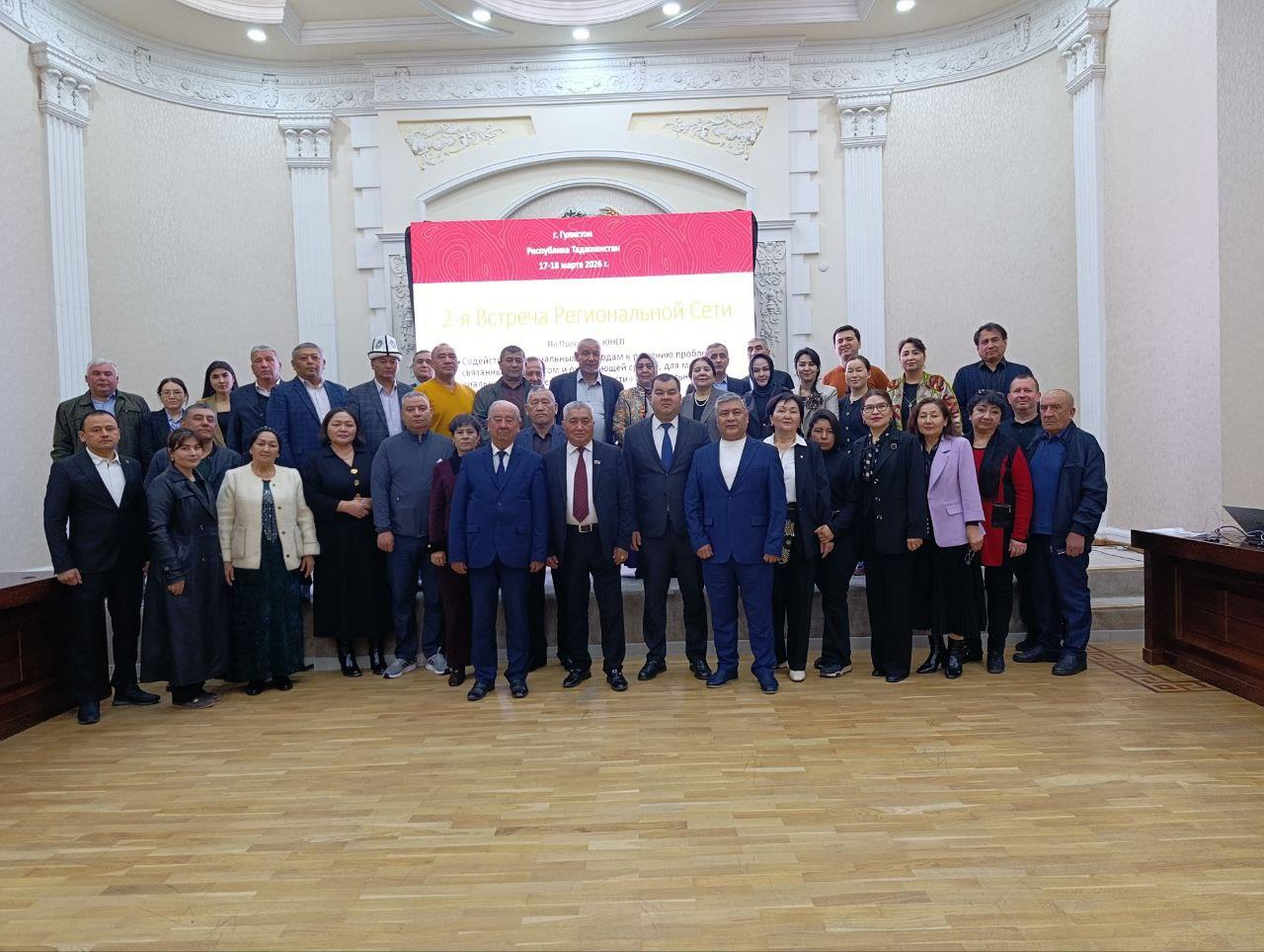
The event aimed to strengthen regional cooperation and enhance practical coordination through the exchange of experience, mutual learning, and joint planning aligned with the directions of the subprojects. It also provided a platform for deepening technical interaction, reinforcing shared responsibility, and improving the consistency and quality of project implementation.
The meeting brought together representatives of water management organizations, environmental agencies, non-governmental organizations, the expert community, as well as grantees of the EC–UNEP project from Tajikistan, Kyrgyzstan, and Uzbekistan.
Representatives of the Sughd province Department of Land Reclamation and Irrigation and the Hydrometeorological Center emphasized their commitment to supporting climate adaptation as a pathway to socio-economic stability, not only in Tajikistan but across the entire Fergana Valley.
Dr. Sherzod Muminov, Deputy Director of SIC ICWC and Project Leader, highlighted the exceptional relevance and importance of regional cooperation within the framework of the project. Boris Gozhenko participated in the meeting as a moderator on behalf of SIC ICWC.
Project grantees presented and discussed preliminary plans and initial results of their subprojects.
In addition to the main discussions, grantees took part in a training session on the basics of GIS, which included both a theoretical component and hands-on exercises.
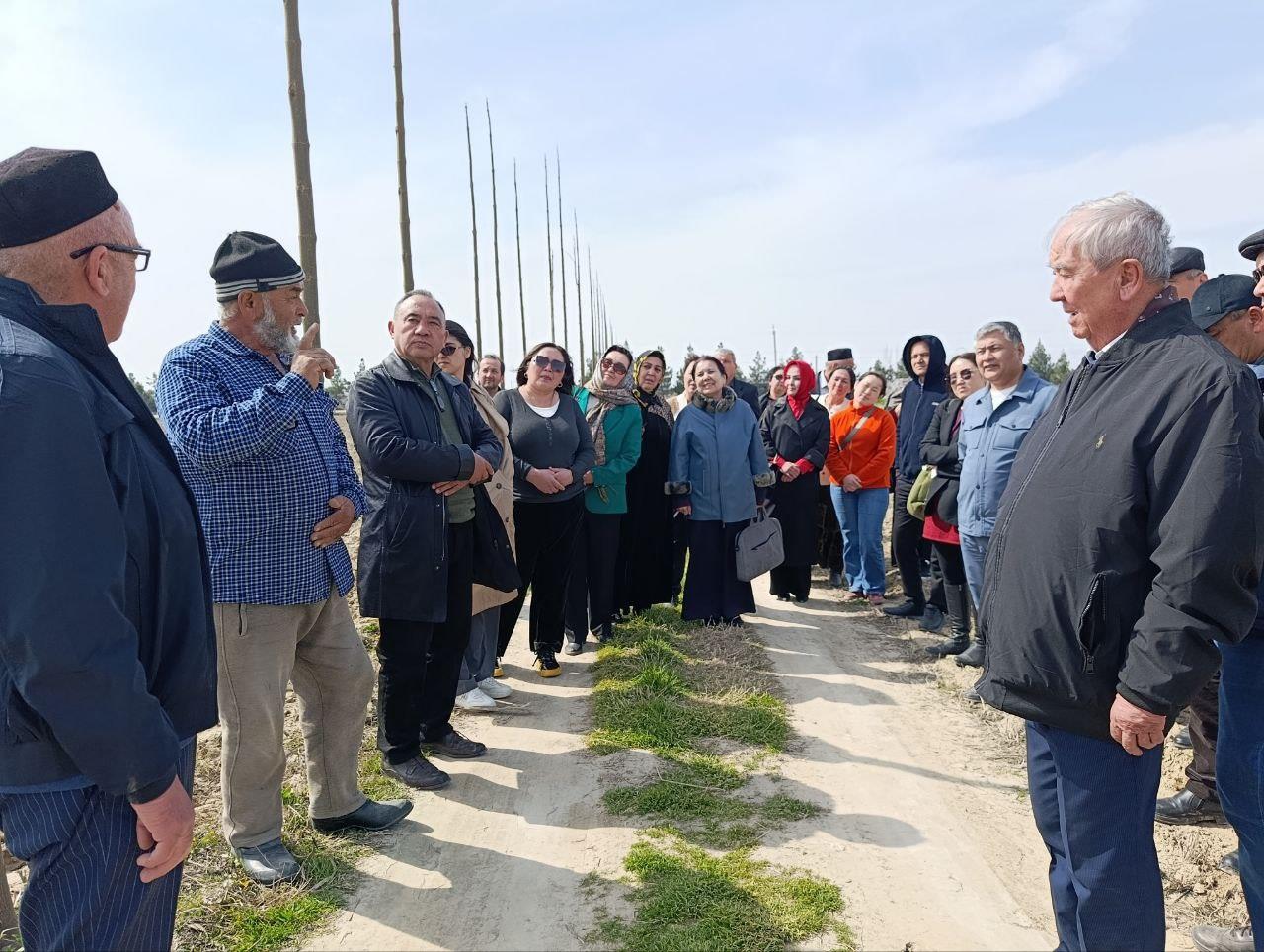
The second day of the meeting was held in the subproject site of one of the grantees - the Rural Community Development Agency - in Jabbar-Rasulov District of Sughd province.
Participants also visited three jamoats (local communities), where key nature-based solutions for climate adaptation are being implemented as part of the project, which will continue through March 2027.
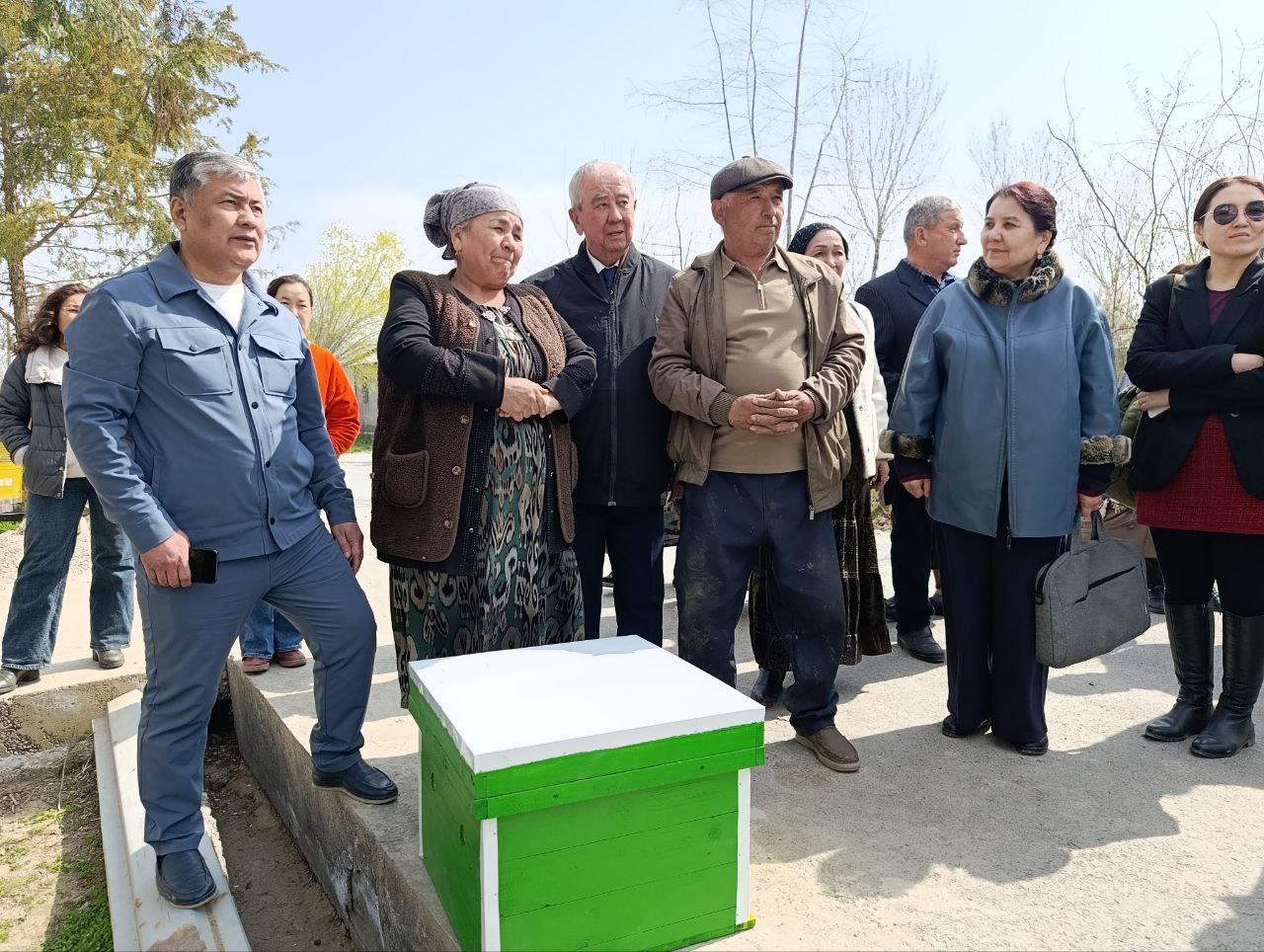
Following the meeting, participants emphasized the high relevance of the presented nature-based measures and their contribution to climate resilience, reducing the conflict potential, and strengthening socio-economic stability in the region.