
No. 27 (688) April 2026
National Dialogue on Combating Drought – Uzbekistan
On April 20, 2026, the National Dialogue on Drought Mitigation was held at the Training Center of the Scientific Information Center of the Interstate Commission for Water Coordination (SIC ICWC). The event brought together leading experts and government officials to translate analytical findings into concrete investment decisions and sustainable development programs.
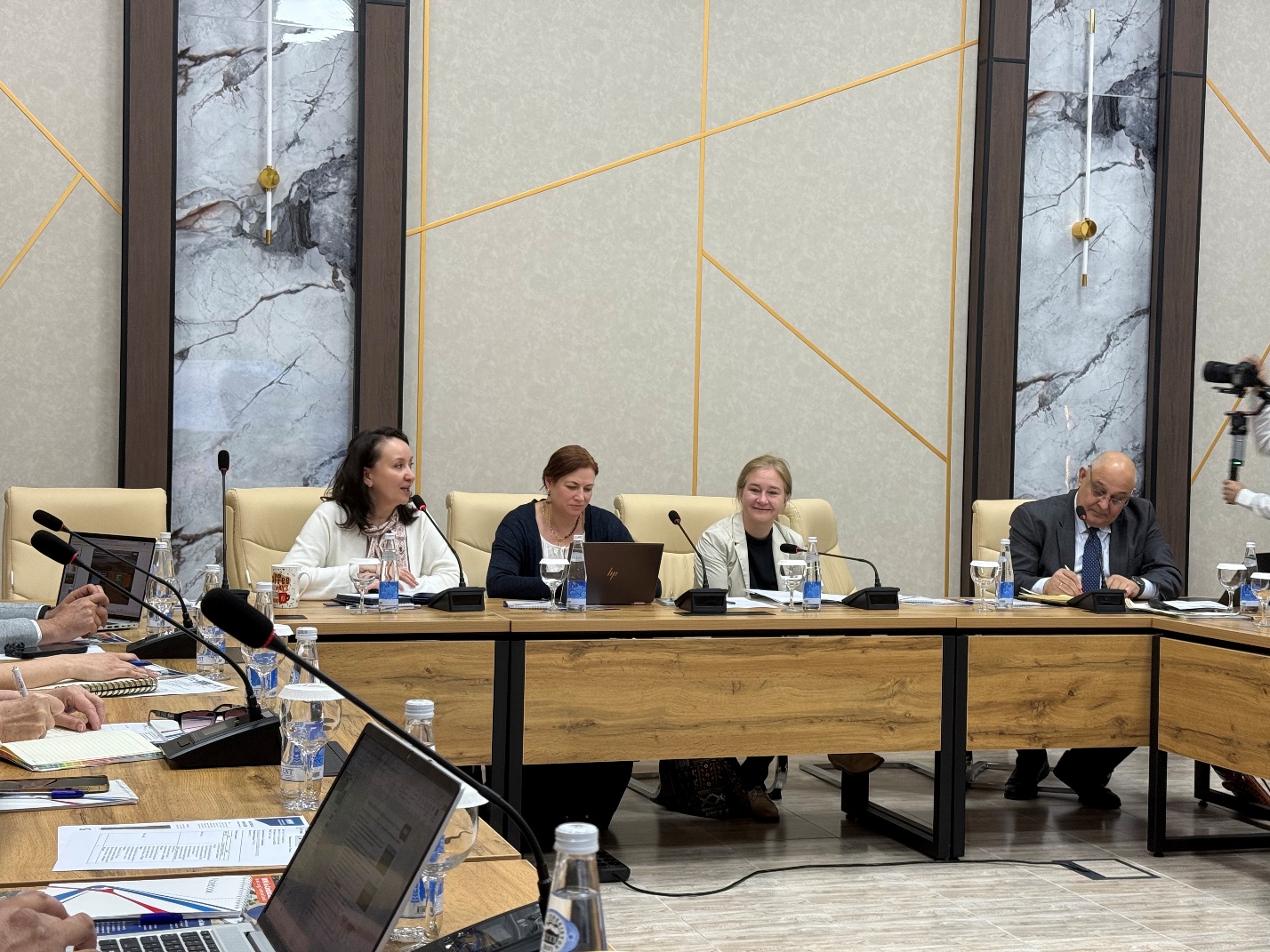
The meeting was organized by the International Water Management Institute (IWMI) and the SIC ICWC, with support from the World Bank.
The dialogue was held as part of the Central Asian Water and Energy Program (CAWEP). A key component of this program is the “Drought Risk and Resilience Assessment” (DRRA), which covers five countries in the region, with particular focus on the transboundary basins of the Amu Darya, Syr Darya, and Chu–Talas rivers. The project is implemented with financial support from a coalition of international donors, including the World Bank, the European Union, the United Kingdom, and Switzerland.
During the opening session, the heads of the partner organizations—B. Janusz-Pawletta (Director of IWMI), D. Ziganshina (Director of SIC ICWC), and E. Strikeleva (World Bank representative)—emphasized the importance of shifting from reactive measures to long-term strategic planning. They noted that the National Dialogue format facilitates a unified approach, linking theoretical risk assessments with practical investments in infrastructure and coordinated government action.
Participants were presented with the results of a comprehensive study covering three key areas in the Republic of Uzbekistan:
- Economic impact: Analysis of the effects of drought on key economic sectors and natural ecosystems.
- Crisis preparedness: Assessment of existing rapid response mechanisms.
- Institutional framework: Review of laws, regulations, and government programs to evaluate their effectiveness in the context of climate change.
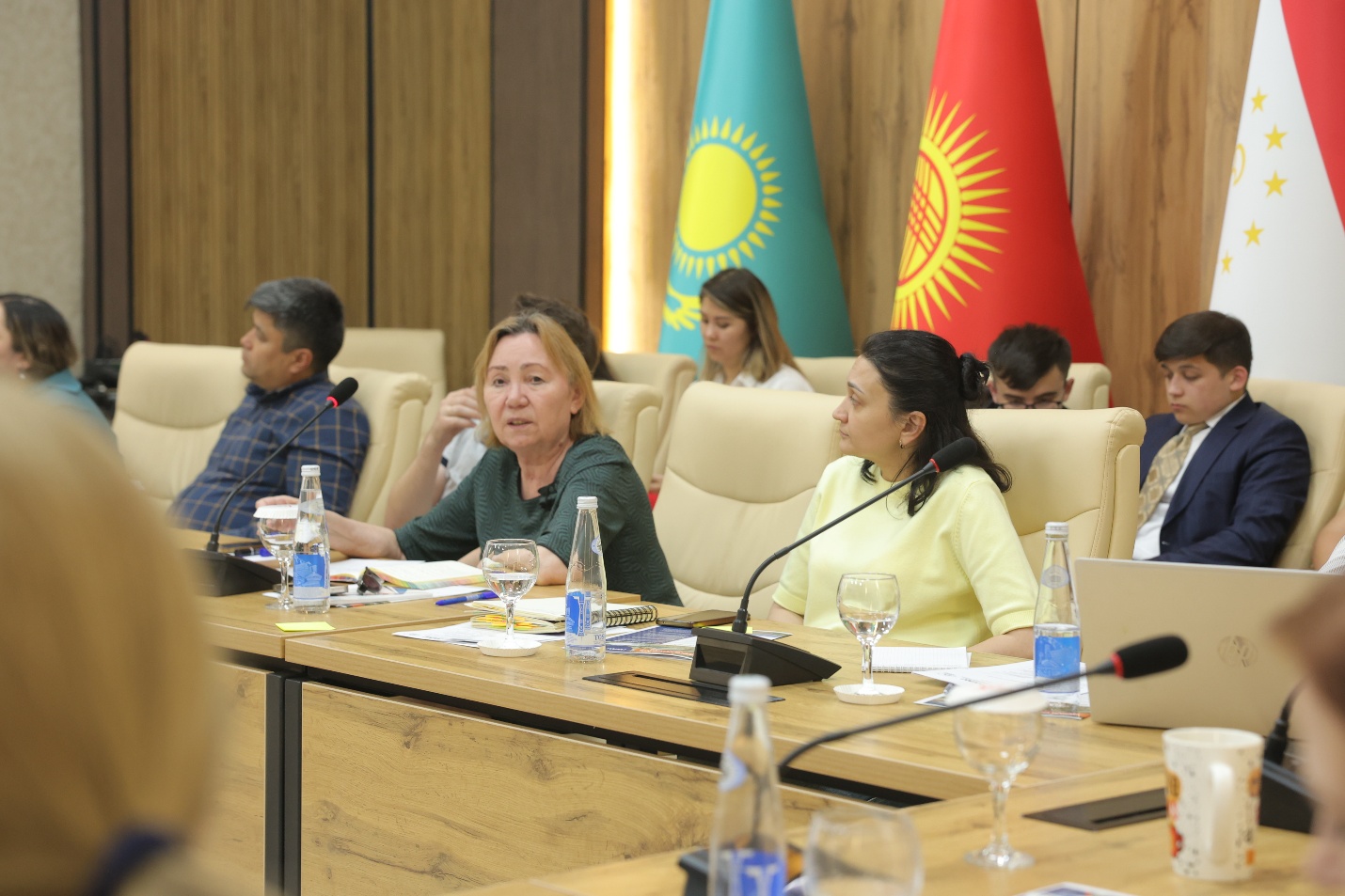
The final part of the event was conducted in the form of working group discussions, where representatives of relevant ministries, agencies, and research institutions identified priority measures to mitigate the impacts of drought. These included the implementation of early warning and digital monitoring systems, improving irrigation efficiency and water supply reliability, promoting climate-resilient agriculture, developing climate risk insurance and financial support mechanisms, and restoring degraded lands and ecosystems.
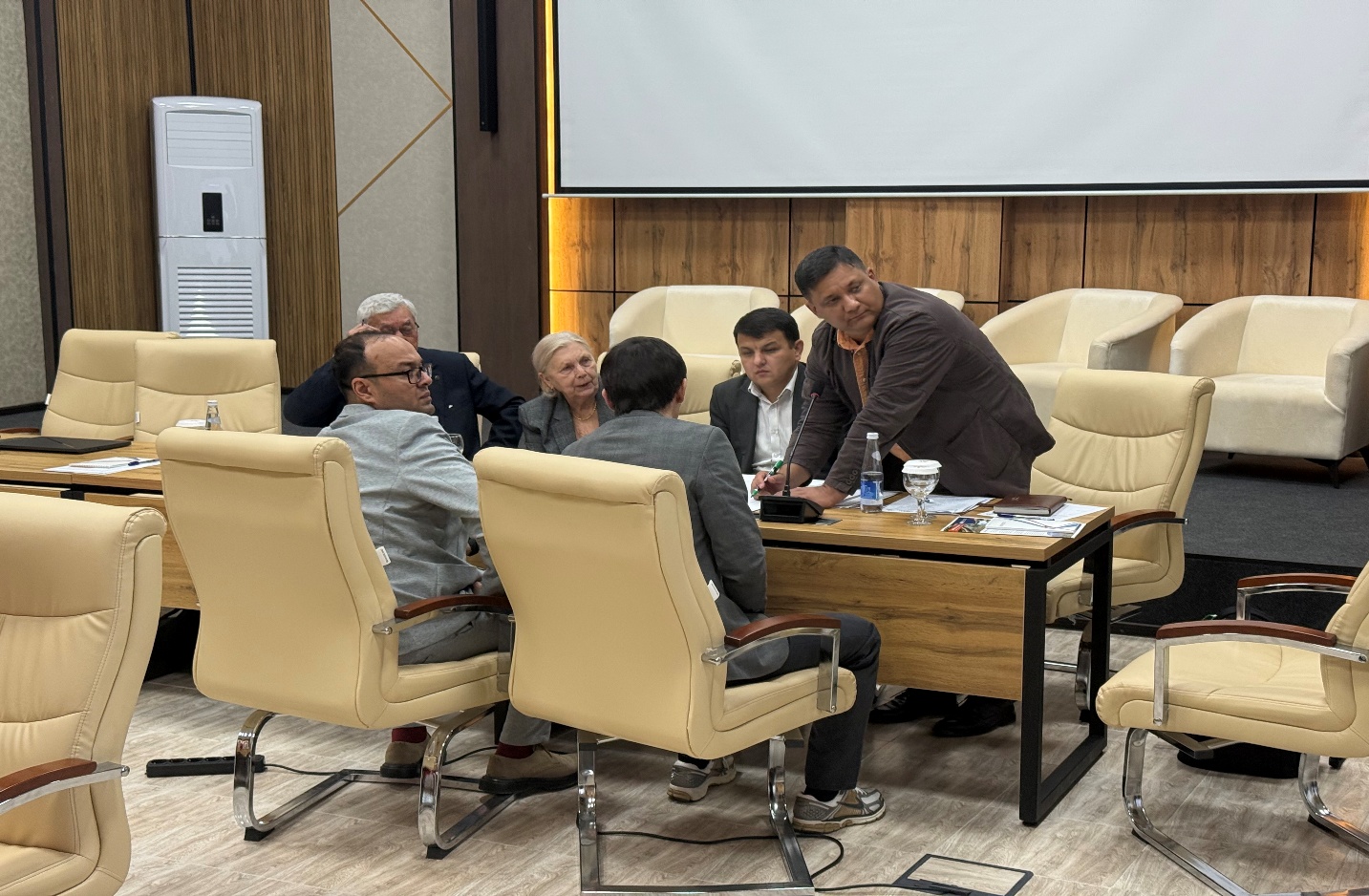
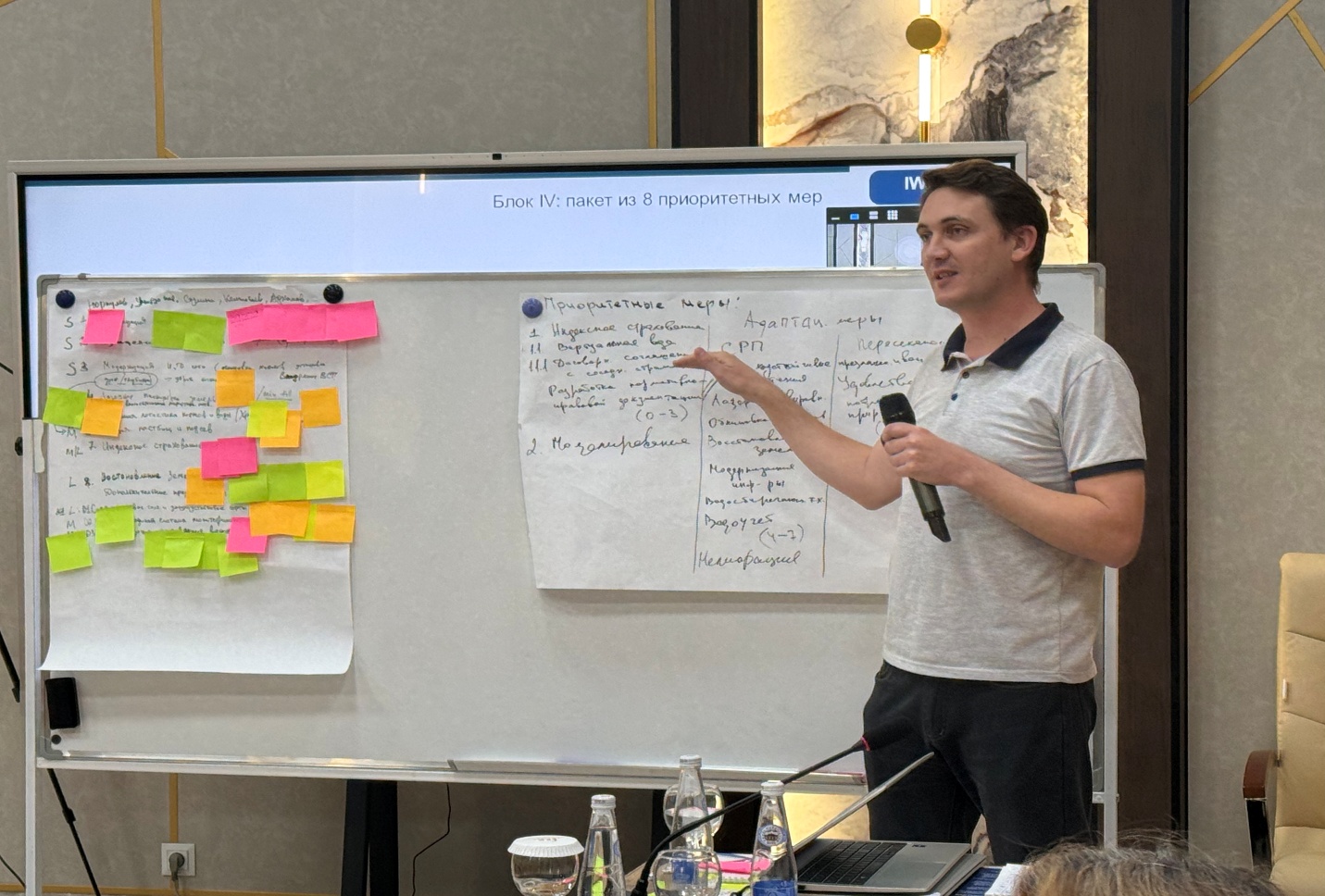
The proposals developed during the dialogue will serve as a foundation for national action plans and inform the development of future investment projects in Uzbekistan’s water management and agricultural sectors.