
No. 36 (697) May 2026
Development of GIS Tools for Hydromodule Zoning in Central Asia: Preliminary Findings
On May 5, 2026, a meeting of national experts from Uzbekistan, Tajikistan, Kyrgyzstan, and Turkmenistan was held at the SIC ICWC Training Center. The meeting focused on the development of two key tools: hydromodule zoning and irrigation regime scheduling in Central Asia. The event was organized as part of the IKI project, which aims to develop regional mechanisms for a low-carbon and climate-resilient transformation of the energy–water–land nexus in Central Asia.
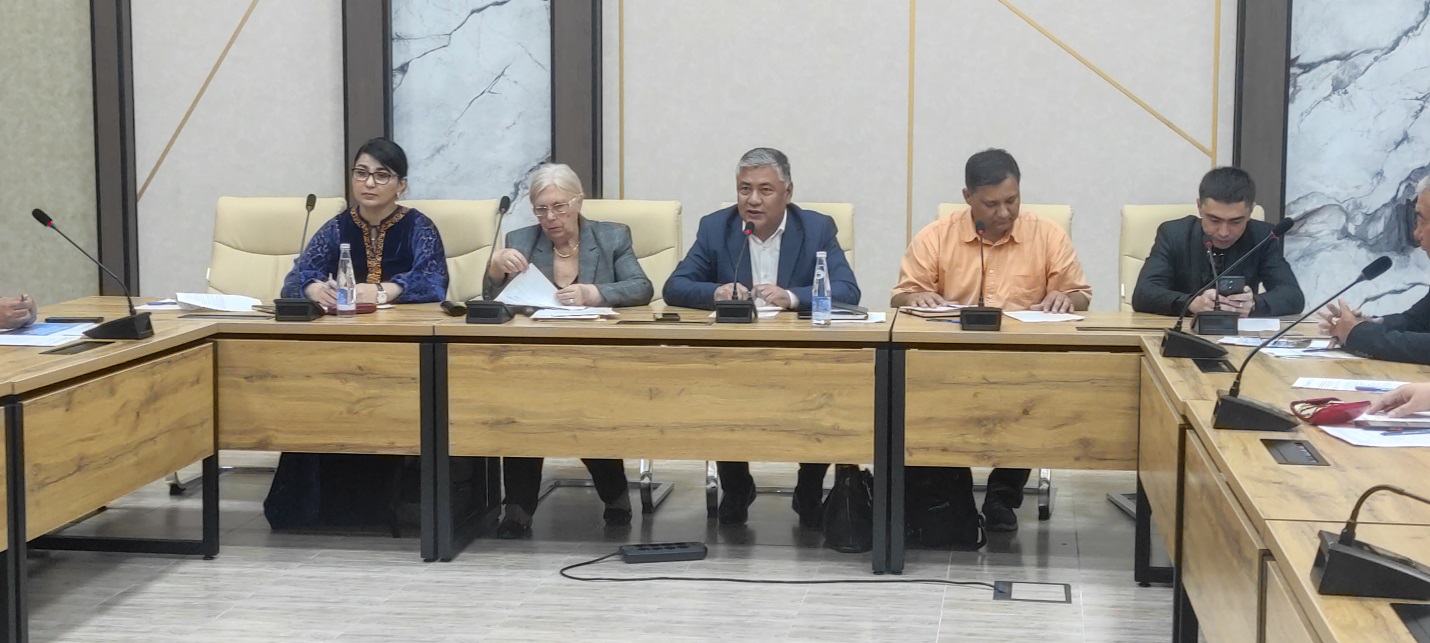
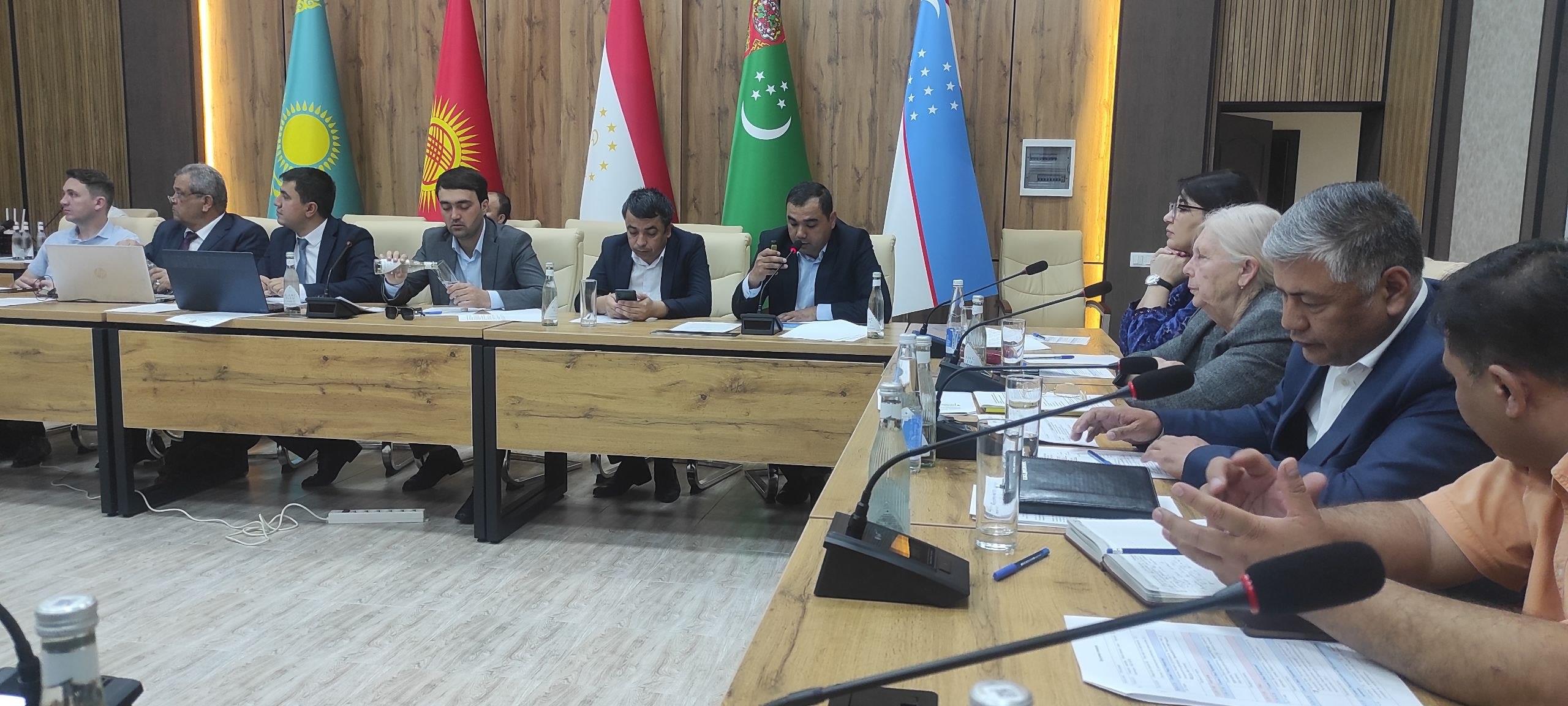
The workshop opened with a welcome address by Sh. Muminov, Deputy Director of SIC ICWC. He outlined the key objectives of the IKI project, highlighted the main areas of upcoming work, and wished participants a productive session. The program continued with a series of national sessions, during which experts presented the results and experiences of work carried out in Uzbekistan, Tajikistan, Kyrgyzstan, and Turkmenistan. Each session included brief thematic presentations followed by interactive question-and-answer discussions.
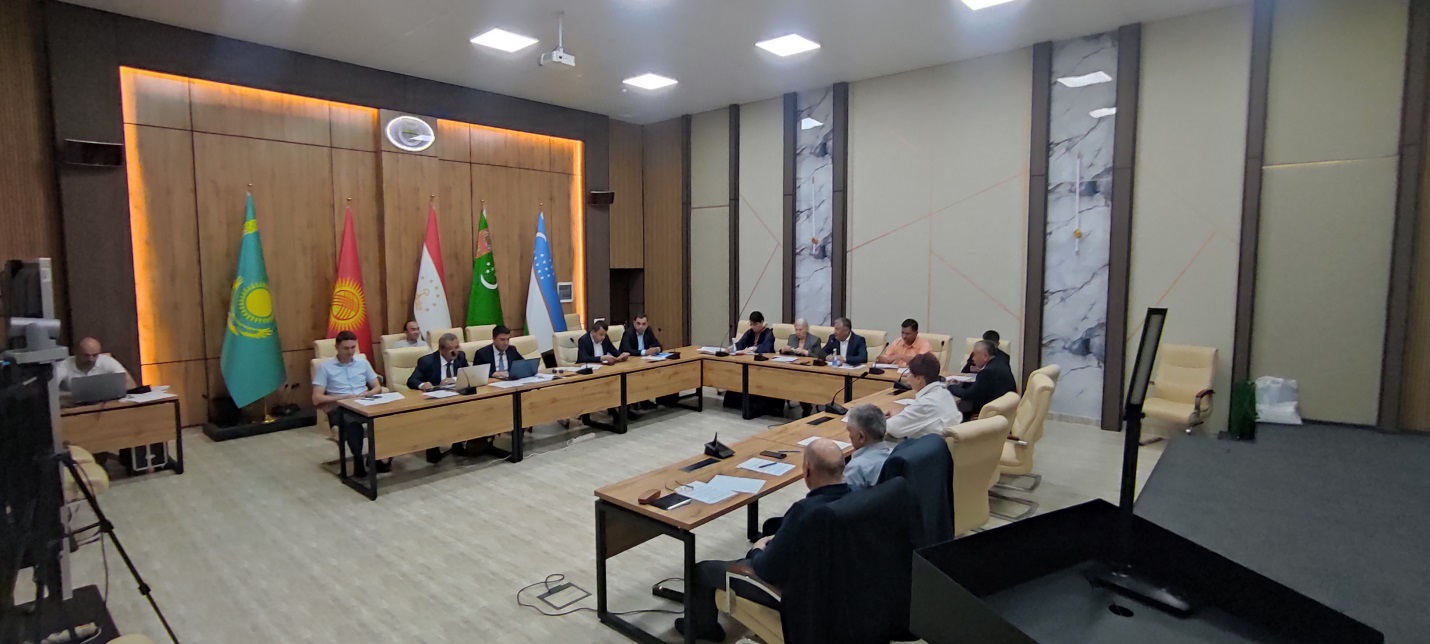
“Our goal is not simply to develop a theoretical model but a practical toolkit that will support relevant ministries in Central Asian countries in the real sector, ensuring efficient water use under climate change conditions,”, noted G. Stulina, the Project’s Regional Coordinator.
In the second part, participants reviewed the consolidated results of hydromodule zoning and discussed the transition to the next stage - irrigation regime scheduling. Approaches to developing algorithms and software solutions were presented, recommendations for further work were provided, and progress in applying remote sensing and satellite mapping data to optimize water use was highlighted.
Special attention was given to a presentation by A. Dolidudko, who outlined the main findings of the project “Correction of hydromodule zoning of the Syr Darya River basin using remote sensing data and satellite mapping technologies to improve water consumption and irrigation regimes for agricultural crops cultivated in the region,” funded by the French Development Agency (AFD).
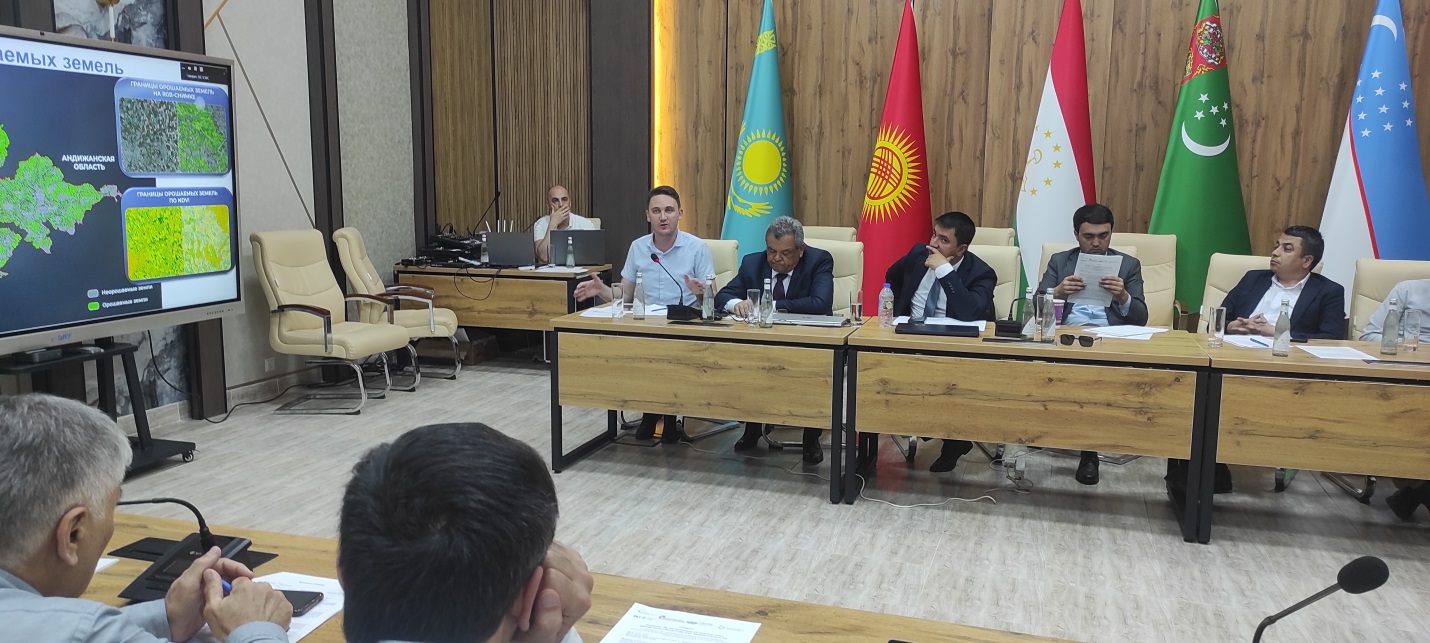
The workshop was conducted as a practical working session aimed at reviewing interim results of the project’s first phase - hydromodule zoning of pilot areas - and preparing for the next phase of irrigation regime scheduling. At the end, participants agreed on the next steps and approaches for further work.
This event marked an important milestone in strengthening regional cooperation and advancing the use of modern digital tools for sustainable water and land management in Central Asia.