
No. 37 (698) May 2026
Integrated Transboundary Water Management and the Water Convention in Cameroon
On April 28–30, Yaoundé, Republic of Cameroon hosted two pivotal events: a national workshop to launch the implementation of the 1992 Convention on the Protection and Use of Transboundary Watercourses and International Lakes (Water Convention), and a regional capacity-building seminar on integrated transboundary water management for Central African nations. These sessions were designed to strengthen the expertise of state actors and stakeholders in international water law, transboundary water cooperation, and the practical application of the 1992 Water Convention within the Central African context.
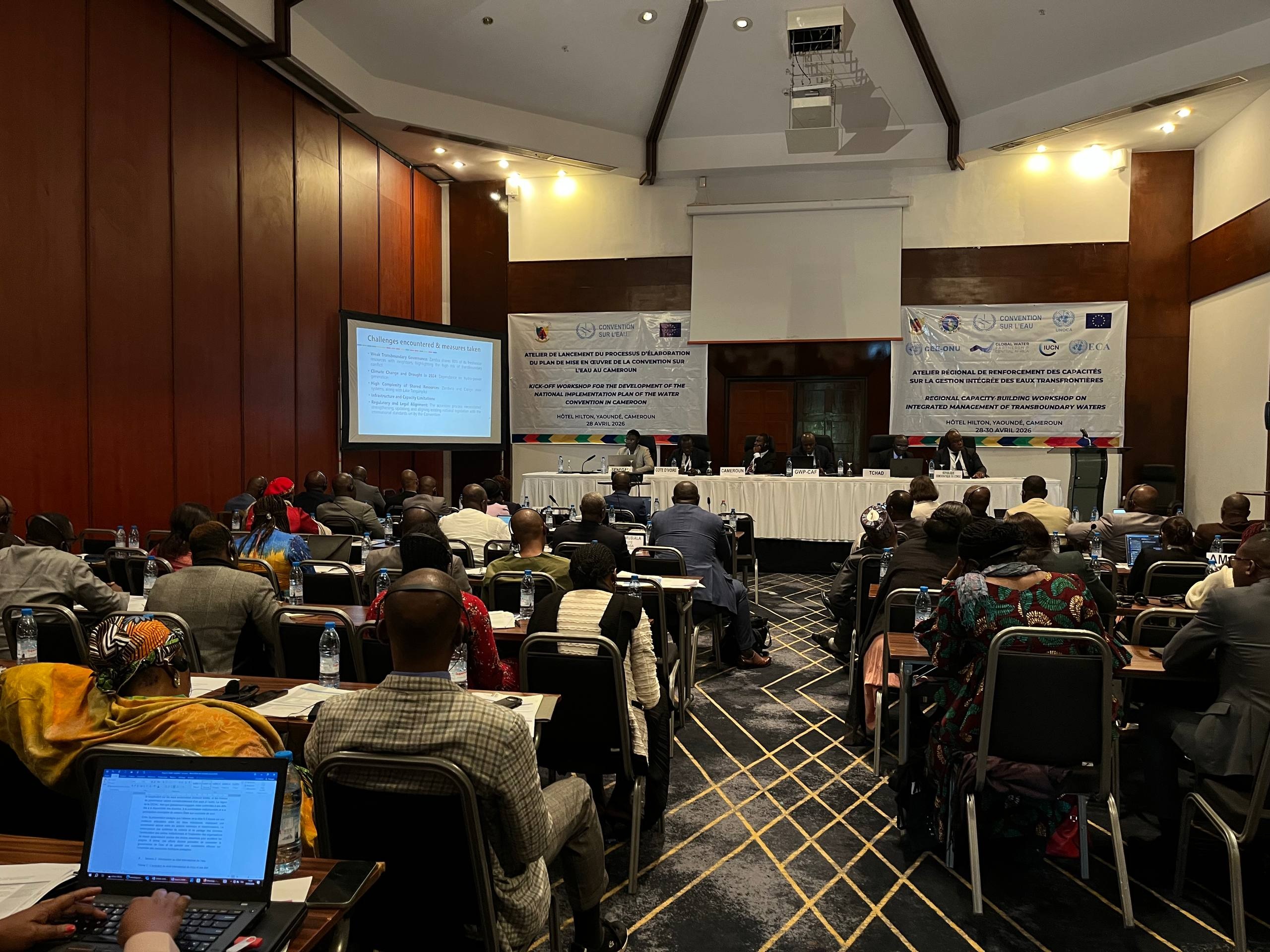
Over three days, participants engaged in discussions covering: strategic and legal frameworks of transboundary cooperation; foundations and fundamental elements of international water law; the role of the 1992 Water Convention; compliance monitoring, dispute resolution, and the functions of the Implementation Committee; negotiation strategies for water agreements and institutional frameworks; tools and guidelines for drafting and operationalizing agreements; integrating the climate agenda into transboundary water cooperation; financing mobilization; regional perspectives on accelerating transboundary cooperation in Central Africa.
A key highlight was the exchange of experiences regarding accession to the Convention and the initial steps of national-level implementation across Africa. Discussions touched upon the current status of regional agreements, the challenges of moving from "paper" agreements to actual enforcement, and practical tools for treaty preparation. The level of engagement underscored a shift in interest from purely legal obligations toward application: negotiating processes, interagency coordination, effective institutional designs, and aligning international commitments with the immediate needs of specific countries and basins.
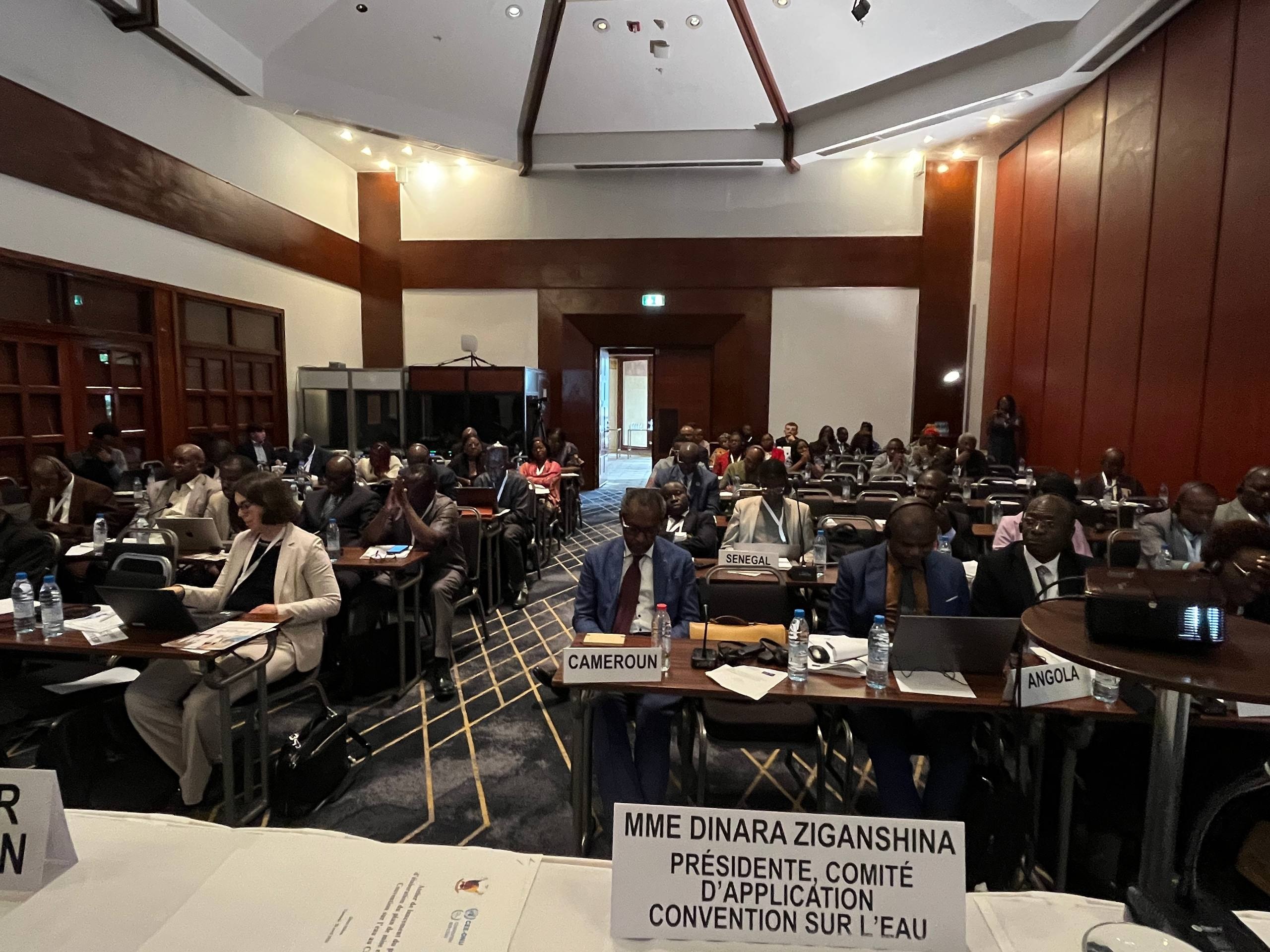
Dr. Dinara Ziganshina participated in the event in her capacity as Chair of the Implementation Committee of the Water Convention. She delivered a keynote on the fundamentals of international water law and detailed the role of the Implementation Committee as a non-confrontational, consultative mechanism. She emphasized its mission to support states in meeting their obligations, foster a deeper understanding of procedural and institutional requirements, and develop practical pathways for implementation.
Cameroon: The Transboundary Water Context. The timing of these events in Cameroon is particularly significant. While the country possesses vast water resources, they are unevenly distributed: the north and northeast are far more vulnerable to water stress than the humid southern regions. Cameroon spans several transboundary basins, including the Senegal, Lake Chad, Niger, and Congo, as well as various coastal catchments. Current challenges include: spatial disparity of water resources, exacerbating northern vulnerability; escalating climate risks, specifically droughts and floods; water quality degradation from agricultural runoff, industrial waste, and untreated wastewater; the need for more robust coordination between national authorities, local structures, and transboundary institutions. In the Lake Chad Basin, water issues are inextricably linked to regional stability, livelihoods, migration, and security. To bolster its legal and institutional framework, Cameroon acceded to both the 1992 Water Convention and the 1997 Watercourses Convention in 2022.
A case of particular interest was the Sanaga River, Cameroon’s primary hydroelectric artery. The 420 MW Nachtigal Amont project, located near Yaoundé, has provided approximately 30% of the nation’s energy since 2025. As the country's largest hydropower plant, it is a cornerstone of national energy security. For Central Asian observers, the project serves as a prime example of a large-scale water-energy asset realized through Public-Private Partnerships (PPP) and international financing, involving the Government of Cameroon, EDF, IFC, Africa50, STOA, and other financial institutions.
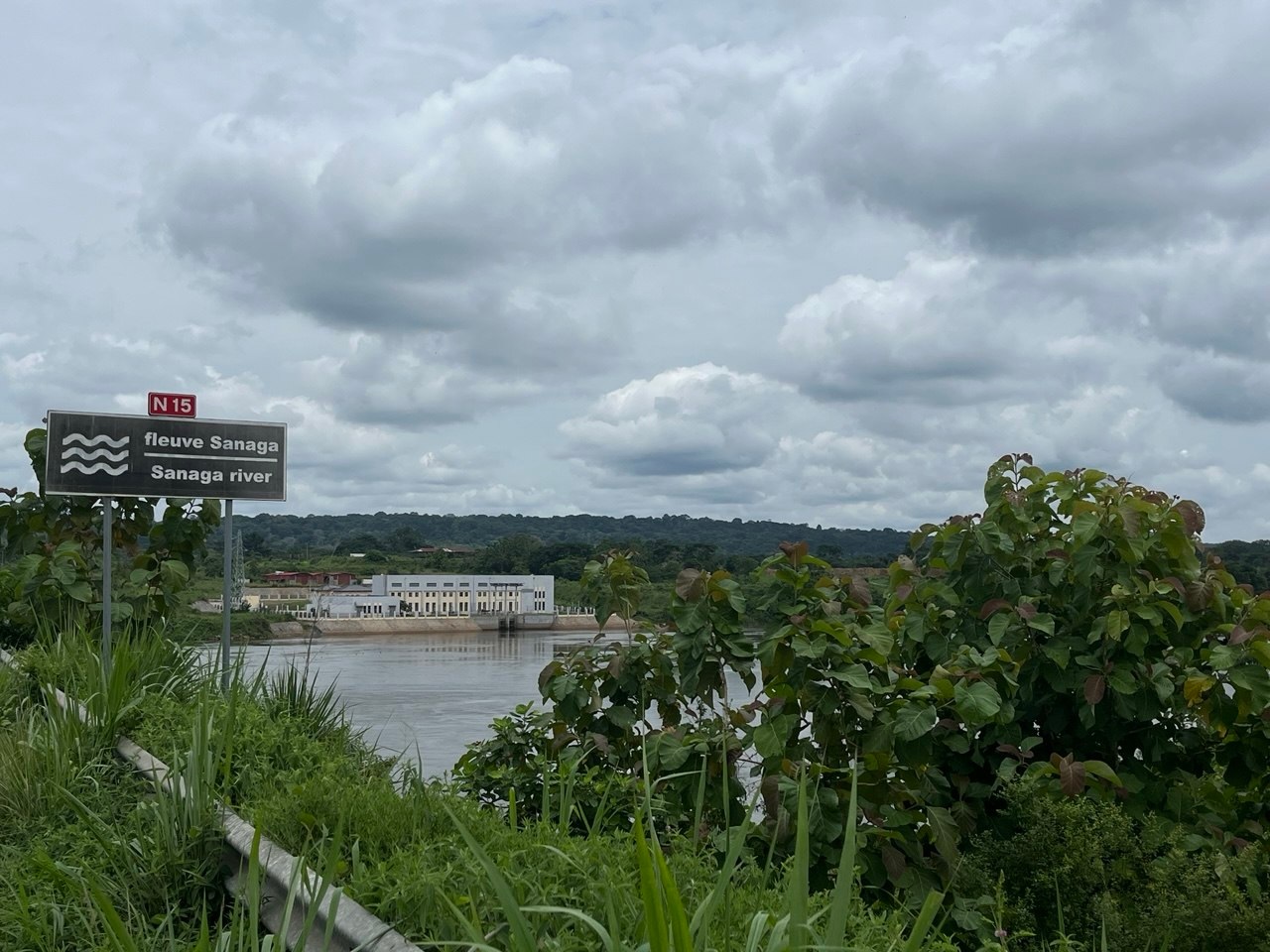
Nachtigal has earned global acclaim, including the 2018 PFI Global Multilateral Deal of the Year and the 2024 Best Energy Project award at the Africa Investments Forum. However, the project also demonstrates that large-scale hydropower requires more than engineering and financial prowess; it demands sophisticated basin management, environmental flow considerations, community engagement, and transparent grievance/compensation mechanisms.
Key Conclusions and Takeaways
- Demand for applied international water law: There is a strong regional appetite for practical guidance on how substantive norms, procedural duties, and institutional mechanisms interact. Participants valued "lived" examples -such as notification procedures, data exchange, impact assessments, and joint bodies - over abstract theory. The Water Convention is increasingly viewed as a tool for risk mitigation and trust-building. Notable interest was shown in the Implementation Committee’s advisory role, specifically regarding Côte d’Ivoire’s request for advice in its relations with Ghana concerning water quality.
- The data gap: The lack of reliable monitoring and information systems remains a sensitive bottleneck for Central Africa. Participants stressed that a deficit in comparable, regularly updated, and mutually recognized hydrological data hinders joint planning. This "information poverty" undermines flood/drought warnings, infrastructure planning, and overall trust between basin states.
- Lessons from joint bodies: Discussions highlighted the diverse institutional landscapes in Central and West Africa: ABAKIR (Kagera River Basin Commission) - a vital coordinating body, notable for the fact that water infrastructure remained protected from attack even during periods of armed tension between member states; Niger Basin Authority (NBA) - praised for its high level of legal detail, specifically its five annexes to the Niger Water Charter; CICOS (Congo-Ubangi-Sangha) - demonstrated the importance of sustainable mechanisms for balancing navigation, usage, and protection; Lake Chad Basin Commission (LCBC) - highlighted as a body whose mandate transcends.
- Water financing and the economic value of water. The discussions placed a strategic focus on water financing, the economic value of water, and the urgent need for more resilient financial mechanisms to operationalize transboundary water agreements and basin-wide programs. Participants emphasized that legal obligations and institutional frameworks alone cannot guarantee practical results without the backing of long-term, predictable funding. In this context, various resource mobilization strategies were examined, including the use of national budgets, climate finance, international financial institutions (IFIs), donor-led initiatives, and public-private partnerships (PPP). For both Central African and Central Asian nations, this issue is of particular importance as they seek to move away from fragmented, project-based funding toward more systemic models. Such models are essential for the sustained support of basin organizations, joint initiatives, and integrated information-analytical systems.
- The nexus between water, climate, security, and development. A recurring theme throughout the three-day event was the deepening nexus between the water agenda, climate change, security, ecosystem resilience, and long-term development. The discussions underscored that transboundary water cooperation is increasingly viewed not merely as a legal or technical matter, but as a vital instrument for enhancing climate resilience, preventing conflict, protecting ecosystems, mobilizing investment, and strengthening regional stability. Participants placed particular emphasis on the need to integrate climate risks, adaptation measures, nature-based solutions (NbS), and sustainable financial mechanisms into transboundary agreements, basin programs, and national strategies. This conclusion carries significant practical weight for Central Asia, where sustainable water cooperation demands a holistic approach - one that simultaneously balances legal obligations, climate risks, energy interests, ecosystem requirements, and socio-economic development.