
No. 39 (700) May 2026
Outcomes of the UN Global Workshop on the Use of New Technologies and Innovations for Monitoring, Assessment, and Data Sharing in Transboundary Basins
On 5–6 May 2026, a global workshop on the use of advanced technologies and innovations for monitoring, assessment, and data sharing in transboundary river basins was held under the framework of the United Nations Convention on the Protection and Use of Transboundary Watercourses and International Lakes (Water Convention). The workshop was organized in cooperation with Finland and Senegal, with financial support from the European Union.
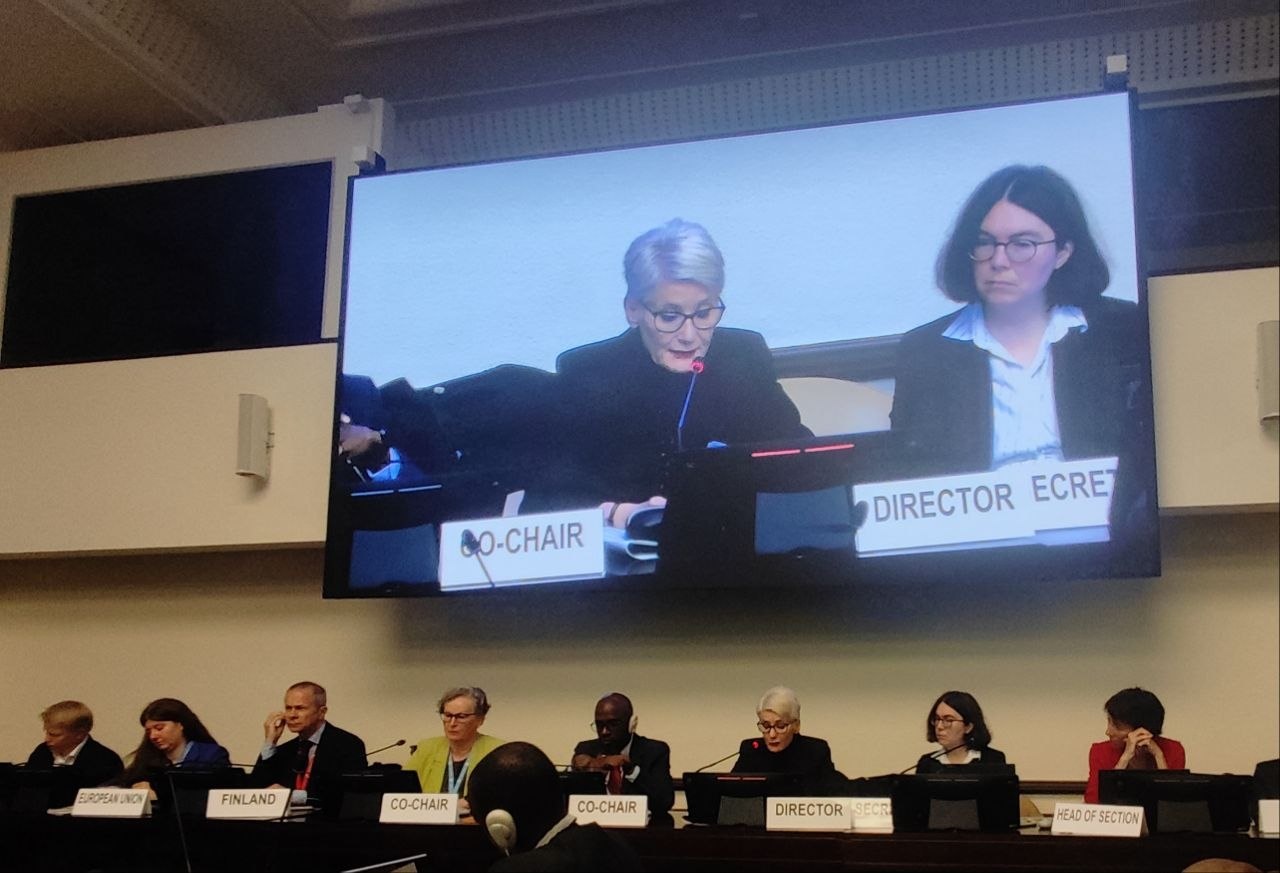
The event brought together leading experts and representatives from organizations including GEF IW:LEARN, International Network of Basin Organizations (INBO), International Water Management Institute (IWMI), Joint Research Centre (JRC), United Nations Environment Programme’s Global Monitoring for Freshwater Resources (UNEP GEMS/Water), World Bank, and World Meteorological Organization (WMO). Fazilat Abdullaeva represented SIC ICWC at the workshop.
In her presentation “Creating Enabling Conditions for Data Exchange and Technology Adoption in Central Asia,” Ms. Abdullaeva emphasized that sustainable regional data exchange is impossible without strengthening national monitoring systems. She noted that harmonized standards and common analytical products are not merely technical tools, but also a foundation of trust essential for ensuring water security and adapting to climate change.
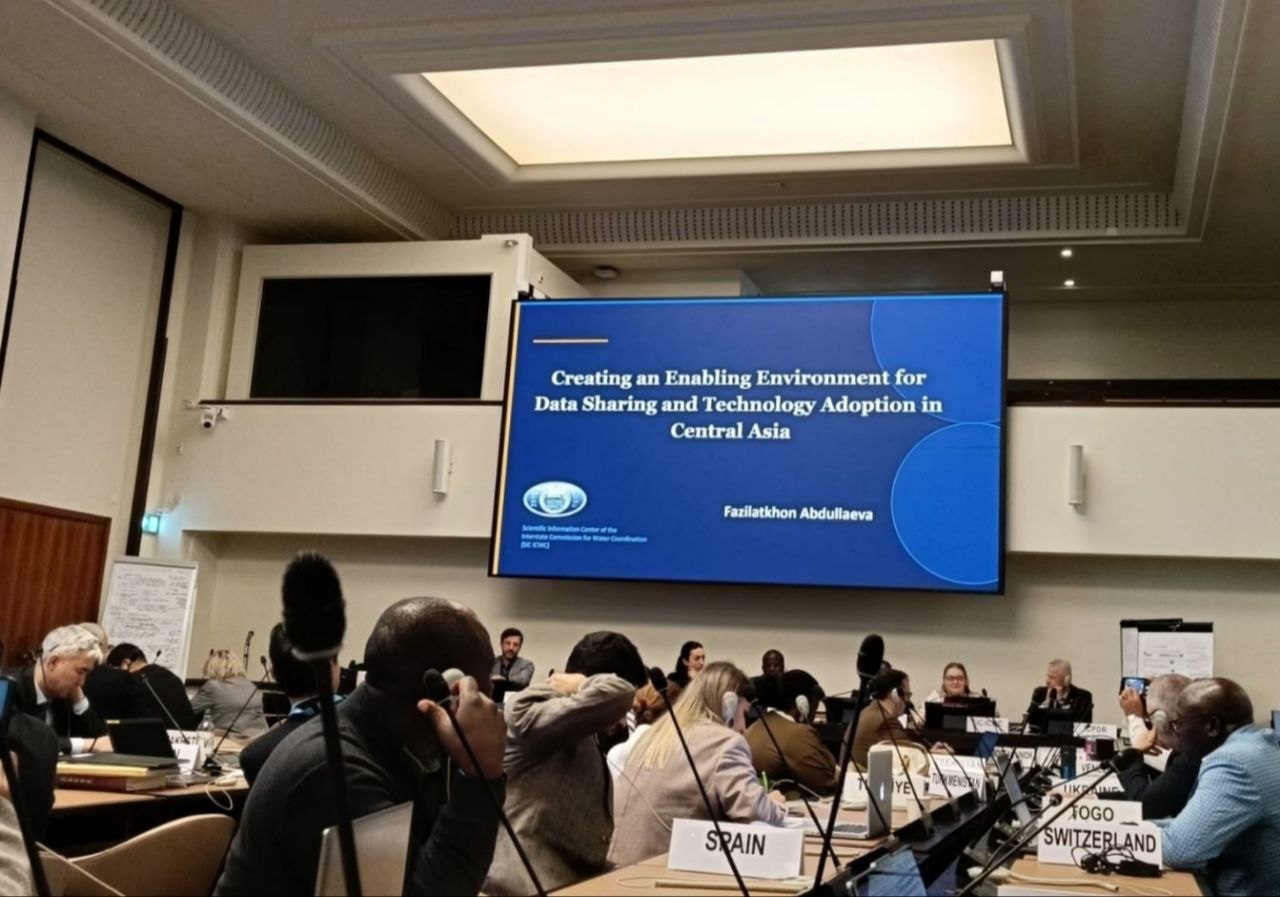
Participants discussed a number of strategic aspects of water management, including:
- Gap analysis: identifying priority monitoring needs in line with SDG 6.5.2;
- Case studies: scaling up successful innovative approaches in transboundary river basins;
- Science–policy dialogue: overcoming barriers to technology adoption and attracting investment;
- Comprehensive approaches: applying “source-to-sea” principles and the water–energy–food–ecosystem (WEFE) nexus.
During the discussions, participants stressed the importance of implementing technological innovations within integrated basin-wide approaches, including the “source-to-sea” concept, the water-food-energy-ecosystems nexus, as well as collaborative water management supported by strong legal and institutional frameworks for cooperation. According to experts, such approaches can help ensure the consistency and long-term sustainability of monitoring and data-sharing systems across both hydrological and political boundaries.
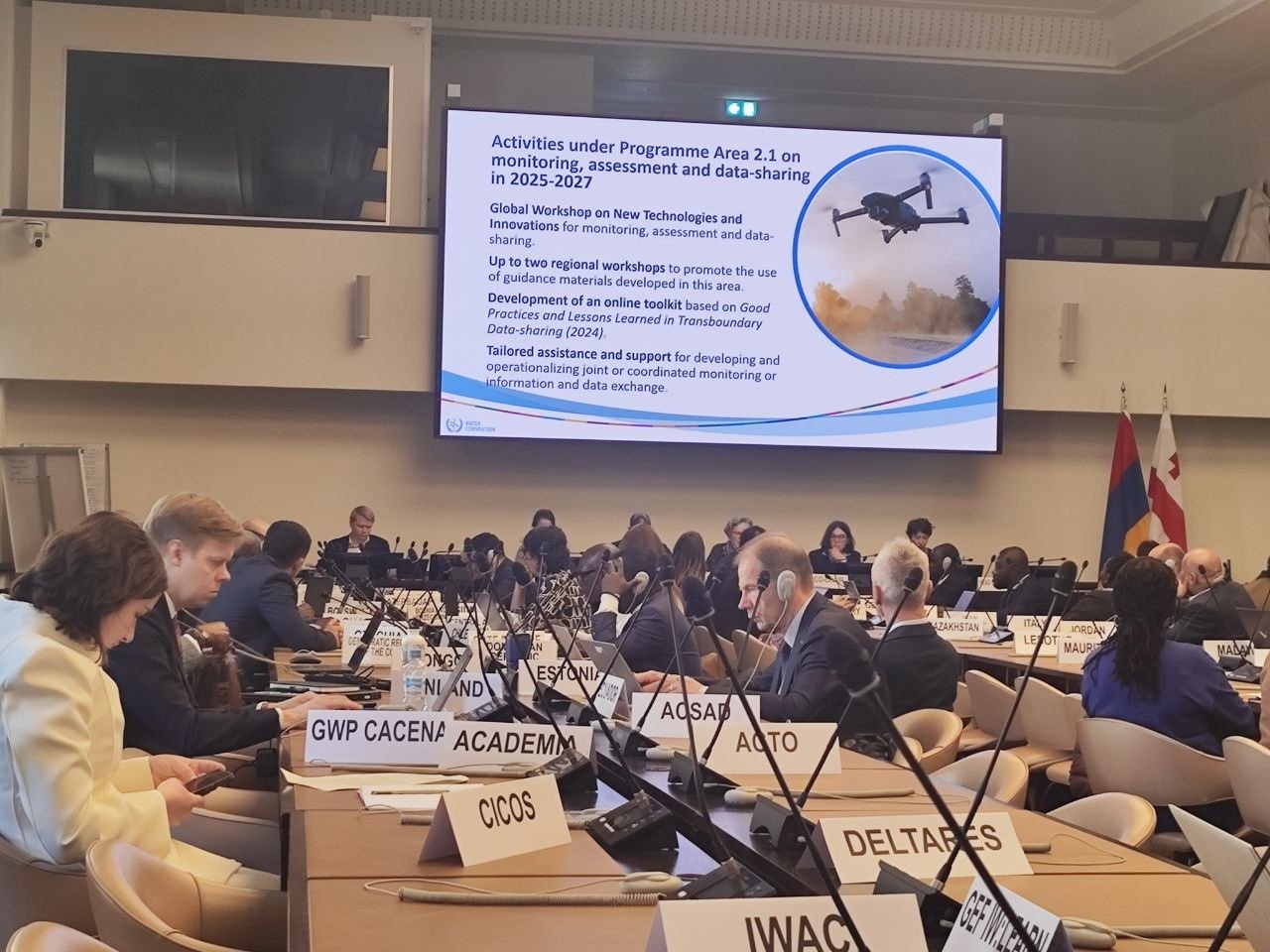
The participants reaffirmed the importance of strengthening regional cooperation, promoting the exchange of knowledge and best practices, and accelerating practical implementation.
The outcomes of the workshop will contribute to preparations for the 2026 UN Water Conference (UAE, 2–4 December 2026), particularly within the framework of Interactive Dialogue D (“Water for Cooperation”) and Interactive Dialogue F (“Investments for Water”).