
No. 44 (705) May 2026
SIC ICWC Participated in the Pre-Conference Forum on Transboundary Water Cooperation in Dushanbe
On May 25, 2026, a pre-conference forum titled “Frontiers of Transboundary Cooperation: Innovations and Actions for Water for Sustainable Development” was held as part of the 4th High-Level International Conference on the International Decade for Action “Water for Sustainable Development” 2018–2028 in Dushanbe.
The event focused on practical solutions to strengthen transboundary water cooperation in Central Asia, including adaptation to climate change, digitalization of the water sector, development of basin organizations, water conservation, improvement of data systems, and the region’s engagement in the global water agenda.
SIC ICWC participated in the pre-conference forum with the support of the IKI project “Regional Mechanisms for a Low-Carbon and Climate-Resilient Transformation of the Energy-Water-Land Nexus in Central Asia (IKI-Nexus). Representatives of SIC ICWC took part in discussions on regional cooperation, digital transformation in the water sector, basin-level coordination, and the promotion of Central Asian experience in global water forums.
The first session featured a high-level dialogue among water sector leaders from Central Asian countries. Participants discussed priorities of transboundary water cooperation, measures for adapting to climate change, the development of digital tools, and ways to enhance the effectiveness of river basin organizations.
N. Nurzhigitov, Minister of Water Resources and Irrigation of the Republic of Kazakhstan spoke about the development of the water information system, ongoing water conservation measures, and the importance of fostering a culture of water-saving through educational and awareness-raising initiatives. He also emphasized the importance of joint regional solutions. In particular, with the support of GIZ, ten gauging stations are currently being automated in transboundary sites between Kazakhstan and Uzbekistan.
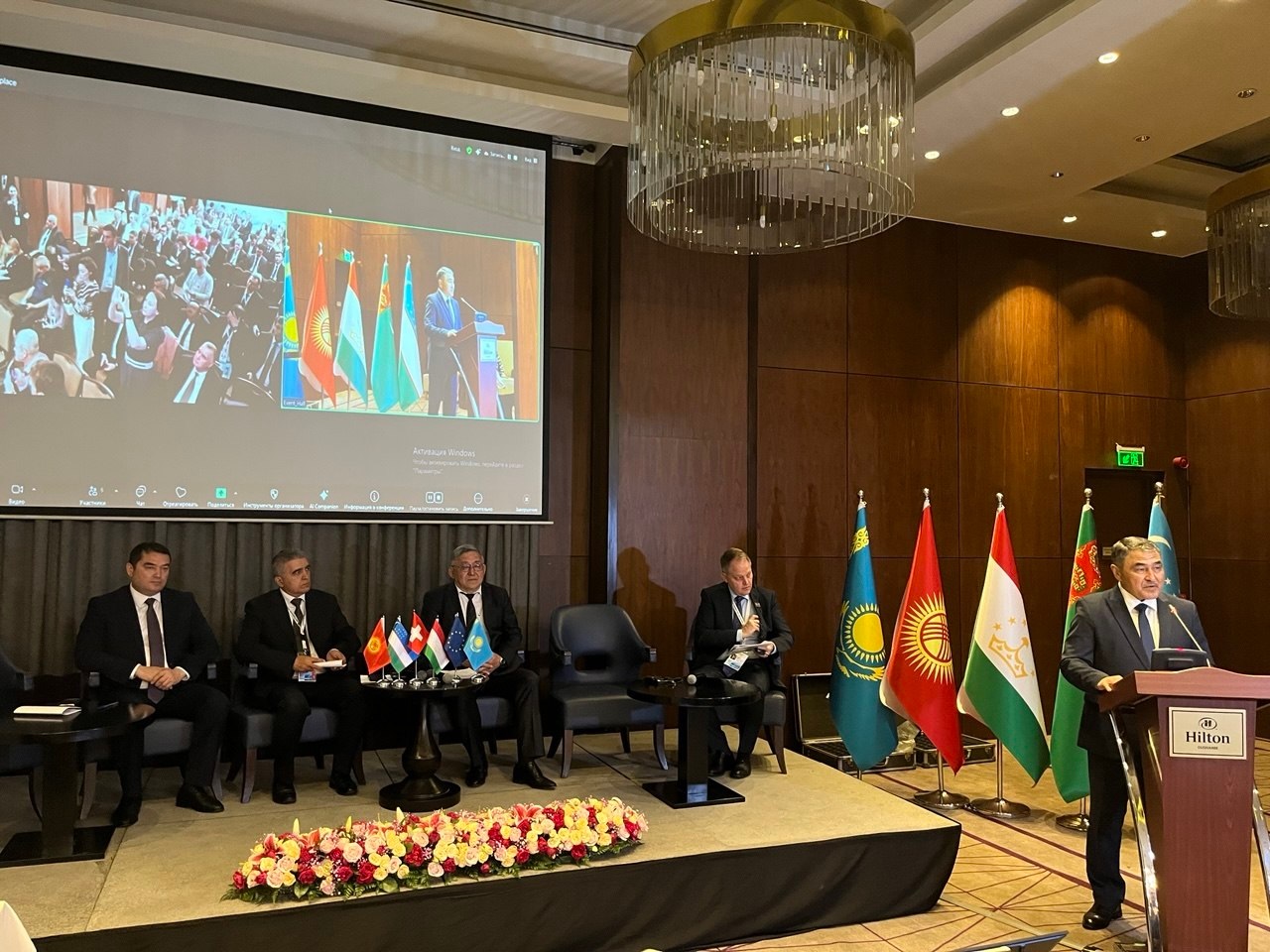
D. Shoimzoda, Deputy Minister of Energy and Water Resources of the Republic of Tajikistan, outlined priority areas for joint work, including improving the operations of the IFAS, developing the region’s hydropower potential, mobilizing investments for water management organizations, digitalization of the BWO Amu Darya and BWO Syr Darya, as well as strengthening scientific and educational capacity in the water sector.
Sh. Khamraev, Minister of Water Management of the Republic of Uzbekistan, presented Uzbekistan’s experience in implementing water-saving measures, advancing digitalization, and consistent reforms in the water sector in recent years. Particular attention was paid to the transfer of the IFAS chairmanship to Uzbekistan, the implementation of the Decade of Action for Sustainable Water Management 2026–2036, and the need to make regional water cooperation more sustainable, modern, and predictable.
A. Dzhailoubaev, Deputy Director of the Water Resources Service of the Kyrgyz Republic, emphasized the importance of moving from legal and diplomatic discussions to practical measures based on science-driven and results-oriented initiatives. He highlighted the need to establish strong national-level water governance as a foundation for effective regional cooperation, as well as the Kyrgyz Republic’s responsible and predictable engagement in international water relations. Particular emphasis was placed on the importance of pragmatic, science-based, and sensitive dialogue on key issues of regional water cooperation.
The next session focused on Central Asia’s engagement in global water processes and was moderated by the Director of SIC ICWC, D. Ziganshina, co-coordinator of the “Water Governance and Diplomacy” theme at the 11th World Water Forum. The discussion focused on how Central Asia’s experience in transboundary water cooperation can be effectively presented on the global water agenda, including the UN 2026 Water Conference, the 11th World Water Forum, the World Bank’s Water Forward initiative, and other international processes.
During the session, participants emphasized that Central Asia has accumulated significant experience in water sharing, operation of basin organizations, data development, and the strengthening of legal and institutional frameworks. Additional areas highlighted included climate change adaptation and the search for a balanced approach between water, energy, food, and environmental. It was noted that this experience can make an important contribution to global discussions on water cooperation, sustainability, and conflict prevention.
Participation of SIC ICWC in the pre-conference forum is also linked to its role in coordinating Theme 4, “Water Governance and Diplomacy,” as part of the preparations for the 11th World Water Forum. In this context, the pre-conference forum served as an important platform for discussing which regional practices, lessons, and proposals from Central Asia could be integrated into international processes and presented to a broader global audience.
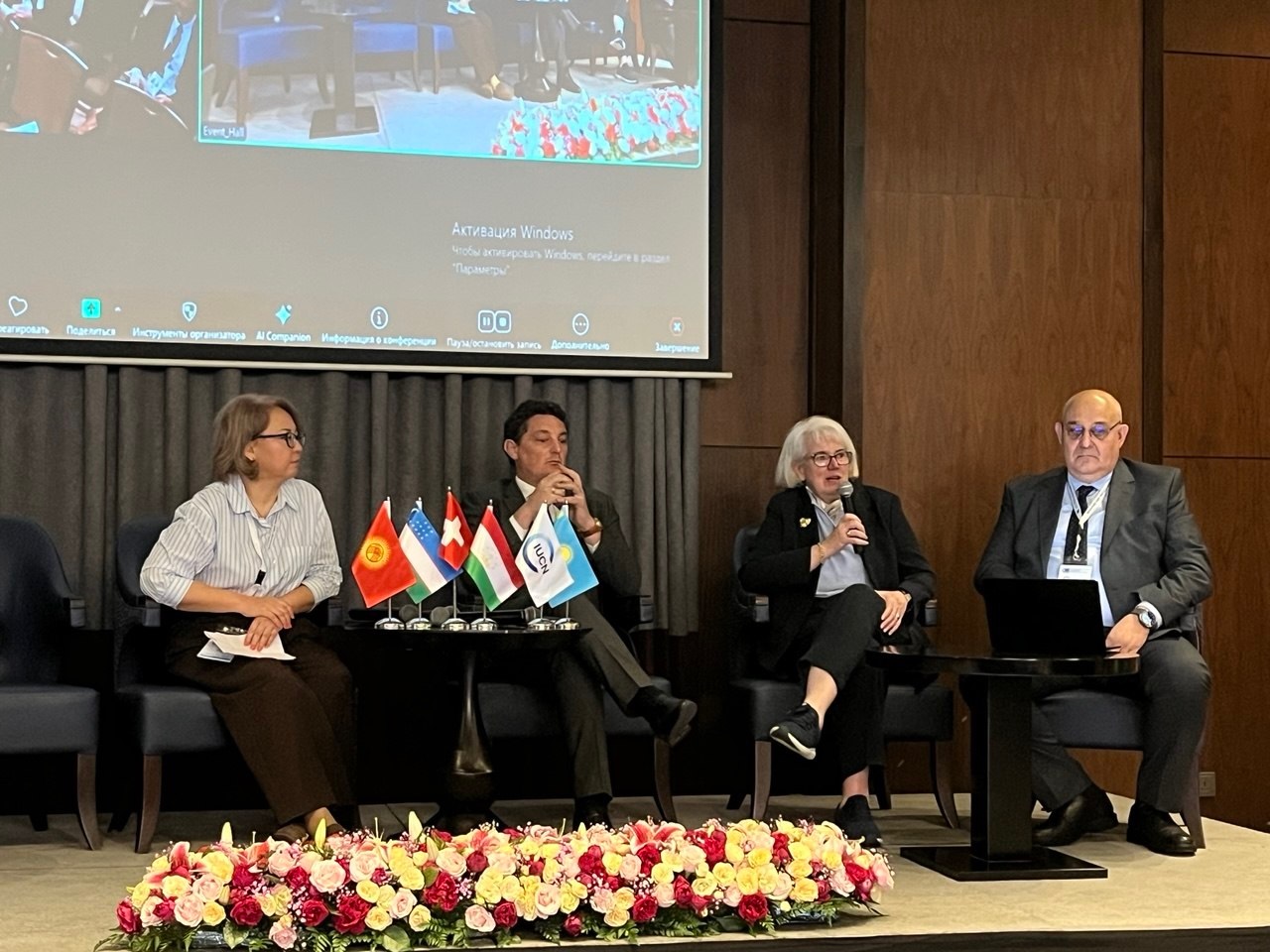
During the World Bank’s session on digitalization for a sustainable water economy and decision-support tools, SIC ICWC presented its work on developing modeling and analytical approaches for water assessment and scenario planning. In particular, the presentation highlighted the results and potential applications of the WEAP и LEAP models , as well as the modeling and decision-support tools being developed under the IKI Nexus project. These include optimization and simulation models for hydropower cascade operations, flow distribution systems, and tools for assessing water-energy coordination scenarios.
Subsequent sessions of the pre-conference forum addressed issues related to the water sector’s adaptation to climate change and water scarcity, digitalization for a sustainable water economy, institutional cooperation, and basin-level coordination. Particular attention was paid to water accounting, monitoring, modeling, forecasting, and decision-support systems, as well as to both formal and informal cooperation mechanisms at the basin level.
Following the discussions, participants noted the need to further strengthen regional dialogue, develop digital and science-based tools, support basin organizations, expand education and awareness-raising programs on water conservation, and more actively promote Central Asia’s experience within the global water agenda.
SIC ICWC will continue promoting expert and intergovernmental dialogue, building the capacity of regional institutions, and advancing practical solutions for sustainable and predictable transboundary water cooperation in Central Asia.
More about the IKI-Nexus project
More about the “Water-Energy Nexus Systems Modeling”