
No. 53 (714) June 2026
Tashkent Hosts the Second Meeting of the Termez Dialogue on Connectivity between Central and South Asia
On 4 June 2026, Tashkent hosted the second meeting of the Termez Dialogue on Connectivity between Central and South Asia under the theme “Peace, Connectivity and Resilience: Shaping the Foundations of Shared Prosperity.”
The event was as a follow up of Uzbekistan’s efforts to promote interregional cooperation, strengthen trust, and enhance practical connectivity between Central and South Asia. The Dialogue aimed to move beyond conceptual discussions of shared challenges toward identifying practical areas of cooperation capable of delivering tangible benefits for the states, economies, and societies of both regions.
The meeting brought together representatives of government institutions, international and regional organizations, the diplomatic corps, think tanks, expert communities, and development partners. The high level of participation reflected the growing recognition of the Termez Dialogue as an inclusive platform for discussing peace, sustainable development, economic connectivity, climate adaptation, and humanitarian cooperation.
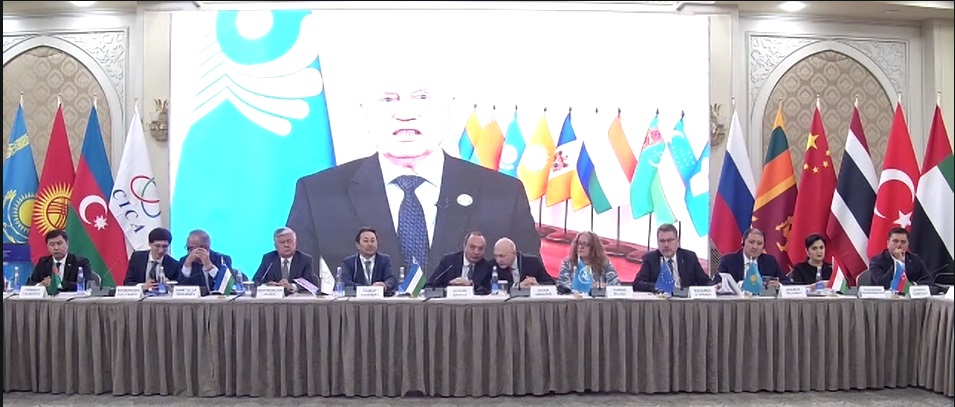
The opening ceremony and plenary session focused on political dialogue and economic connectivity as foundations for sustainable regional development. Participants emphasized that trust does not emerge in the abstract; rather, it is built through regular dialogue, predictability, practical cooperation, and a shared commitment to stability.
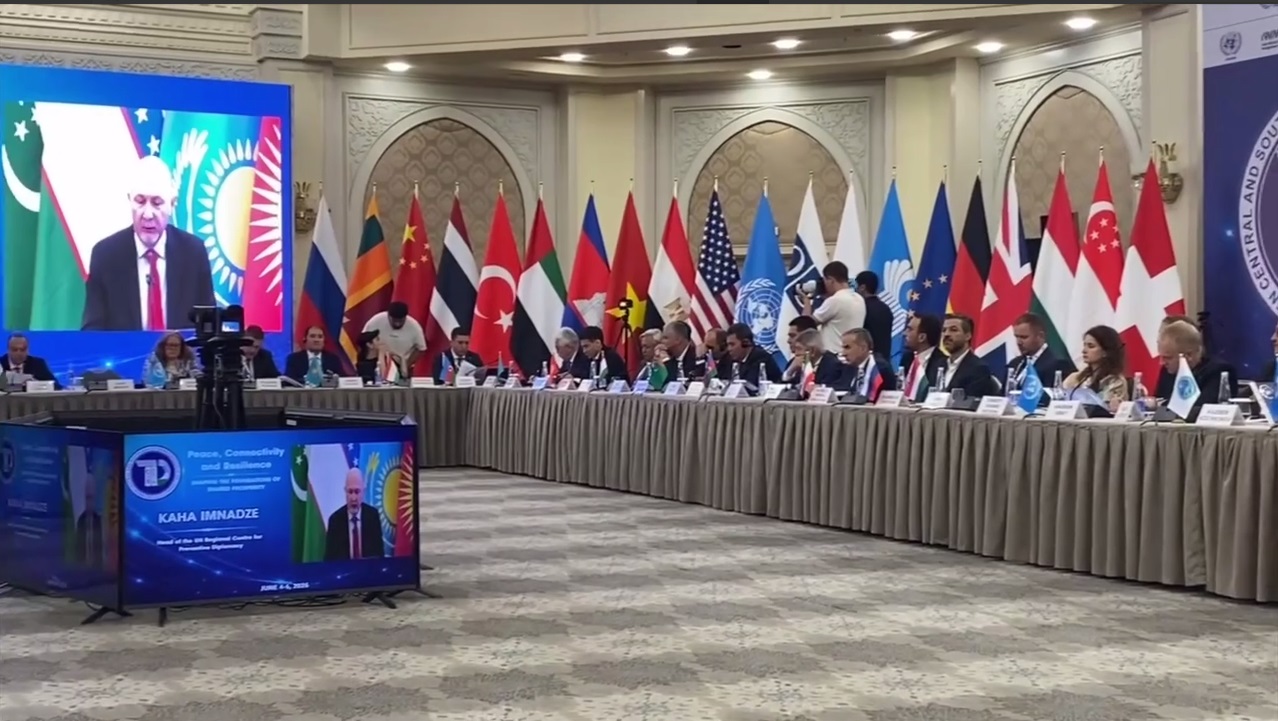
Particular attention was paid to trade, transport, logistics, and energy as key drivers of closer ties between Central and South Asia. Participants noted that pragmatic economic connectivity can help reduce barriers, expand markets, strengthen supply-chain resilience, and create long-term incentives for cooperation among states. Annual trade turnover between Central and South Asian countries has already reached USD 13 billion.
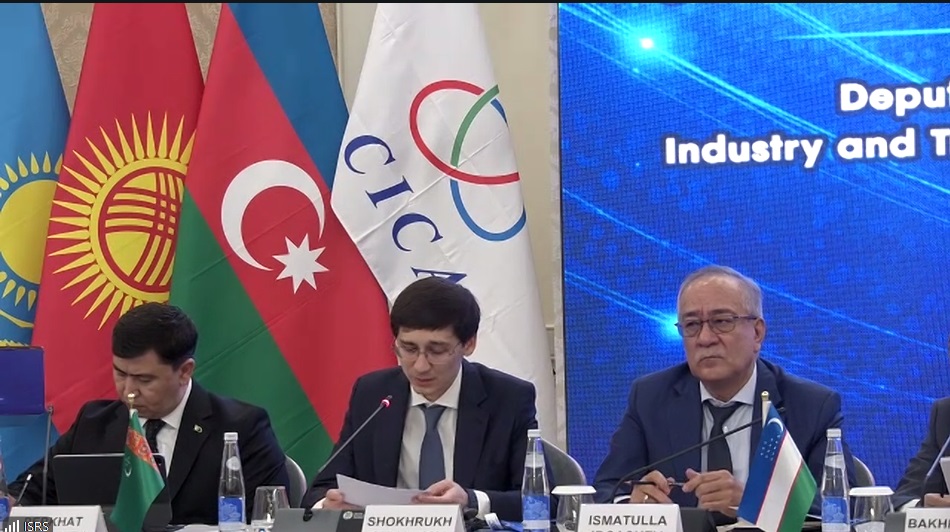
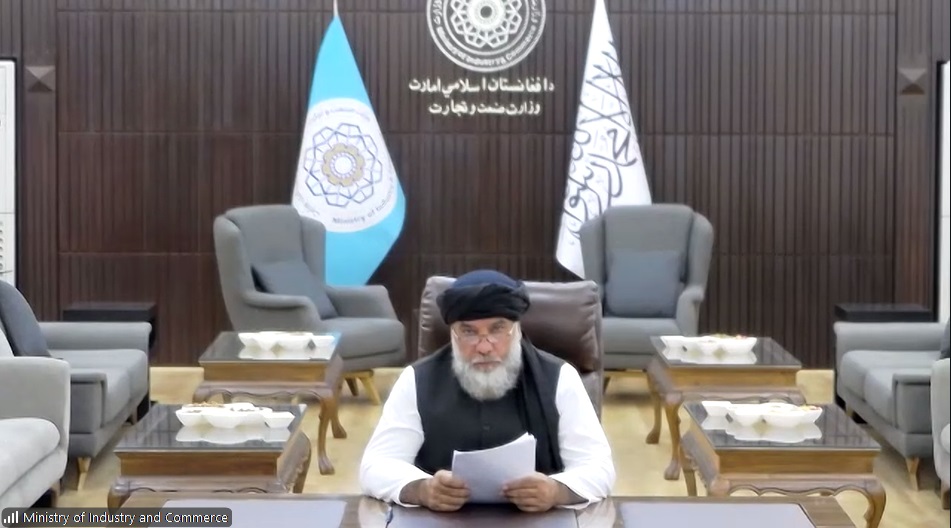
Special attention was also devoted to the role of Afghanistan as a natural bridge between Central and South Asia. Participants stressed that sustainable interregional connectivity cannot be achieved without the gradual integration of Afghanistan into economic, transport, humanitarian, and climate-related processes. Discussions therefore focused not only on Afghanistan’s transit potential and market access opportunities but also on the broader objective of creating a framework of practical cooperation, trust, and shared interests in stability around the country. Such an approach allows Afghanistan to be viewed not as a source of risk, but as an essential component of a future architecture of peace, connectivity, and sustainable development linking the two regions.
The first thematic session “Joint Climate Adaptation and Strengthening Environmental Resilience” examined common climate and environmental challenges facing Central and South Asia, their implications for water, food, and energy security, and the need to develop early-warning systems, data-sharing mechanisms, climate finance instruments, and joint adaptation initiatives.
In her presentation, Ms. D.R. Ziganshina, Director of SIC ICWC of Central Asia, presented the key findings of a study on the climate resilience of water infrastructure in the Syr Darya River Basin. The study was conducted with the support of GIZ and in cooperation with national experts from Kazakhstan, Kyrgyzstan, Tajikistan, and Uzbekistan within the framework of the Syr Darya Basin Dialogue.
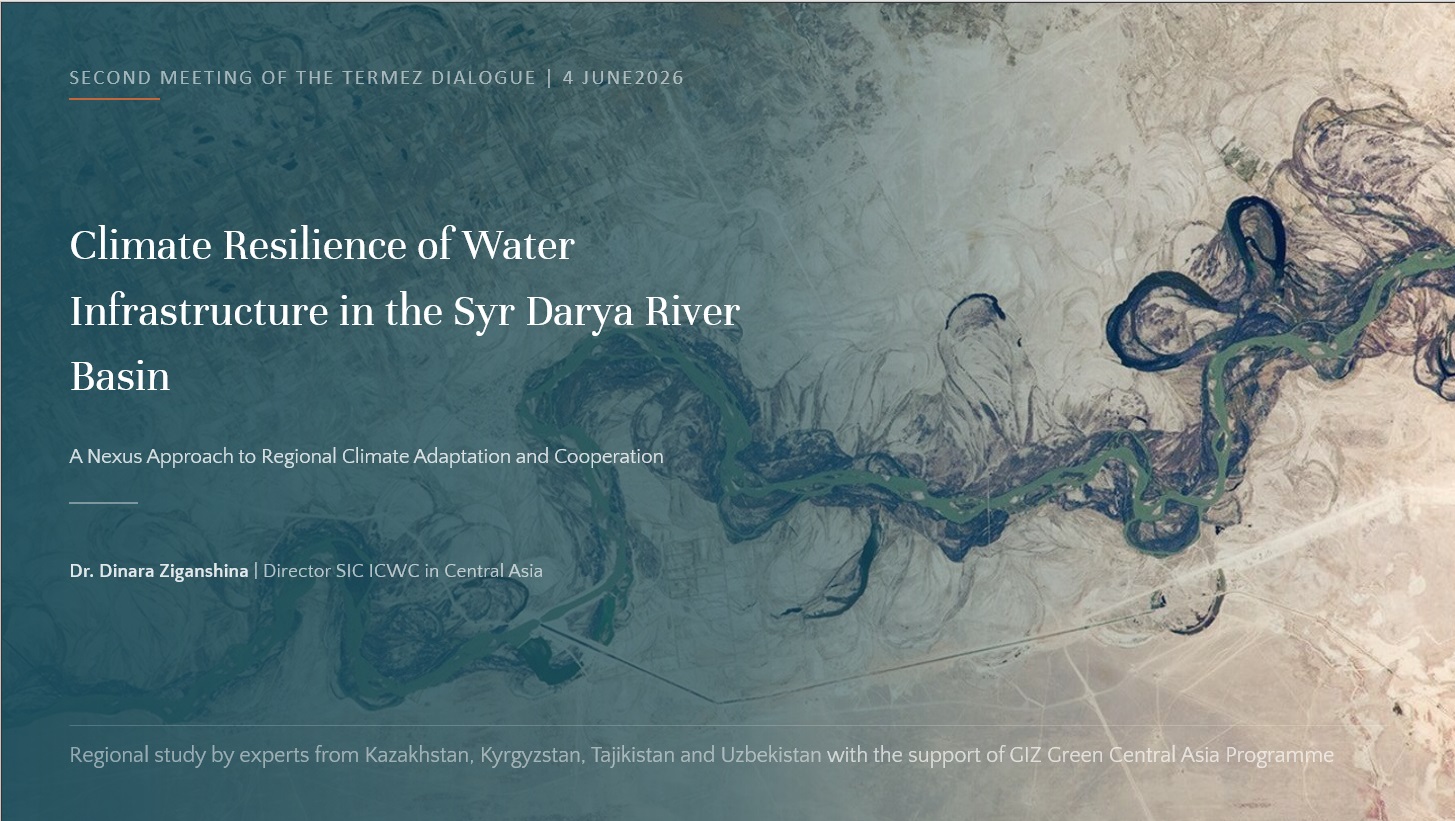
The presentation highlighted that climate change is revealing a new level of interdependence among regions, with water, energy, food, and environmental security becoming increasingly interconnected. Using the Syr Darya River Basin as an example, she emphasized that resilience depends not merely on individual infrastructure but on the coordinated functioning of the entire system—including infrastructure, data, forecasting capabilities, operational rules, digital monitoring, and interstate coordination. In this context, climate adaptation should be viewed as part of a broader agenda aimed at strengthening regional stability, trust, and practical interdependence.
The second thematic session focused on cultural and humanitarian cooperation as a foundation for trust and mutual understanding. Participants discussed the role of education, science, culture, youth exchanges, tourism, and human capital development in strengthening societal ties between Central and South Asia. It was underscored that economic initiatives require a strong social and humanitarian underpinning, and that sustainable cooperation cannot be achieved without mutual knowledge, respect, and trust among societies.
At the conclusion of the meeting, participants noted that the Termez Dialogue is emerging as an important platform for integrating the political, economic, climate, and humanitarian dimensions of interregional cooperation. Its unique value lies in providing a venue not only for discussing long-term strategic objectives but also for identifying practical mechanisms for their implementation.
A key takeaway from the event was that building trust remains the central challenge for both Central and South Asia. In this regard, the most effective instruments for fostering trust are pragmatic cooperation, economic connectivity, joint risk management, and concrete projects that generate mutual benefits while reinforcing a shared space of peace, resilience, and prosperity.