
No. 55 (716) June 2026
Seminar for a Regional Working Group on Water Quality
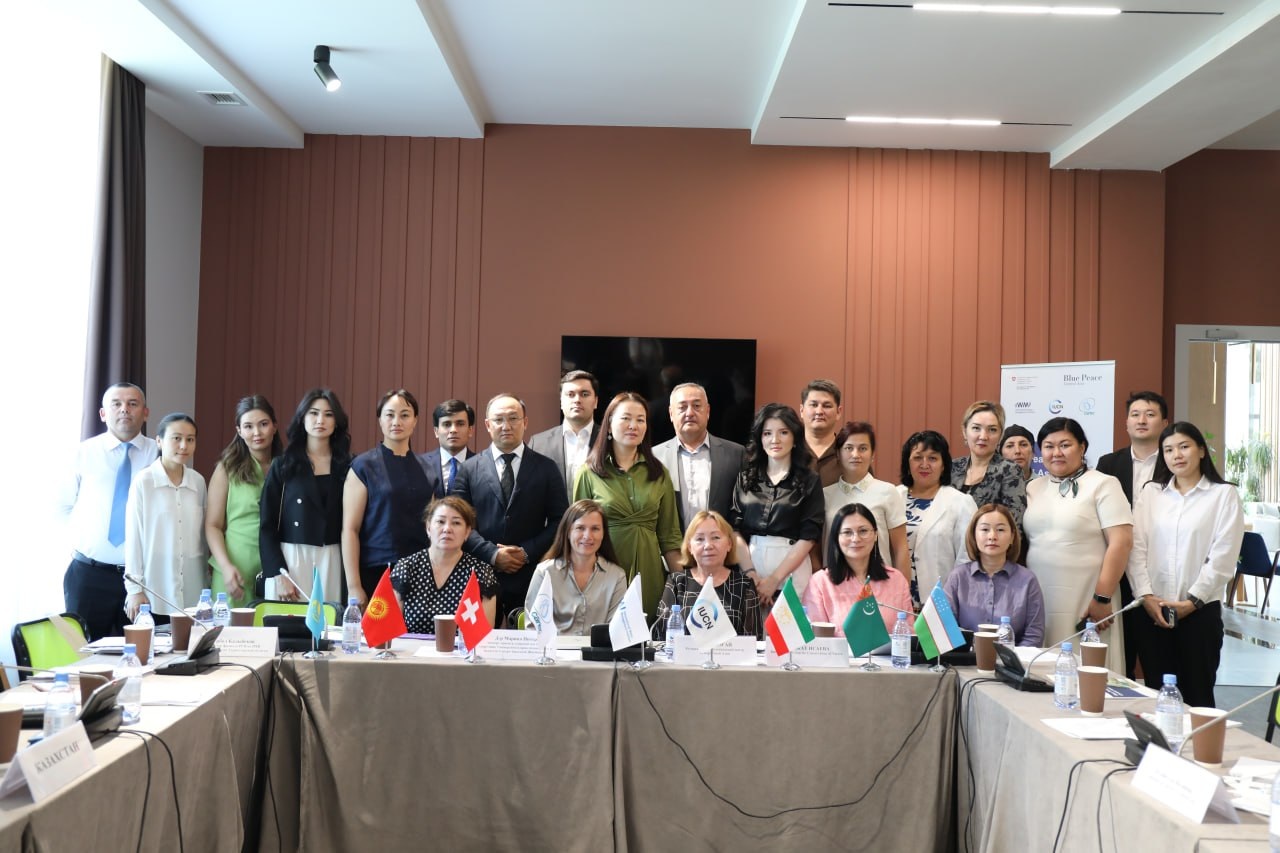
On June 3–4, 2026, in Shymkent, Republic of Kazakhstan, representatives of SIC ICWC took part in a seminar held for the Regional Working Group on Water Quality (RWG-WQ).
The event was organized as part of the Blue Peace Central Asia project by the International Water Management Institute (IWMI) and the International Union for Conservation of Nature (IUCN), in partnership with the Regional Environmental Centre for Central Asia (CAREC), with financial support from the Swiss Agency for Development and Cooperation (SDC). The project aims to facilitate evidence-based policy dialogue and promote equitable, climate-resilient management of shared water resources in Central Asia, with particular attention to water quality issues.
The seminar brought together representatives of environmental and water management agencies from the Republic of Kazakhstan, the Kyrgyz Republic, the Republic of Tajikistan, Turkmenistan (online), and the Republic of Uzbekistan (online). SIC ICWC was represented by Zulfiya Yarullina and Matluba Rakhimova.
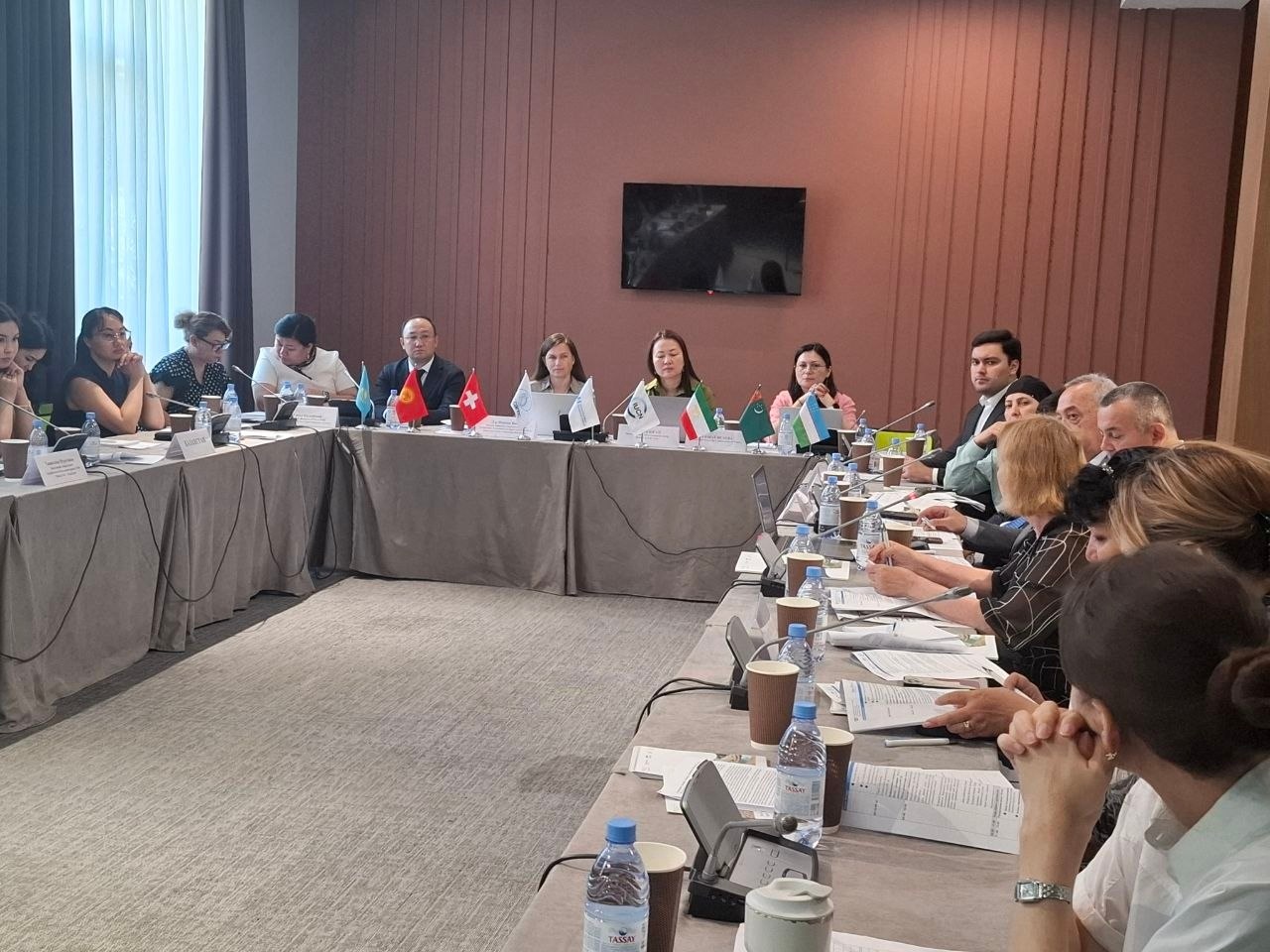
The main objective of the seminar was to identify priority areas for implementation of the RWG-WQ strategic agenda, which focuses on the development of a flexible, risk-based methodology for monitoring and assessing the condition of surface waters.
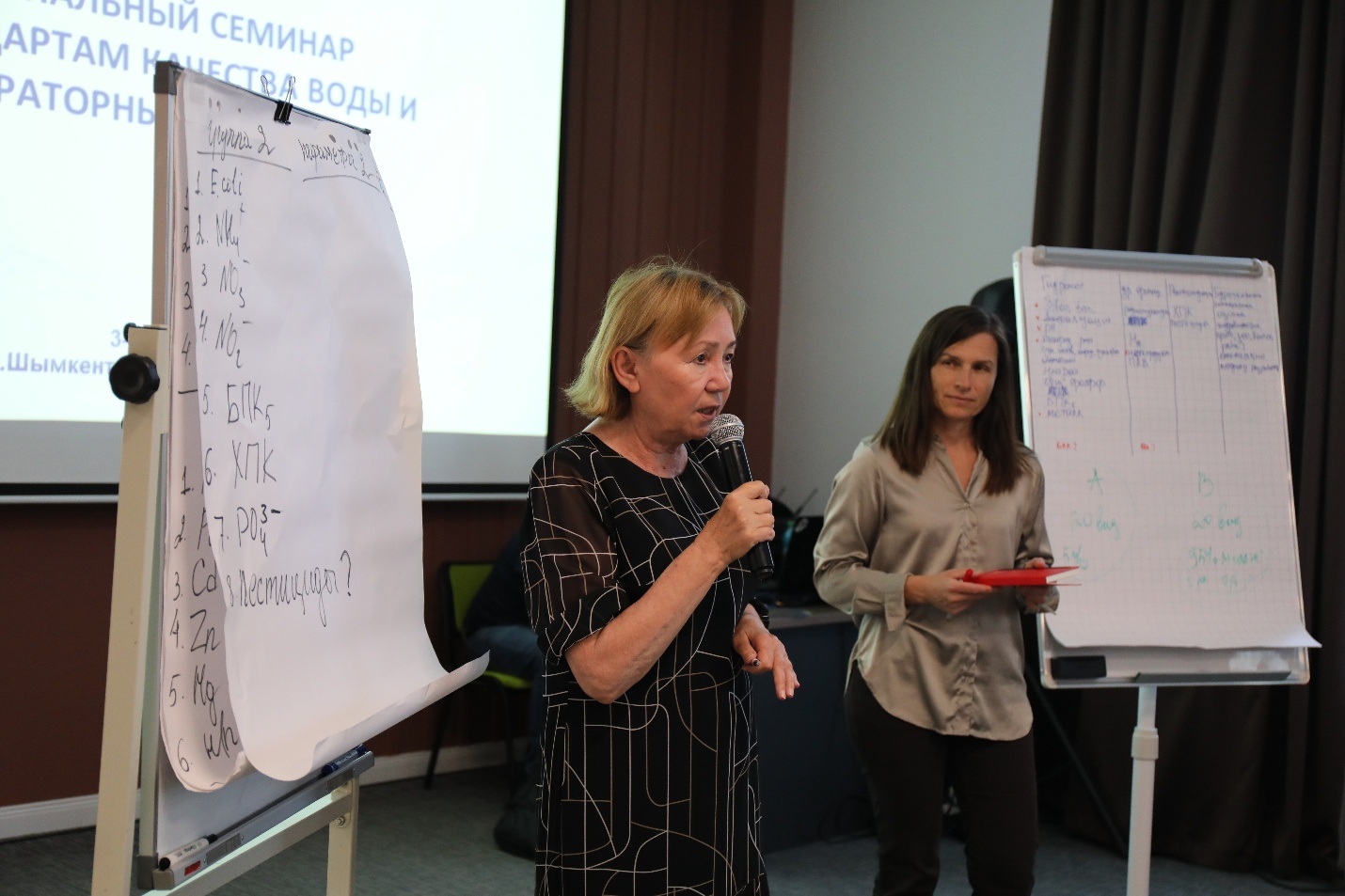
During the seminar, participants became familiar with the water quality monitoring systems of Switzerland and Central Asian countries. International experts presented experiences of the Baltic Marine Environment Protection Commission and the International Commission for the Protection of the Danube River. Discussions focused on the parameters currently used by Central Asian countries for surface water monitoring and on identifying the most representative indicators to support the development of a harmonized regional monitoring approach. Participants also learned about the Swiss methodology for comprehensive water assessment, which combines analytical evaluation of water samples with visual assessment of water body conditions.
As a result of the group discussions, participants developed a preliminary list of water quality monitoring parameters that was considered acceptable to all participating countries.
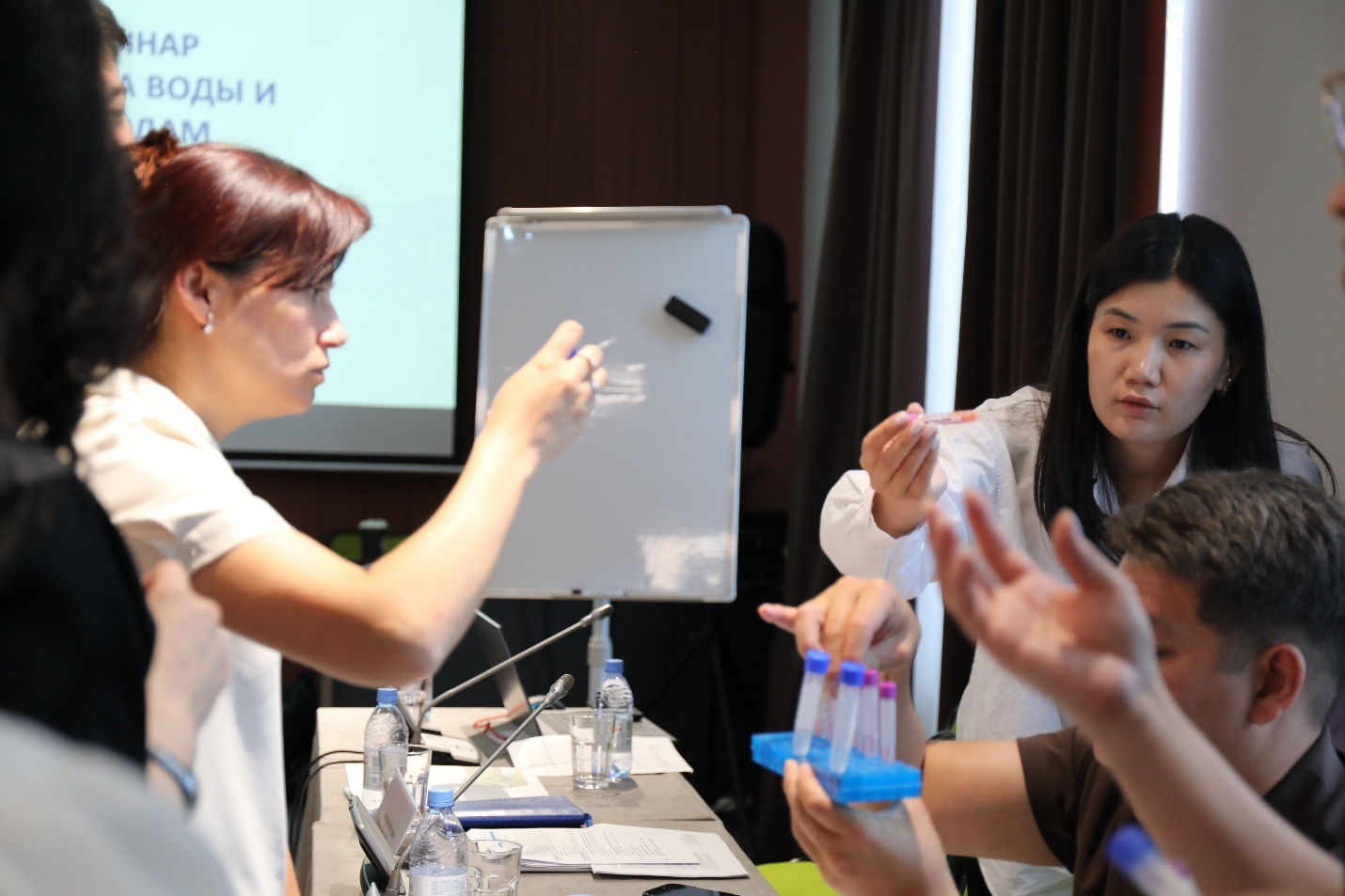
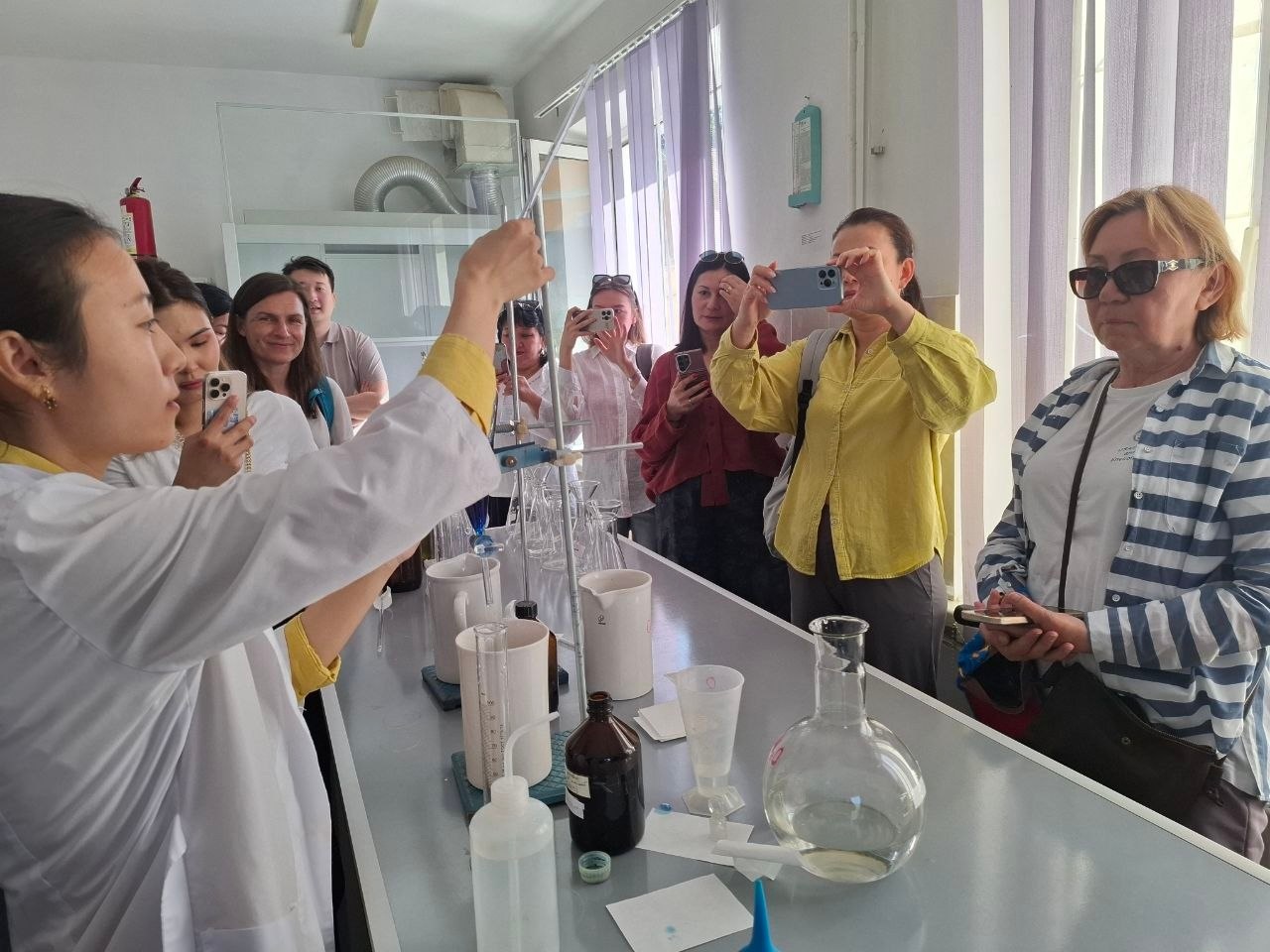
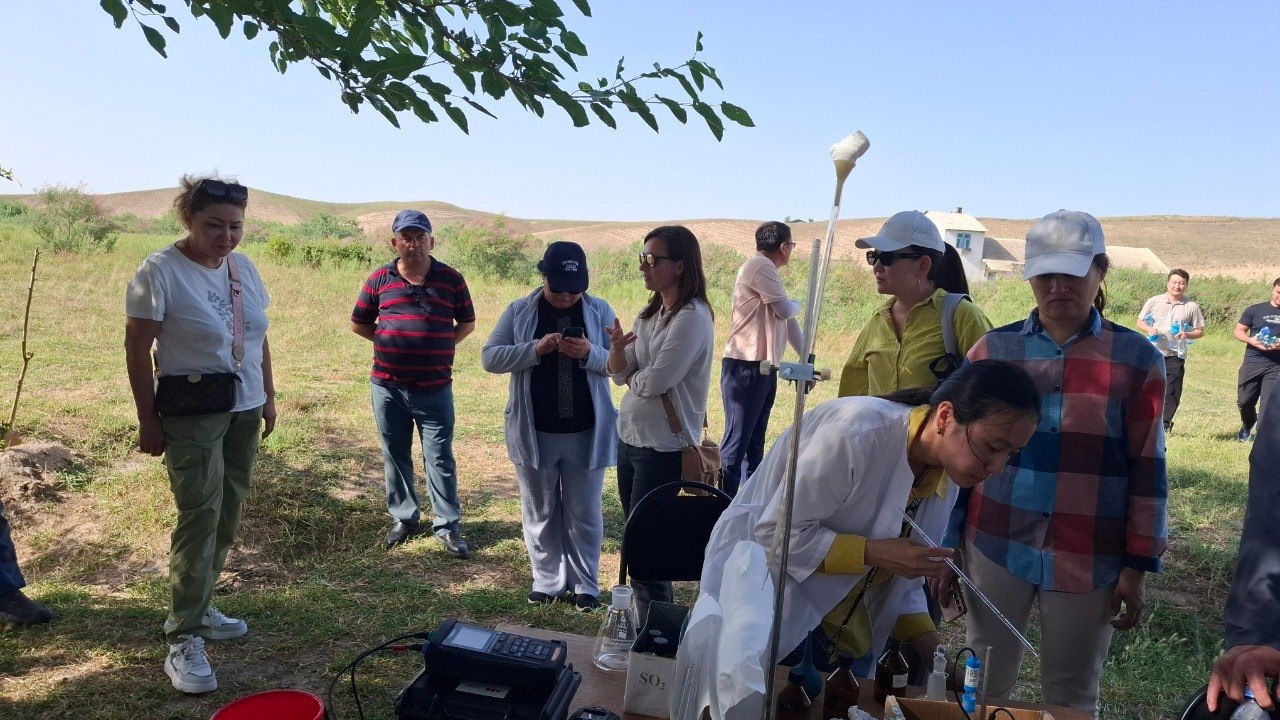
On the second day, participants visited the laboratory of the Turkistan provincial branch of the RSE “Kazhydromet”. The program also included a field trip to the Badam River, where participants conducted a visual assessment of the water body's condition and performed rapid water quality analysis using portable equipment.
The proposed methodology for visual assessment is simple and practical, incorporating indicators such as sediment load, water turbidity and color, presence of foam and odor, vegetation, and visible wastes. This approach can be applied to any water body and serves as a valuable complement to hydrochemical analysis.
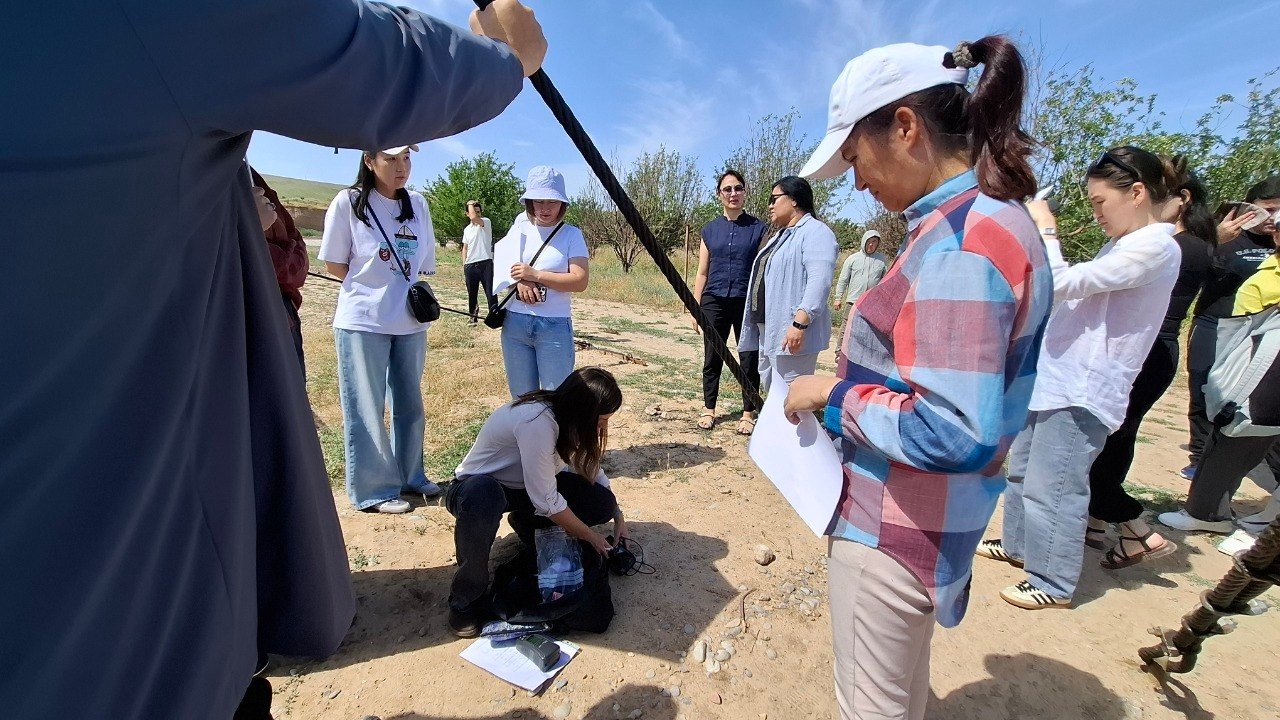
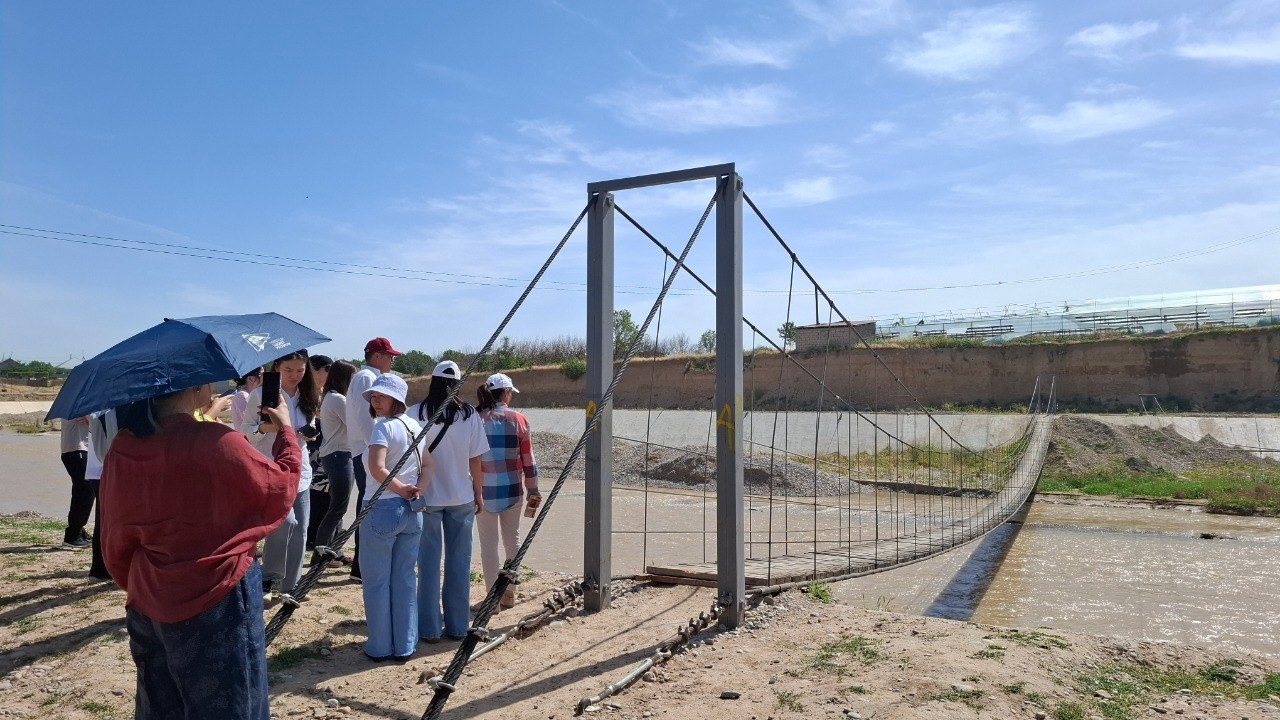
Gauging station on the Badam River, Shymkent
The program continued with a field visit to two monitoring sites on the Syr Darya River in Turkistan province, where participants collected water samples and carried out a visual assessment of water quality using the agreed methodology.
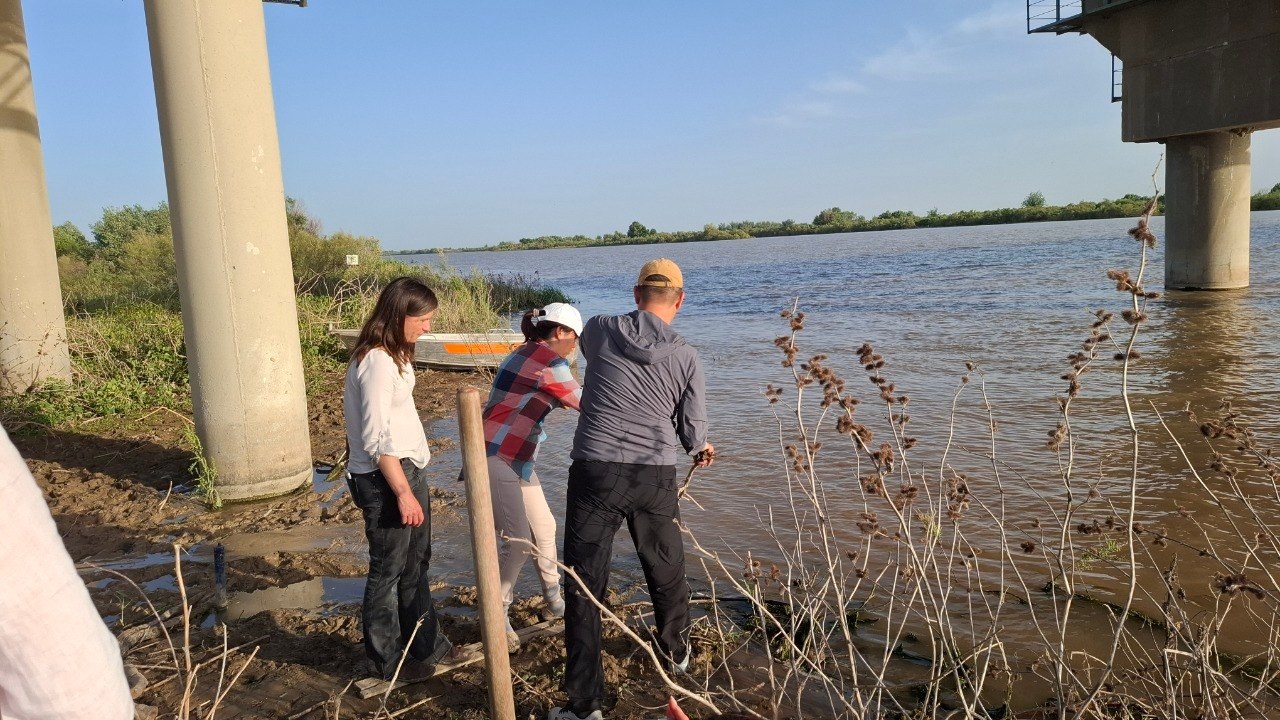
The Azatlyk gauging station and the bridge over the Syr Darya River along the Saryagach–Jetsay highway
Analysis of the first day. The “Kokbulak” gauging station, the Syr Darya River, left-bank - the Republic of Uzbekistan, right bank - the Republic of Kazakhstan
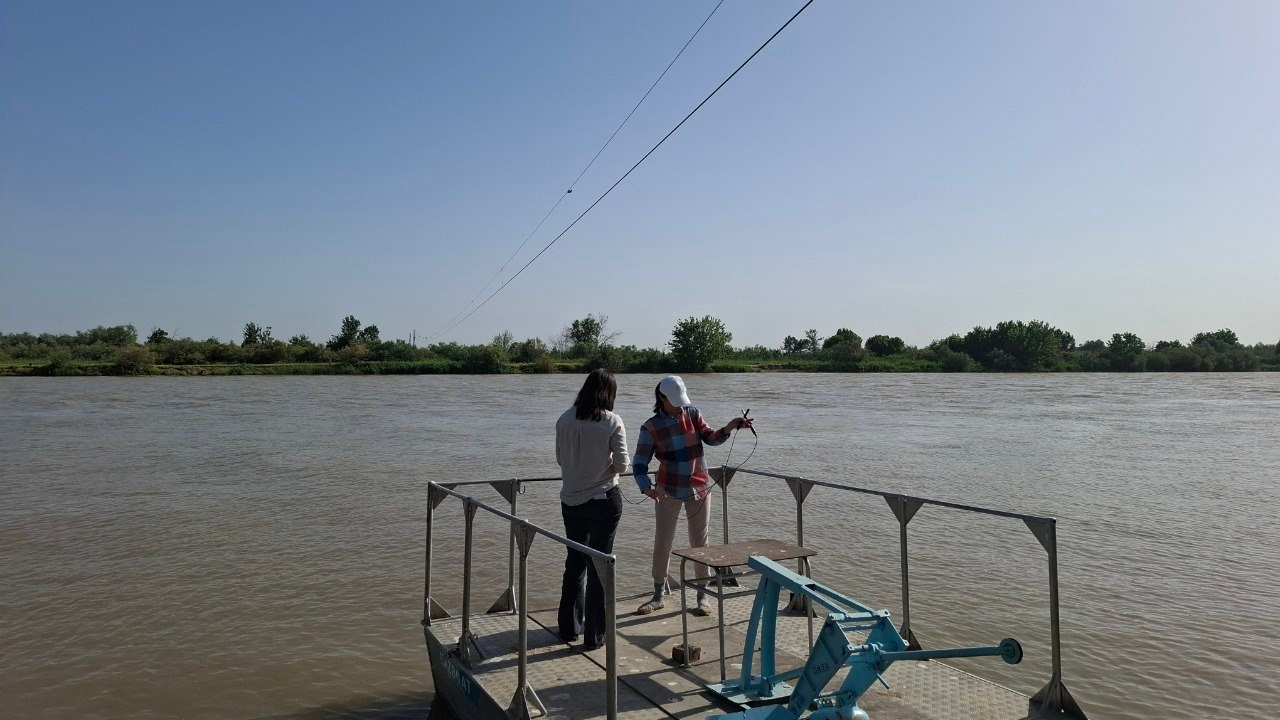
According to a local hydraulic engineer, the river discharge was approximately 540 m³/s at the time of the visit at the Kokbulak gauging station. Joint control measurements of river discharge are conducted every five days by representatives of relevant water management authorities of Uzbekistan and Kazakhstan.
During the field visit, experts from KazHydromet collected water samples for subsequent laboratory analysis. The collected samples were also transferred to UzHydromet for analysis through representatives of SIC ICWC.
In addition, rapid analysis of selected indicators was made using portable devices. Measured values included water temperature (20.5–21.2°C), salinity (727–730 mg/L), turbidity (110–127 NTU), and dissolved oxygen (6.93–7.35 mg/L). Based on the results of rapid analysis at two gauging stations, water quality in the Syr Darya River generally complied with established standards, with the exception of elevated turbidity levels, which were attributed to recent heavy rainfall.
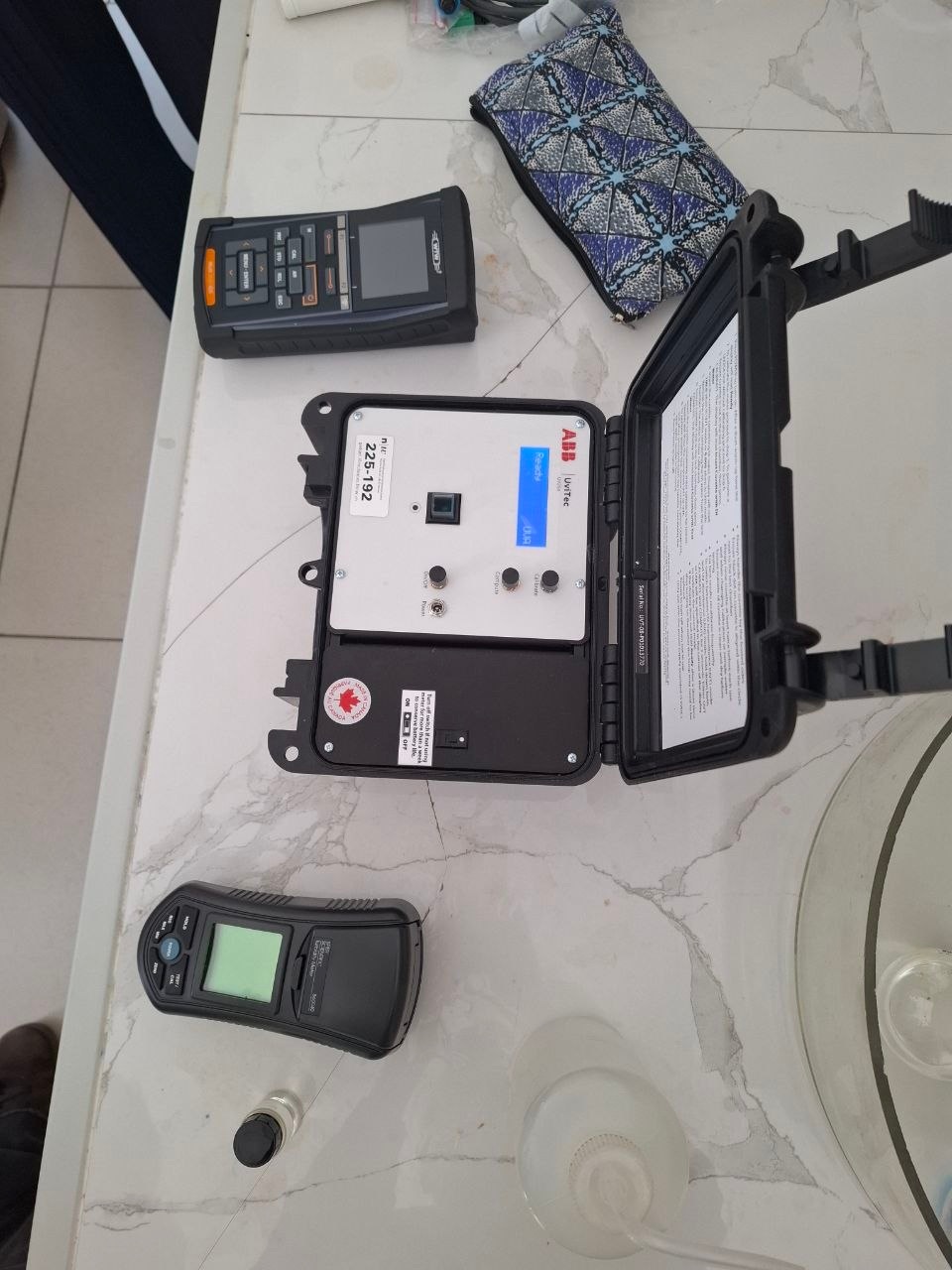
Following the completion of laboratory analyses, the results of the rapid analysis and laboratory tests will be compared using appropriate analytical methods.
Information on the models and technical specifications of the portable measuring instruments will be provided to interested stakeholders.
During the seminar, SIC ICWC presented proposals on promising areas for further development of water monitoring systems.
Overall, the seminar’s program proved highly effective due to its balanced combination of current theoretical approaches and field-based practices.