
No. 61 (722) June 2026
From Developing Agreements to Sustainable Cooperation: SIC ICWC Participated in the Water Convention’s Global Workshop in Budapest, Hungary
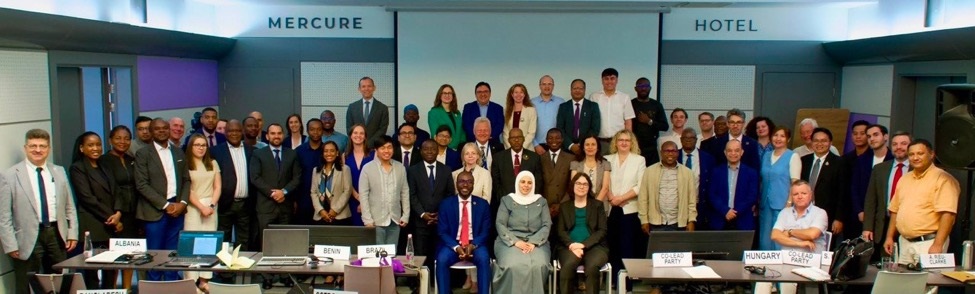
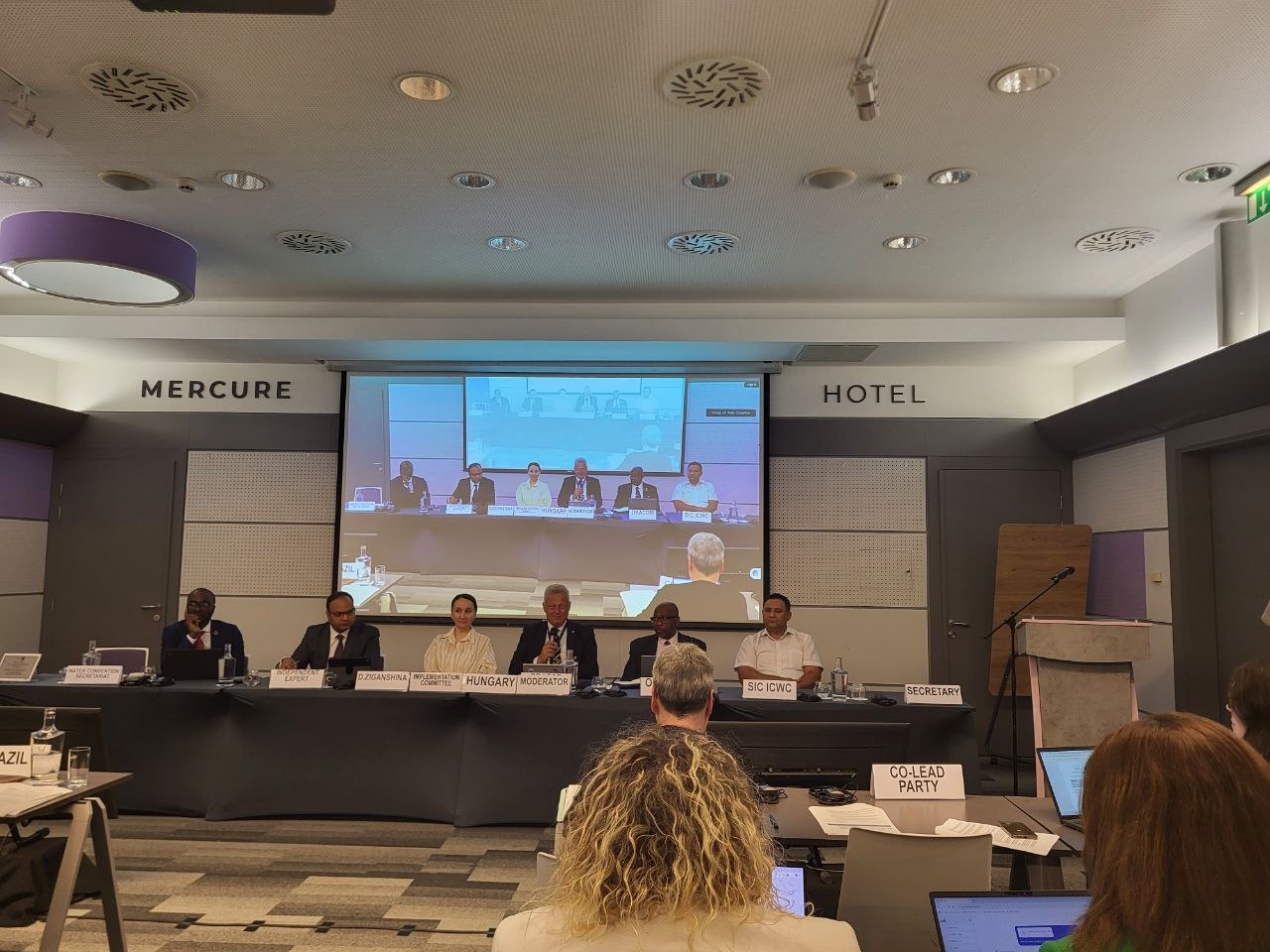
From 22 to 25 June 2026, Budapest, Hungary, hosted the Global Workshop on Developing, Revising, and Revitalizing Agreements or Other Arrangements for Transboundary Water Cooperation and the 19th Session of the Implementation Committee of the UN Water Convention.
The events brought together representatives of governments, international organizations, river basin organizations, the scientific community, and water practitioners from across the world. Discussions focused on the full cycle of transboundary water cooperation - from initiating negotiations and selecting appropriate legal and institutional frameworks to implementing, revising, and ensuring the long-term effectiveness of existing agreements
One of the key conclusions of the workshop was that there is no universal model for transboundary water cooperation. For some river basins, the optimal solution is an intergovernmental agreement with a clearly defined mandate for a joint body. In other cases, the path toward cooperation begins with joint research, technical arrangements, memorandums of understanding, or other policy instruments. The choice depends on hydrological conditions, the nature of relations between countries, the level of trust that has been built, institutional capacities, and the specific objectives of the cooperation.
At the same time, participants emphasized that an agreement should not be viewed as a one-time outcome of negotiations. Its real value becomes evident after it is signed - in the ability of the parties to implement its provisions, maintain regular dialogue, and respond in a timely manner to changing conditions. Effective agreements provide mechanisms for consultation, information exchange, joint assessment, implementation review, and the adjustment of procedures.
Particular attention was paid to the need to consider implementation at the earliest stages of developing the legal framework. For an agreement to function effectively, it is essential to define in advance the distribution of responsibilities, decision-making procedures, information-sharing arrangements, the role of joint bodies, sources of funding, and mechanisms for addressing emerging challenges. The agreement comes to life through effective institutions, well-defined procedures, and regular interaction among the parties.
Another important finding concerned the prevention of disagreements. Early consultations, transparent data sharing, joint assessments, and trust-based facilitation can help resolve emerging issues before they escalate into prolonged disagreements or disputes. This approach is particularly important in the context of climate change, new infrastructure, increasing pressure on water, and shifting socioeconomic priorities among countries.
Representing SIC ICWC, D. Ziganshina and Sh. Kenjabaev participated in the workshop. In her presentation, “Revitalizing Transboundary Water Agreements: From Legal Texts to Living Cooperation,” D. Ziganshina presented an approach emphasizing that agreements require not only an effective "entry point" for cooperation but also opportunities for the parties to return to dialogue in order to clarify provisions, update procedures, address implementation challenges, and adapt to new conditions.
As Chair of the Implementation Committee, D. Ziganshina also presented a practical vision of the Committee’s role in supporting States. She emphasized that the Committee can assist countries in developing and strengthening legal and institutional frameworks, as well as in addressing issues related to the implementation of existing agreements, within the framework of its non-confrontational and consultative mandate. Timely facilitative support can help parties maintain a constructive dialogue and prevent disagreements from escalating.
Regional experience from Central Asia was also presented by Shavkat Kenjabayev (SIC ICWC) in his presentation "Formalizing the Informal: Overcoming Misunderstanding in Outdated Agreements." He focused on contemporary approaches to improving transboundary water agreements in the context of climate change and presented the results of a study conducted as part of the Hydro4U project, including a methodology for assessing existing agreements, approaches to developing climate-resilient agreements, and the results of their testing in pilot transboundary river basins.
The workshop also included practical work in groups, during which participants analyzed real and simulated scenarios of transboundary cooperation using the Practical Guide for the Development of Agreements or Other Arrangements for Transboundary Water Cooperation. The groups discussed different stages of the negotiation process, approaches to drafting and updating agreements, mechanisms for institutional cooperation, as well as ways of incorporating climate risks, groundwater, and data exchange into the legal framework for transboundary water cooperation.
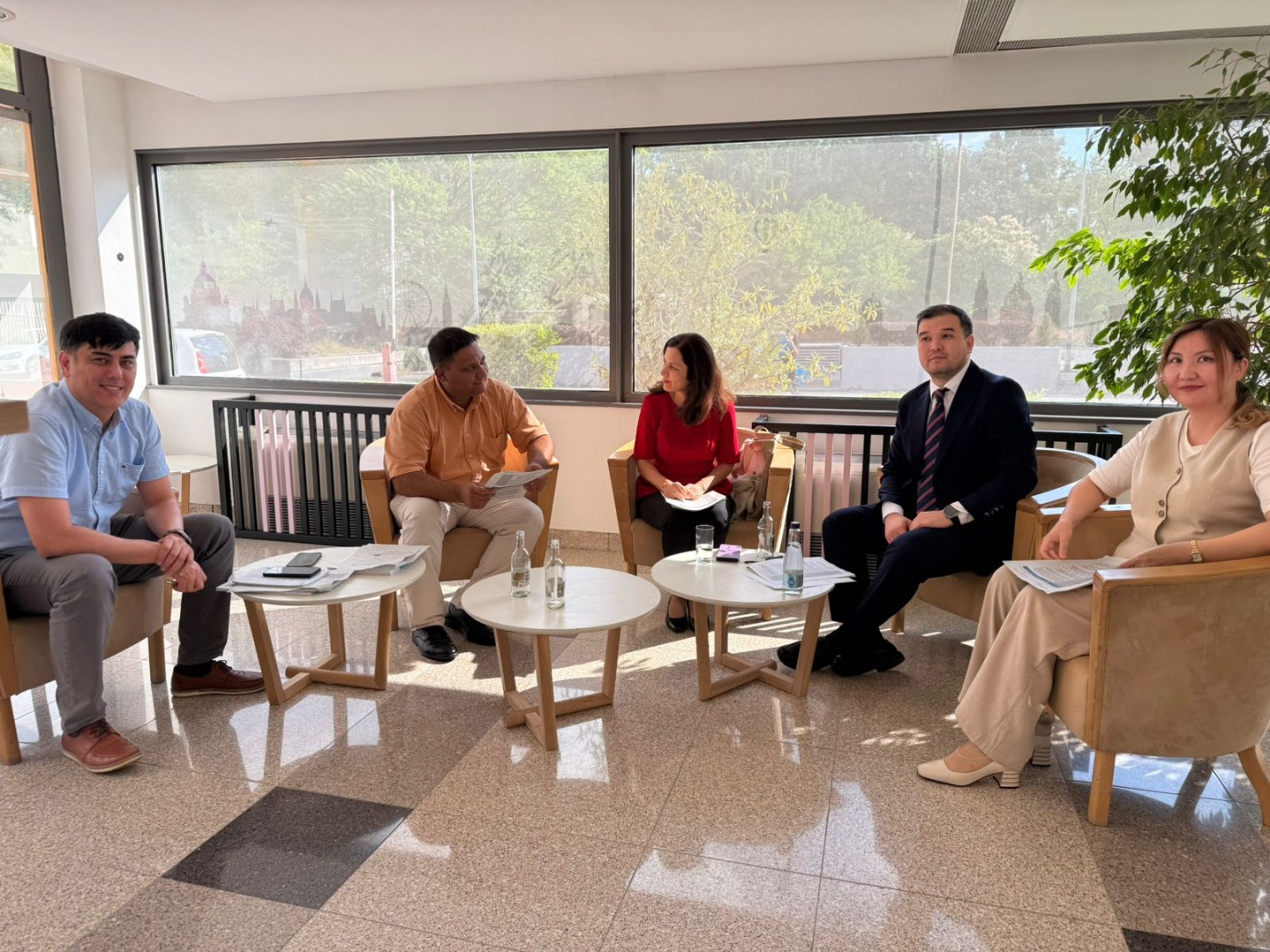
The results of discussions were presented during plenary sessions. Despite differences in approaches, participants reached a common conclusion: the success of transboundary agreements is determined not so much by the chosen legal modality as by the quality of negotiation process, the existence of sustainable joint institutions, mechanisms for regular dialogue, and the parties’ ability to adapt their agreements to changing natural, socioeconomic, and political conditions.
On 24-25 June, the 19th meeting of the Implementation Committee of the Water Convention was held under the chairmanship of D. Ziganshina. The Committee reviewed current issues related to its activities, progress in the implementation of previously issued recommendations, and further steps to provide advisory support to States on matters related to the implementation of the Convention.
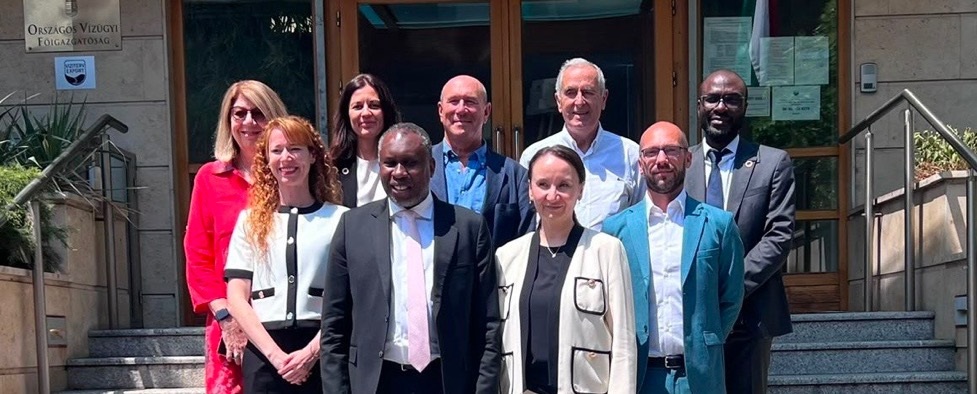
The participation of SIC ICWC in these events is consistent with its role as the regional information and analytical center of the ICWC. The experience gained will be used in preparation of analytical materials, development of regional dialogue, improvement of knowledge-sharing mechanisms, and support to practical solutions for enhanced water cooperation in Central Asia.