No. 64 (725) June 2026
SIC ICWC Takes Part in the first Expert Council Meeting on Water Sector Reforms in Uzbekistan
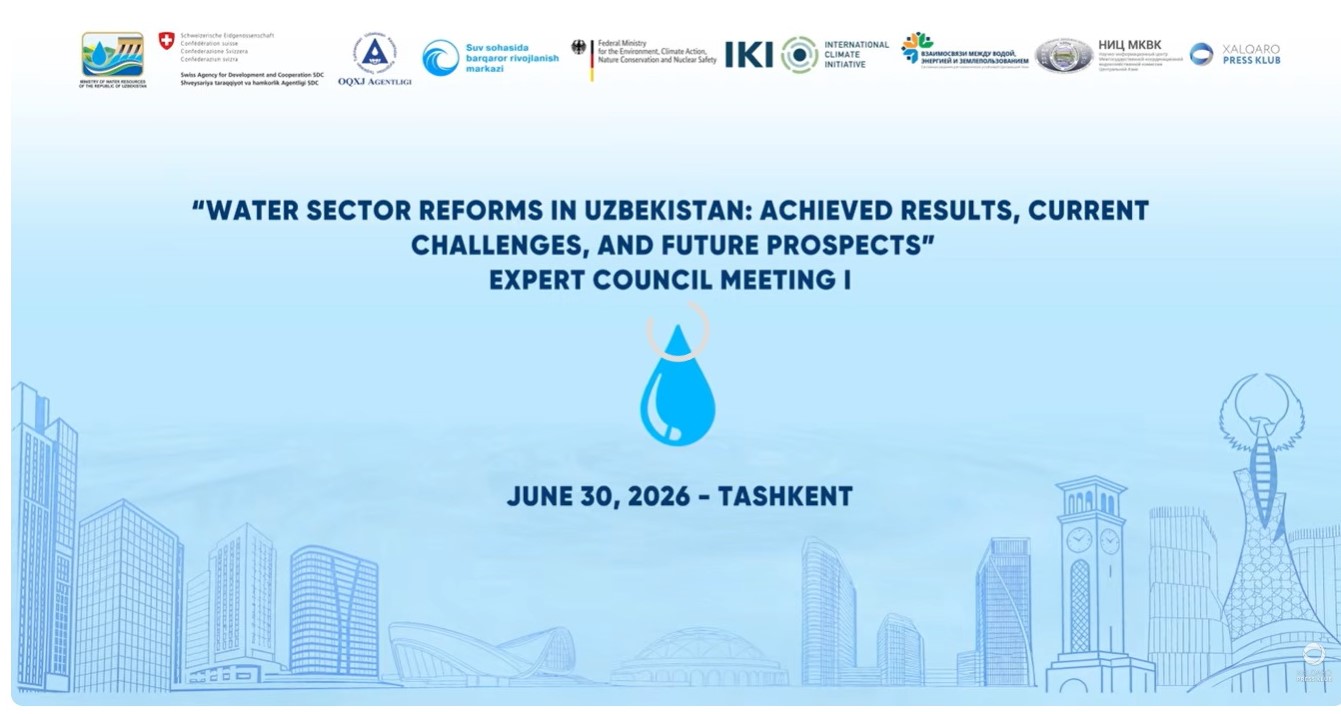
On 30 June 2026, the first Expert Council Meeting, "Water Sector Reforms in Uzbekistan: Achieved Results, Current Challenges and Future Prospects," was held in Tashkent. The event was hosted by the Center for Sustainable Development of the Ministry of Water Resources of Uzbekistan. The meeting was supported by SIC ICWC through the IKI project "Regional Mechanisms for a Low-Carbon and Climate-Resilient Transformation of the Energy-Water-Land Nexus in Central Asia" and by the Swiss Agency for Development and Cooperation (SDC).
The meeting brought together representatives of the Ministry of Water Resources, the Center for Sustainable Development, the National Committee for Environment and Climate Change, SIC ICWC, TIIAME National Research University, scientific and international organizations, as well as leading researchers and independent experts in the water sector.
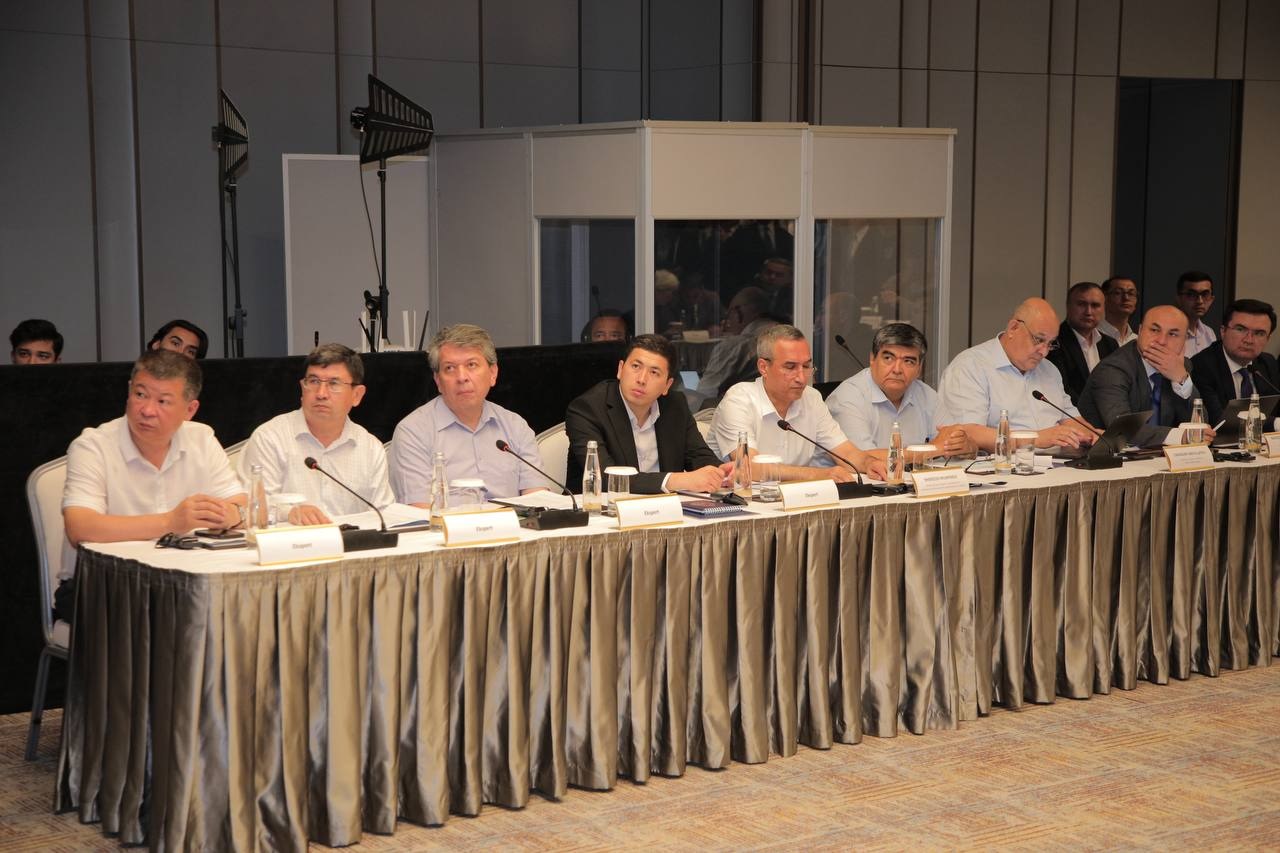
The meeting aimed to conduct a comprehensive analysis of the reforms implemented under Presidential Resolution No. PP-183 of October 13, 2025 and the "Uzbekistan–2030" Strategy, assess progress in improvement of water management, adoption of water-saving technologies, and discussed evidence-based recommendations to strategic water decision-making.
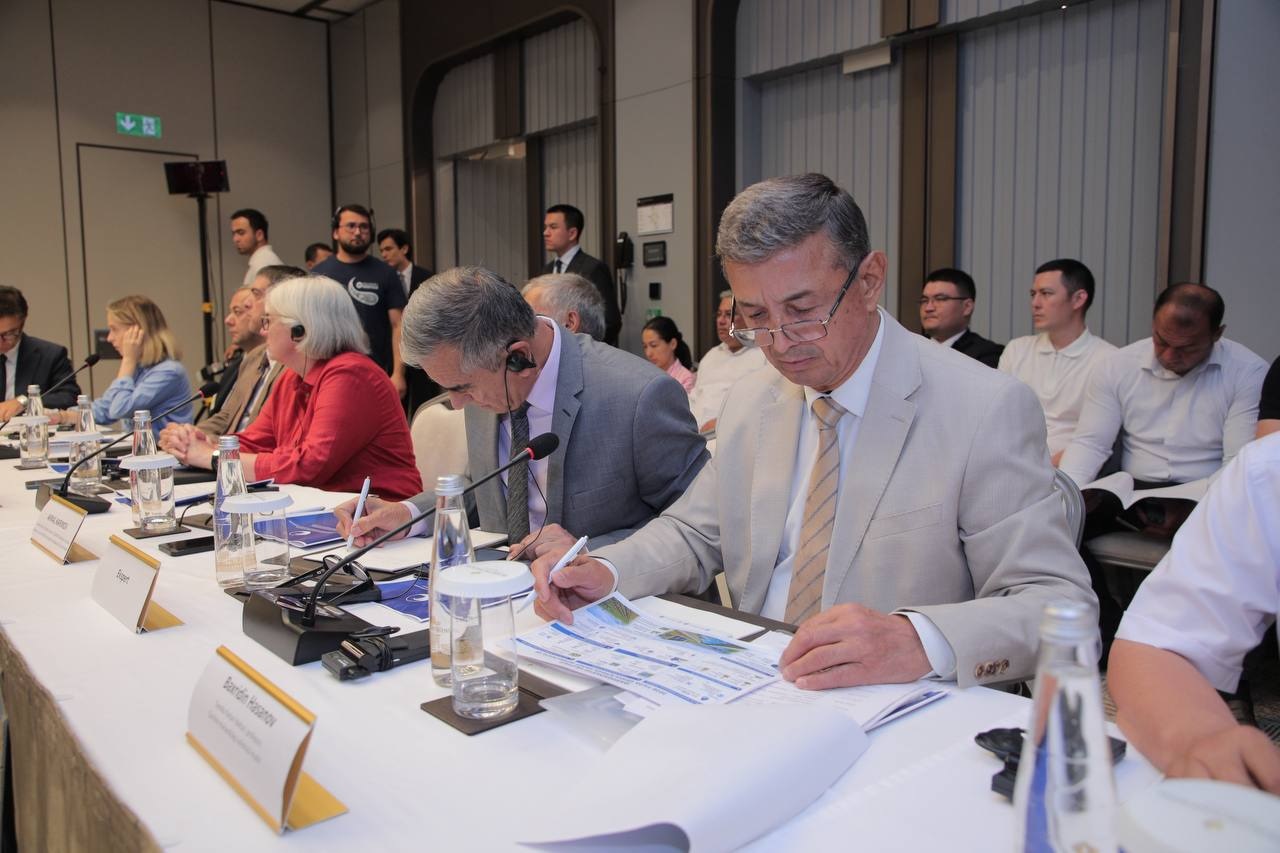
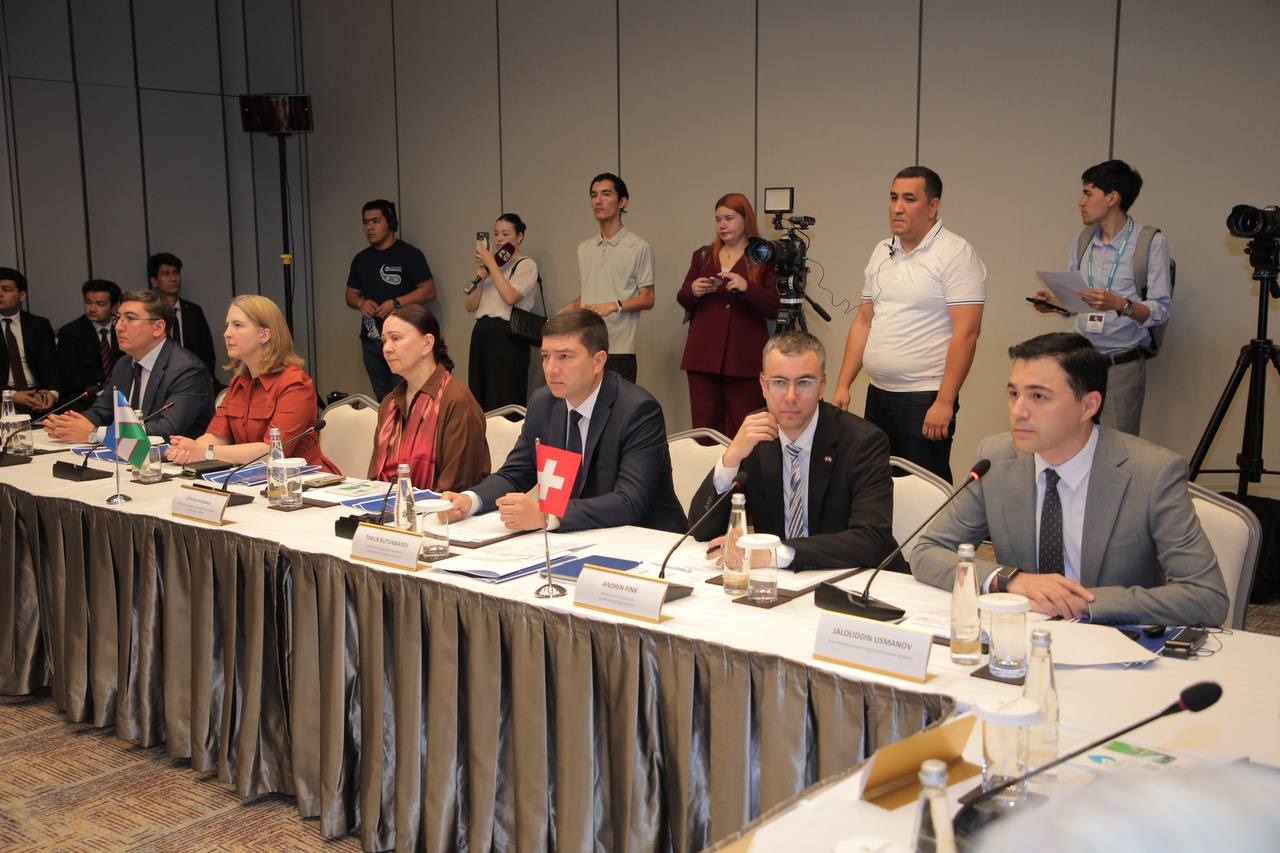
The meeting was opened by Timur Butunbaev, Deputy Head of the Administration of the President of the Republic of Uzbekistan, who welcomed the participants and expressed his appreciation for their attendance at the first Expert Council Meeting.
Speeches were also delivered by Andrin Fink, Head of Cooperation, SDC; A. Salokhiddinov, Deputy Rector of TIIAME National Research University; B. Ruzikhodjaev, project officer of the Asian Development Bank; I. Abdullaev, representative of the International Water Management Institute (IWMI); and other experts.
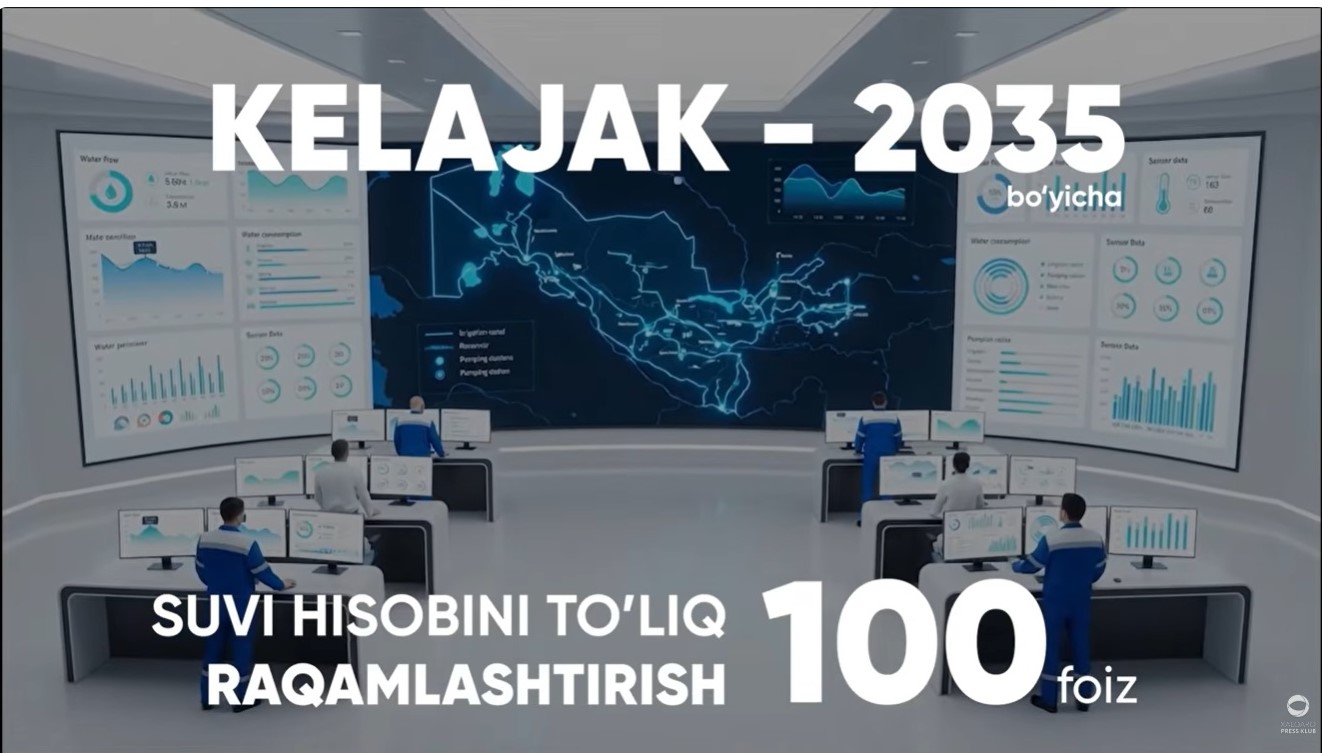
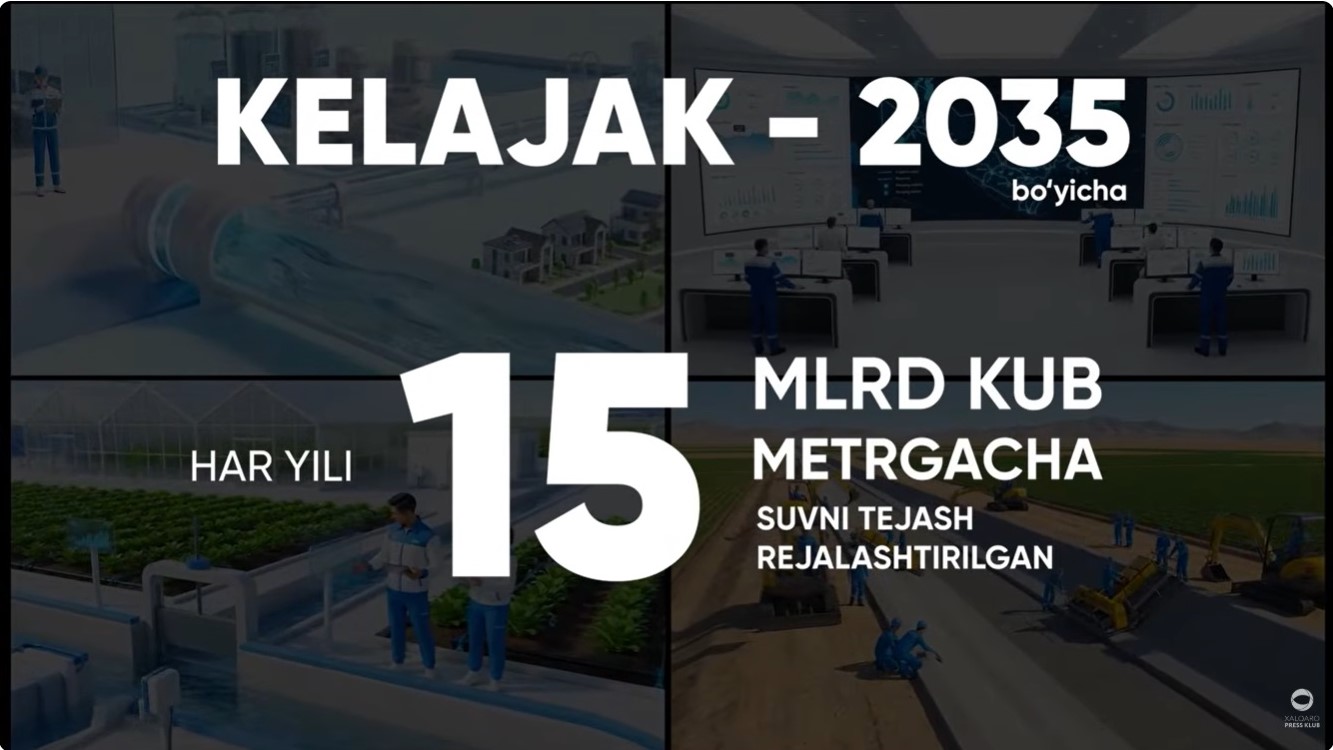
As part of the agenda, A. Nazariy, Deputy Director of SIC ICWC, presented a report on national achievements and regional challenges in the water sector. He noted that, within a relatively short period, water-saving technologies had been introduced on 60% of Uzbekistan's irrigated land, while 40% of the irrigation network had been lined with concrete. The modernization of pumping stations has reduced electricity consumption in the water sector by nearly 30%. In addition, a unified digital system is being established that will cover more than 600,000 water users and over 4 million hectares of irrigated land. The measures introduced under the new Water Code are already helping to save more than 10 billion cubic meters of water annually. By 2030, annual water savings are projected to reach 15 billion cubic meters.
In his presentation, A. Nazariy emphasized the key role of the Interstate Commission for Water Coordination (ICWC) established in 1992. Over more than three decades, the Commission has found balanced solutions for interstate water allocation, even during periods of extreme low water years. Thanks to ICWC mechanisms, a system of joint monitoring has been maintained, including coordinated planning, operational water management, and regular data exchange among the countries of Central Asia. Uzbekistan's renewed regional policy, based on the principles of good-neighborliness, openness, and transparency, has accelerated the automation of gauging stations and the introduction of online monitoring systems in the basins of transboundary rivers.

Participants reached a common understanding of the progress achieved through Uzbekistan's ongoing water sector reforms, identified the sector's current challenges, and outlined priority areas for its future development.
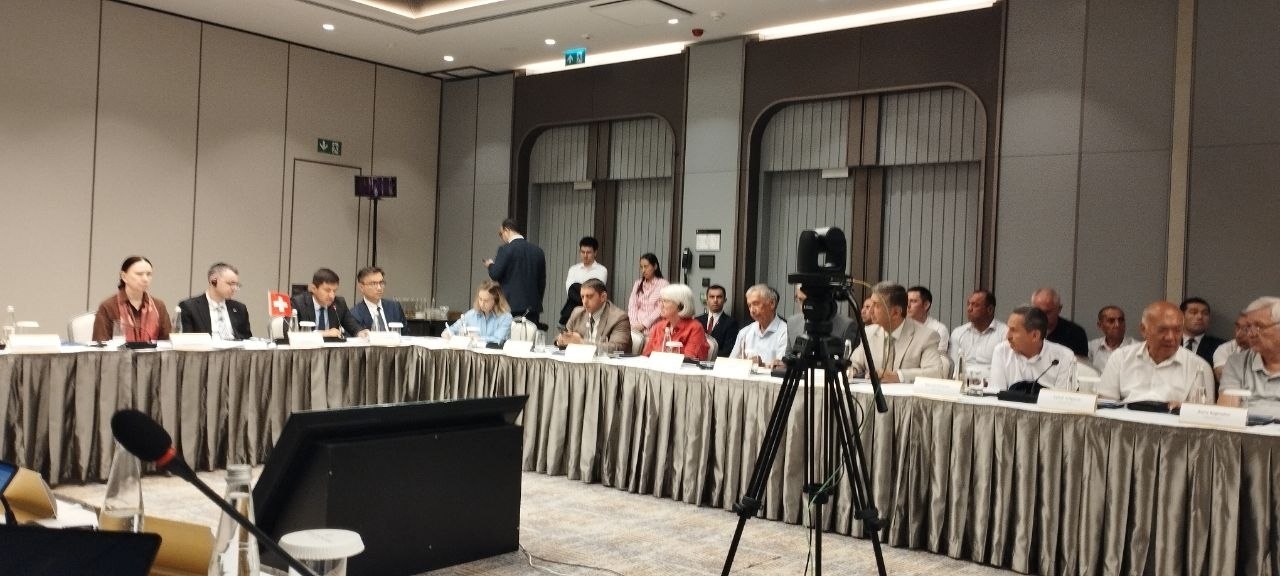
The meeting will serve as an important platform for strengthening dialogue among government agencies, the academic community, international organizations, and water sector experts, while also facilitating the development of practical proposals and recommendations for further advancement of the country's water sector.