No. 69 (730) July 2026
SIC ICWC experts took part in a research visit to the Netherlands
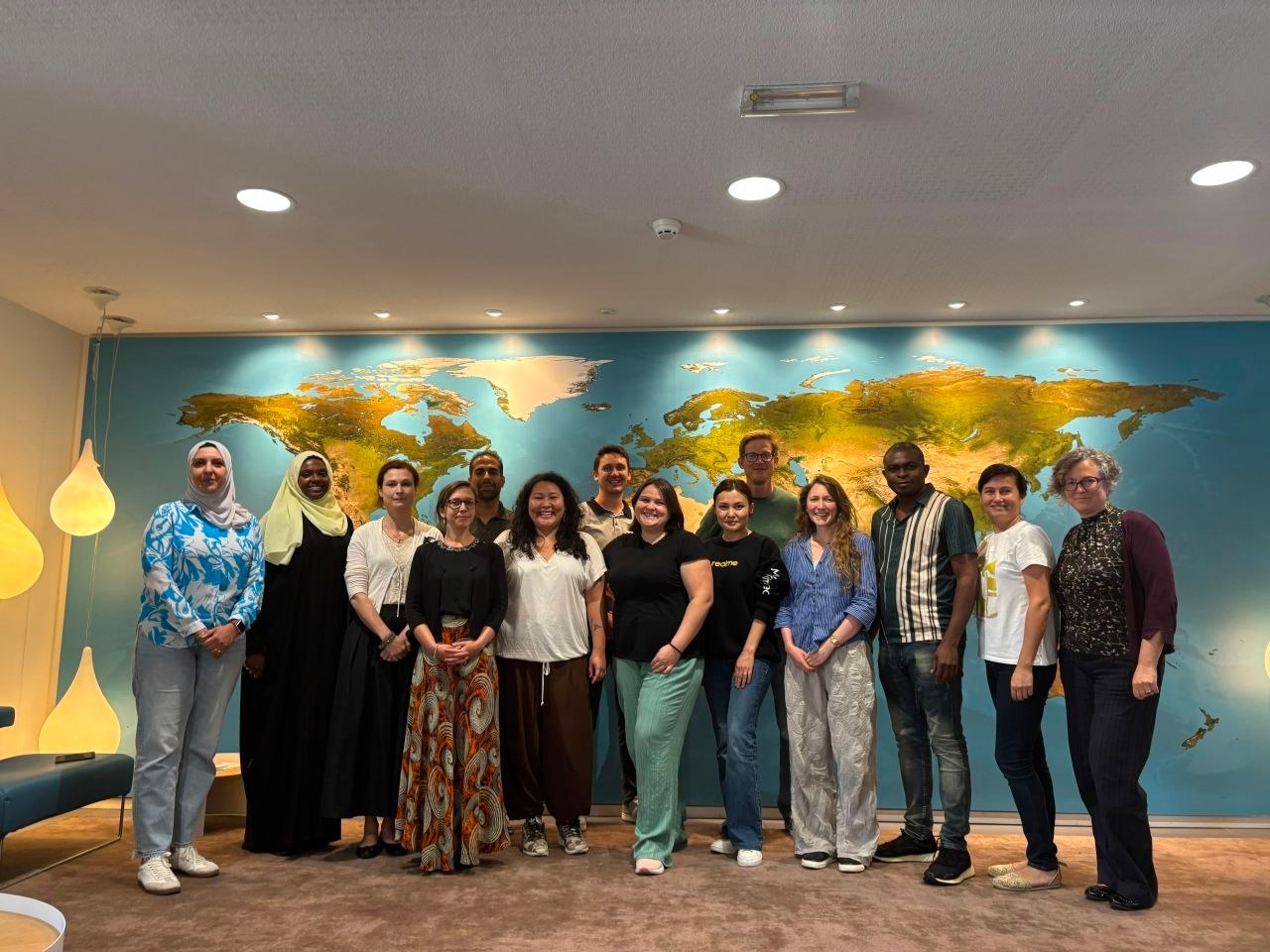
From 25 June to 10 July 2026, SIC ICWC experts Alexander Dolidudko and Matluba Rakhimova had a research visit to IHE Delft Institute for Water Education in Delft, the Netherlands.
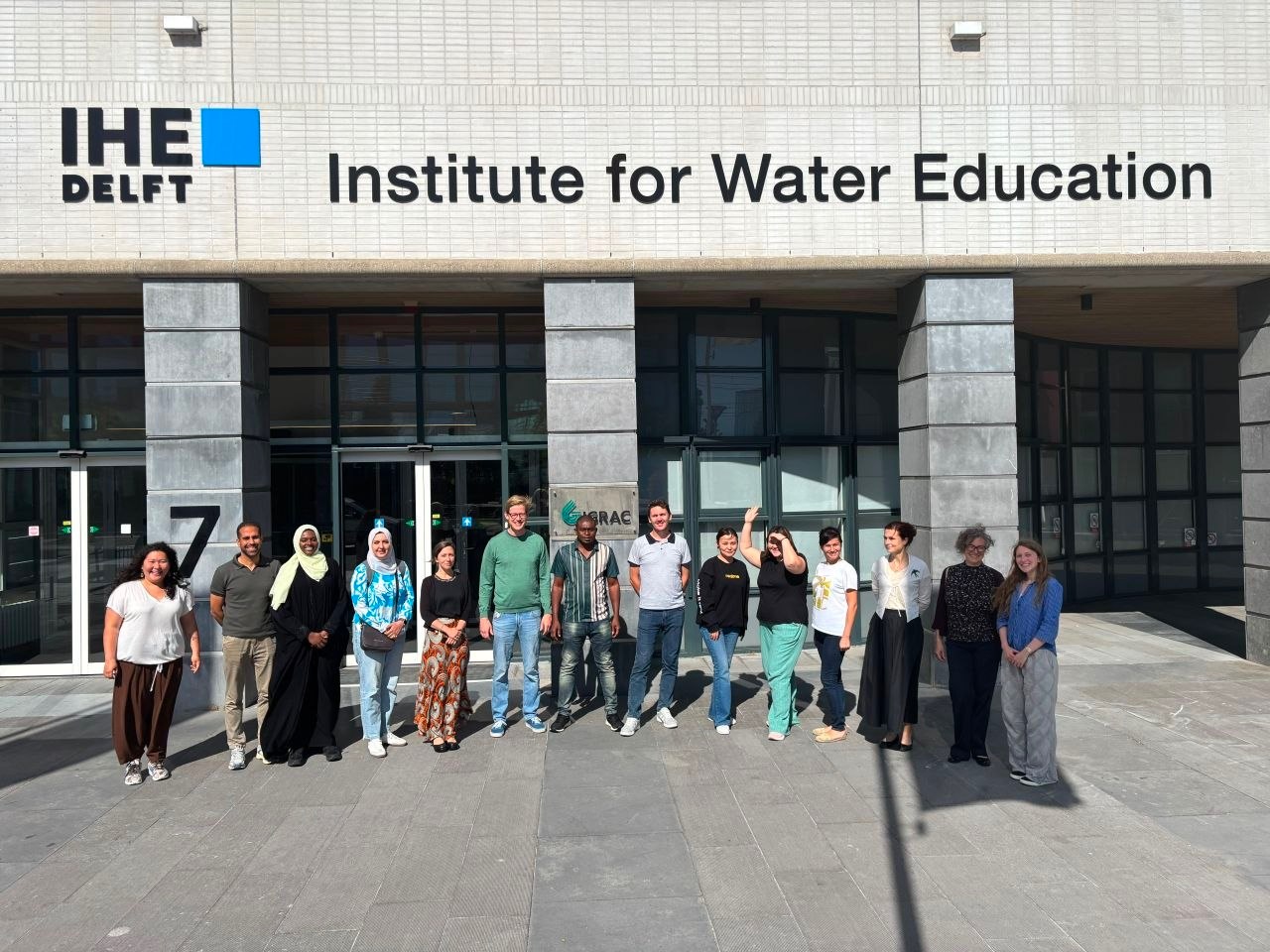
The visit took place as part of the international project "Cross-Regional Learning for Transformative Water Diplomacy (CroWD)", funded by the Ministry of Foreign Affairs of the Netherlands under the Water and Development Partnership Programme (WDPP). The project aims to foster international cooperation, strengthen the capacities of early-career researchers and practitioners, and promote innovative approaches to water diplomacy and transboundary water management.
During the two-week programme, SIC ICWC representatives engaged in collaborative research with scholars and experts from Europe, the Americas, Asia, and Africa. They discussed contemporary approaches to transboundary water cooperation, advancement of water diplomacy, preparation of international scientific publications, and implementation of interdisciplinary research.
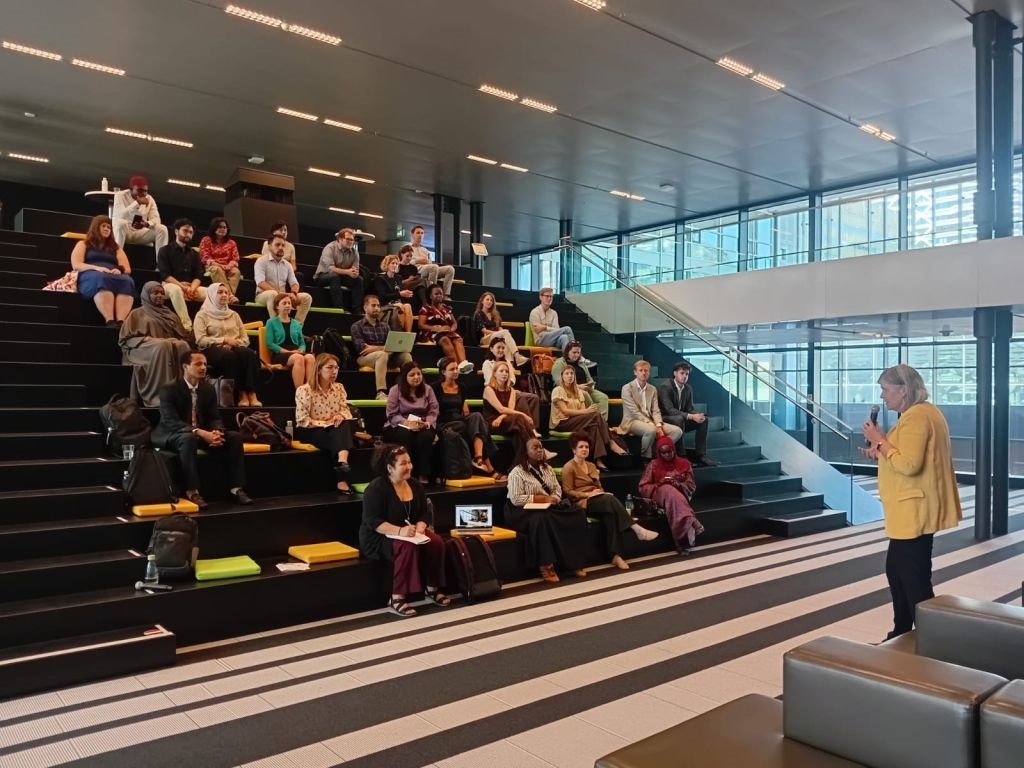
A key highlight of the visit was the two-day international workshop, "Transformative Water Diplomacy: Perspectives from Young Water Diplomats and Early Career Researchers" held on 29–30 June at IHE Delft Institute for Water Education. The workshop brought together early career researchers (ECRs) and participants of the Young Water Diplomats (YWD) program - young practitioners representing government agencies, international organizations, and water management institutions from various countries. This unique format allowed bringing together practices and research on water diplomacy and transboundary water cooperation.
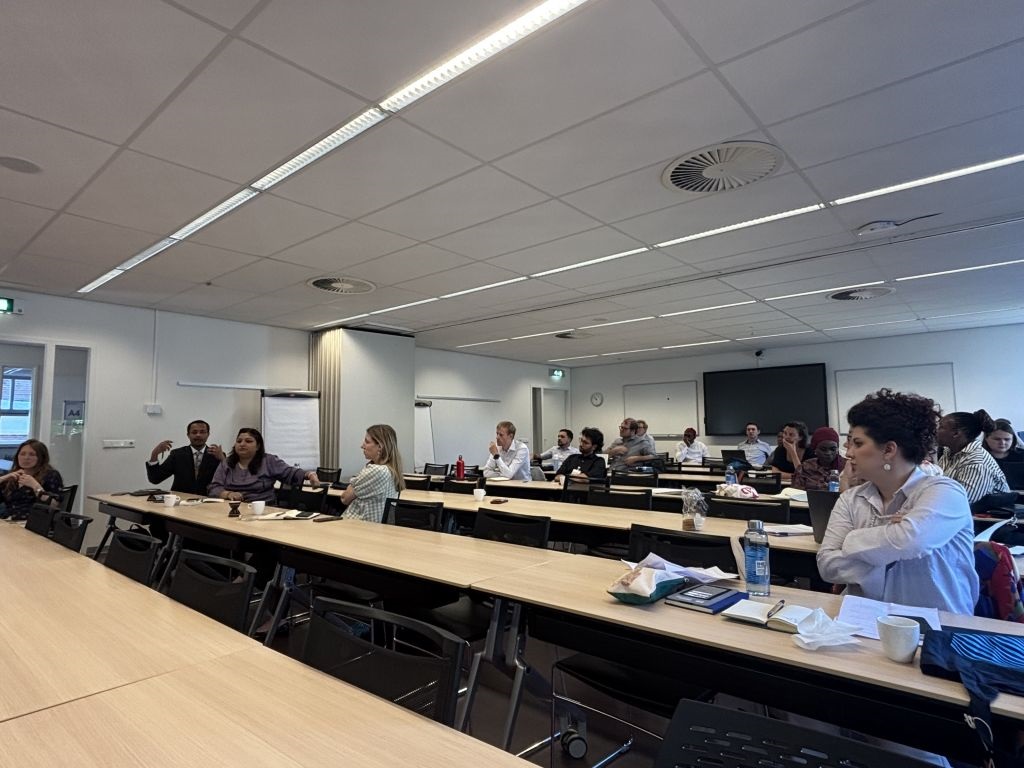
During thematic sessions, discussions, and informal exchanges, participants shared experiences, presented their perspectives on current challenges in transboundary water management, discussed regional dimensions of water diplomacy, and explored ways to translate research findings into policy and practice. Particularly valuable was the direct interaction between researchers and young practitioners, which facilitated the establishment of new professional connections, knowledge exchange, and the expansion of international collaboration networks. For SIC ICWC representatives, these discussions provided an opportunity to showcase Central Asian experience, gain insights into practical approaches applied in other regions, and lay the groundwork for future joint research and professional cooperation.
As part of the workshop, SIC ICWC experts also presented the results of their research. Alexander Dolidudko in his presentation on “Climate change narratives: cooperation in transboundary water basins” examined how different climate change narratives shape cooperation in transboundary river basins and influence stakeholder engagement in decision-making processes. The research focuses on the Aral Sea and Lake Chad basins, using a comparative analysis of academic literature, policy documents, stakeholder interviews, and hydrological data.
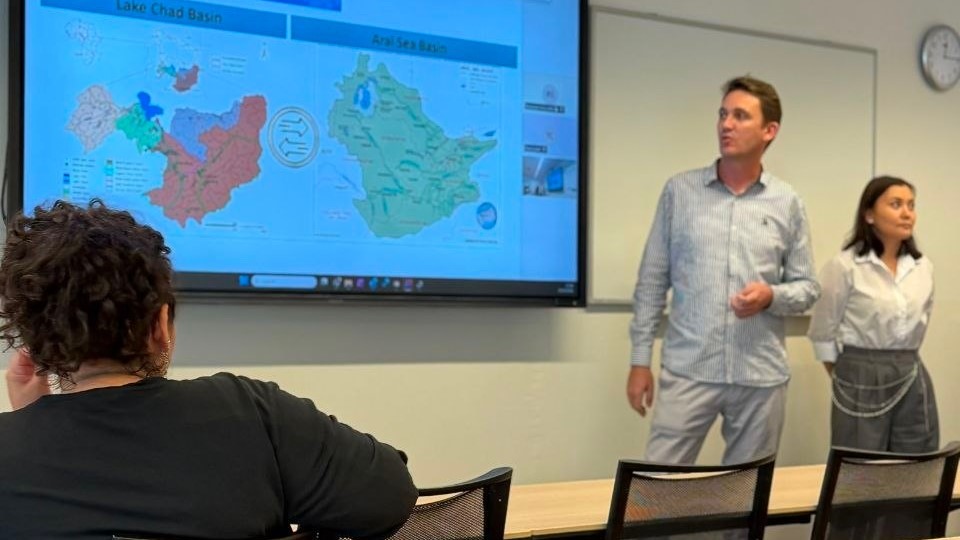
He shared preliminary research findings, demonstrating that interpretations of water-related challenges are often shaped not only by objective hydrological processes but also by prevailing political and societal narratives. Particular attention was paid to identifying which actors shape the climate agenda, whose interests are reflected in regional policy, and how differing perceptions of climate change influence water diplomacy, cooperation mechanisms, and decision-making in transboundary basins. The comparative approach presented seeks to support the development of more inclusive water governance frameworks that integrate scientific evidence with the perspectives of diverse stakeholder groups.
Matluba Rakhimova presented her research “Embodied hydro-entities. A comparative study of culture, spiritual dimensions & water quality,” which explores the relationship between water quality, the cultural and spiritual values of societies, and their implications for water management. The research focuses on the Ganges and Magdalena (Colombia) river basins and adopts an interdisciplinary approach that brings together natural and social sciences.
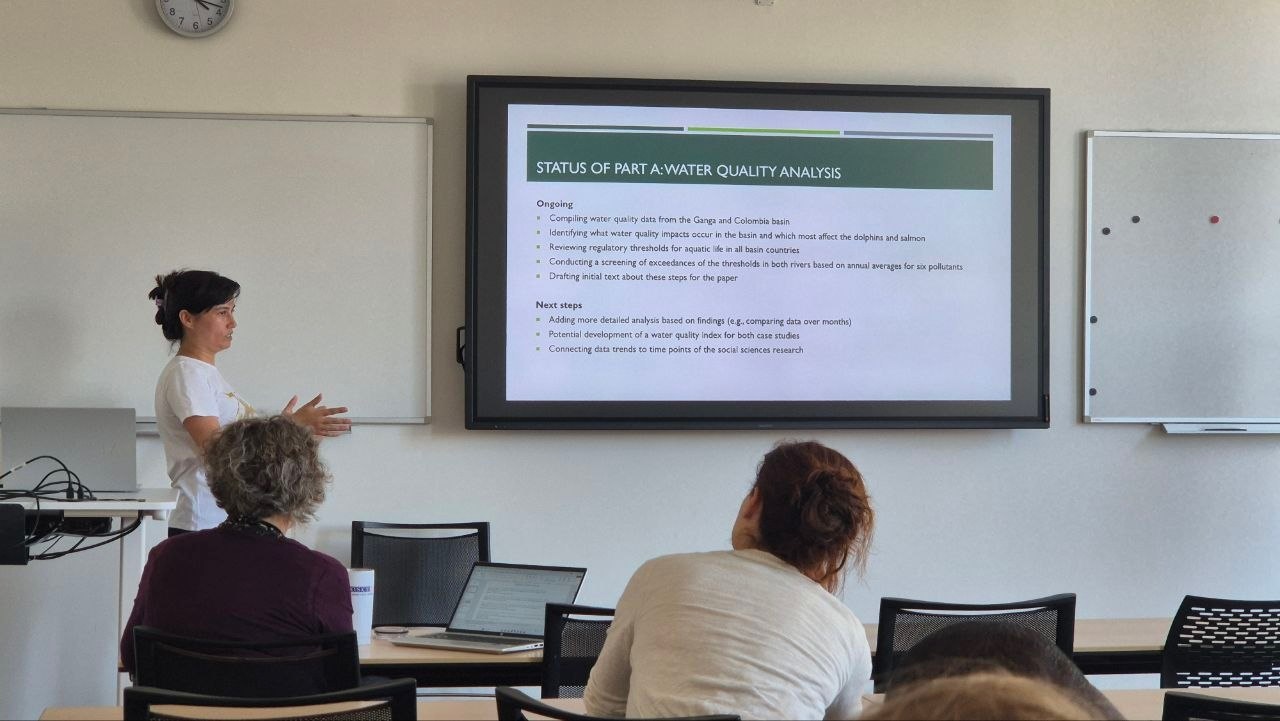
During her presentation, preliminary findings were shared, including an analysis of water quality data and environmental legislation governing the protection of aquatic ecosystems. Particular attention was given to the ways in which cultural and spiritual perceptions of water bodies can contribute to the conservation of freshwater ecosystems and influence decision-making in water management. The research aims to develop an integrated framework that combines environmental indicators with socio-cultural dimensions to enhance the effectiveness of water quality management.
Another important highlight of the programme was a visit to the Ministry of Foreign Affairs of the Netherlands, where participants took part in an expert discussion on preparations for the 2026 UN Water Conference. The meeting addressed current challenges in global water cooperation, the role of the scientific community in shaping the global water agenda, and mechanisms for engaging early-career researchers in decision-making processes.
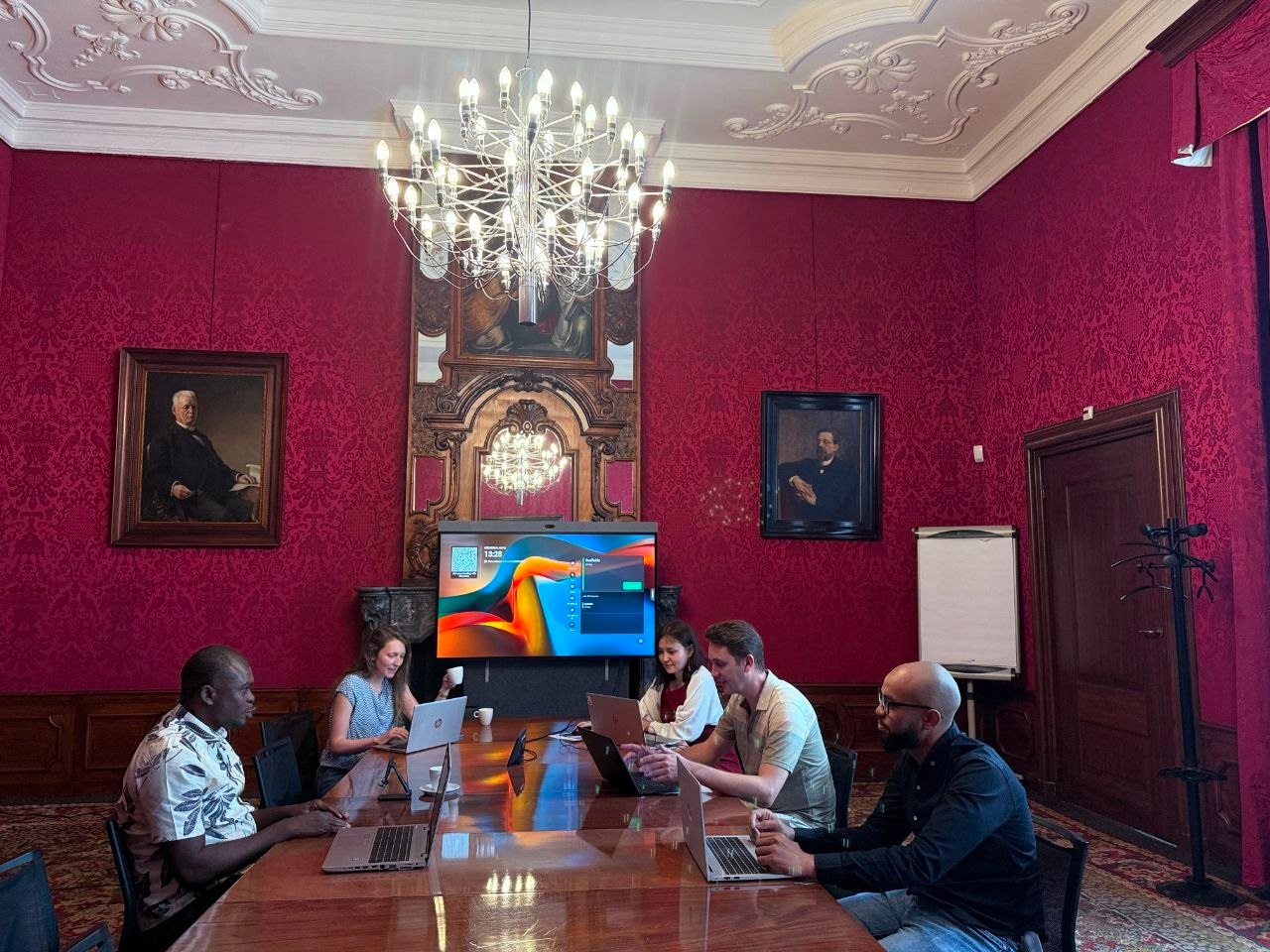
In addition to the official program, the research visit included a series of working meetings with project supervisors and researchers at IHE Delft. Participants discussed opportunities for preparing joint research papers, developing comparative research on water diplomacy, and further expanding international scientific cooperation.
“Participation in the CroWD programme provided an opportunity not only to present the results of our research to the international scientific community, but also to receive valuable expert feedback, establish new professional connections, and identify promising directions for future collaborative research on transboundary water management,”, said Alexander Dolidudko.
As a result of the research visit, SIC ICWC experts strengthened cooperation with international partners, agreed on preparation of joint research papers, and identified priorities for future collaboration. The knowledge, experience, and international contacts gained during the visit will contribute to the Center’s research and inform proposals for improving transboundary water management and advancing water diplomacy in Central Asia.