
No. 72 (733) July 2026
SIC ICWC takes part in expert discussions on Uzbek-Kyrgyz cooperation and regional identity
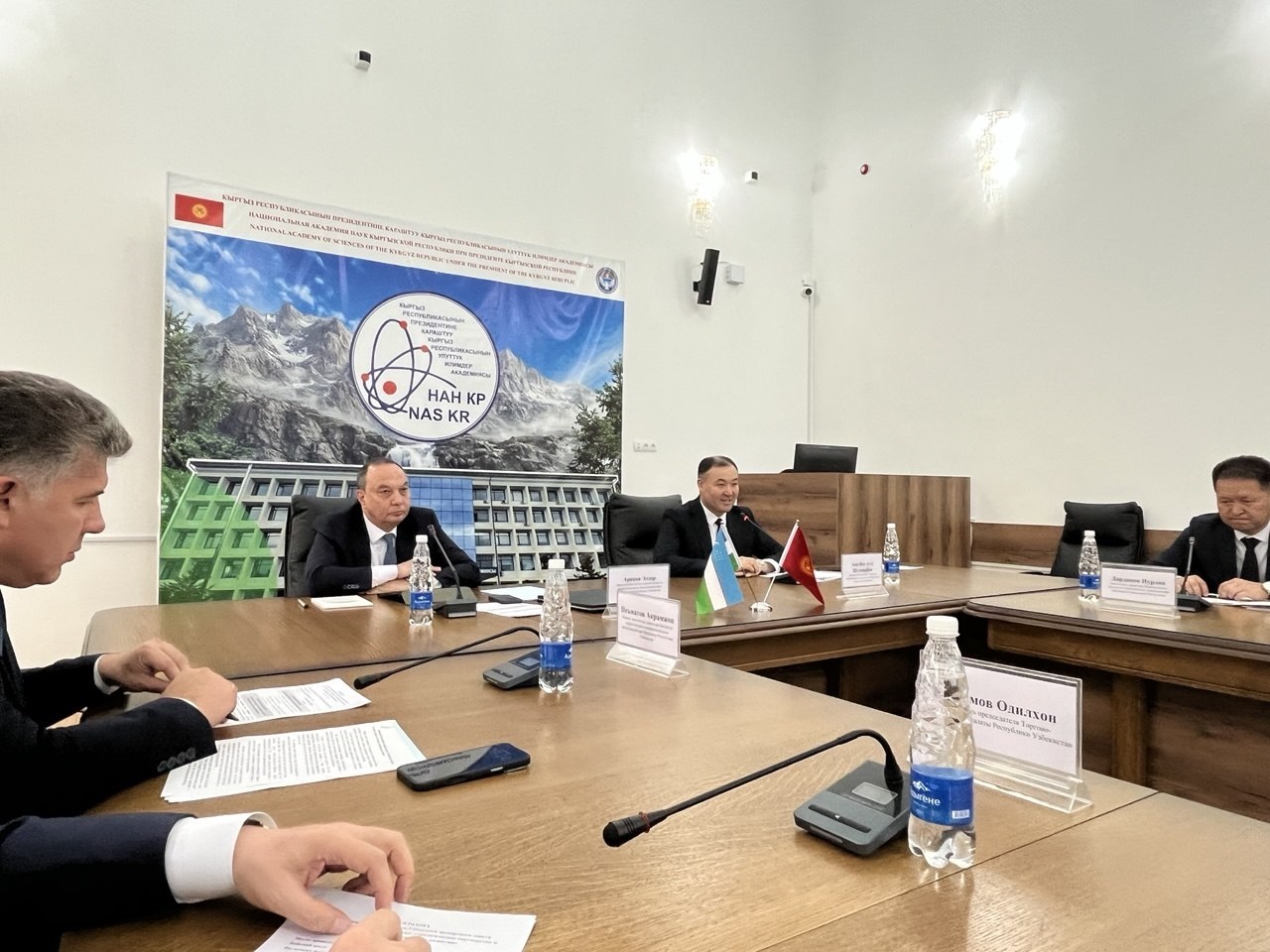
On 21–22 July 2026, Dinara Ziganshina, Director of SIC ICWC, participated in the Second Meeting of the Kyrgyz–Uzbek Expert Council dedicated to theme “Kyrgyzstan and Uzbekistan: Strategic Partnership and Prospects for Its Further Development” and in an expert workshop on fostering and strengthening a shared regional identity in Central Asia, held in Bishkek.
The Expert Council discussions focused on advancing the strategic partnership between Kyrgyzstan and Uzbekistan, with particular attention to economic cooperation, transport connectivity, and energy cooperation. Participation in the meeting provided valuable insights into the priorities of the two countries and the growing demand among national think tanks for applied research and expert support.
On the first day, participants discussed potential joint research and collaborative activities between the Institute for Strategic and Interregional Studies under the President of the Republic of Uzbekistan and the National Institute for Strategic Initiatives under the President of the Kyrgyz Republic that could be supported through the IKI project “Regional Mechanisms for a Low-Carbon and Climate-Resilient Transformation of the Energy–Water–Land Nexus in Central Asia.” The discussions explored opportunities for preparing joint analytical publications, conducting collaborative research, and facilitating expert dialogue on key issues shaping regional development.
On 22 July, SIC ICWC participated in an expert workshop dedicated to discussing the draft Concept for Fostering and Strengthening a Regional Identity in Central Asia. The event was jointly organized by the National Institute for Strategic Initiatives (NISI) and the Institute for Strategic and Interregional Studies (ISRS), with support from the regional office of the PeaceNexus Foundation. The draft Concept approaches regional identity as a combination of Central Asia’s shared historical and cultural heritage, the region’s evolving experience of cooperation, and a common vision for its future.
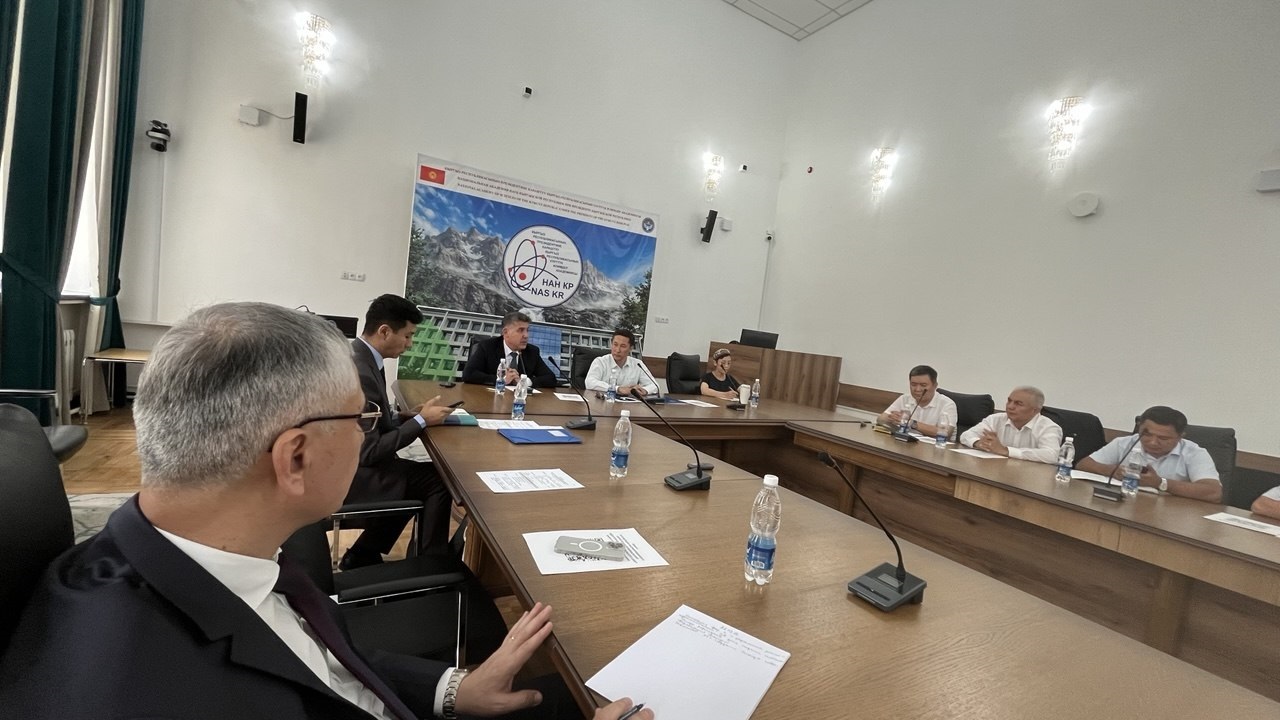
During the workshop, SIC ICWC presented the results of research carried out under its Expert Platform, which analyzes the statements delivered by Central Asian countries at the sessions of the United Nations General Assembly. In particular, participants were introduced to an upcoming publication summarizing the main themes and policy priorities reflected in the statements of the Kyrgyz Republic over the past five years. The Platform’s analytical outputs are available on its website.
The discussions on cultural identity, historical memory, and the search for unifying regional narratives were of particular interest. Water, rivers, landscapes, and traditional nature management practices were highlighted as important carriers of collective memory and shared regional identity in Central Asia. These discussions closely align with SIC ICWC’s ongoing research on water and heritage, which explores the role of water bodies, irrigation culture, and associated knowledge and traditions in shaping historical memory and a sense of regional belonging.
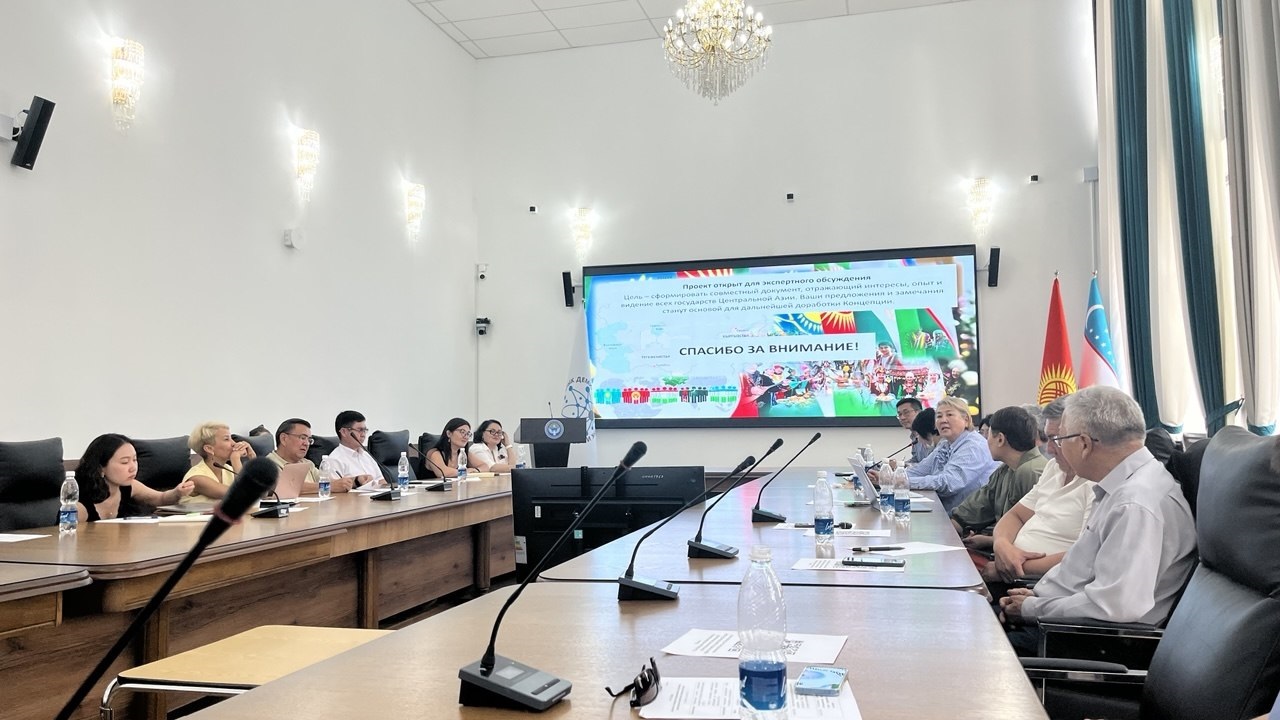
The meetings reaffirmed the value of sustained cooperation among Central Asian think tanks and underscored the need for jointly developed research products that respond to the practical priorities of the countries and support regional cooperation.