No. 73 (734) July 2026
SIC ICWC participates in the 5th Joint Coordinating Committee (JCC) Workshop for SATREPS-2020
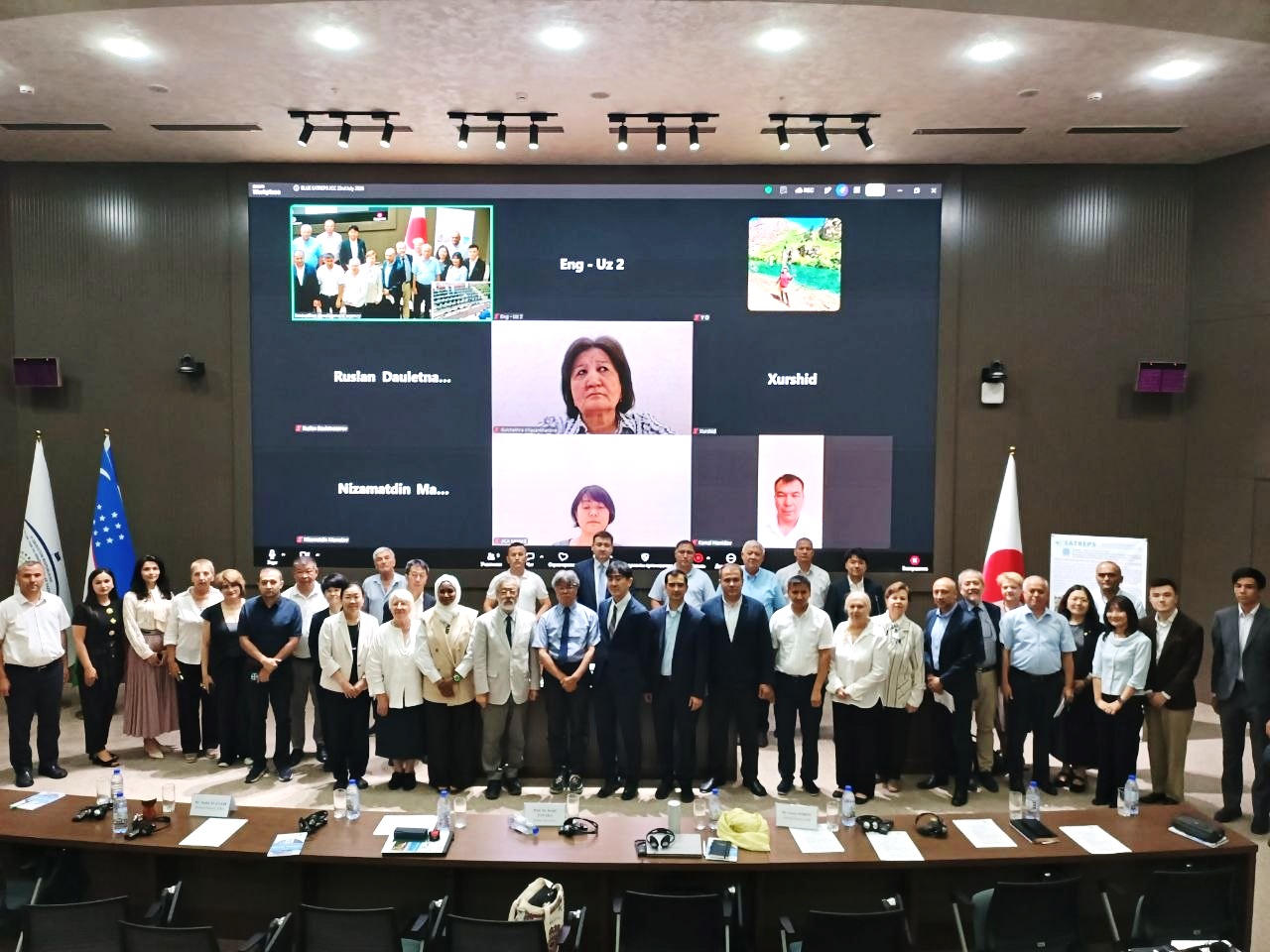
On July 23, 2026, the 5th meeting of the Joint Coordinating Committee (JCC) of SATREPS-2020 was held at the Agency for Innovative Development in Tashkent. The event was organized within the framework of the project "Development of Innovative Climate Resilient Technologies for Monitoring and Controlling of Water Use Efficiency and Impact of Salinization on Crop Productivity and Livelihood in Aral Sea" (BLUE Project).
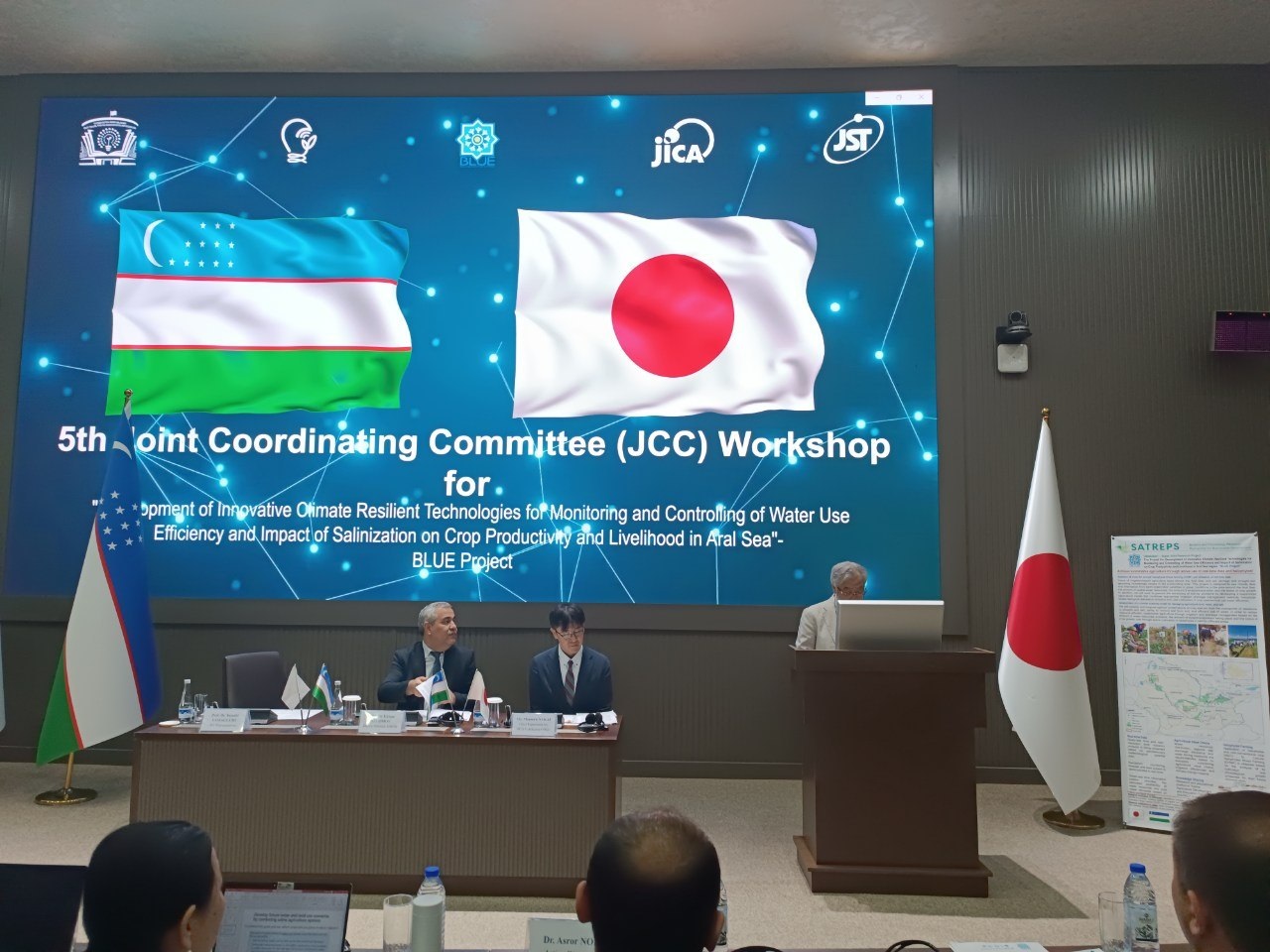
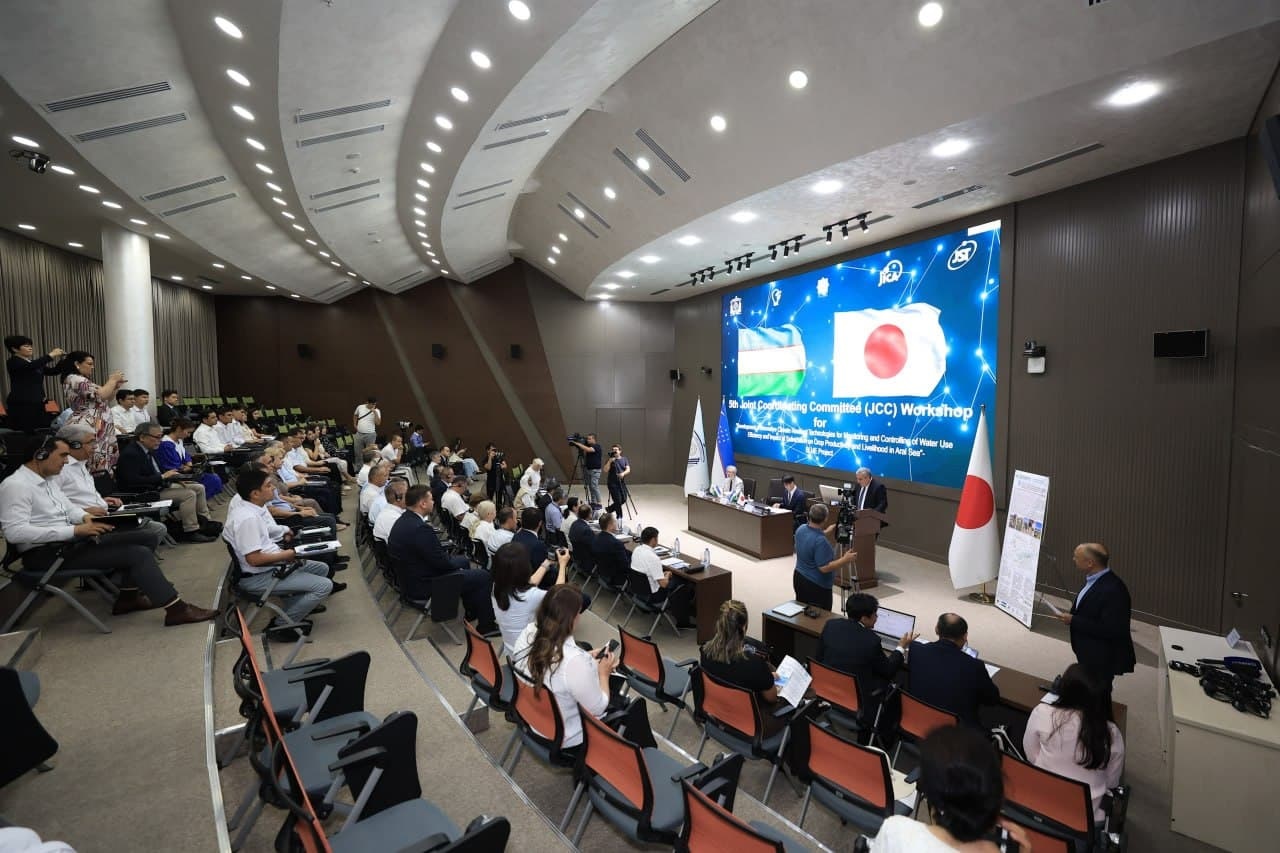
The meeting brought together representatives of more than 20 ministries, government agencies, research institutes, universities, and international organizations from Uzbekistan and abroad. SIC ICWC was represented by Galina Stulina and Zhavlon Ishanov.
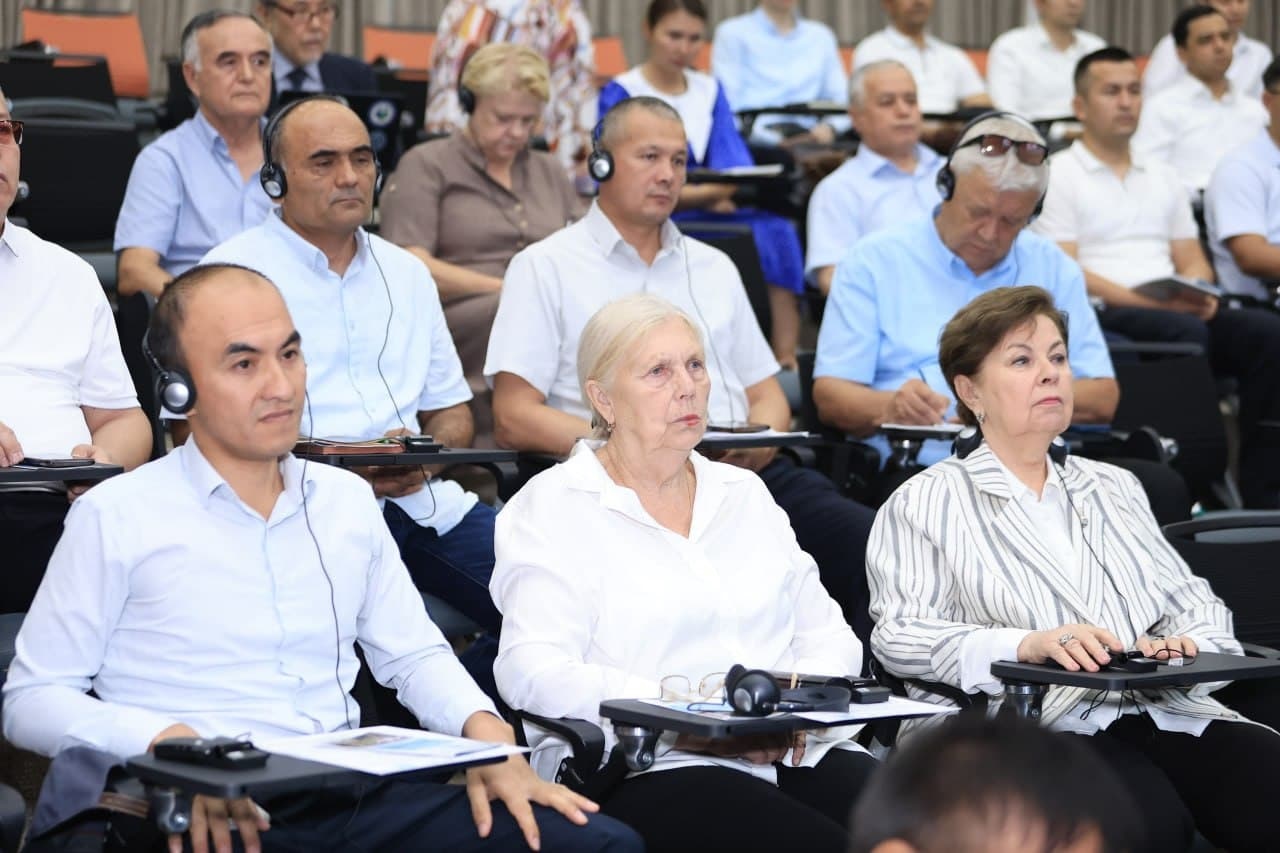
Participants reviewed the results of research conducted by Uzbek and Japanese researchers in the Aral Sea region in 2025 as part of the SATREPS-2020 program. The meeting also assessed progress achieved during the first half of 2026 and provided an opportunity to discuss the project’s next phase and future tasks.
During the project’s first phase, funding was provided for 12 research projects, with an additional 12 projects scheduled to receive support during the second phase later this year. Comprehensive research is carried out on the exposed Aral Sea bed and in selected areas of Kashkadarya province. A network of automatic weather stations was set up and advanced Japanese technologies are adopted to improve agricultural productivity under saline soil conditions.
In addition, as part of the project, 15 monitoring stations were installed to collect data on snow cover, dust storms, solar radiation, and soil salinity, supported by GIS.
As part of the project, two doctoral (PhD) students completed training in Japan. Uzbekistan also received a wide range of research equipment, including water quality sensors, a monitoring system for experimental crop field, river water level and salinity monitoring systems, monitoring systems for moderately saline areas, laboratory equipment for plant biomass analysis, a meteorological snow observation system, and around 30 additional types of research instruments and devices.
The project has also supported the capacity development of Uzbek specialists, with 45 researchers and experts participating in training programs in Japan.
Particular emphasis was paid to digital water monitoring, soil salinity reduction, climate-resilient agricultural technologies, and the application of research results. Participants proposed a number of recommendations for strengthening international scientific cooperation and further adapting advanced technologies to Uzbekistan’s conditions.
The project continues to serve as an important international platform for developing science-based solutions that contribute to environmental sustainability of the Aral Sea region, more effective water management, increased agricultural productivity, and enhanced food security.