
No. 74 (735) July 2026
Agency for Innovative Development under the Ministry of Higher Education, Science and Innovation of the Republic of Uzbekistan
On 23–24 July 2026, the Fourth Regional Network Meeting of the EU–UNEP Project “Facilitating Region-Specific Approaches to Addressing Climate- and Environment-Related Risks for Socio-Economic Stability” was held in Osh, Kyrgyz Republic, to review project progress and discuss key achievements.
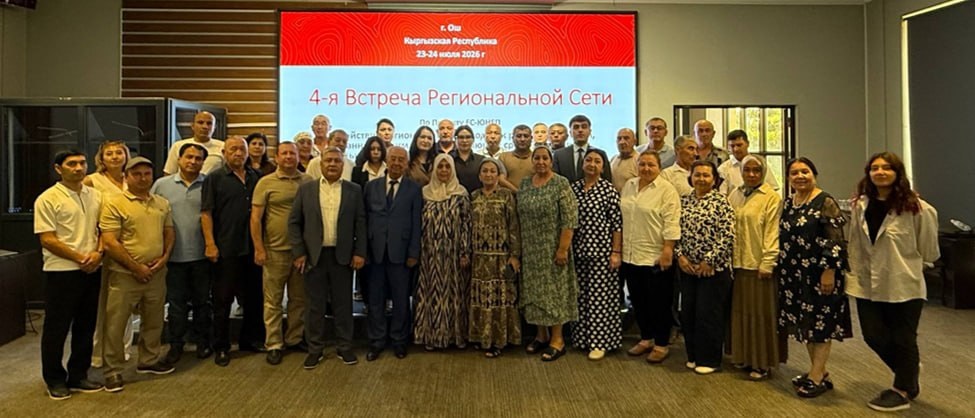
The meeting brought together representatives of the Osh province authorities, civil society organizations, the expert community, and EU–UNEP project grantees from Kyrgyzstan, Tajikistan, and Uzbekistan. In total, 41 participants attended the meeting, including 17 women (41%).
G. Mamatova, representative of the Karasuu District Administration of Osh province welcomed the meeting and highlighted the importance of the project’s work in promoting broad community engagement, particularly among women, young people, and vulnerable groups, while ensuring that their needs are reflected in project activities.
Sherzod Muminov, Deputy Director of SIC ICWC and Project Manager, emphasized strong commitment and support provided by local authorities in all project countries. B. Gozhenko of SIC ICWC participated in the meeting as moderator.
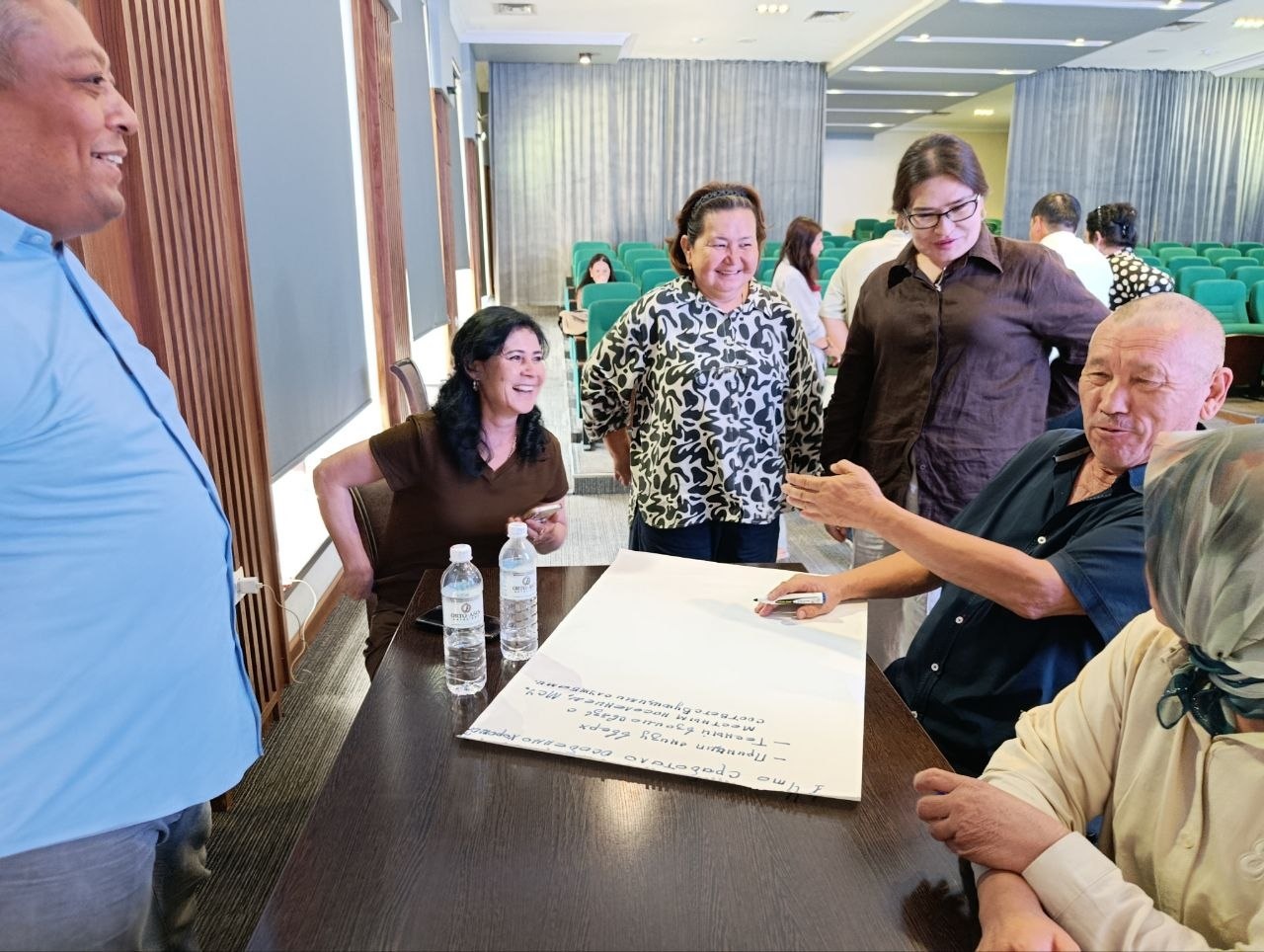
Project grantees from Kyrgyzstan and Uzbekistan outlined their implementation plans and shared preliminary results. In addition to project discussions, grantees received training on reporting requirements, including indicator monitoring and evaluation, as well as the use of photographs and video documentation.
The second day of the meeting was held in the field, showcasing activities of one of the project’s grantees, NGO New Rhythm, in Karasuu District, Osh province (Kyrgyz Republic).
Participants visited the Mady Ayil Aimak, where a series of nature-based solutions for climate adaptation at the community level are implemented through March 2027. The field visit was hosted by S. Boronov, Executive Secretary of the Mady Ayil Aimak, and K. Temirbaev, Speaker of the Mady Ayil Kenesh.
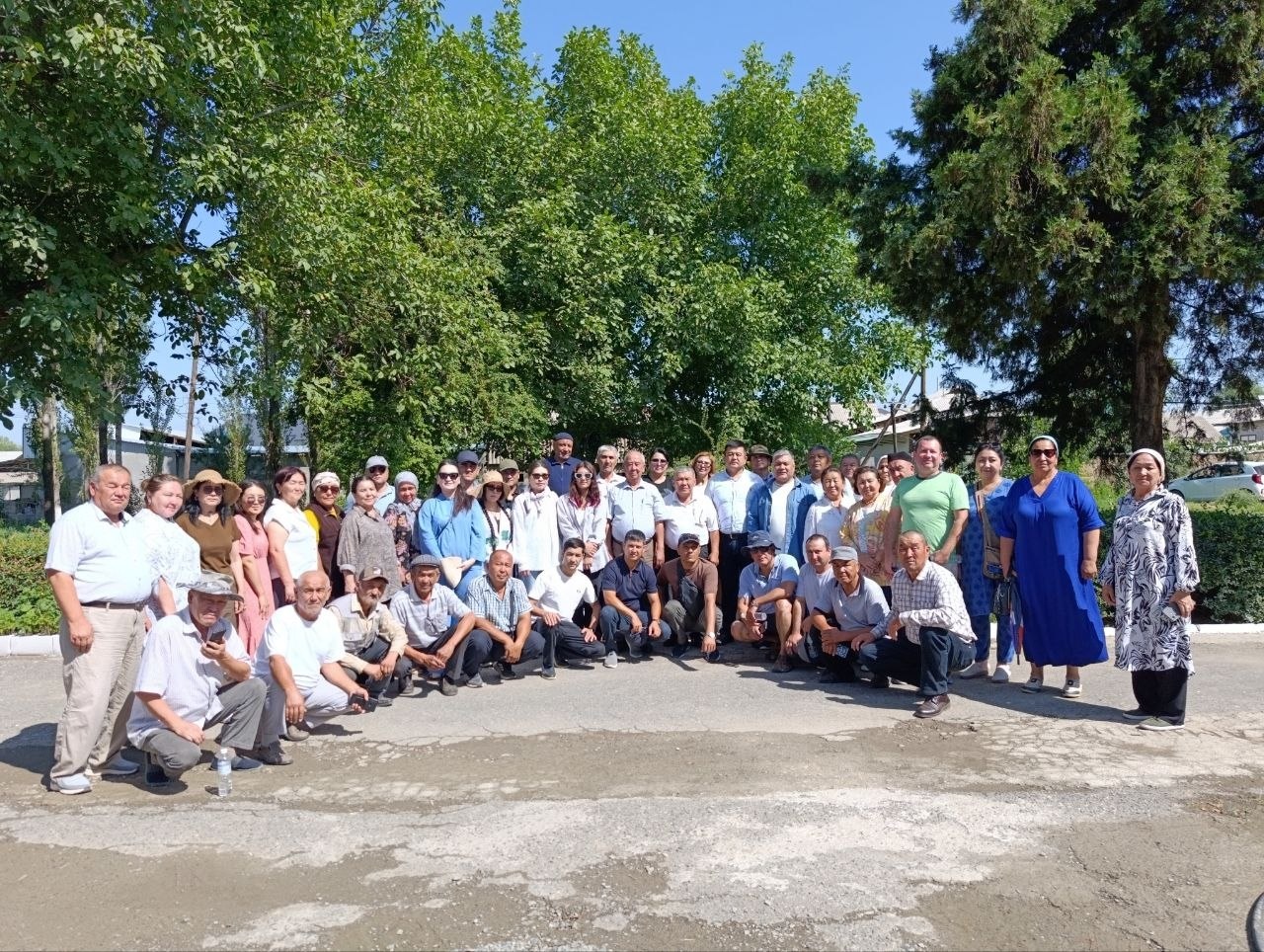
The first subproject has established interconnected agroforestry shelterbelts around the school in Asanchek village and the surrounding area. These green corridors are designed to function as windbreaks, dust filters, and microclimate regulators along the adjacent road, while also providing natural stabilization of the banks of a mudflow channel. The project is expected to restore key ecosystem services, including wind protection, air quality improvement, soil stabilization, temperature regulation, and enhanced protection of the school grounds from mudflows. The site incorporates water-conservation technologies, including drip irrigation powered by solar panels, while irrigation canals have been reinforced using bioengineering techniques to reduce water losses.
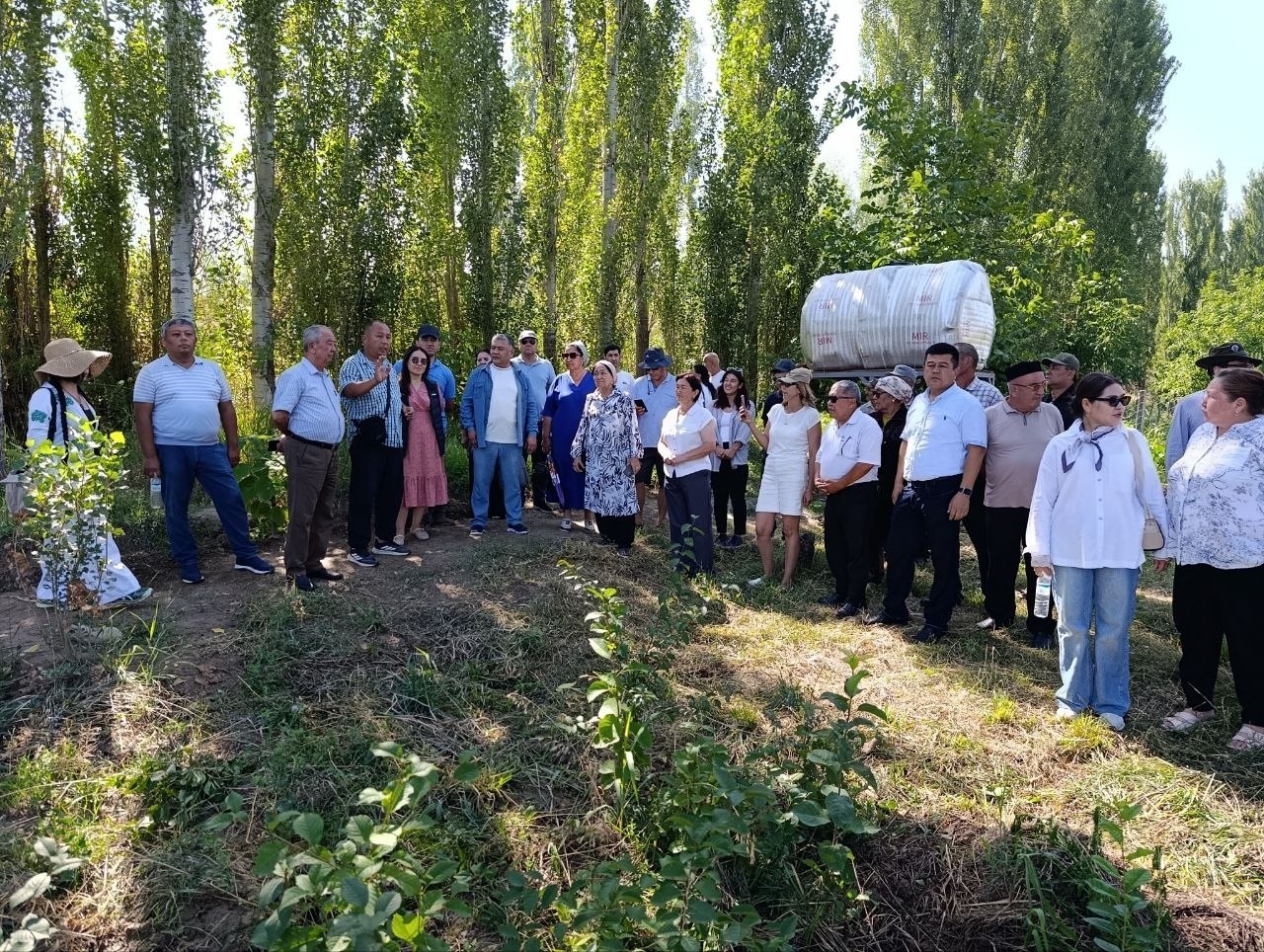
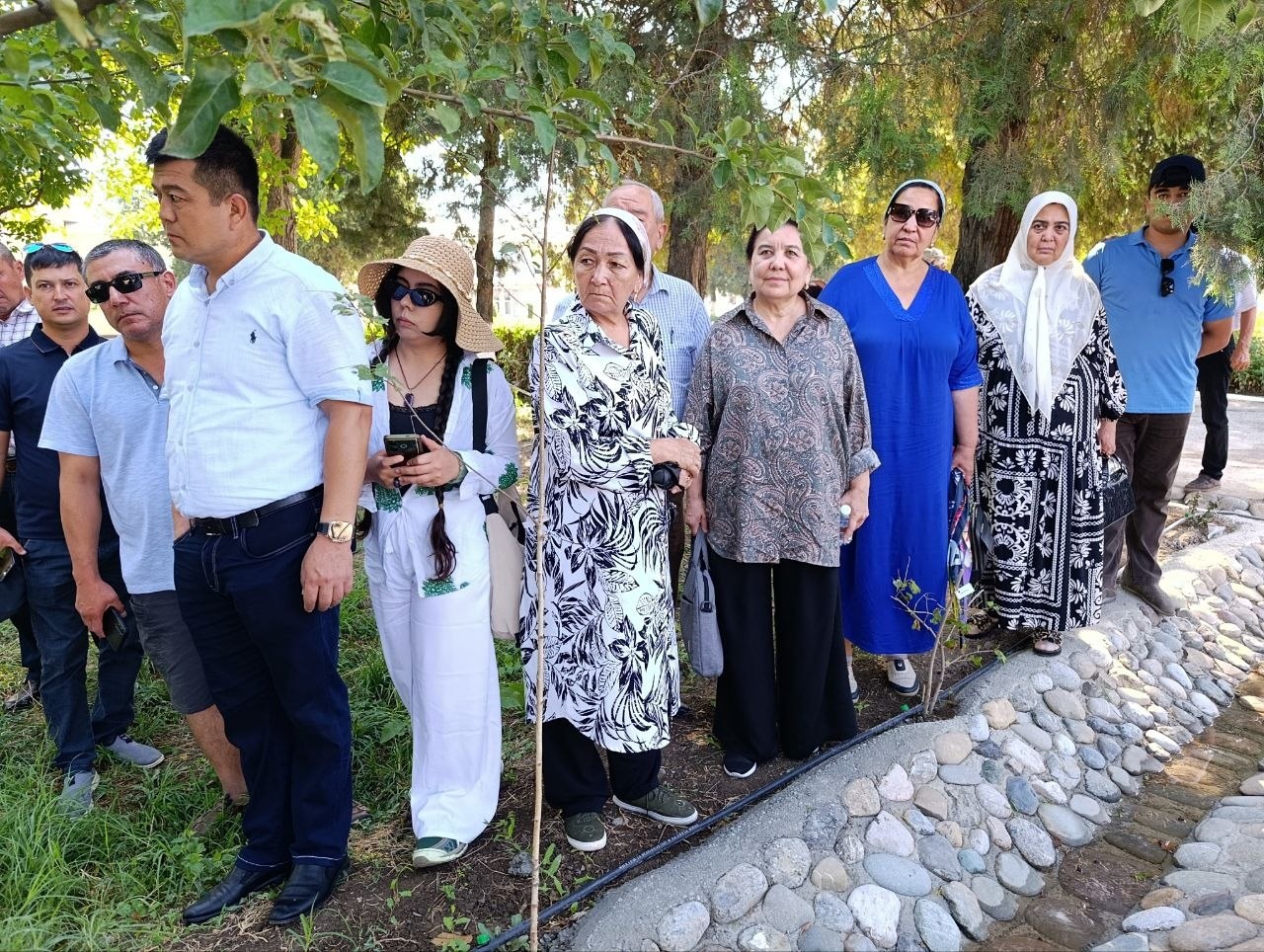
The second subproject, implemented in Kyzyl-Tal village, focuses on ecosystem restoration through greening. An eco-park and nursery for drought-tolerant plant species are established on degraded land using drip irrigation and solar energy. The initiative is designed to reduce wind erosion and dust storms, improve local microclimate, and enhance soil moisture retention. Beyond its environmental benefits, the project also addresses the shortage of safe public spaces for recreation, communication, and community activities. The newly established eco-park has already become a safe and welcoming space for children, women, and older residents.
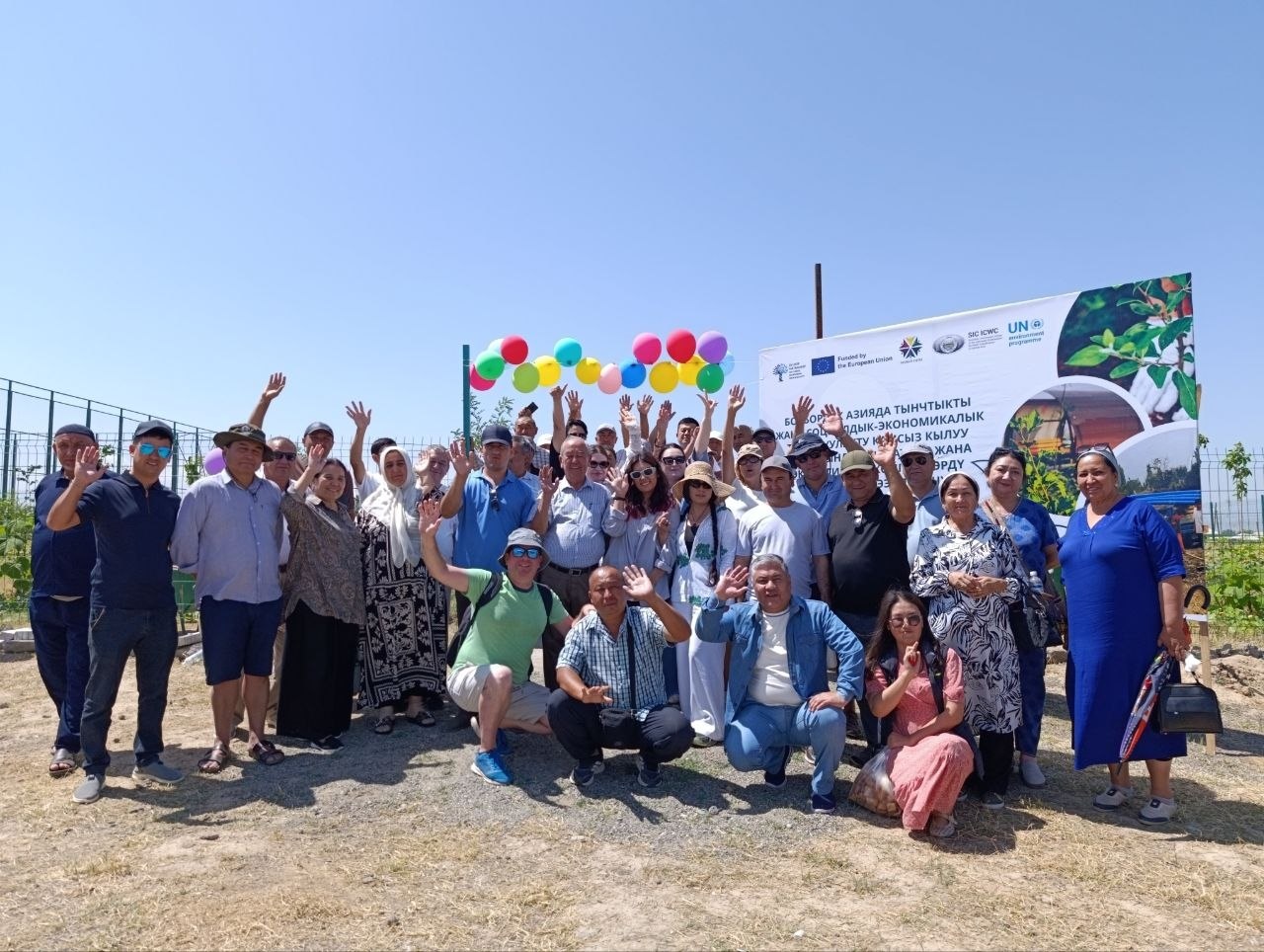
At the conclusion of the meeting, participants emphasized the high relevance of the demonstrated nature-based solutions and their contribution to strengthening climate resilience, reducing the potential for conflict, and enhancing socio-economic stability across the region.