
No. 90 (751) September 2026
Regional Youth Water Hackathon “From Data and Technology to Action”
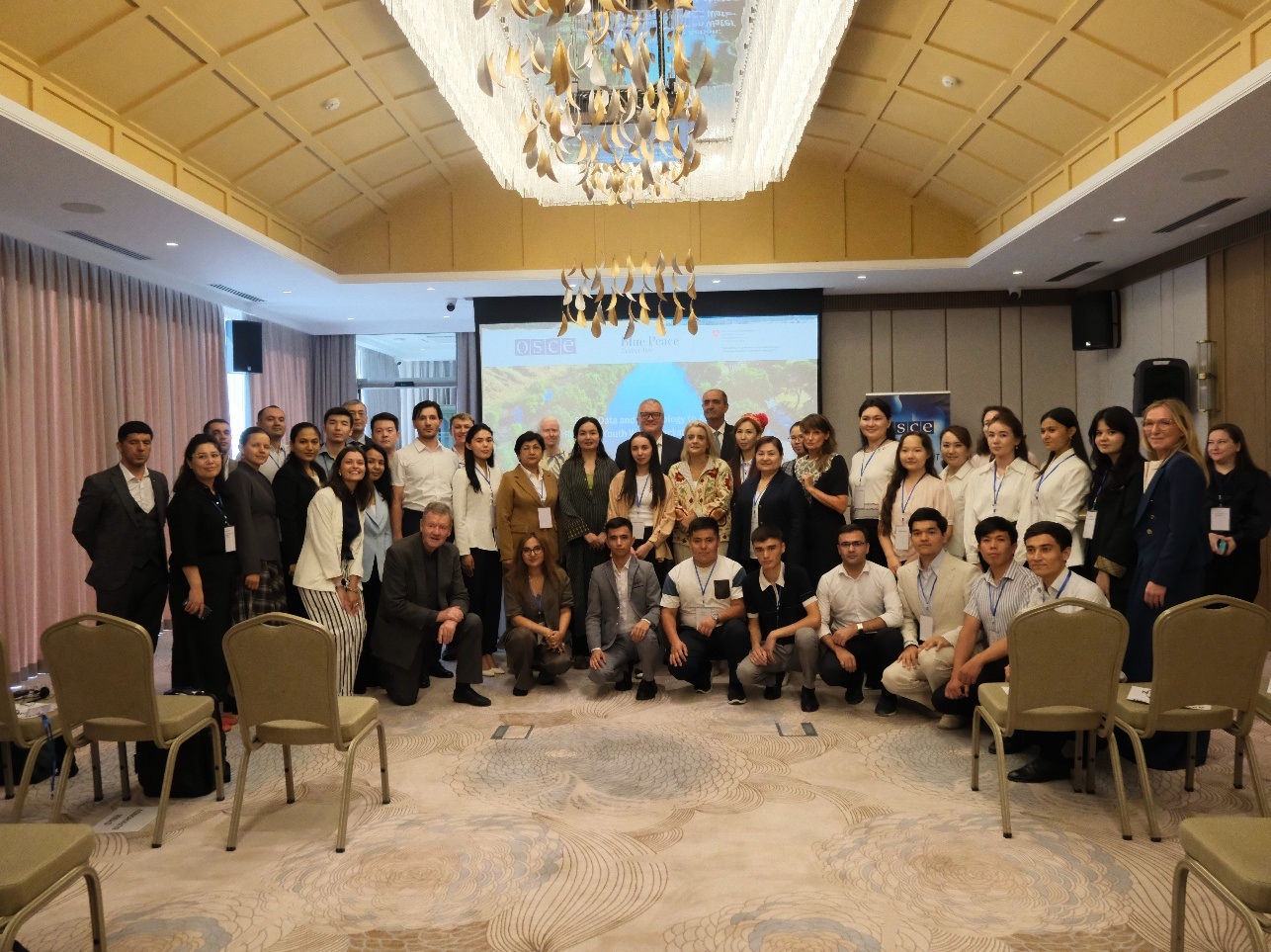
On 7–8 September 2026, the Regional Youth Water Hackathon “From Data and Technology to Action”, organized by the OSCE in collaboration with its partners, took place in Samarkand, Uzbekistan.
The hackathon brought together young professionals and experts from the water and agricultural sectors across Central Asia, providing a platform for exchanging knowledge, developing innovative ideas, and exploring practical solutions to pressing water challenges in the region. The event focused on how modern technologies, digital solutions, precision tools, and automation can contribute to more efficient and sustainable water resource management in the face of increasing water scarcity.
The event opened with welcoming remarks from Antti Karttunen, Head of the OSCE Mission to Uzbekistan; Simone Giger, Ambassador of Switzerland to Uzbekistan; Guido De Sanctis, Ambassador of Italy to Uzbekistan; Daniela Ropolo, Head of Sustainable Development Initiatives at CNH; and Malika Ikramova, Head of the Laboratory at the Research Institute of Irrigation and Water Problems. The speakers highlighted the importance of regional cooperation, meaningful youth and women’s participation, and the application of innovative approaches to addressing pressing water challenges across Central Asia.
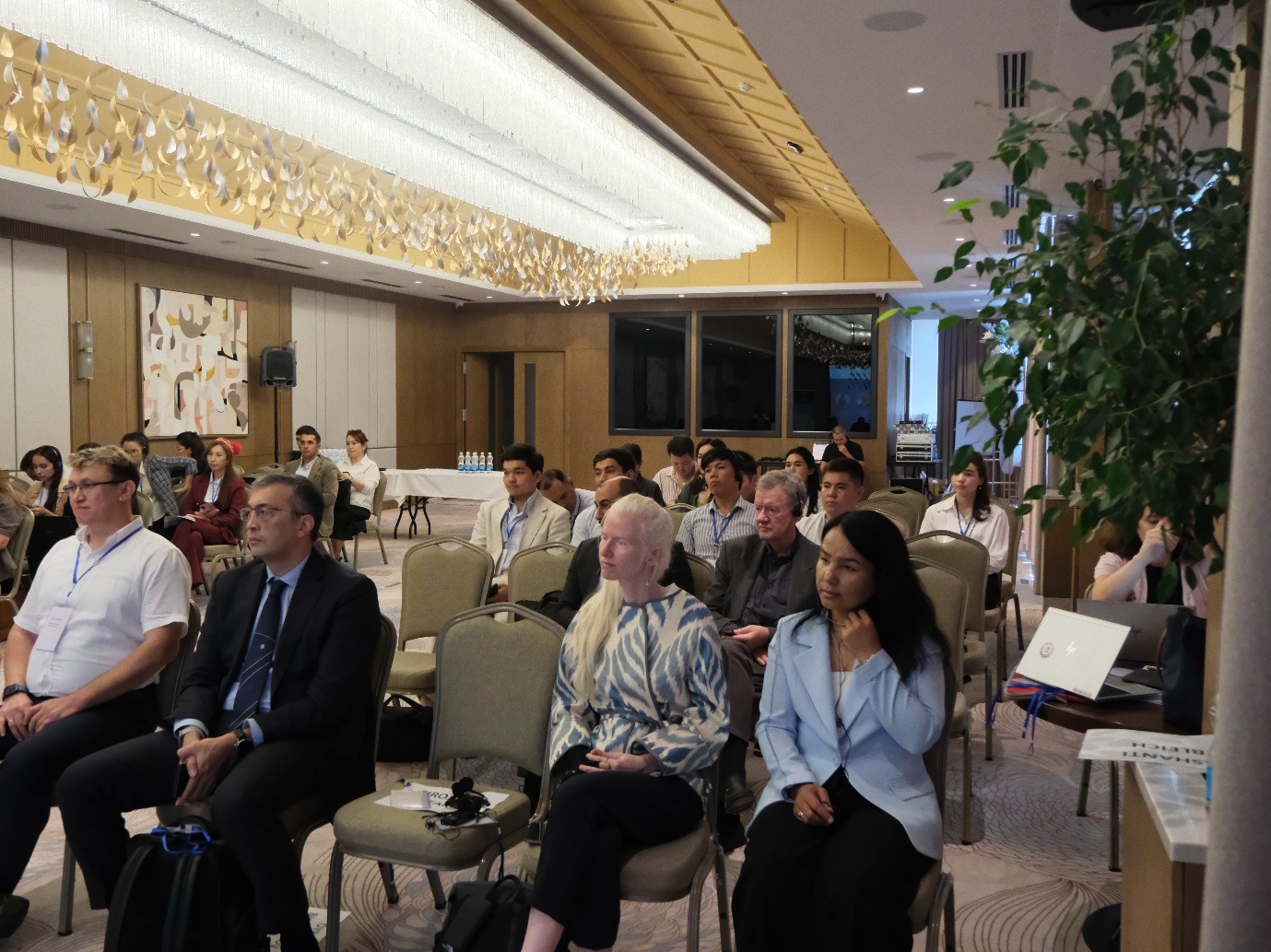
On the first day of the hackathon, two thematic panel discussions were held.
The first panel, “What Technologies Are Needed to Address Central Asia’s Water Challenges?”, focused on modern technologies and digital tools, as well as their potential applications for improving the efficiency of water resource management. Representatives of international organizations, research and educational institutions, the private sector, and the agricultural and water management sectors presented their work, shared professional experiences, and discussed opportunities for applying innovative technologies in the water sector. The panel brought together representatives of the FAO, CNH, the “School of Water Workers,” SIC ICWC, and other organizations.
The second panel, “Stakeholder Participation in Water Cooperation: The Key Role of Youth and Women,” focused on the participation of young people and women in water management and regional cooperation. Representatives of the OSCE, Blue Peace Central Asia, the National Academy of Sciences of Tajikistan, the WFF Youth Branch in Uzbekistan, the regional network “Women in Water Management in Central Asia and Afghanistan,” and the Swedish Aral Sea Society Summer School shared their perspectives, experiences, and practical approaches to strengthening and expanding the participation of youth and women in the water sector.
Gulnoza Khamdamova, Senior Specialist at SIC ICWC, participated in the event. During the first panel discussion, she delivered a presentation titled “From Scientific Knowledge to Action: Science in the Service of Water Policy in Central Asia.” In her remarks, she highlighted the important role of science in bridging knowledge and practical solutions for water resource management. She emphasized that scientific research, monitoring, and analysis provide a foundation for developing evidence-based recommendations for decision-makers and help put scientific findings into practice.
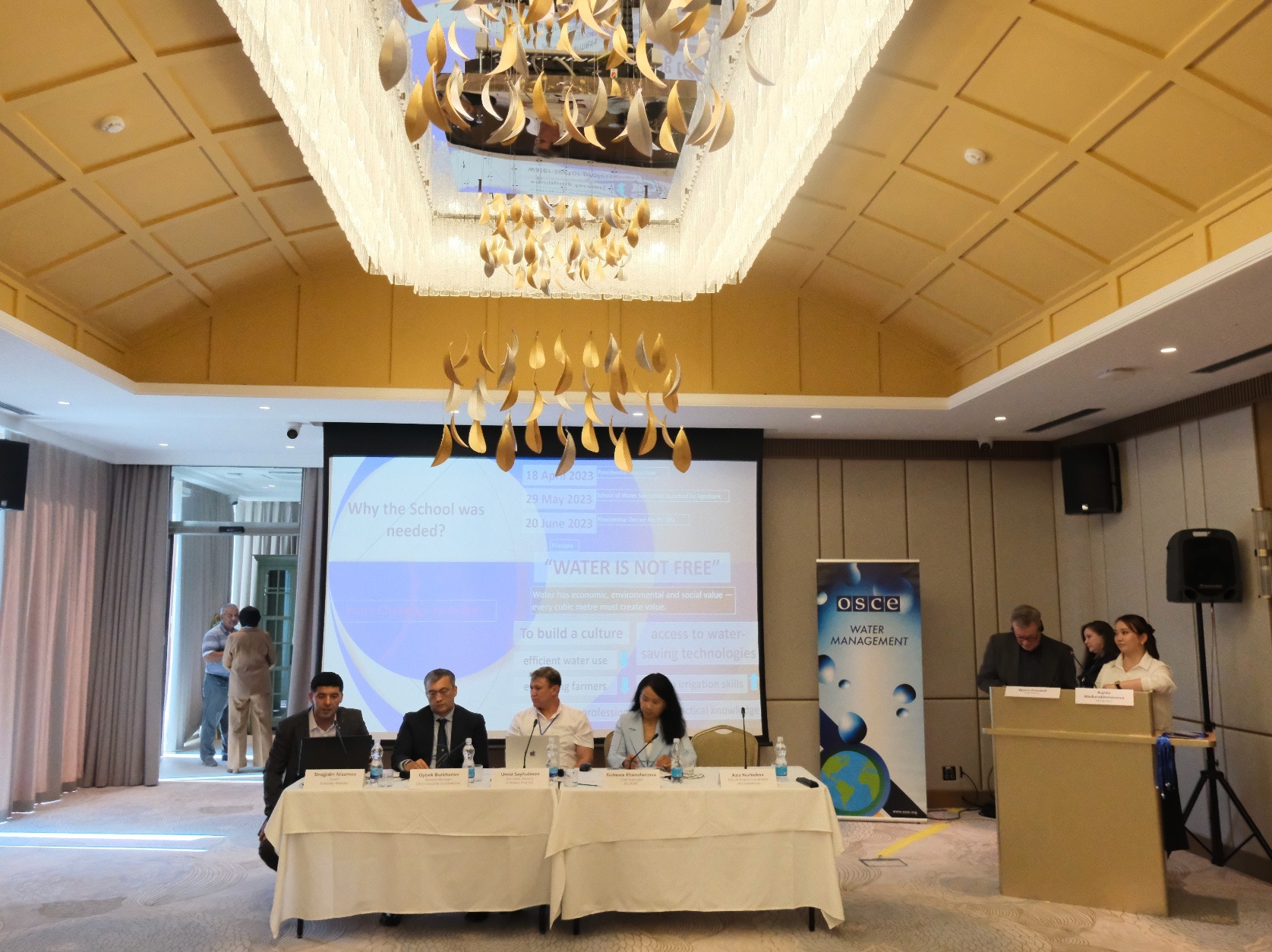
One of the practical examples presented to participants was the ICE STUPA project. Aziz Nurbekov, FOLUR Project Coordinator at the FAO Office in Uzbekistan, presented the experience of creating artificial glaciers as an innovative approach to water storage. He outlined the project’s implementation in Uzbekistan, beginning with a pilot initiative in the village of Sarchashma in Kashkadarya province, followed by similar initiatives in Tashkent province and Bakhmal district of Jizzakh province.
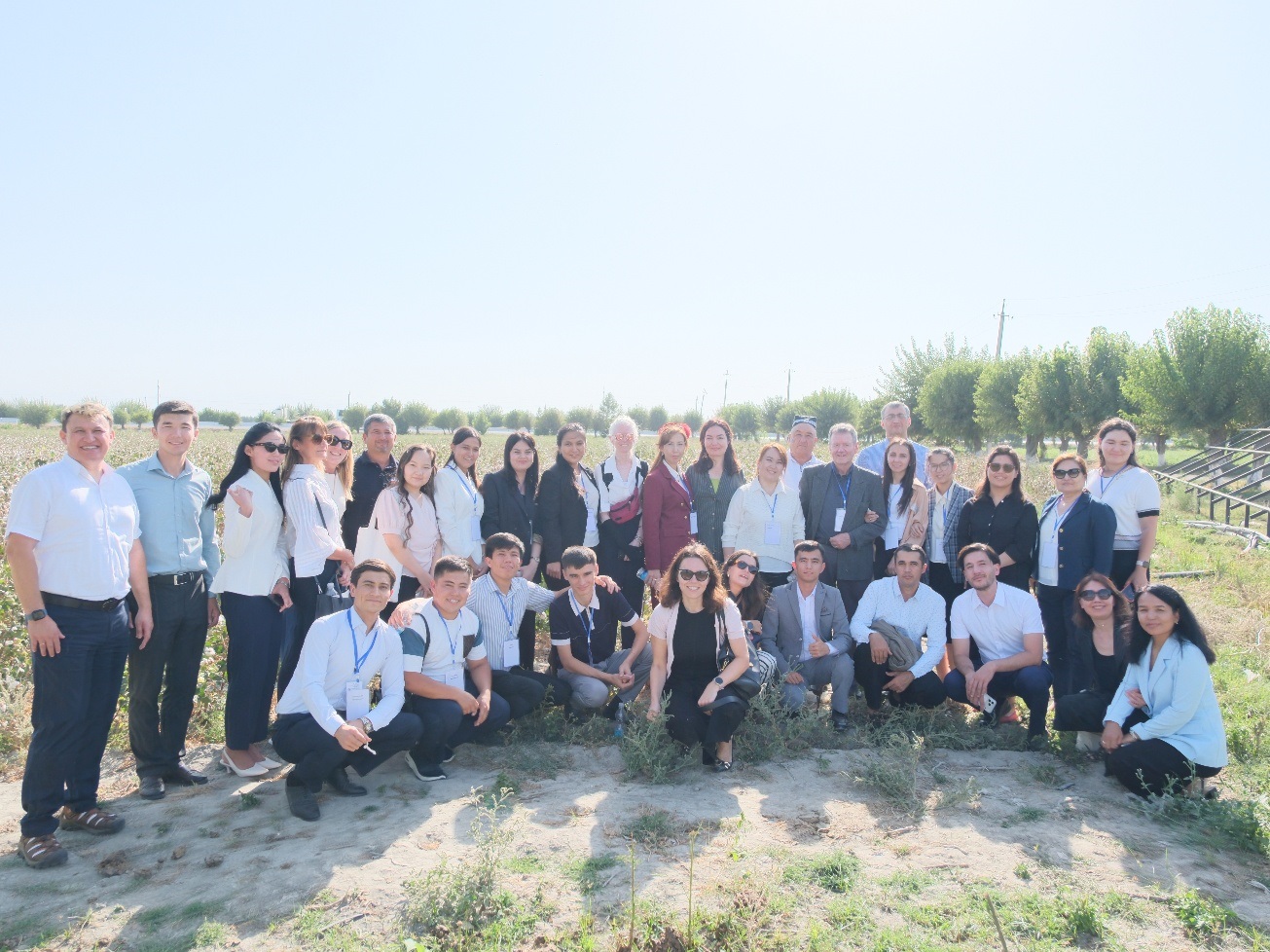
An important part of the first day was a field visit to a cotton field operated by a local farmer in Akdarya district of Samarkand province. Participants learned about the irrigation methods used for cotton cultivation, including drip irrigation. The farmer shared his practical experience with the technology, highlighting its benefits for more efficient water use and its contribution to increasing crop yields. The visit provided participants with an opportunity to see firsthand how water-saving technologies can be applied in agricultural production.
The second day of the hackathon was dedicated entirely to practical teamwork focused on addressing specific water-related challenges in the region. Participants were divided into four working groups according to the event’s main thematic areas:
- the use of remote sensing data to address water-related challenges;
- water quality;
- the Water-Energy-Food Nexus;
- effective water governance and stakeholder participation.
Each group was assigned a specific task within its respective thematic area and spent the day working collaboratively to develop a practical solution to a pressing water-related challenge. Participants analyzed the problem, identified potential solutions and key stakeholders, explored the technologies required, and considered opportunities for putting their proposed solutions into practice.
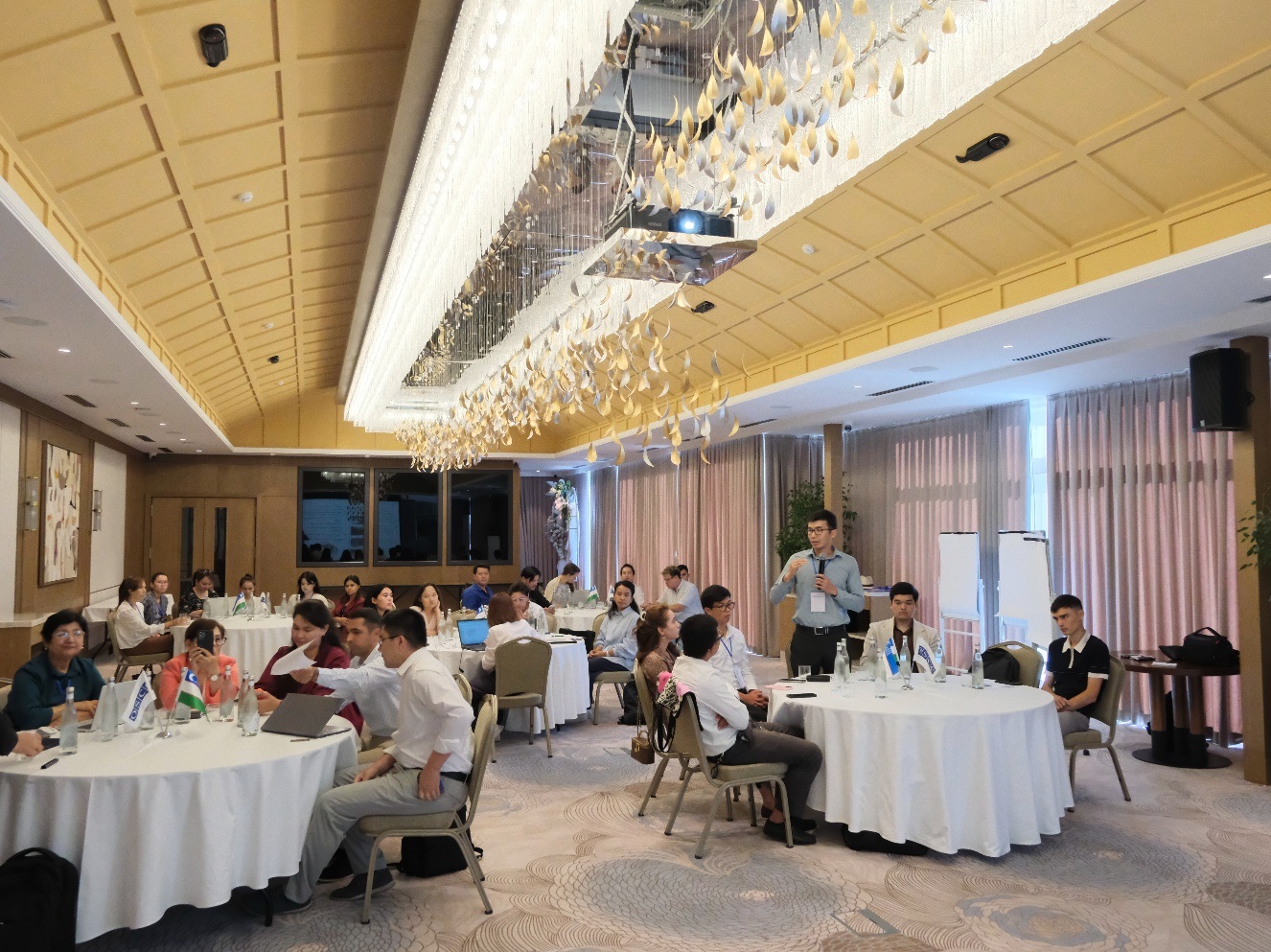
As a result of their collaborative work, all four groups developed concrete pilot projects, which they presented during the final session of the hackathon. The projects demonstrated the participants’ ability to move beyond discussing existing challenges and the potential of modern technologies towards developing practical, innovative solutions with potential for further implementation and scaling across the region.
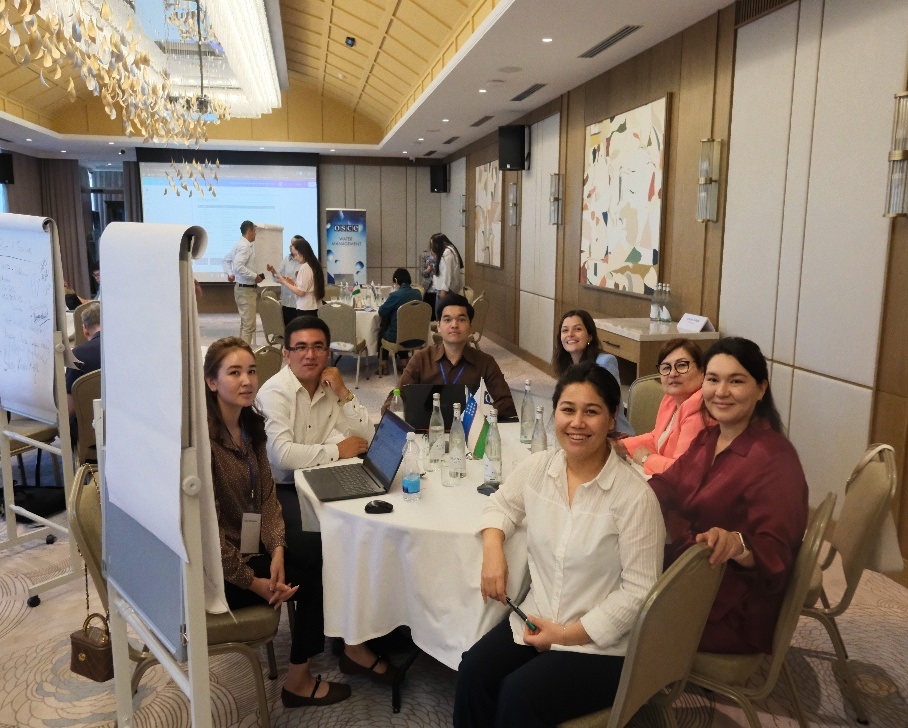
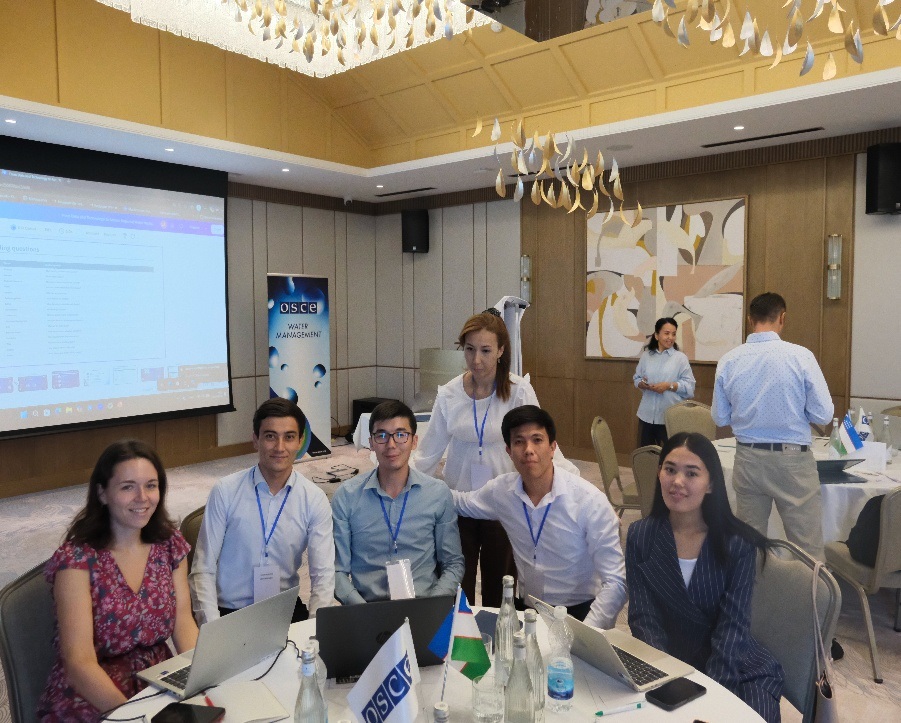
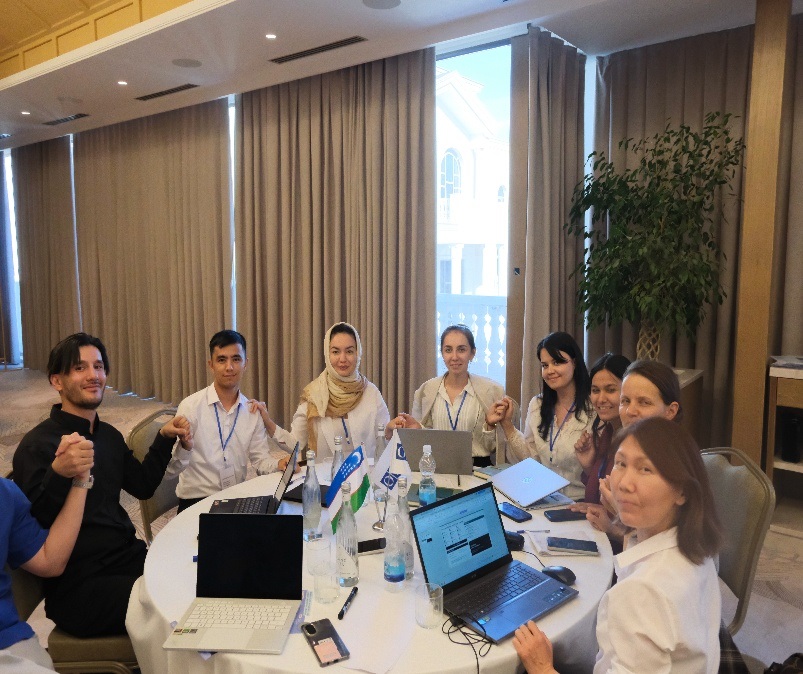
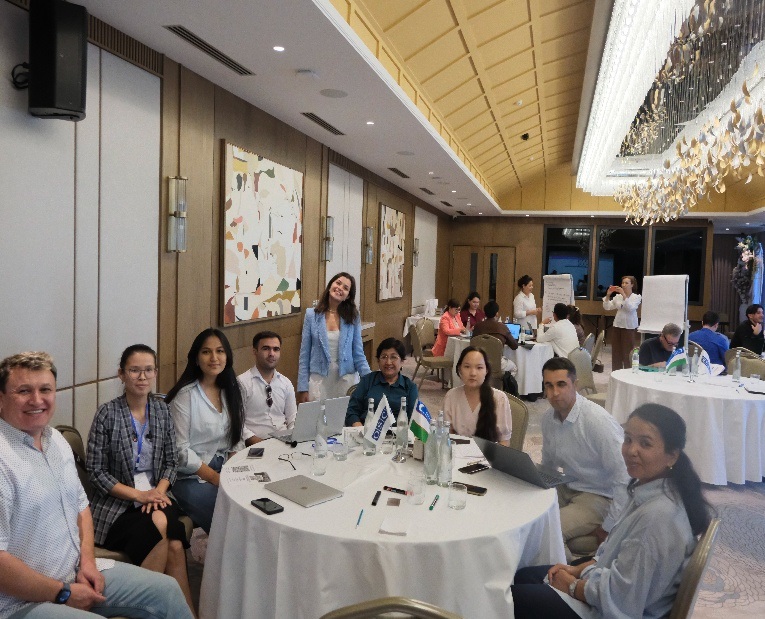
ЗThe event concluded with presentations of the projects developed by the working groups, followed by the awarding of certificates of participation in the Regional Youth Water Hackathon to all participants.
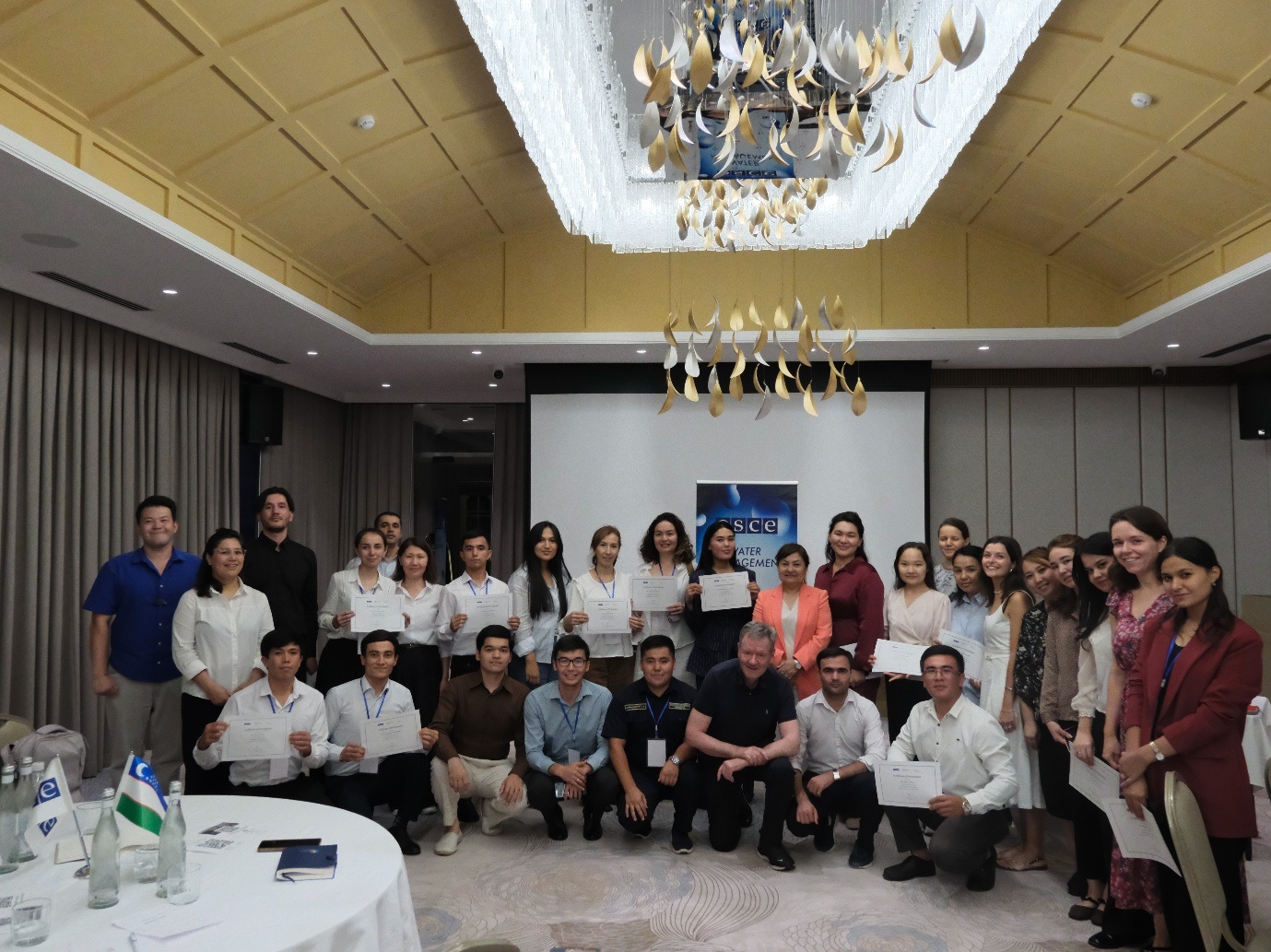
The hackathon provided a valuable platform for exchanging knowledge and experience among representatives of academia, the professional sector, and youth and professional communities. A key strength of the event was its combination of expert discussions, hands-on exposure to modern irrigation technologies, and collaborative work on practical solutions. This approach enabled participants to explore innovative ways to improve the efficiency and sustainability of water resource management across Central Asia.