
No. 94 (755) September 2026
Study Tour to Switzerland on Best Practices in Water Quality Management and Water, Sanitation, and Hygiene
From 14 to 18 September 2026, a study tour to Switzerland was organized to learn about best practices in water quality management and water, sanitation and hygiene (WASH). Representatives of water resources ministries, environmental protection agencies, and relevant scientific institutions from Central Asian countries participated in the study tour. Z. Yarullina participated on behalf of SIC ICWC.
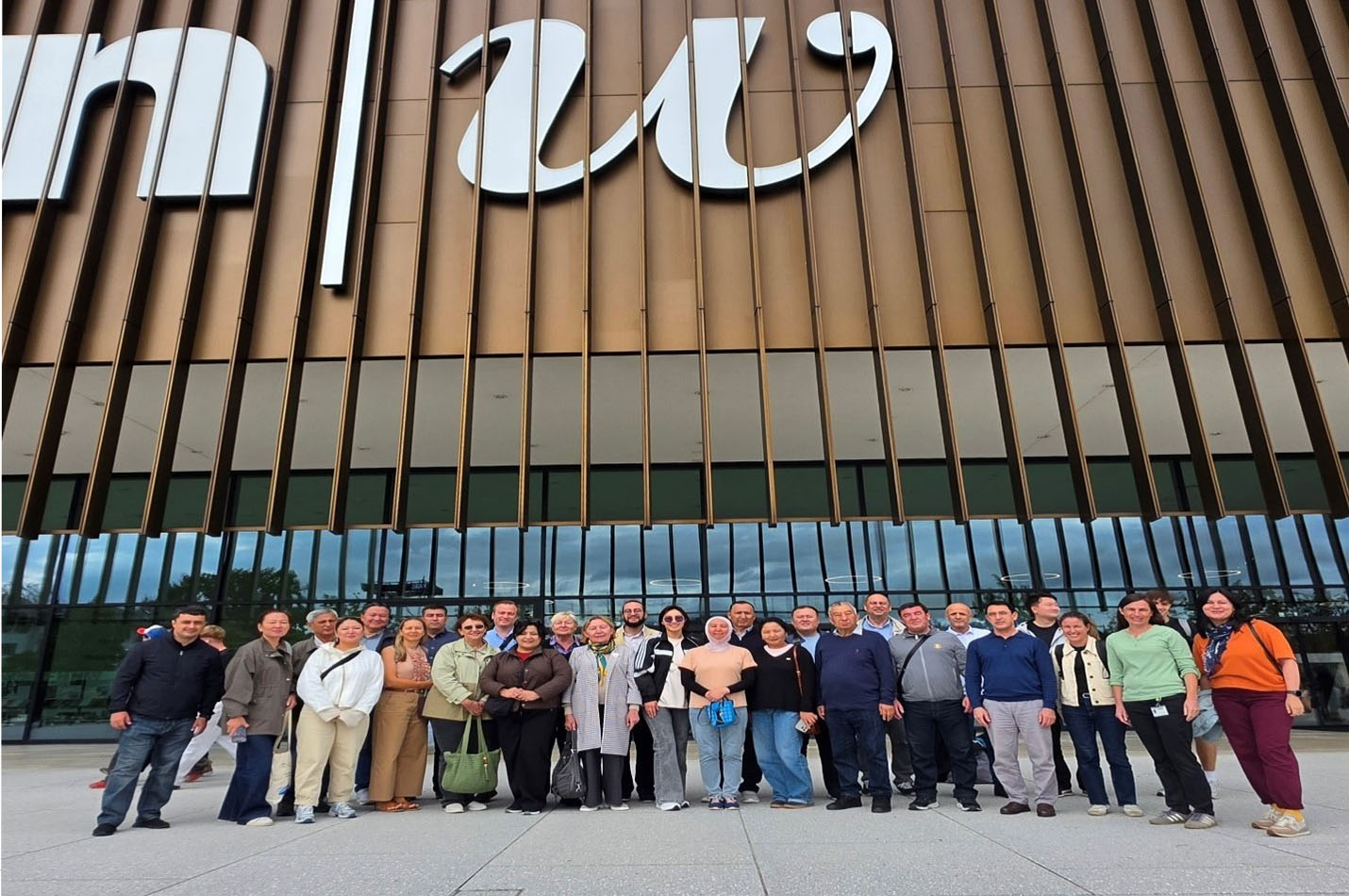
The study tour was organized as part of the Blue Peace Central Asia project by RECCA and the International Water Management Institute (IWMI), in partnership with the University of Applied Sciences and Arts Northwestern Switzerland, with financial support from the Swiss Agency for Development and Cooperation (SDC). The initiative aims to strengthen capacity in water quality management and facilitate knowledge exchange through joint learning and the sharing of experiences and best practices from relevant Swiss organizations.
The study tour aimed to:
- Improve participants’ understanding of the interlinkages between technology, monitoring, data analysis, and decision-making processes;
- Enhance understanding of how water quality monitoring and management systems function and identify the data needed to address specific water resource management challenges, including pollution control and ecosystem protection;
- Strengthen practical skills in water quality assessment, including monitoring planning, sampling strategy development, identification of pollution sources, assessment of wastewater impacts, and interpretation of chemical and biological indicators;
- Develop skills for prioritizing actions under conditions of limited resources by identifying realistic, effective, and practical measures for improvement;
- Raise awareness of the role of ecosystem processes and hydromorphological conditions in restoring the ecological stability of rivers, maintaining water quality, and preserving the functionality of aquatic systems.
As part of the program, participants visited the Birsfelden HPP, where they studied the system for regulating river flows for hydropower generation and learned how environmental requirements are taken into account in operational decision-making.
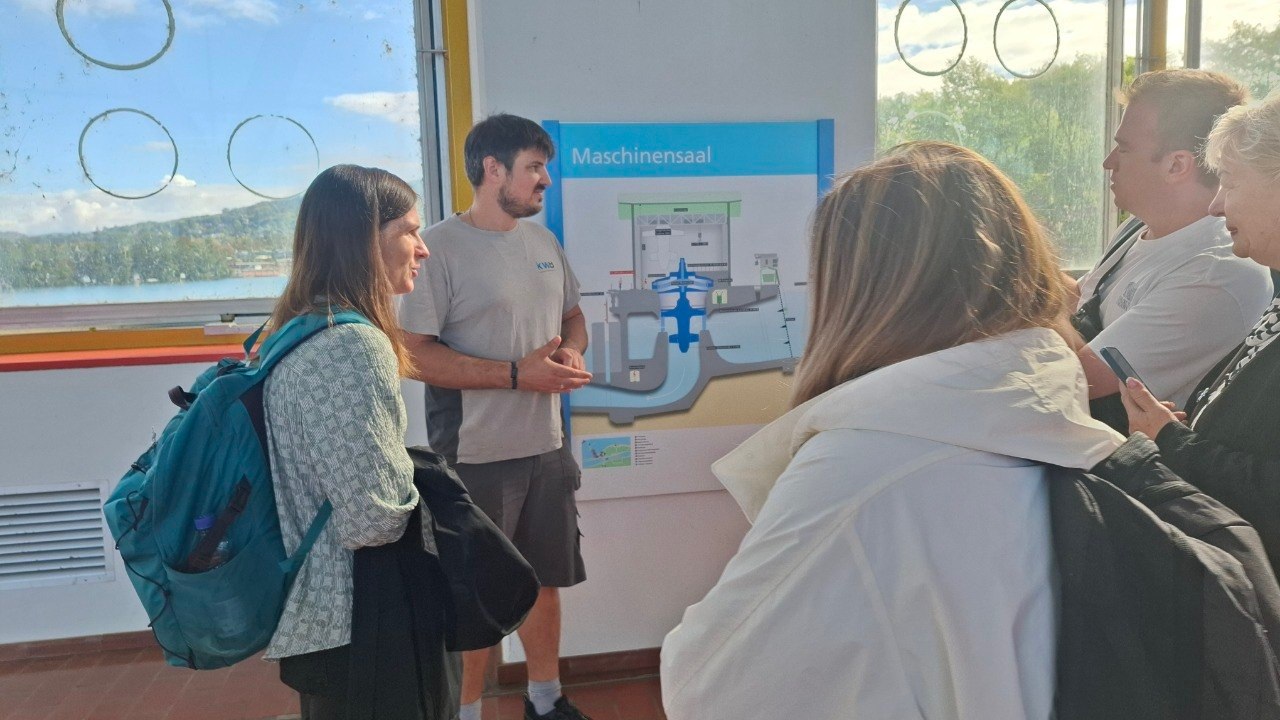
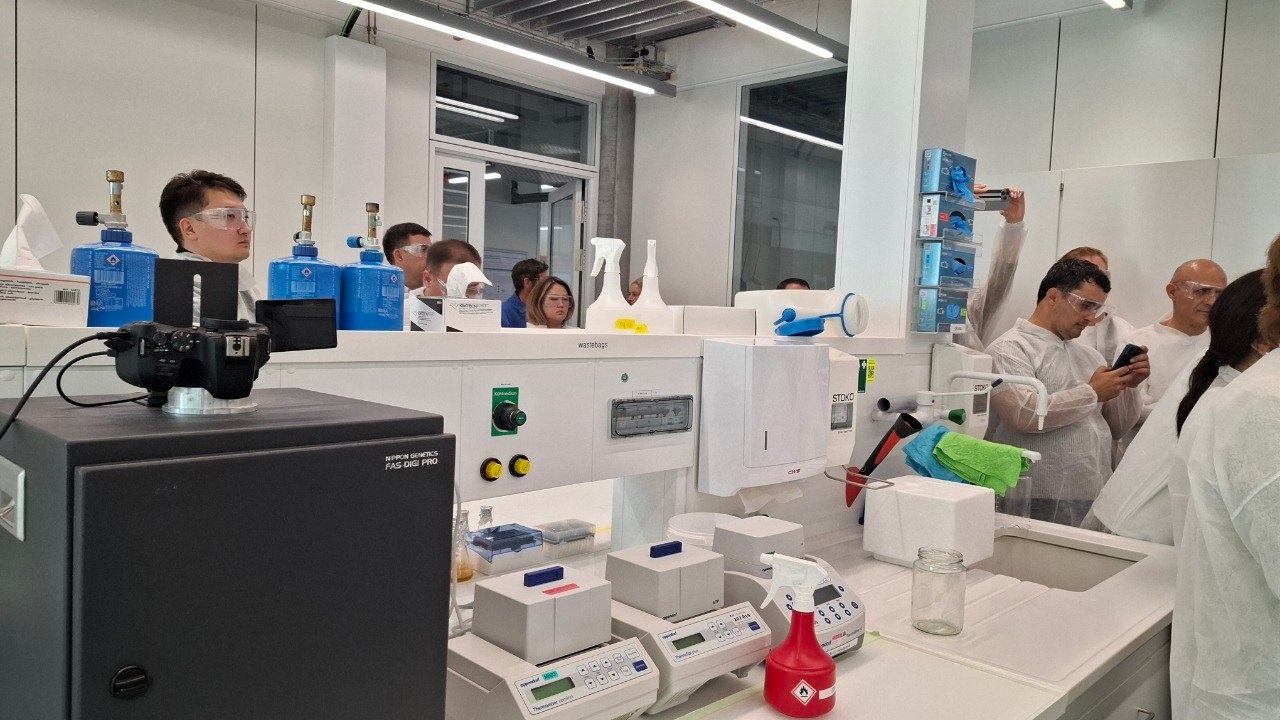
At the University of Applied Sciences and Arts Northwestern Switzerland, participants learned about approaches and tools for monitoring water quality, with a focus on the links between field sampling and data interpretation.
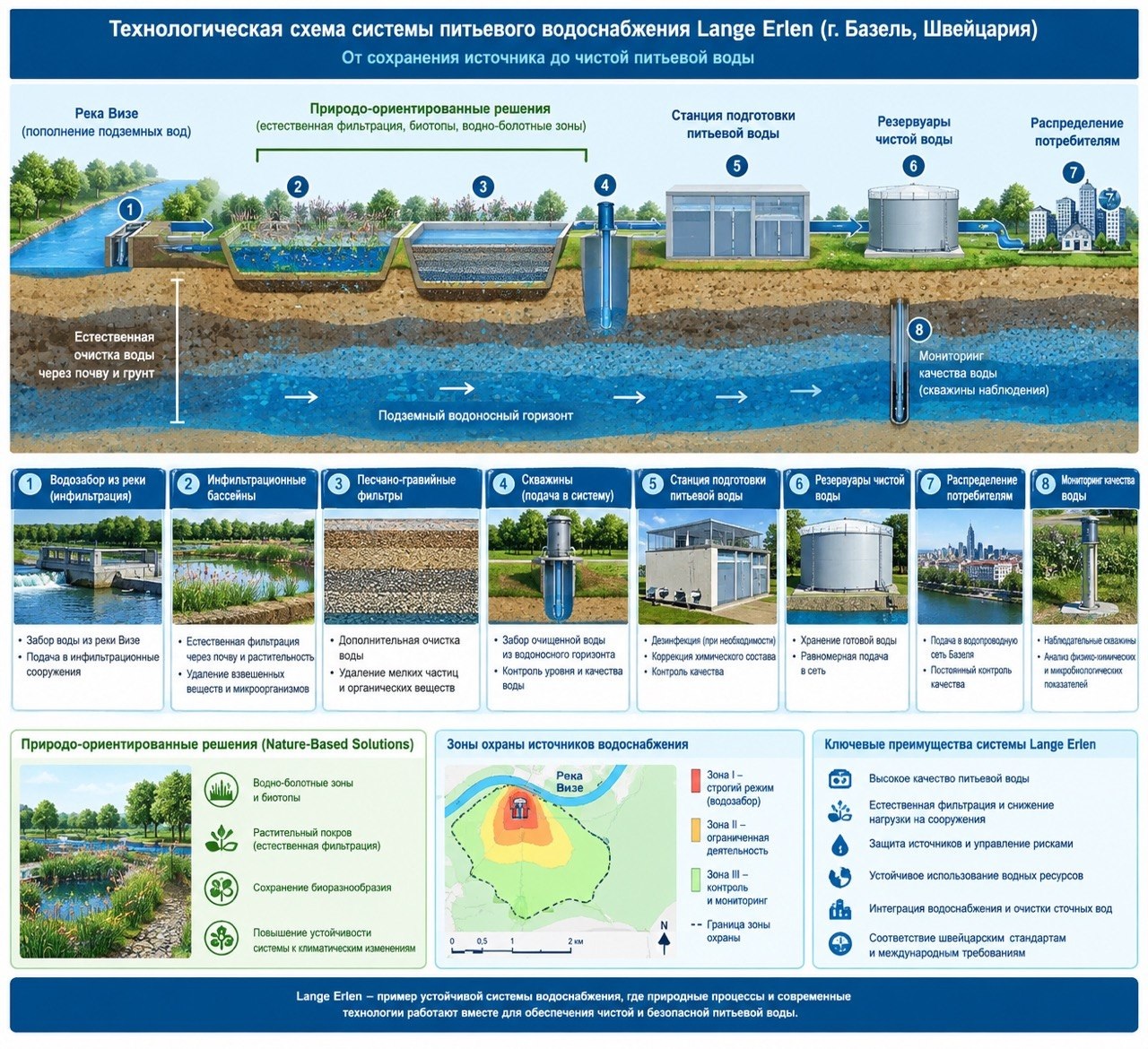
Participants also visited the Lange Erlen drinking water supply facilities in Basel, where they learned about the groundwater abstraction system, water source protection zones, and drinking water treatment processes that incorporate nature-based solutions.
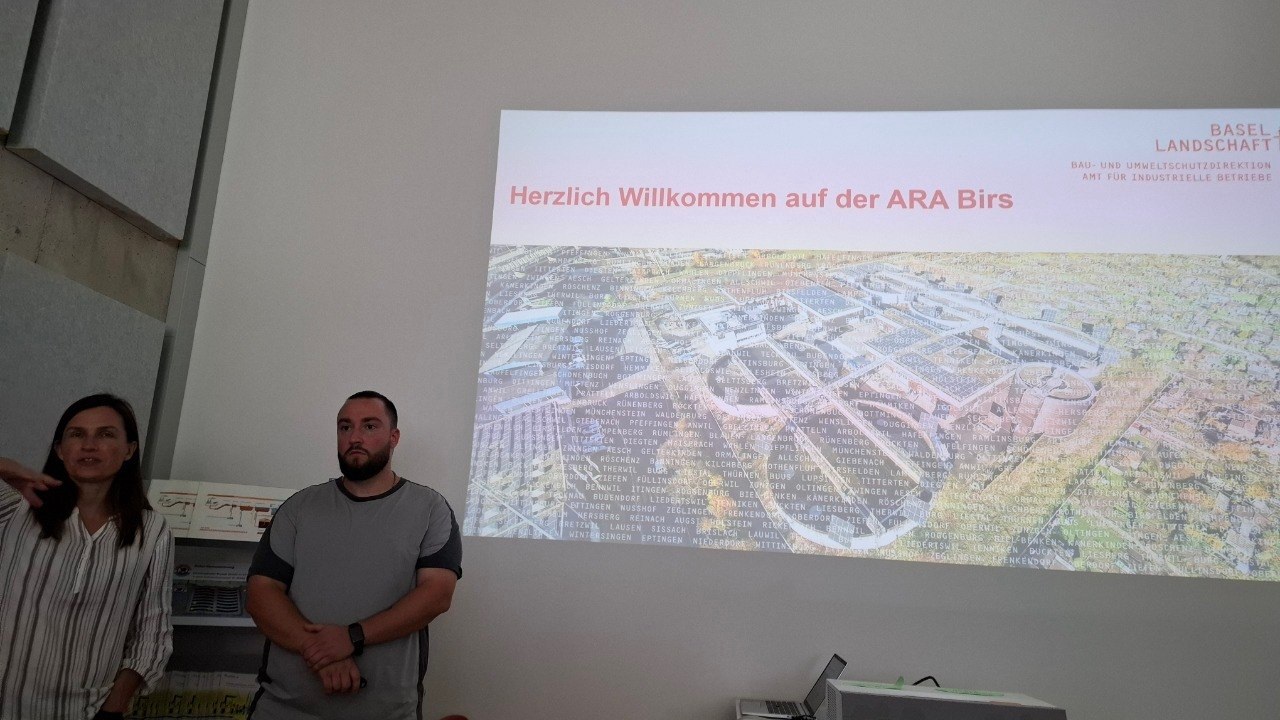
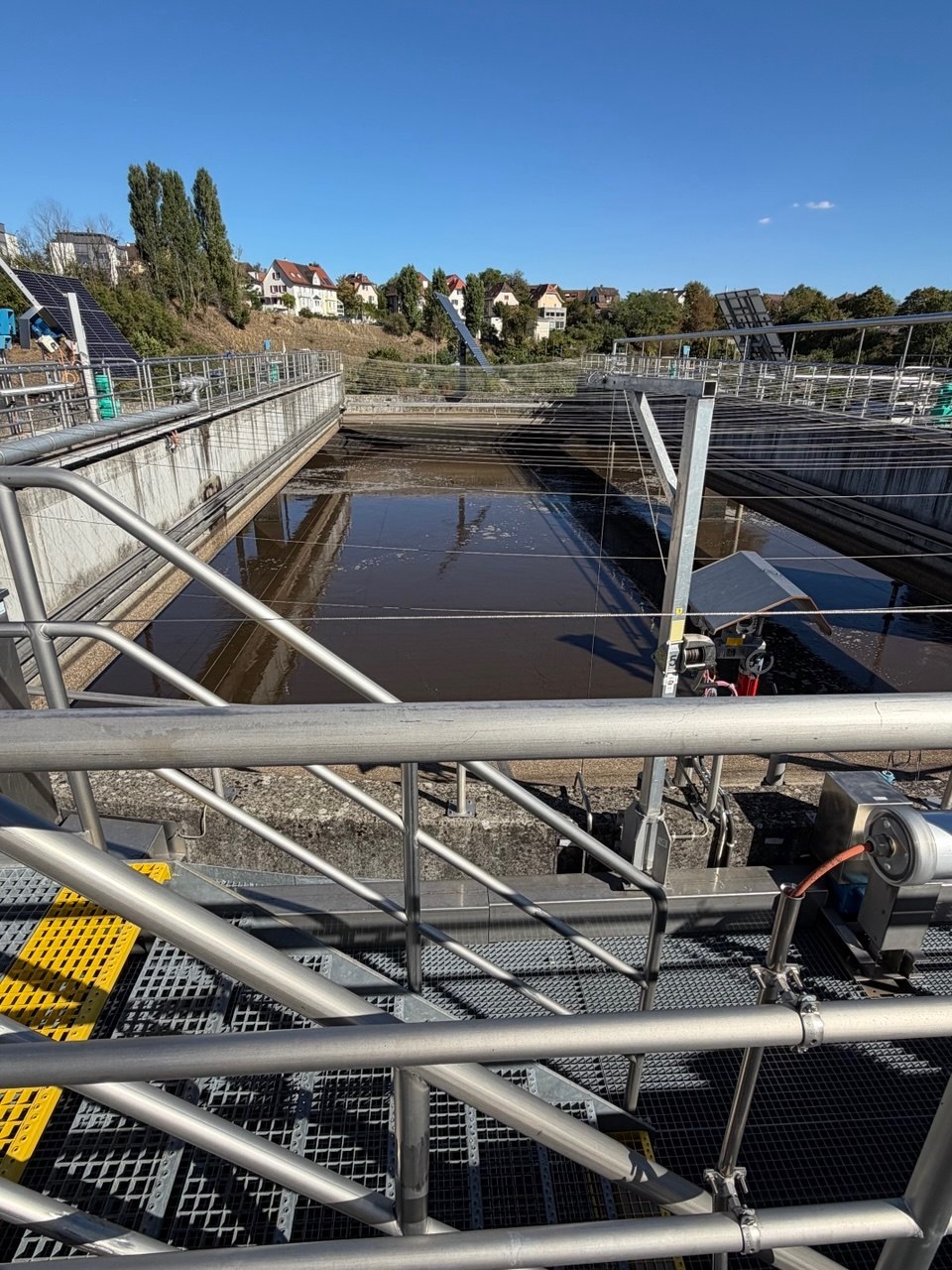
A visit was also organized to the wastewater treatment plant in Birsfelden, where participants were introduced to the entire wastewater treatment process, pollutant removal methods, and the monitoring system. Particular attention was paid to the impact of treated wastewater on downstream water quality and to approaches for setting treatment priorities.
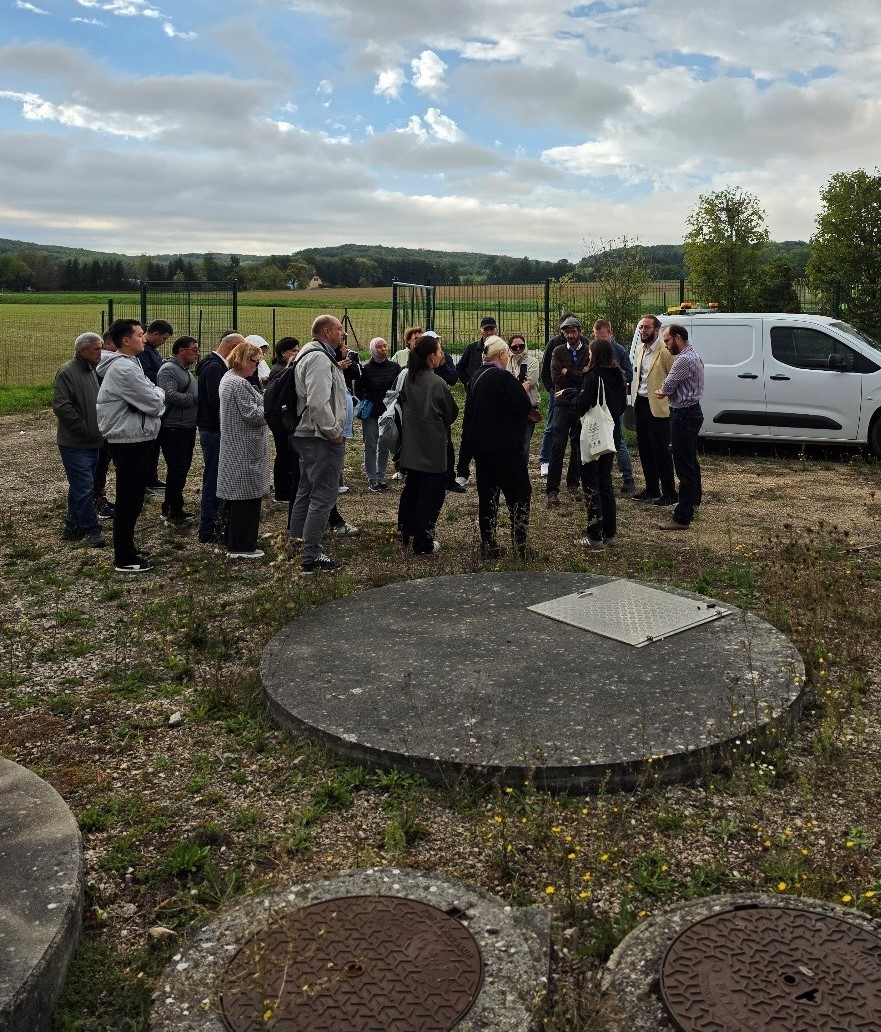
As an alternative to large-scale wastewater treatment facilities, participants studied a treatment system used in small towns in France, where natural aeration in biological ponds is effectively used for wastewater treatment.
The course programme included a visit to Getec’s industrial wastewater treatment facilities, where participants received an overview of the company’s operations and services. In particular, Getec’s location within the Muttenz industrial zone provides significant opportunities for providing contracted services related to auxiliary production processes. These services include the maintenance of electrical, heating, water supply, and wastewater systems.
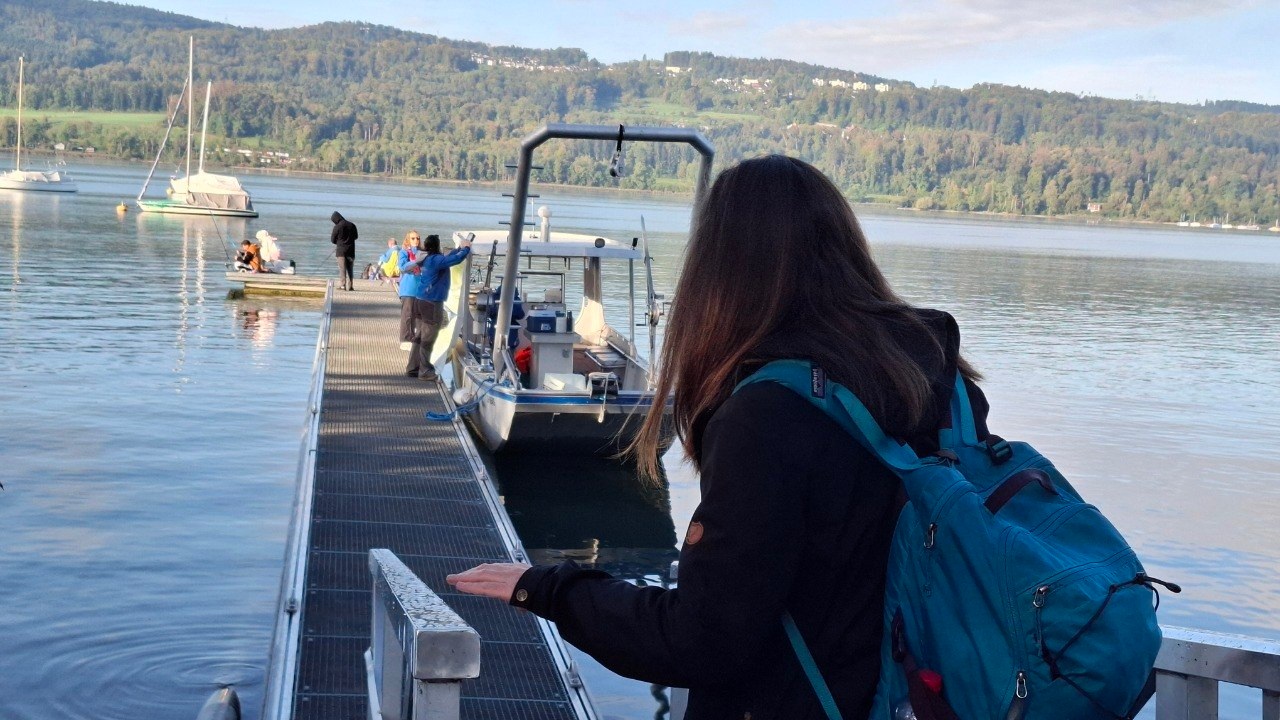
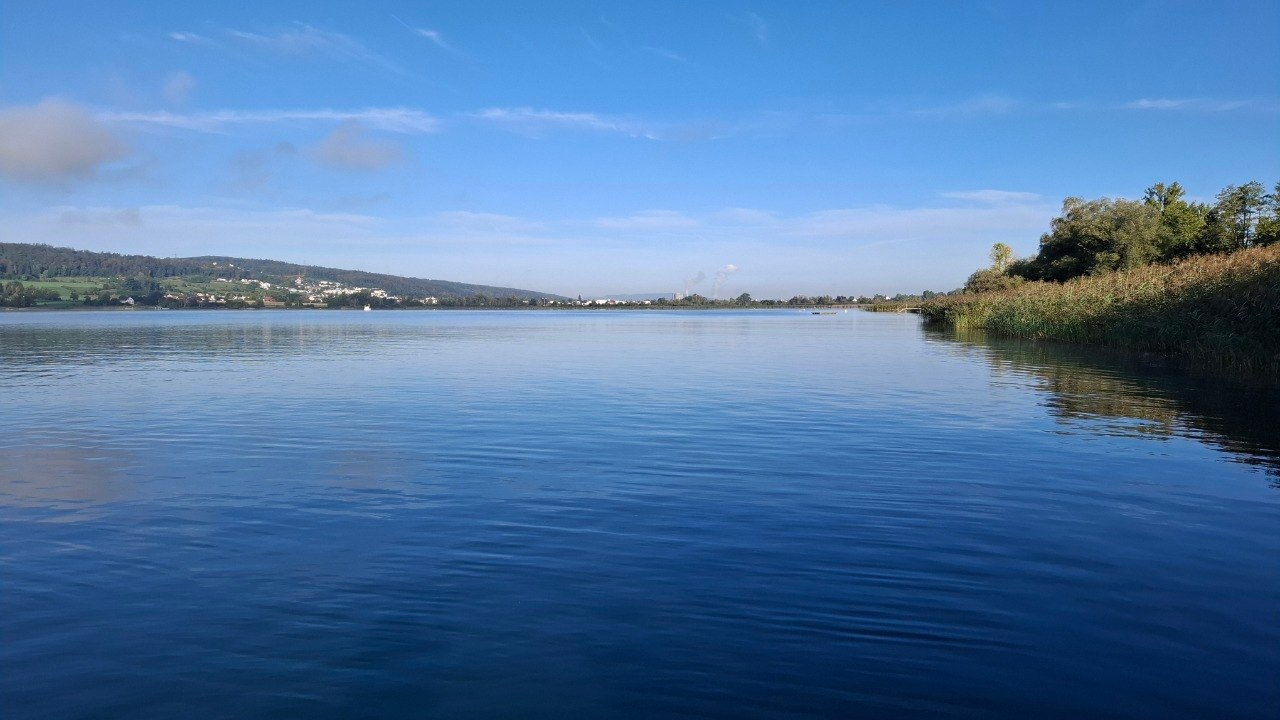
The visit to the Swiss Federal Institute of Aquatic Science and Technology (Eawag) provided an opportunity to study the water monitoring system using Lake Greifensee as an example and to learn about different monitoring methods. Participants also learned how remote sensing can complement field measurements, particularly in regions with limited monitoring infrastructure.
At the end of the tour, participants visited the Swiss Federal Office for the Environment (BAFU), where they learned about the NAWA national monitoring system, including its structure, objectives, and integration of different types of data.
The study tour concluded with a wrap-up session in the form of an open discussion. Participants from different countries presented their practical findings and key lessons learned, identified priority actions for improving water resources monitoring and management, and discussed next steps and opportunities for applying the knowledge and experience gained during the tour.
Following the study tour, country reports will be prepared and presented at the next meeting of the Regional Working Group on Water Quality.
The study tour will contribute to strengthening capacity in water monitoring and further promoting cooperation among Central Asian countries on issues related to water quality.