
No. 104 (765) October 2026
SIC ICWC took part in the Science Policy Dialogue Conference
A Green Central Asia Science–Policy Dialogue 2026: From Scientific Evidence to Informed Climate Policy – Strengthening Regional Cooperation for Climate Resilience in Central Asia was held in Tashkent on 8–9 October 2026. This event was aimed to strengthen relationships between research and climate policy making, regional cooperation and better coordination between international water and environmental initiatives.
The dialogue brought together policymakers of the Central Asian countries, scientists, international partners and development actors. Participants discussed shared regional climate challenges, including rising temperatures, changing precipitation patterns, glacier retreat, droughts and growing pressure on water, land and ecosystem resources. Particular attention was paid to the transboundary nature of these challenges and the need for coordinated regional approaches.
The first day focused on regional climate cooperation, implementation of the Regional Climate Change Adaptation Strategy for Central Asia, the C5+1 cooperation, and development of a common regional agenda ahead of COP31. The Regional Environment and Climate Partnership (RECP) initiative was also presented. It is aimed at institutionalizing dialogue among the environmental ministers of Germany and Central Asian countries. The partnership is expected to be launched at the ministerial level during the next C5+1 summit in Berlin.
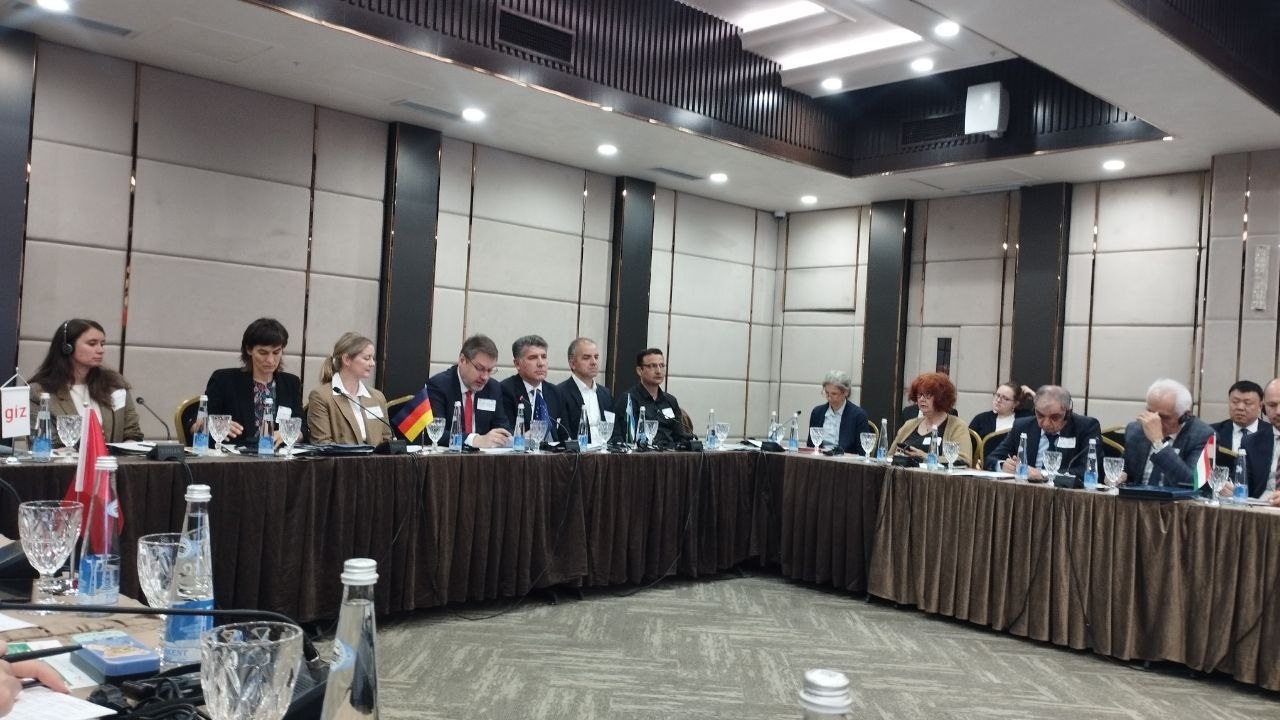
The second day addressed the practical application of scientific knowledge. Experts from the Potsdam Institute for Climate Impact Research (PIK), Martin Luther University Halle-Wittenberg (MLU), and the GFZ Helmholtz Centre for Geosciences presented research and developments on drought preparedness, climate modelling, water and cryosphere monitoring, and climate risk assessments, including implications for water availability and agriculture.
SIC ICWC participated in Panel Session III “Better Together - Aligning Partnerships for Climate Resilience in Central.” The discussion brought together representatives of the Organisation for Economic Co-operation and Development, Blue Peace Central Asia 2.0, the Delegation of the European Union to Uzbekistan, the UN Environment Programme Subregional Office for Central Asia, the OSCE Project Co-ordinator in Uzbekistan, GFZ, PIK and GIZ.
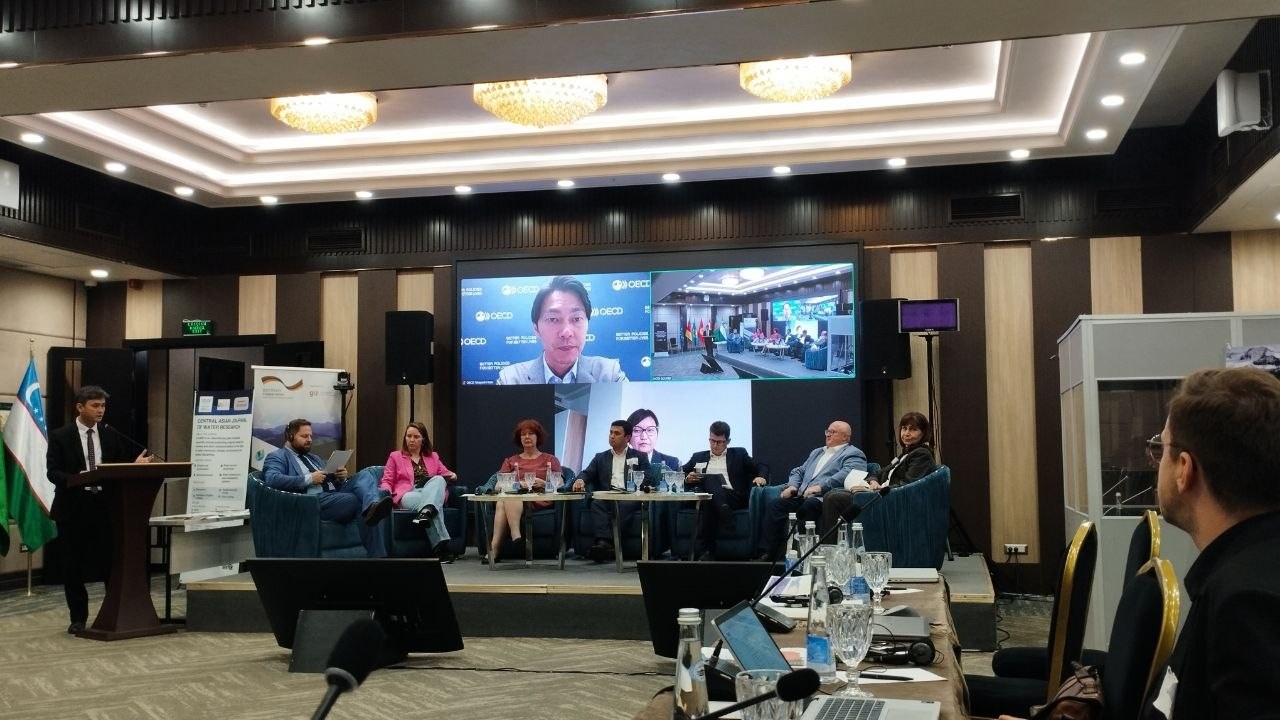
УParticipants discussed ways to move beyond coordination towards practical complementarity among initiatives, including pooling information and expertise, aligning priorities and avoiding duplication. The main focus was on making better use of joint efforts to address regional water and climate challenges.
The discussion highlighted SIC ICWC’s role as a permanent regional institution providing information, analytical, expert, organizational and technical support for water cooperation in Central Asia for over 30 years. The Centre’s accumulated data and analytical resources underpin cooperation with international partners and support management decisions, including through the water–energy–food–ecosystems Nexus approach.
A key issue was the sustainability of international project results. Participants stressed that scientific developments, data, models and recommendations should be integrated into the work of national water management organizations and regional institutions to ensure their continued practical use after project funding ends.
Potential areas for cooperation included developing a regional information base and knowledge portal, expanding data and expertise sharing, and using SIC ICWC as a regional platform for professional training and capacity building in the water sector. Close cooperation with national water management organizations remains essential to address countries’ practical needs and ensure that research findings are put to use.
SIC ICWC’s participation strengthened contacts with regional and international partners and helped identify opportunities for further cooperation. The discussion reaffirmed that effective climate initiatives depend on coordinated institutional efforts and the practical application of scientific knowledge in basin planning, water management and interstate cooperation in Central Asia.