
No. 105 (766) October 2026
Tashkent Statement: The Foundations of Water Cooperation in Central Asia
12 October 2026 marks the 35th anniversary of the Tashkent Statement adopted by the heads of water authorities of the Central Asian republics and Kazakhstan. The document laid the foundation for coordinated water sharing amid major political and economic transformations.
In autumn 1991, the region’s countries faced the challenge of maintaining water cooperation during the transition to new interstate relations. The heads of water authorities of Kazakhstan, Kyrgyzstan, Tajikistan, Turkmenistan and Uzbekistan affirmed a common position: the interconnected nature of water resources in the Aral Sea Basin required coordinated action and consideration of the interests of all basin countries.
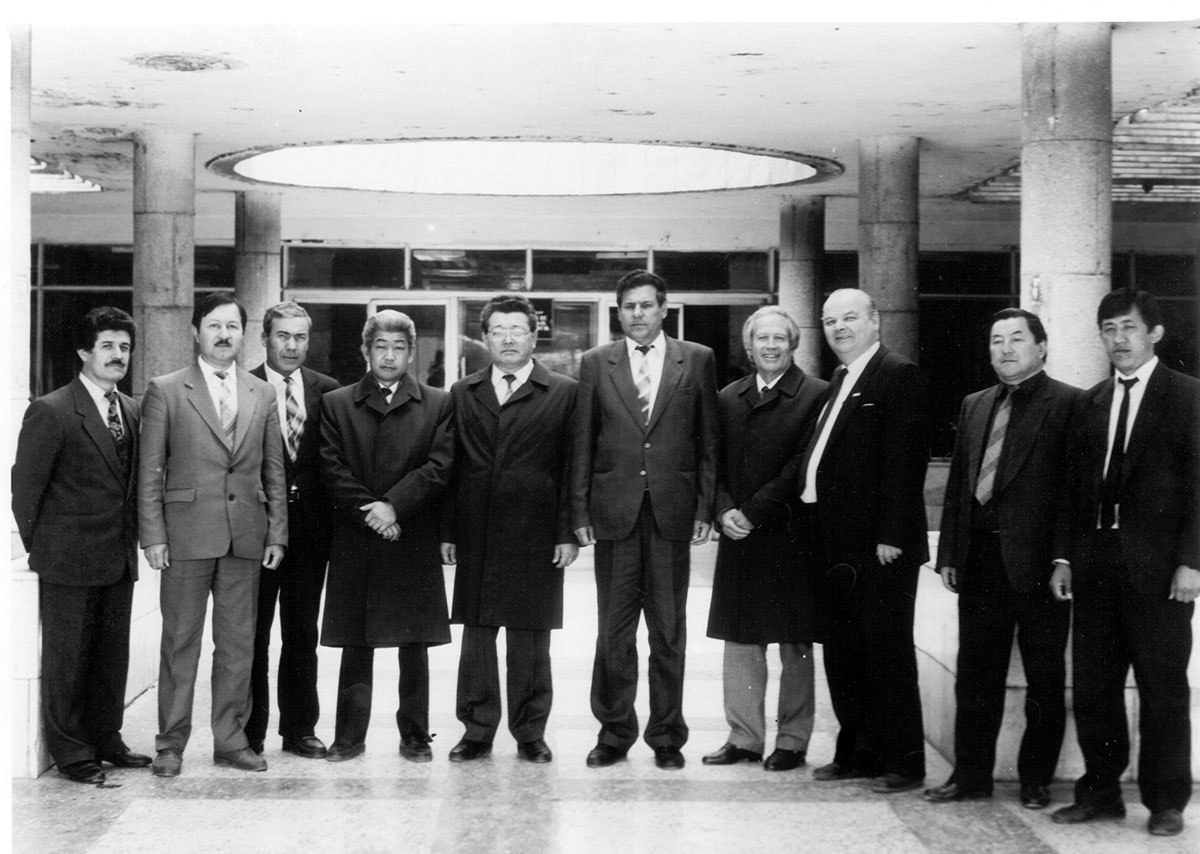
The Tashkent Statement established the republics’ equal rights and responsibilities for rational water use, the need to agree on water withdrawal and use limits, exchange information and refrain from unilateral actions that could harm neighboring countries. Particular attention was paid to ensuring water flows to the lower reaches of the Amu Darya and Syr Darya and to the Aral Sea. The document thus linked the region’s water supply needs with the preservation of its shared environment.
These commitments were further developed in the Agreement on Cooperation in the Joint Management, Use and Protection of Water Resources of Interstate Sources, signed by the five countries on 18 February 1992. The same year in December, the Statute of the Interstate Commission for Water Coordination of Central Asia (ICWC) was approved. Subsequent agreements concerning the Aral Sea and its surrounding region, along with the activities of the International Fund for Saving the Aral Sea, further strengthened the institutional framework for regional cooperation.
The significance of the Tashkent Statement lies primarily in ensuring continuity in joint water management. At a historic turning point, water authorities maintained professional dialogue and reaffirmed their commitment to coordinating decisions on shared water.
Today, this legacy takes on renewed practical importance. Climate change, growing water demand and increasing pressure on ecosystems call for alignment of water, energy, agricultural and environmental policies. Reliable data, joint monitoring, basin planning and assessments of the transboundary effects of decisions are becoming increasingly important.
The principles established in the Statement remain relevant: recognizing countries’ interdependence, ensuring predictable water use and finding solutions based on mutual interests. Advancing cooperation requires translating these principles into coordinated operating regimes for water infrastructure, reliable information exchange and joint ecosystem protection measures.
The anniversary of the Tashkent Statement provides an opportunity to recognize the contribution of professionals who preserved the foundations of regional cooperation and to emphasize shared responsibility for its future. Sustainable water supply in Central Asia depends on countries’ ability to maintain trust and translate agreements into practical results for people, economies and the environment.