
No. 108 (769) October 2026
Fifth Meeting of the Regional Network as part of the EU-UNEP Project: Official Opening of Subproject Facilities and Development of a Regional Network Sustainability Strategy
On 8–9 October 2026, the Fifth Meeting of the Regional Network of the EU–UNEP Project was held in Osh, Kyrgyz Republic. The meeting focused on the official opening of facilities implemented under the subprojects of the OO “Central Asian Alliance for Water and Ecology” (CAAWE) and the development of a strategy to ensure the long-term sustainability of the regional network.
Official Opening of the Modernized Alysh-Bashy Head Intake
On the morning of 8 October, the modernized Alysh-Bashy Head Intake was officially launched in S. Yusupova aiyl aimak in Aravan district, Osh province.
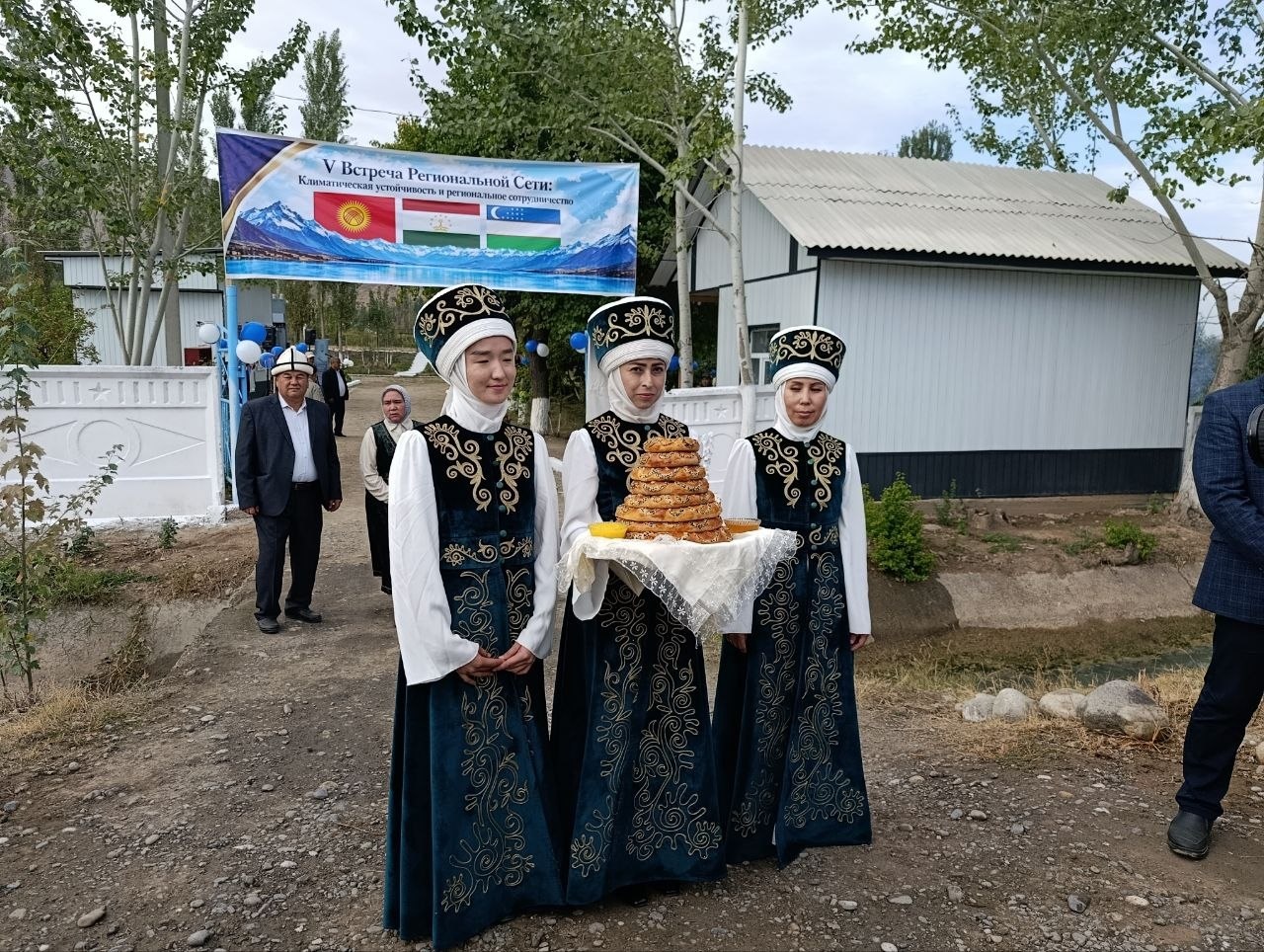
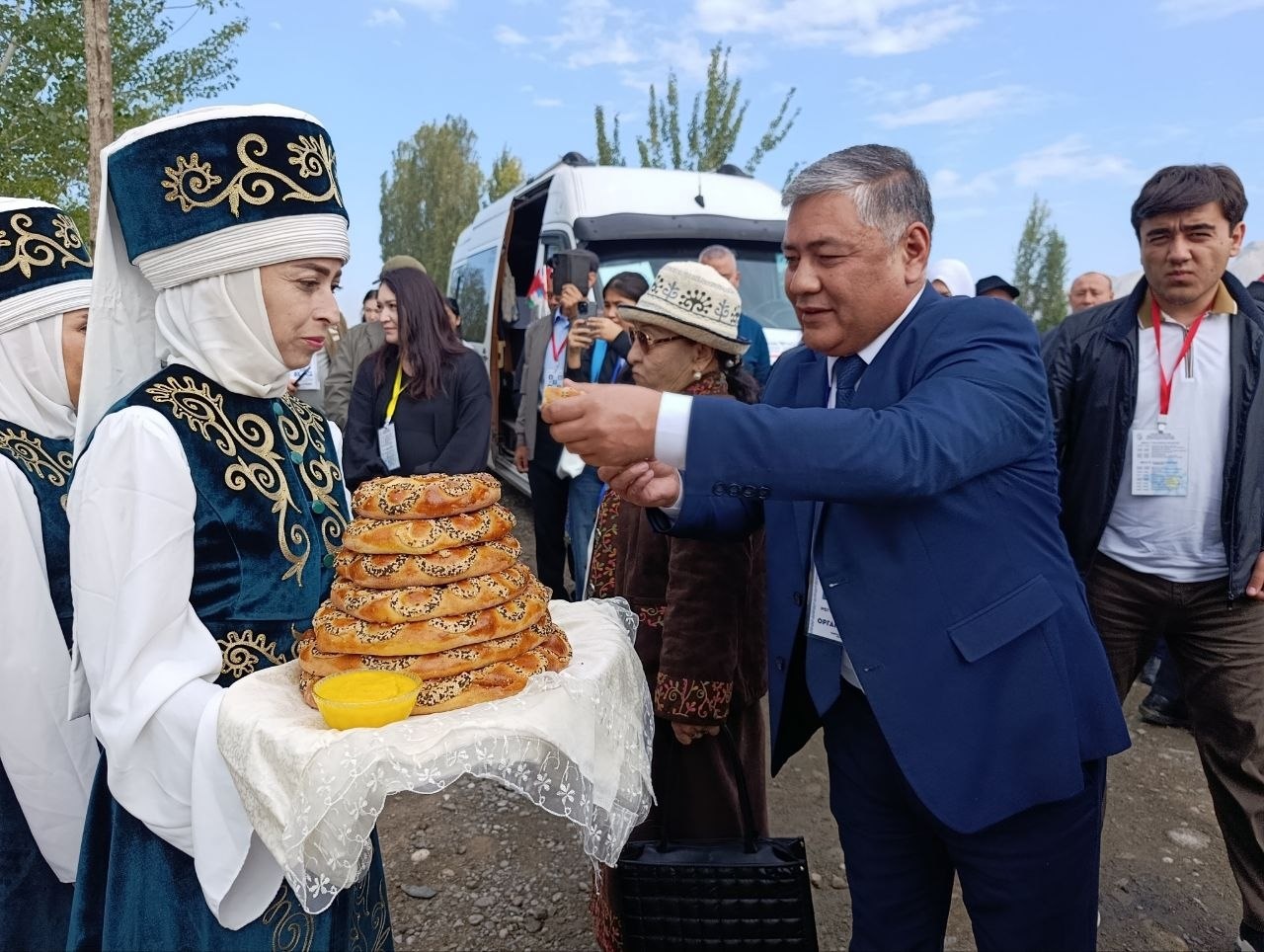
The facility was constructed in 1970 to provide the local population with drinking water. However, no major repair or rehabilitation had been carried out over the past 30 years, leaving the intake facility virtually abandoned. During this period, drinking water was available for only 2–4 hours per day, while frequent power outages caused disruptions to pumping operations and water supply to the population.
The local community identified the facility as a priority for rehabilitation and modernization. In response, experts from SIC ICWC proposed key approaches to incorporating nature-based solutions and harnessing green energy.
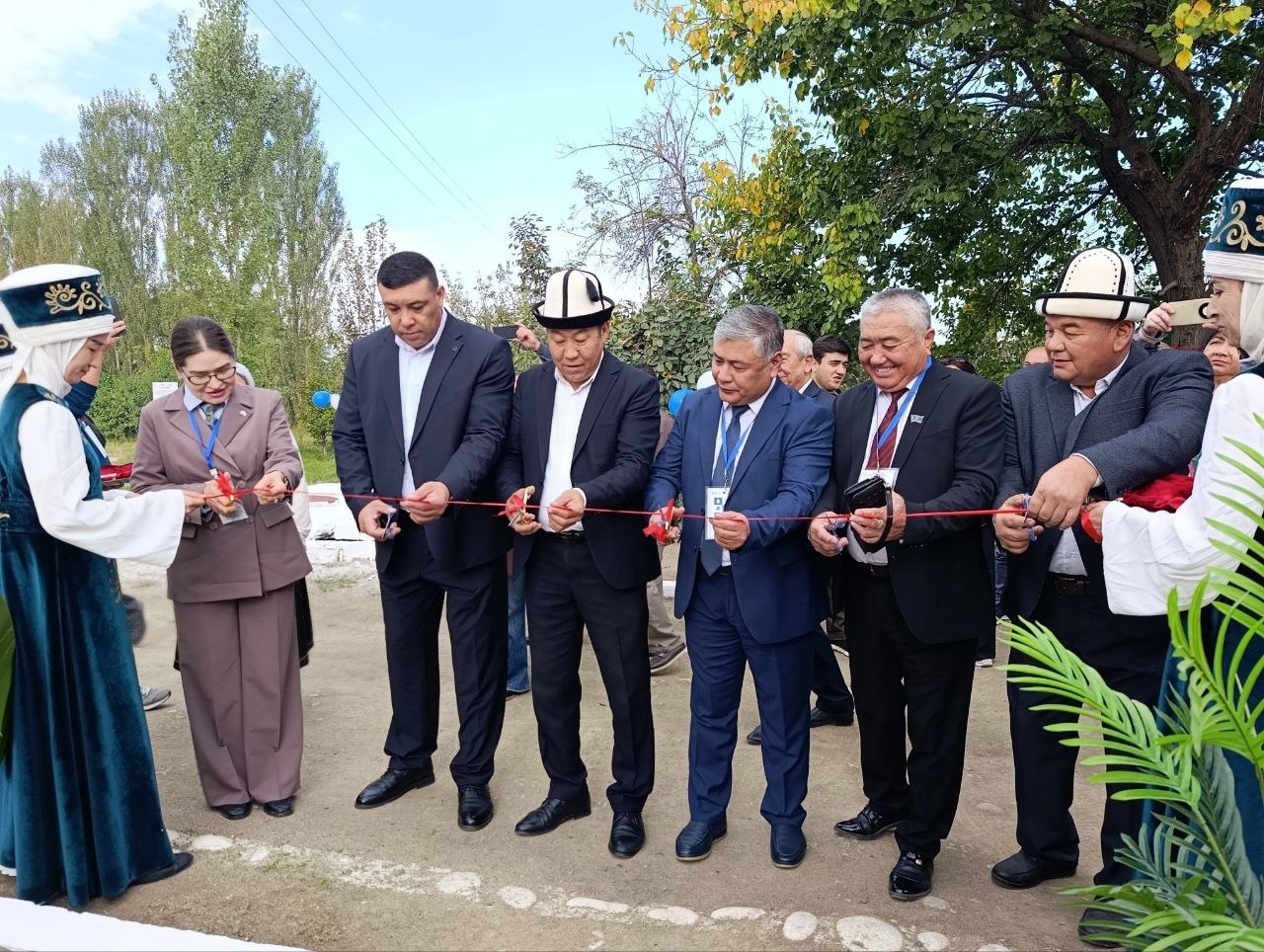
S. Yusupova aiyl aimak/village is home to more than 7,000 people in 2,620 households. The majority of residents are ethnic Uzbeks, while young people account for more than half of the population.
As part of the subproject, the Head intake was fully rehabilitated and upgraded, and a sanitary buffer zone was arranged through nature-based solutions. Local community was actively engaged in this work, drawing on the traditional practice of hashar — voluntary collective community work. In addition, a solar power system of a total installed capacity of 30 kW was installed to provide uninterrupted supply of energy to pumping equipment.
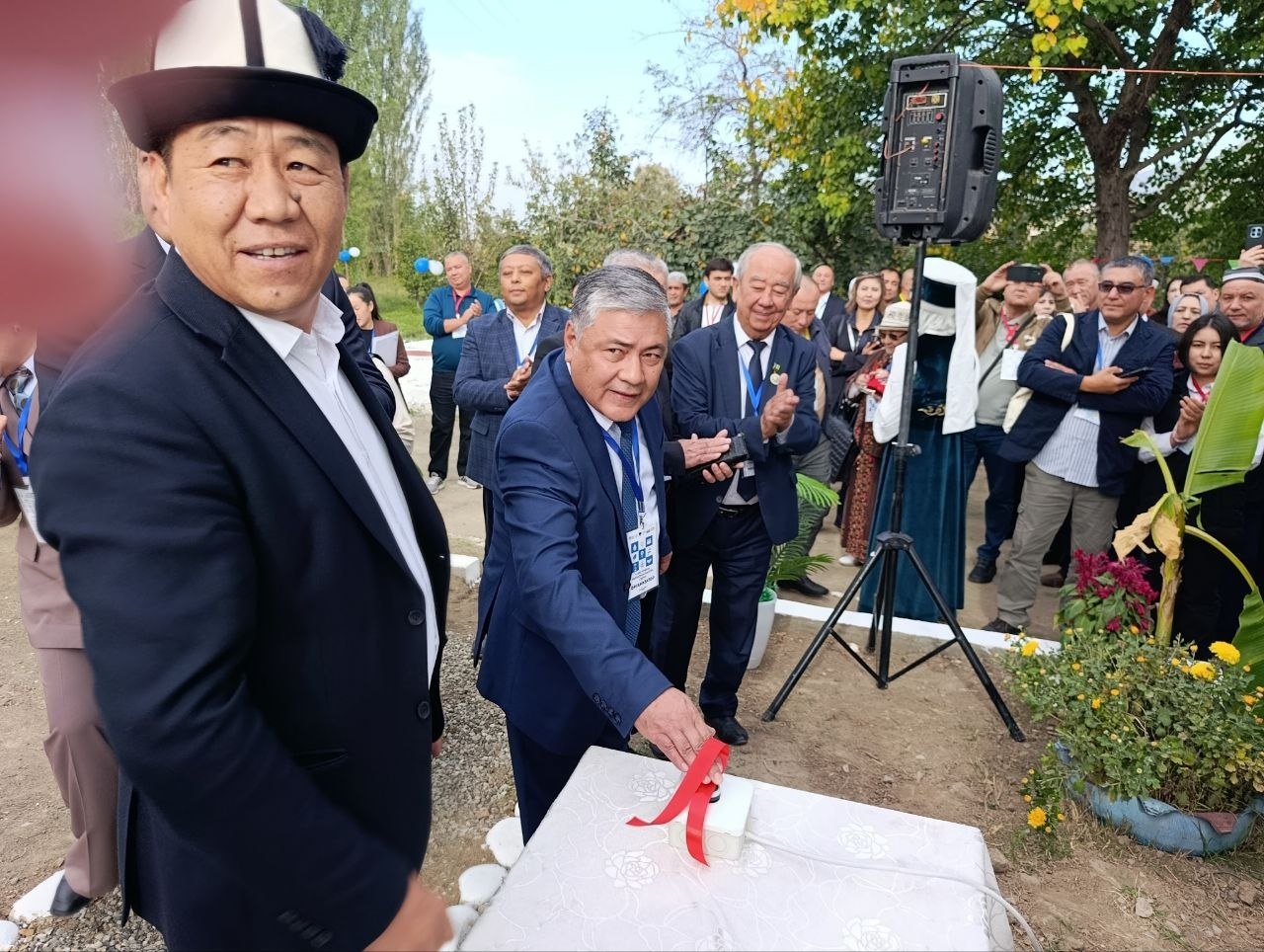
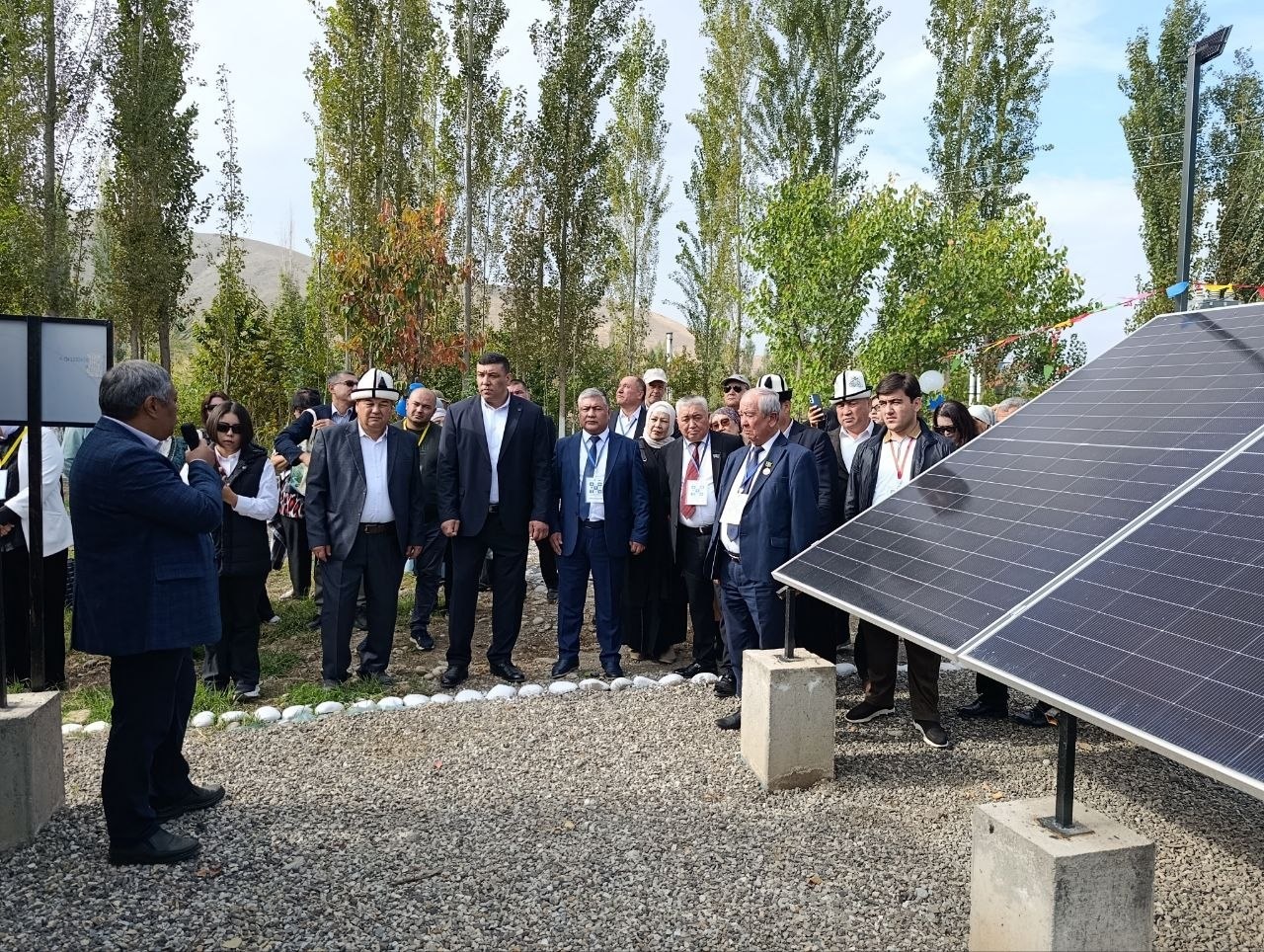
As noted by Mr. Abilov, First Deputy Akim of Aravan district, timely and uninterrupted water supply has always been a key priority for local communities. In his remarks, Mr. Kadirov, Head of the aiyl aimak, emphasized that the implemented approach had enhanced the climate resilience of essential rural infrastructure.
As a result of the subproject:
- all households in S. Yusupova aiyl aimak now have access to drinking water;
- duration of daily drinking water supply has increased from 2–4 hours to 8–10 hours;
- the frequency of interruptions has decreased by at least 40%;
- electricity costs have decreased by 30% for the Ak Niet-Aravan municipal water utility;
- the current water tariffs for residents will remain unchanged through the end of 2027.
Official Opening of the Modernized Tash-Aral Canal
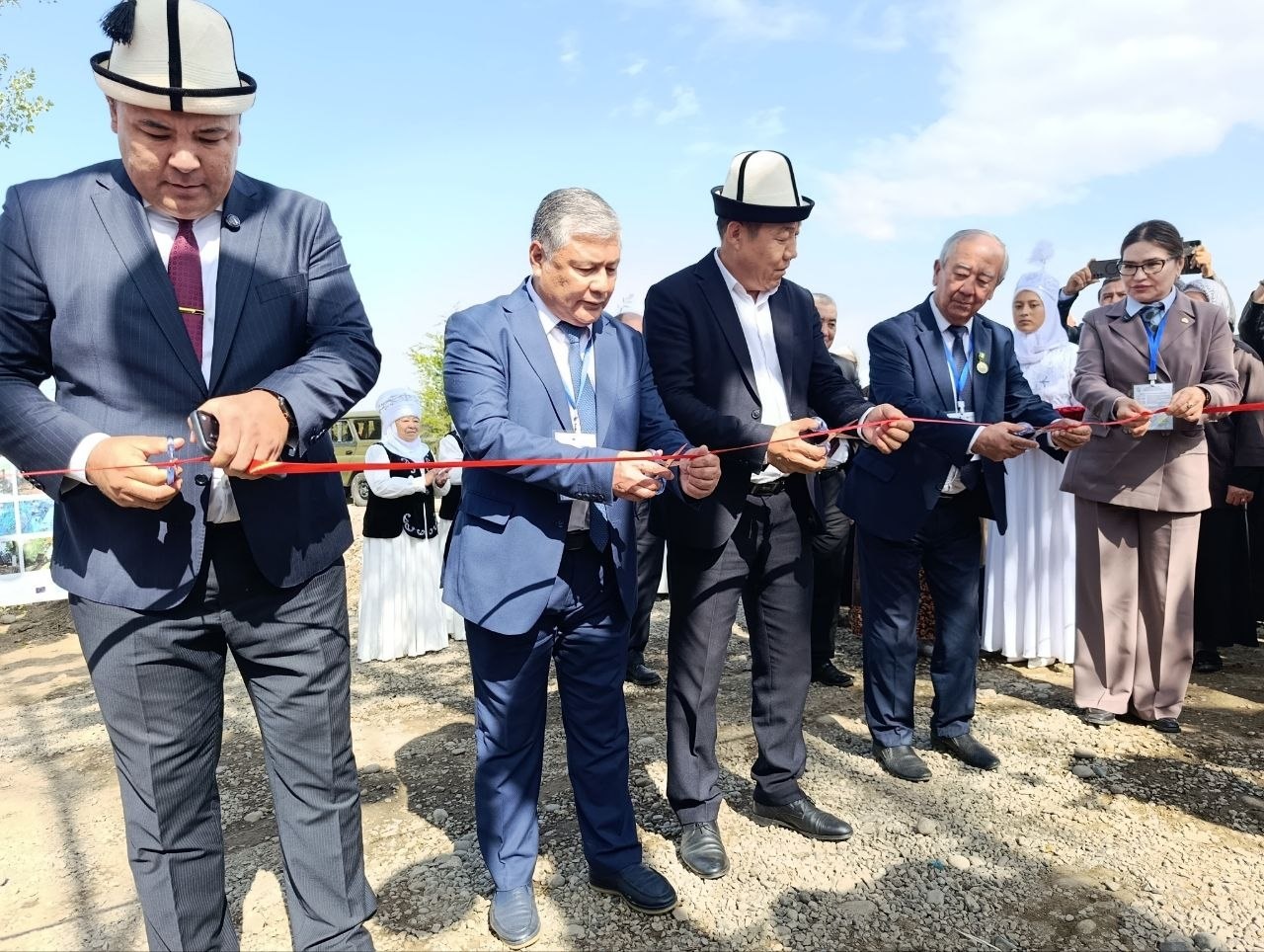
In the afternoon of 8 October, the modernized transboundary unlined irrigation canal was launched in Dobo-Korgon aiyl aimak in Aravan District, Osh province.
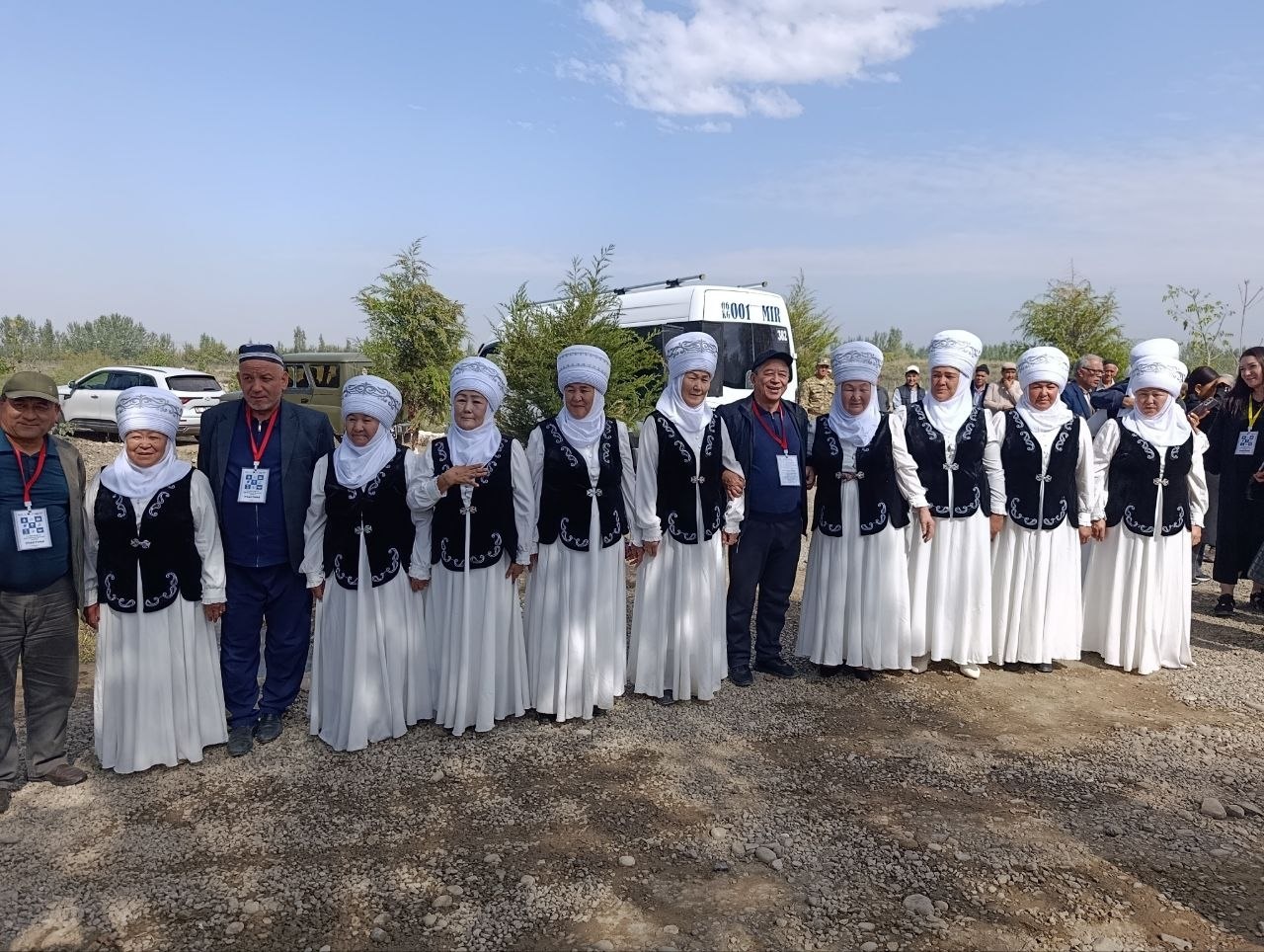
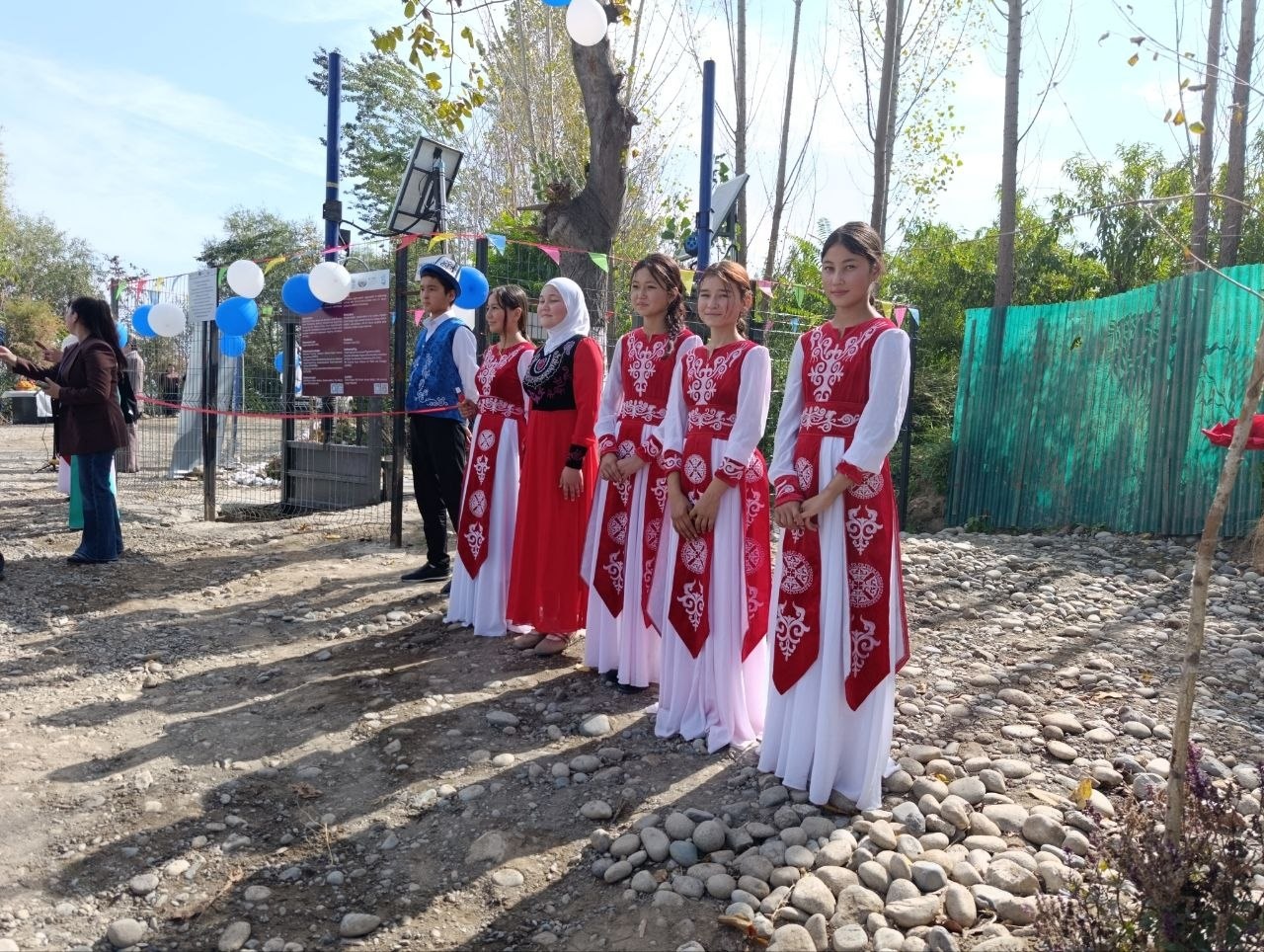
The Tash-Aral irrigation canal was constructed in 1960 and serves as an important transboundary facility. It supplies irrigation water to agricultural land in Dobo-Korgon aiyl aimak of Aravan district, Osh province, Kyrgyzstan and in Markhamat district of Andijan province, Uzbekistan.
For many years, the canal had not undergone repair or cleaning, and no proper system was in place for water measuring. As a result, farms and households in Dobo-Korgon aiyl aimak often failed to have water in due time and quantity, while water losses increased significantly. Additionally, water management organizations in Kyrgyzstan and Uzbekistan often had disputes over implementation of agreements on supplying water though this transboundary canal.
Currently, the Tash-Aral canal irrigates a total of 730 ha. It serves 384 farms and delivers irrigation water to 526 households in Dobo-Korgon aiyl aimak.
As part of the subproject, a section of the Tash-Aral canal was cleaned, rehabilitated, and reinforced using bioengineering methods. Protective green belts were arranged along the canal by planting trees, shrubs, and grasses. The work was completed with active community participation, drawing on the traditional practice of hashar.
An autonomous digital water-level monitoring station was also installed to monitor flow in the canal. The solar-powered station transmits data in real time.
In his welcoming remarks, S. Dumurov, Head of Dobo-Korgon Aiyl Aimak, emphasized the importance of reliable irrigation water supply for local farmers. He noted that crop yields, livelihoods, and food security of local population depend directly on the timely delivery of irrigation water.
As a result of the subproject:
- more than 800 m of the irrigation canal were cleaned, increasing its flow capacity from 200 l/s to 800 l/s;
- measures were taken to control erosion and keep soil out of the canal, reducing the risk of further siltation;
- instrumental monitoring of water level was installed to ensure unbiased accounting of water conveyed along the transboundary canal;
- daily water-level monitoring and real-time data transmission were arranged in support of timely and evidence-based decisions on water distribution;
- the Suu-Analytics monitoring group was established. It includes women and youth;
- irrigation water supply for local farms and households was substantially increased in Dobo-Korgon aiyl aimak;
- implementation of agreements between water management organizations in Kyrgyzstan and Uzbekistan became more transparent, helping to reduce the risk of disputes.
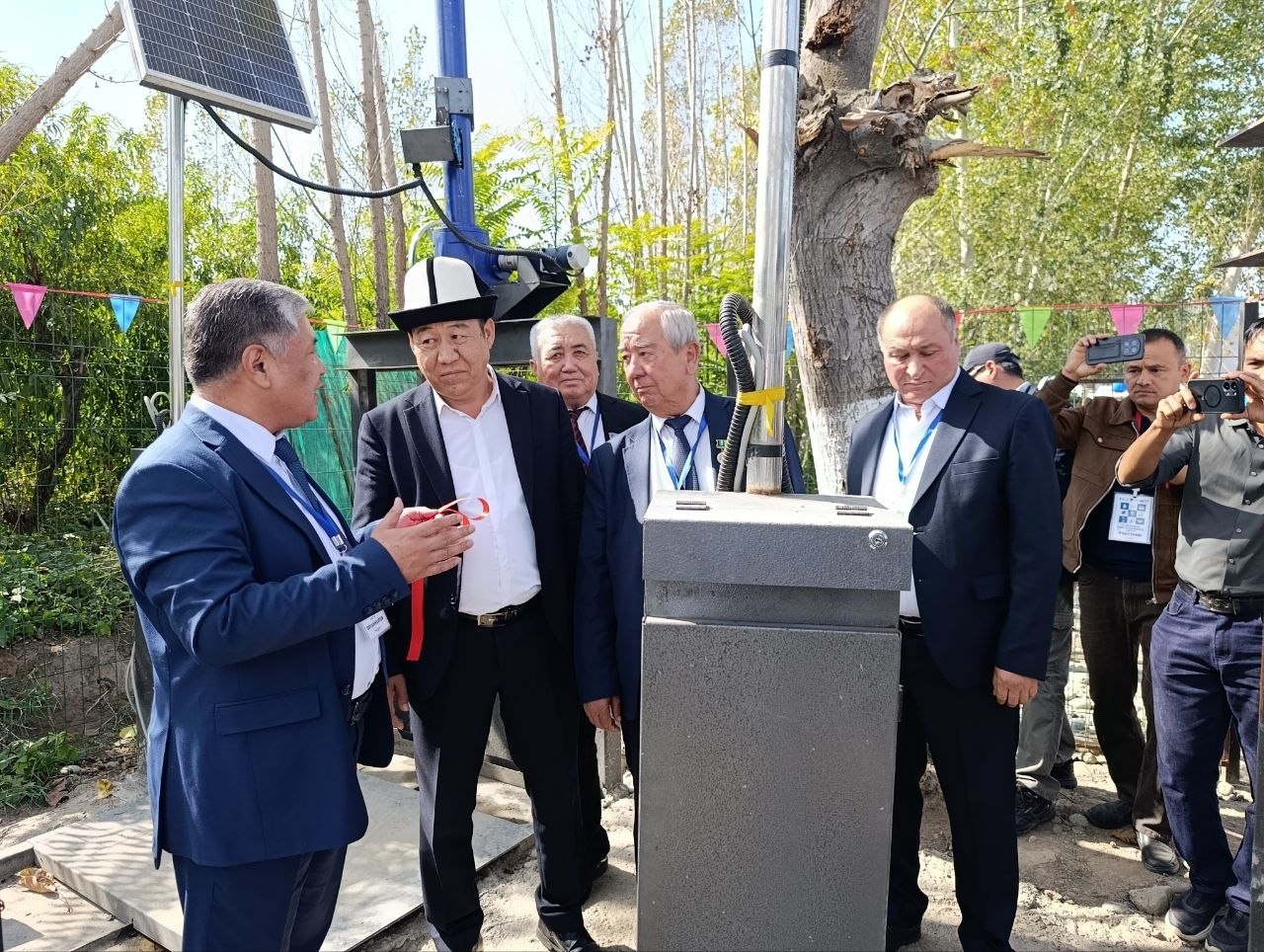
Both subprojects were highly praised by leadership of the Aravan District Administration, aiyl aimak heads, and most importantly, the residents themselves. In recognition of their contributions, letters of appreciation were awarded to CAAWE and SIC ICWC.
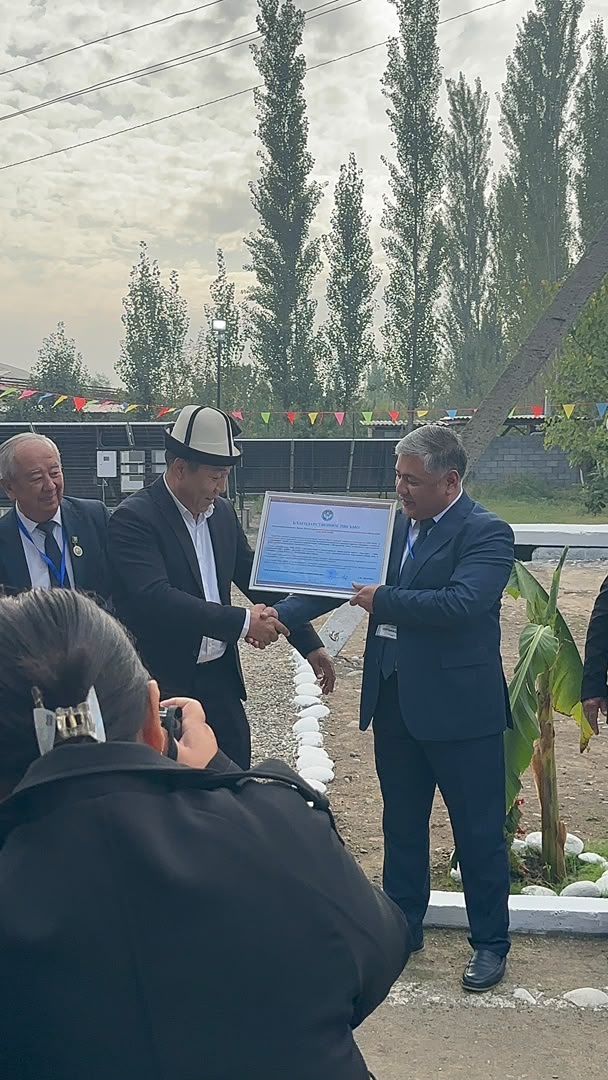
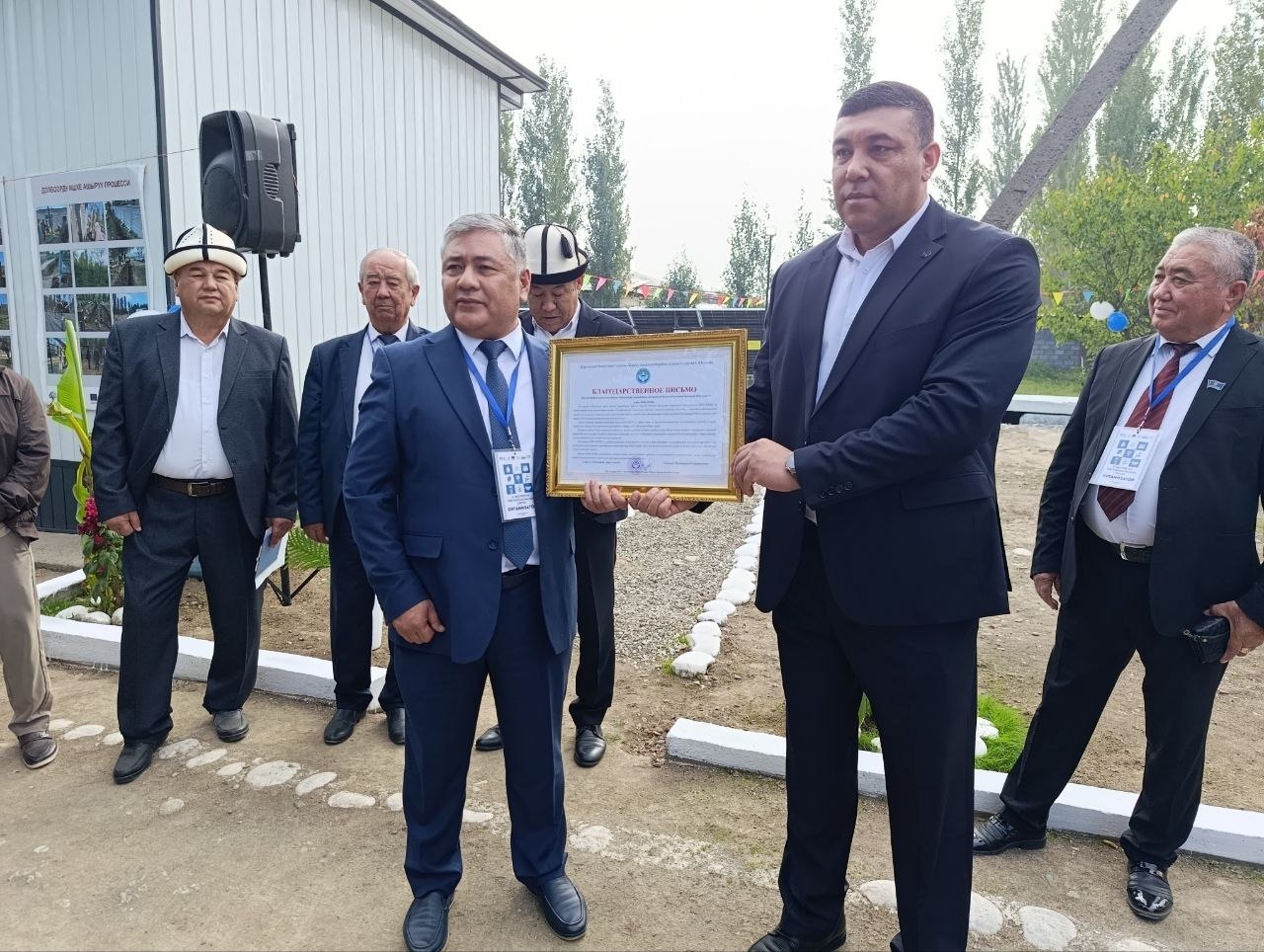
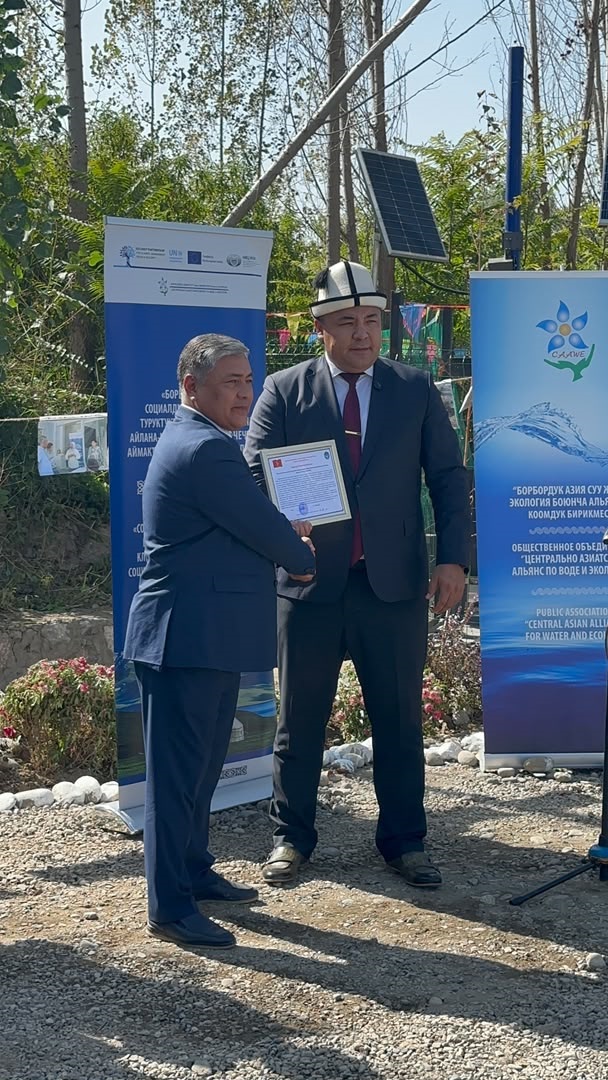
The Project Leader, Sh. Muminov, Deputy Director of SIC ICWC, noted that the project, which actively engages local communities in all three countries, brings together not only its participants and partners but the nations of the Fergana Valley as a whole. He emphasized that this approach aligns with the objectives of the Khujand Declaration on Eternal Friendship signed by the presidents of Tajikistan, Kyrgyzstan, and Uzbekistan in March 2025, as well as with the principles promoted by the First and Second Fergana Peace Forums.
The second day was arranged in a format of strategic training session.
At the beginning of the session, an online welcome address was delivered by Dr. Sadik, Chair of UN Women in the Kyrgyz Republic, who spoke about strengthening regional cooperation to enhance climate resilience and the role of women and local communities in these efforts. G. Makhmudova, representative of UNDP-Kyrgyzstan, shared UNDP’s experience in Central Asia in promoting sustainable adaptation solutions in her welcome speech.
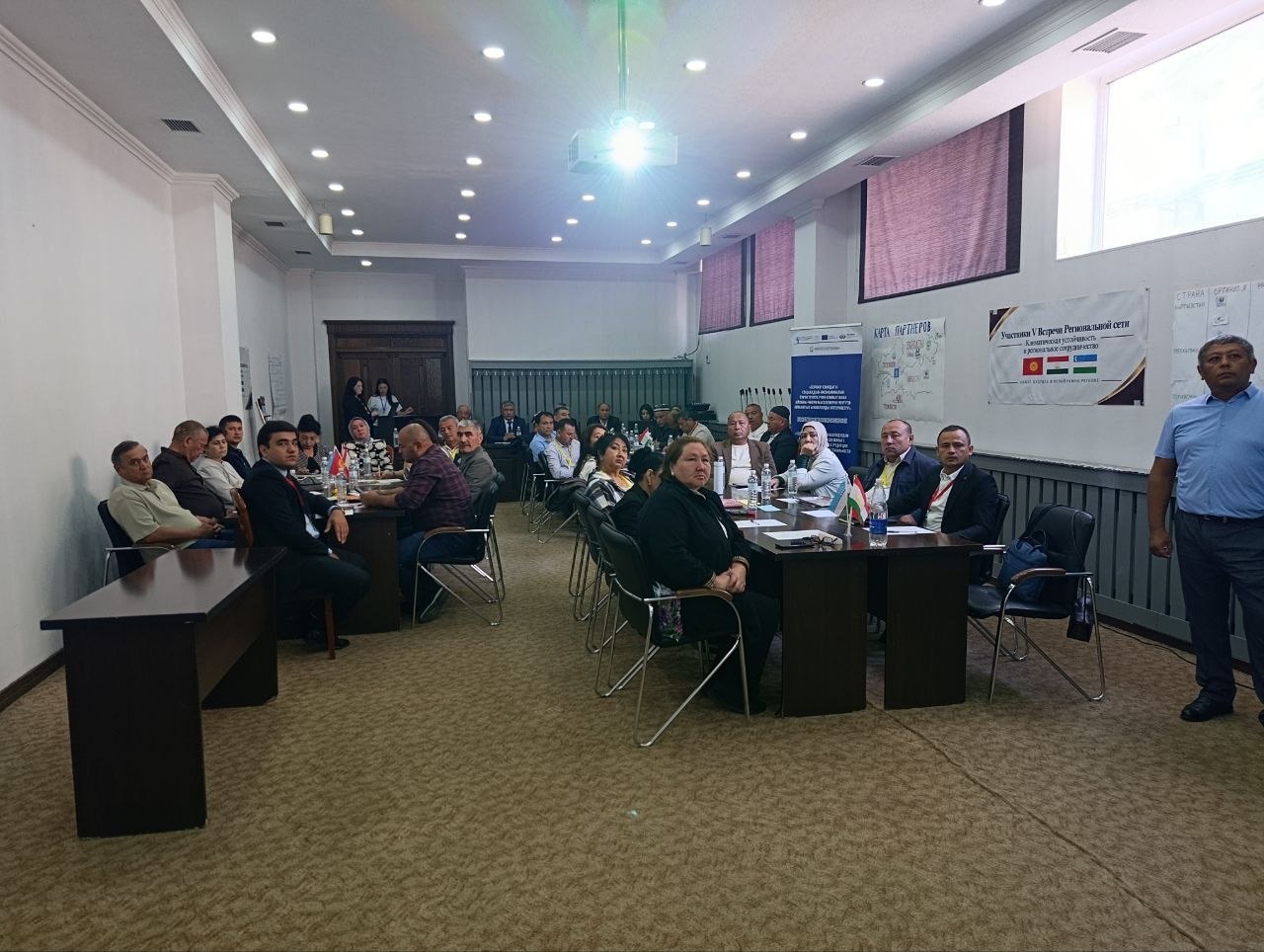
In the course the day, participants shared their knowledge, practical experience, and results. The training not only generated ideas drawing on successful case studies, but also identified specific expertise and skills of each partner. This will help maintain ongoing cooperation, ensure project sustainability, and scale up its results in the future.
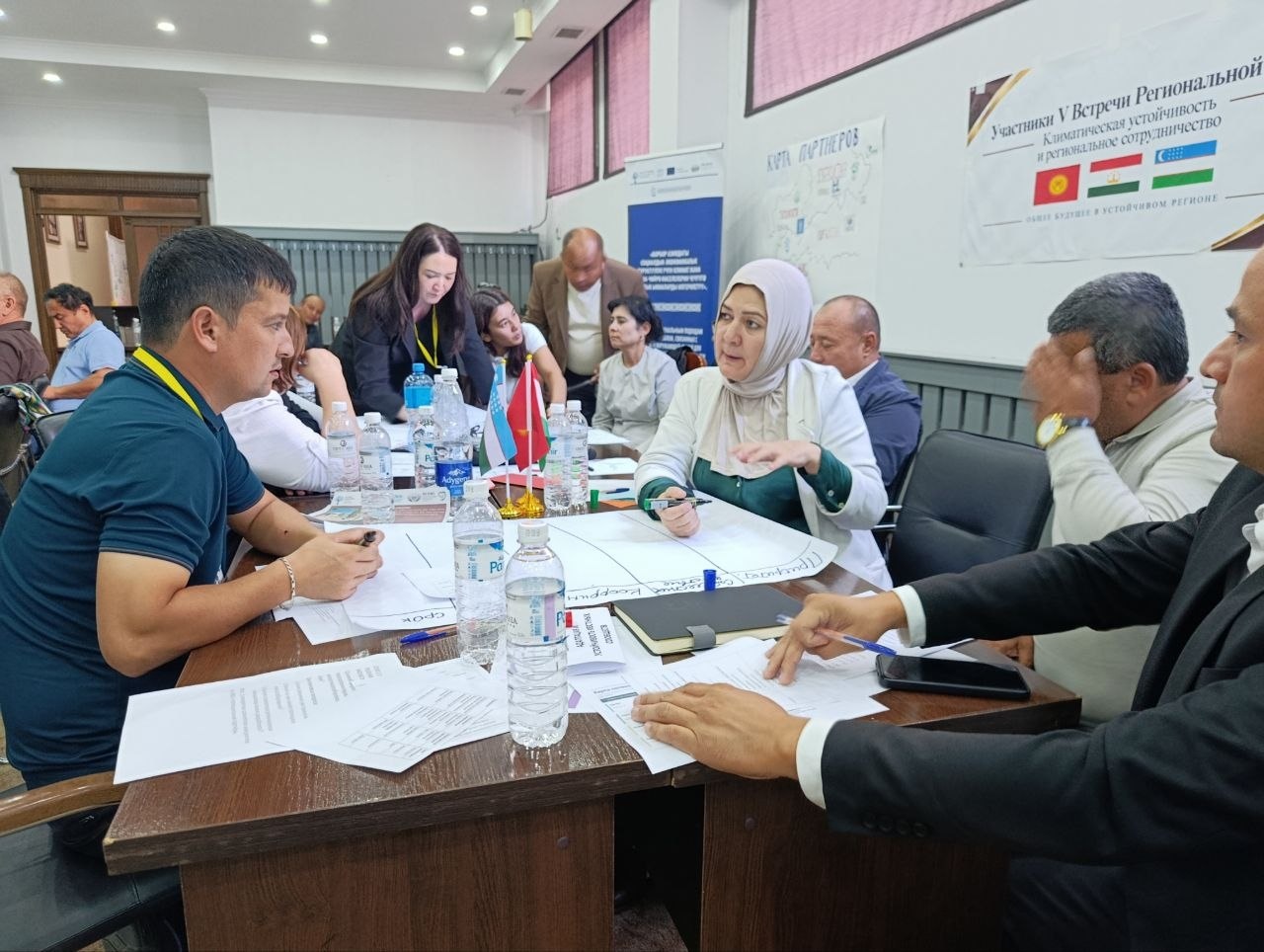
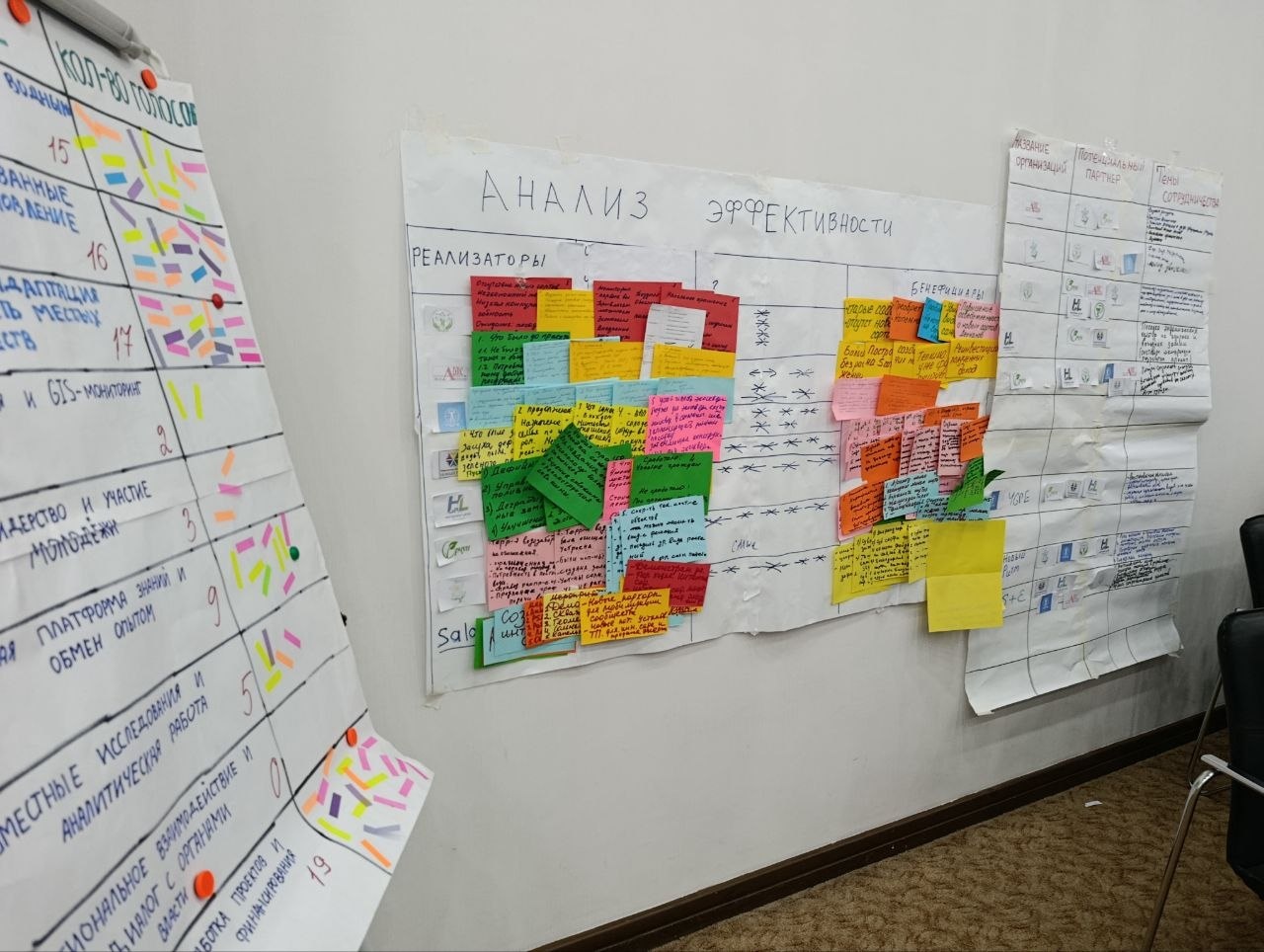
During the training session, participants jointly developed three key visual documents.
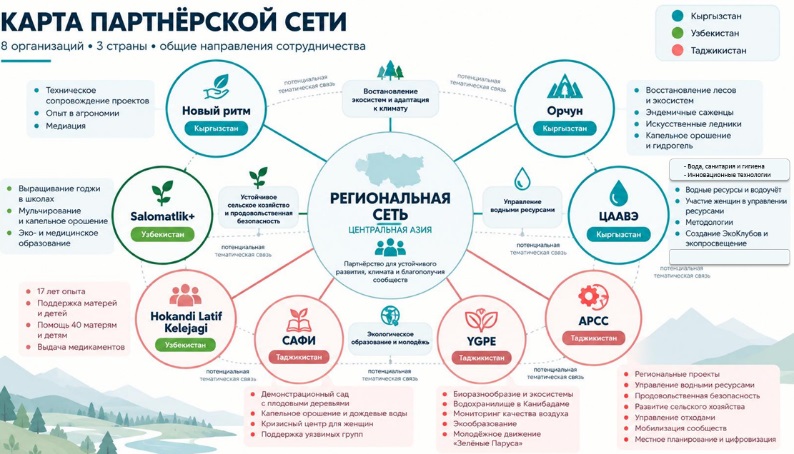
1. A Partner Network Map, which integrated the experience and expertise of eight organizations from Kyrgyzstan, Tajikistan, and Uzbekistan, highlighting four key focus areas: water and digital solutions; ecosystems and climate; agriculture and irrigation; and community engagement and social support. Participants identified which knowledge, technologies, and best practices they are ready to share, as well as the support they need from partners. The map has become a practical tool for searching for complementary areas of expertise and pooling efforts to address shared climate and environmental challenges.
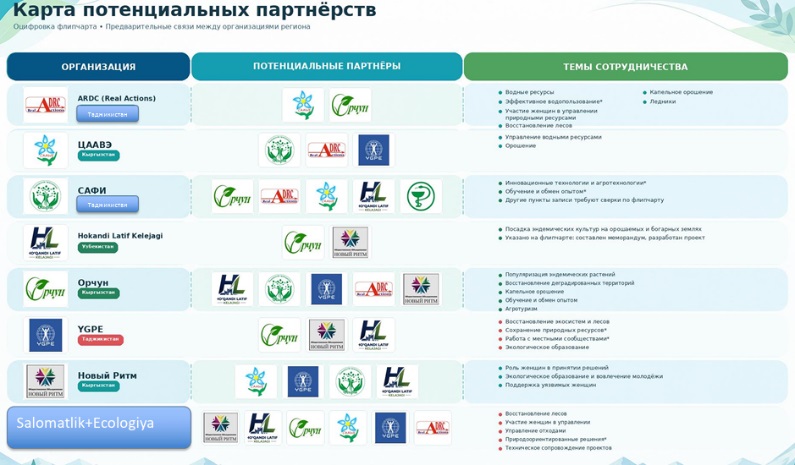
2. Potential Partnership Map helped participants identify promising partnerships among organizations from the three countries by comparing their interests, needs, and capabilities. Key areas of cooperation include efficient water use, drip irrigation, forest and ecosystem restoration, and nature-based solutions. Beyond environmental tasks, the map also highlights opportunities to strengthen women’s participation in decision-making, support vulnerable groups, and promote youth engagement. The contacts established during the exercise laid the groundwork for further agreement on partnerships, technology exchange, and potential joint projects.
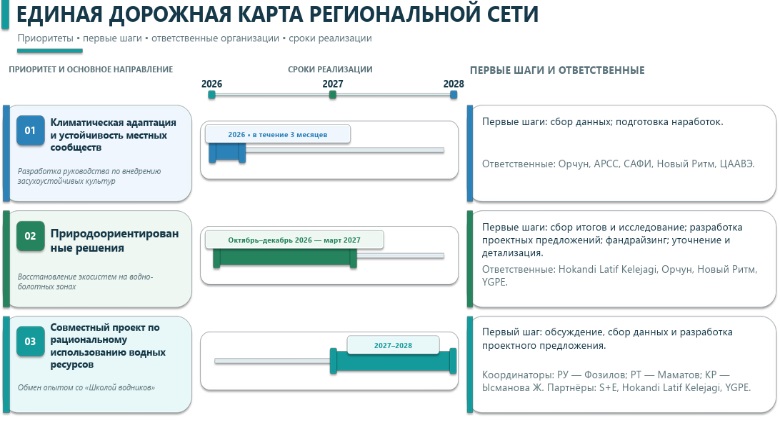
3. The Regional Network Roadmap links regional cooperation priorities to specific initiatives, initial steps, responsible organizations, and implementation timelines. Key activities include preparing guidelines on drought-tolerant crops, developing initiatives to restore wetland ecosystems, and implementing a joint project on the rational use of water resources, including an exchange of experience with Uzbekistan’s School of Water Workers. The planned activities cover the period from 2026 to 2028 and imply data collection, development of project proposals, and resource mobilization. The document sets a sequence of joint actions by organizations from all three countries to strengthen the resilience of local communities.
Behind every restored section of a canal and every tree planted lies a simple human wish: for water at home, land that yields crops, and a future where children can thrive in their homeland. The regional network’s meeting in Osh demonstrated how this shared hope bring together the people of Kyrgyzstan, Tajikistan, and Uzbekistan, fostering mutual trust and willingness to support one another. May our children one day play in the shade of the trees planted today, knowing that this land - and the peace upon it - was preserved through unity.