
No. 115 (776) October 2026
Regional Workshop “Partnerships for Resilience: The Evolving Role of Protected Areas”
On October 21–22, 2026, a regional workshop “Partnerships for Resilience: The Evolving Role of Protected Areas” was held in Shymkent, Kazakhstan.
The workshop was organized by the Biodiversity Conservation Fund of Kazakhstan in cooperation with the PeaceNexus Foundation.
Participants included representatives of environmental organizations, experts from Kazakhstan, Kyrgyzstan, and Uzbekistan, researchers, protected area specialists, and nongovernmental nonprofit organizations (NGOs). SIC ICWC was represented by Z.R. Yarullina, Chief expert of the Research-Analytical Division for regional water management.
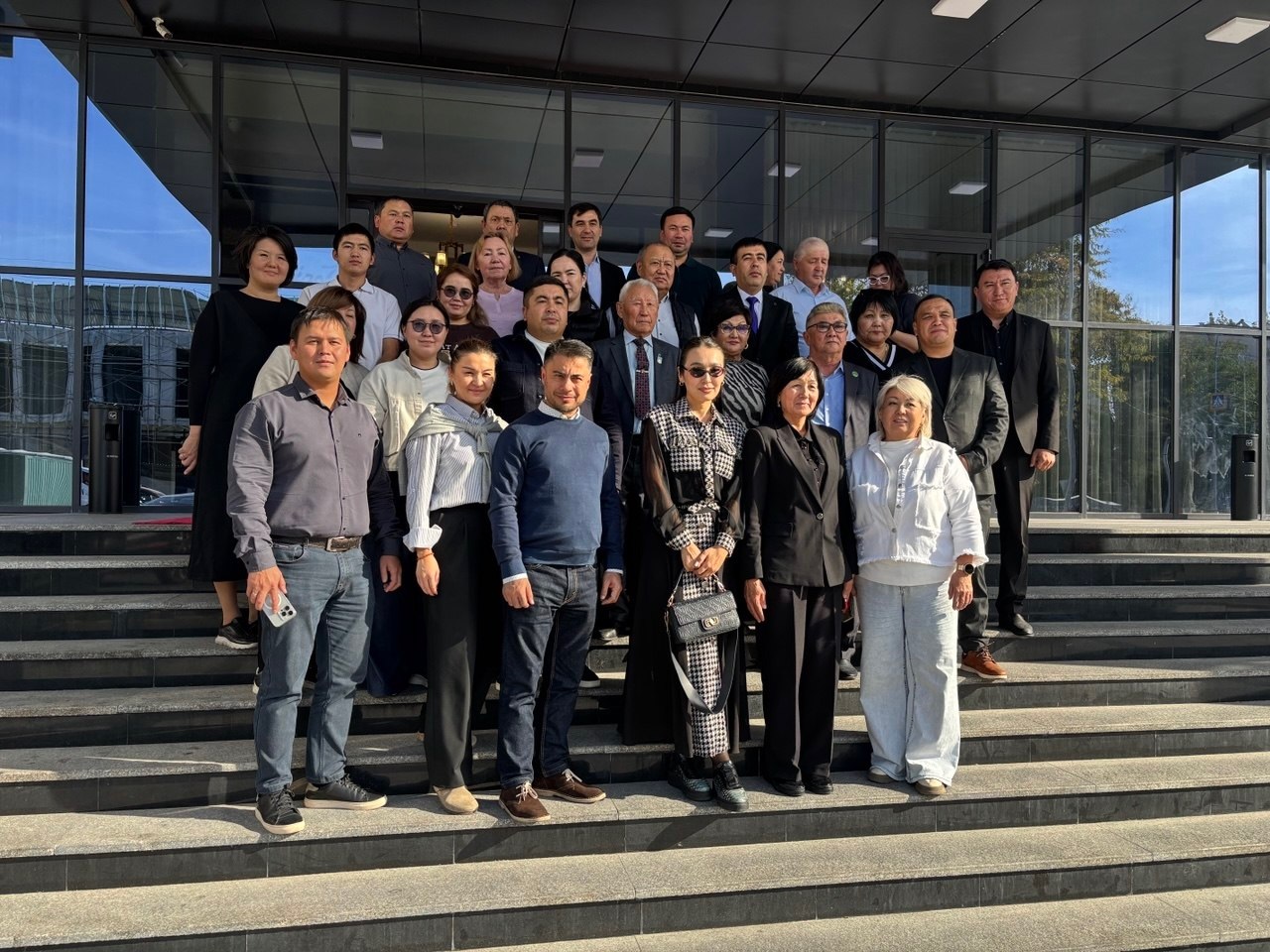
The workshop was organized by the Biodiversity Conservation Fund of Kazakhstan in cooperation with the PeaceNexus Foundation. The workshop aimed to strengthen collaborative management of protected areas and the work of environmental organizations in Central Asia by reviewing existing practices and lessons learned and developing practical recommendations tailored to regional conditions, local needs, and opportunities for business partnerships.
The program focused primarily on group discussions examining the activities aroung protected areas and identifying opportunities, challenges, and risks at national and regional levels.
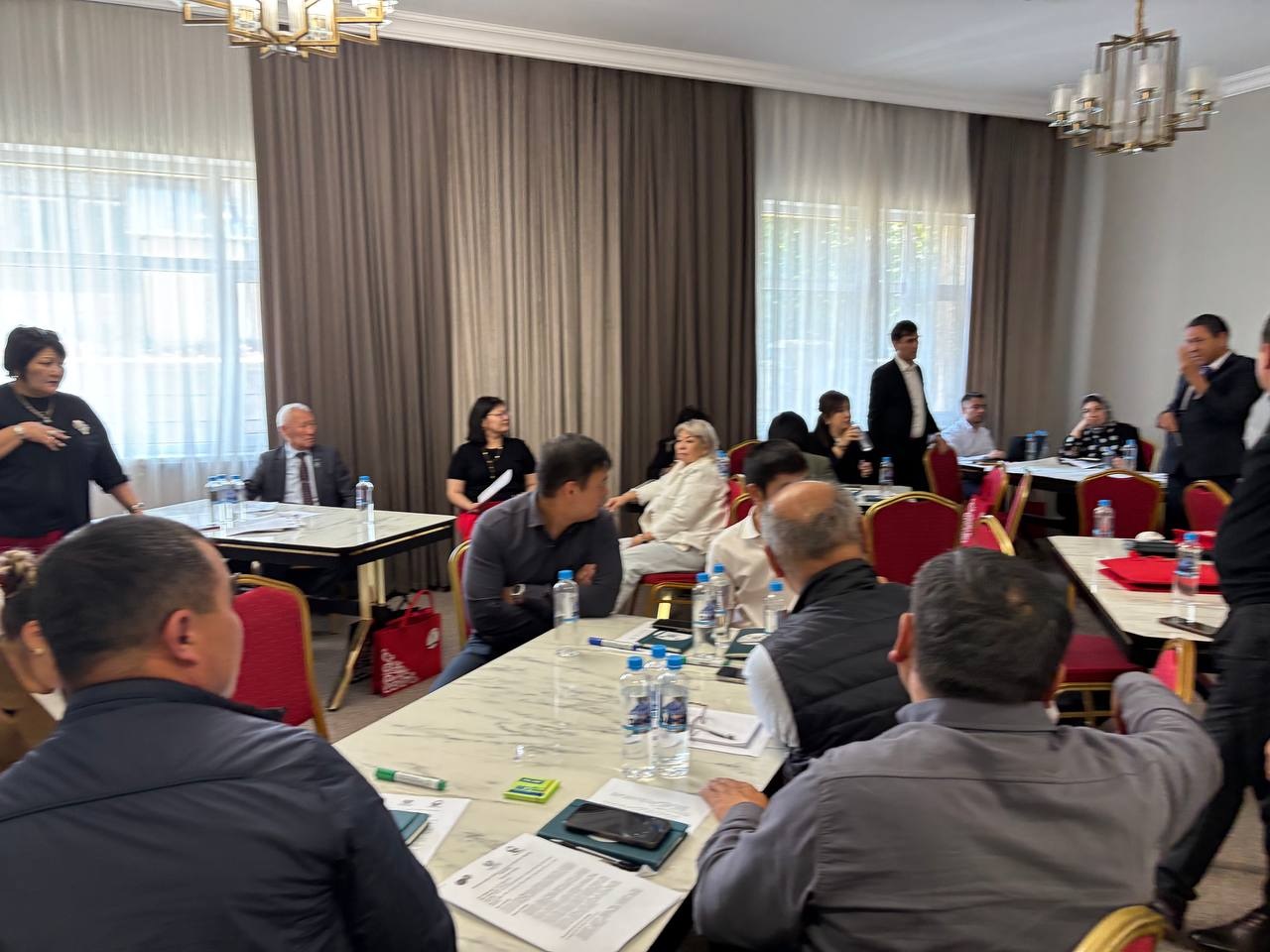
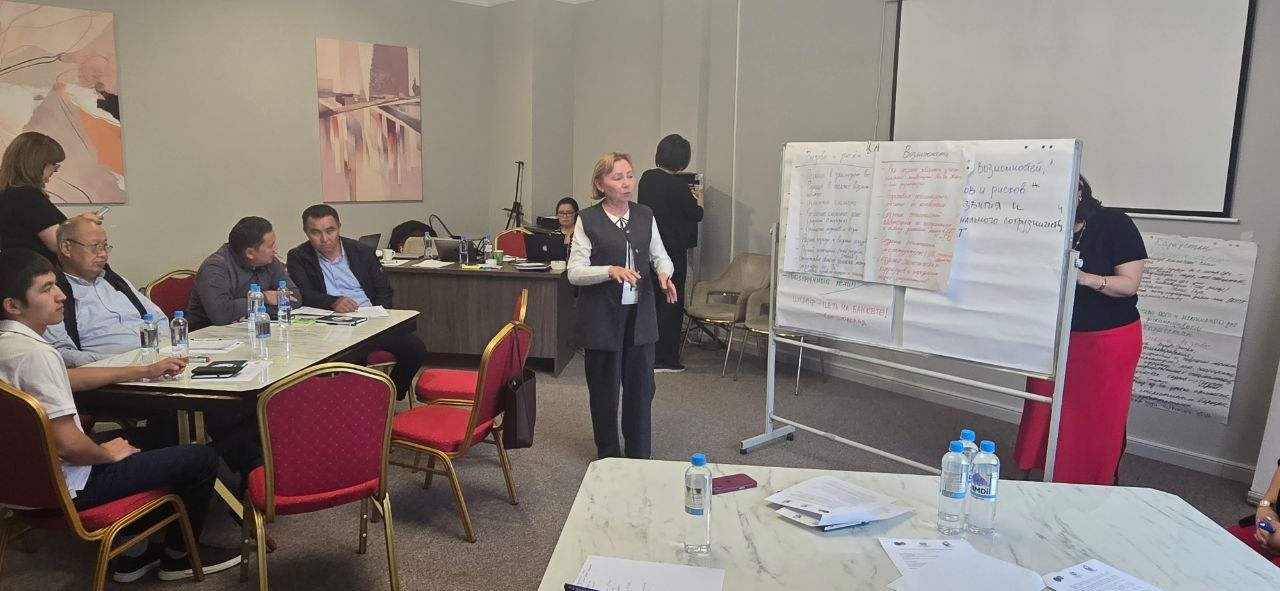
A panel discussion titled “Protected Areas and Forestry Practices in Forest and Biodiversity Conservation, Ecosystem Services, Sustainable Development, and Regional Transboundary Cooperation: Achievements and Challenges” addressed the role of protected areas in biodiversity conservation and regional environmental resilience. Participants discussed successful practices that could be scaled up, ways to better integrate ecosystem services into public policy and regional development planning, approaches combining nature conservation with the socioeconomic development of local communities and businesses, modern approaches and technologies, and the importance of regional and transboundary cooperation for biodiversity conservation.
Separate discussion focused on business ESG strategies.
- Partnership structure: E + S + G + economy
- E – Environmental: Natural capital
- S – Social: Communities surrounding protected areas
- G – Governance: Collaborative management
The discussion of carbon credits/quotas already used by oil companies in Kazakhstan also attracted interest. Unlike conventional emission quotas, which limit permitted emissions, carbon removal quotas are generated through activities that deliver environmental benefits.
The workshop program was designed to help participants from different professional backgrounds develop critical/creative thinking skills in identifying challenges and risks associated with protected area management, exploring mechanisms for cooperation and joint action among Central Asian countries, and engaging local communities, businesses, and civil society in managing protected areas and forests. Participants were introduced to conflict-sensitive approaches to partnerships in protected area management and biodiversity conservation, including conflict blindness, the do no harm principle, and social cohesion. Discussions covered factors to consider when designing conservation projects, integrating collaborative management into national protected area and forestry strategies, and partnership models involving businesses and investors that could support natural resource management. Certificates were awarded to participants at the end of the workshop.
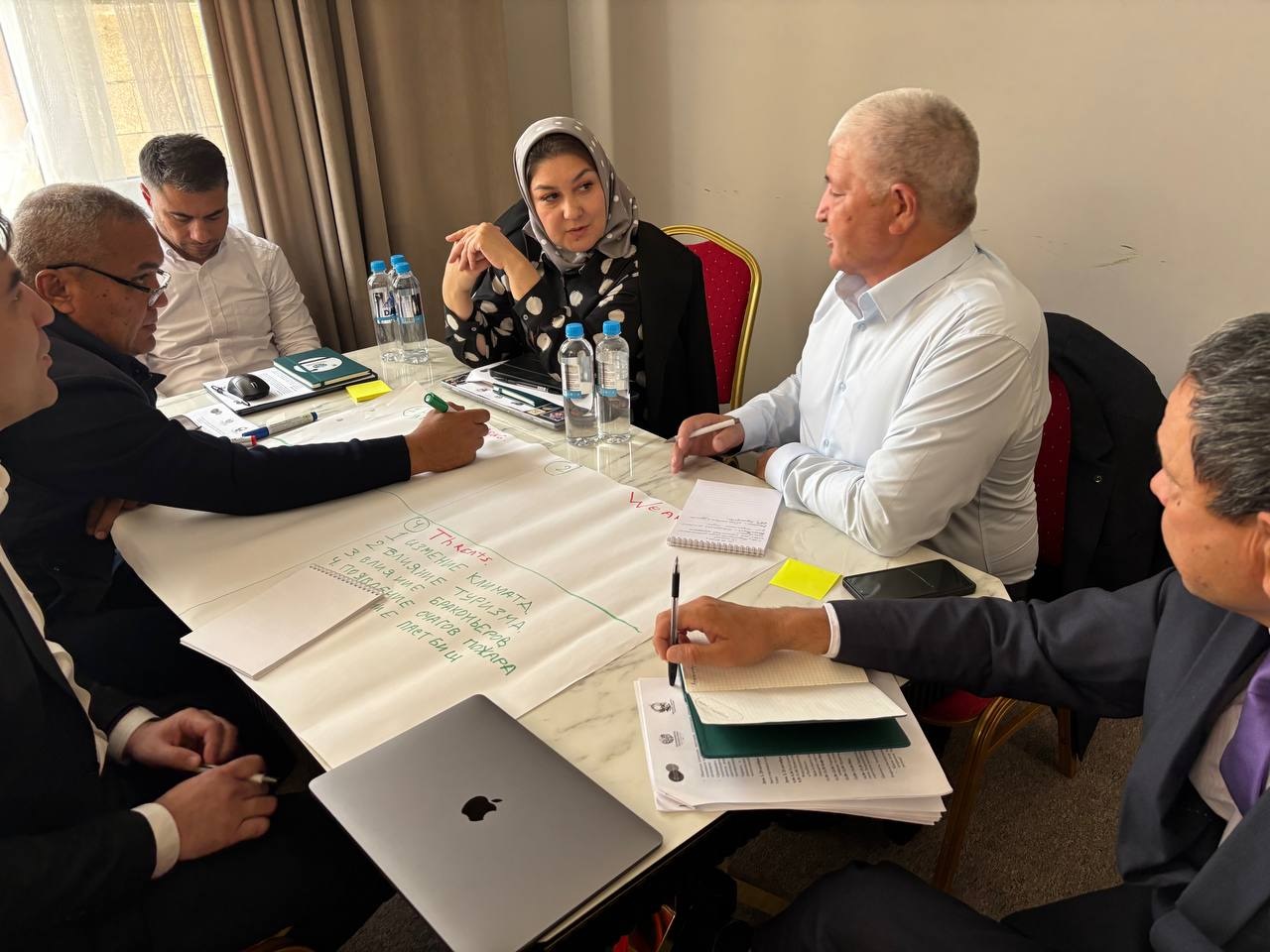
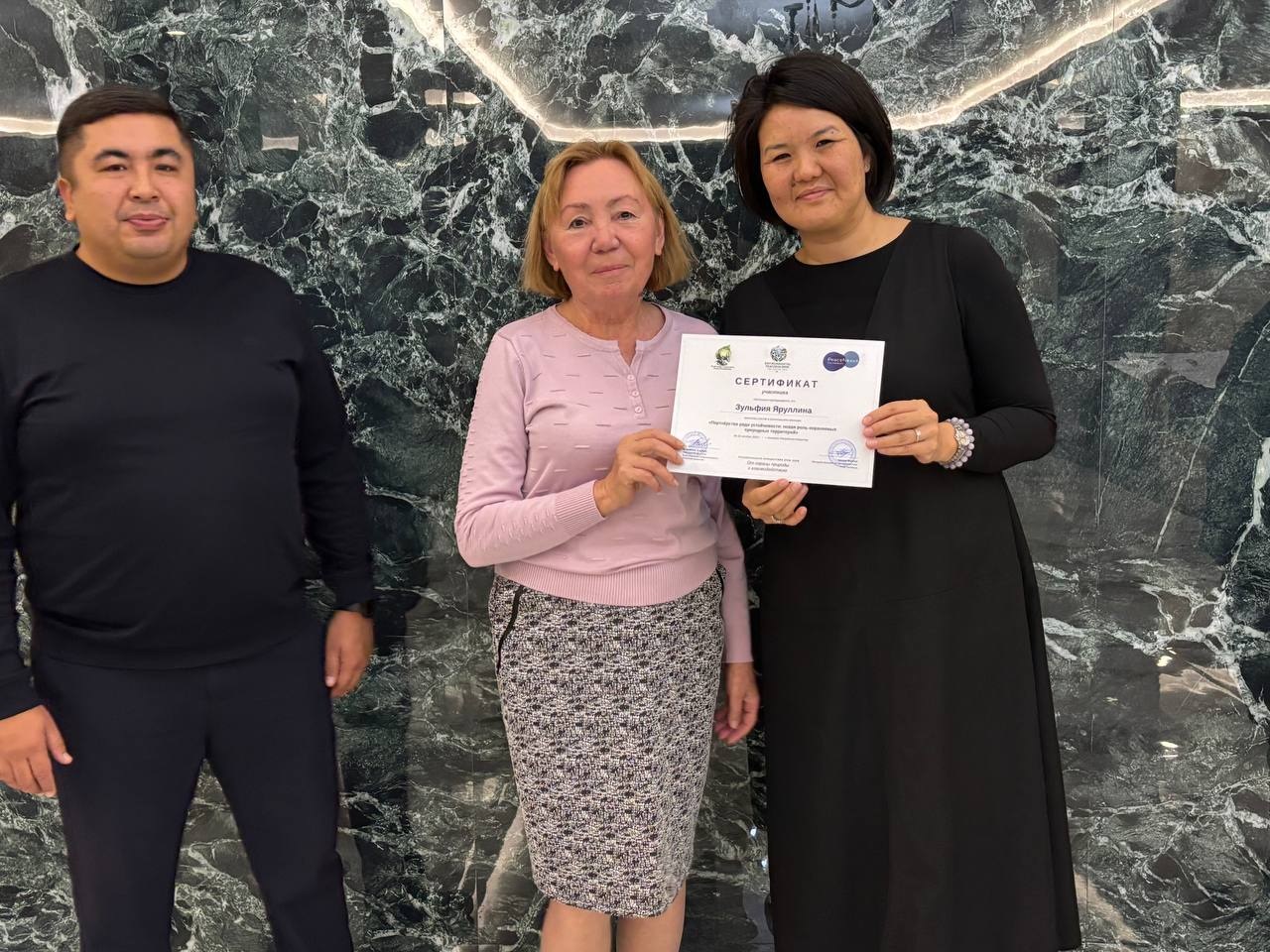
The two-day workshop strengthened participants’ understanding and skills in modern approaches to protected area management based on partnerships with local communities, government authorities, and businesses. It also highlighted opportunities to apply and scale up best practices, including ESG principles and carbon market mechanisms. Participants gained a shared understanding of the importance of inclusive conservation approaches and the role of communities and businesses in decision-making and protected area management. The workshop also helped expand regional professional networks.
During the workshop, SIC ICWC presented its activities, including regional projects aimed at improving environmental conditions, addressing the impacts of the Aral Sea's desiccation and depletion of water resources, and restoring ecosystems in the Aral Sea region, river deltas, and the wider Aral Sea Basin.