
No. 119 (780) November 2026
Water in the Energy Transition: From Reservoir Storage to System-Wide Resilience
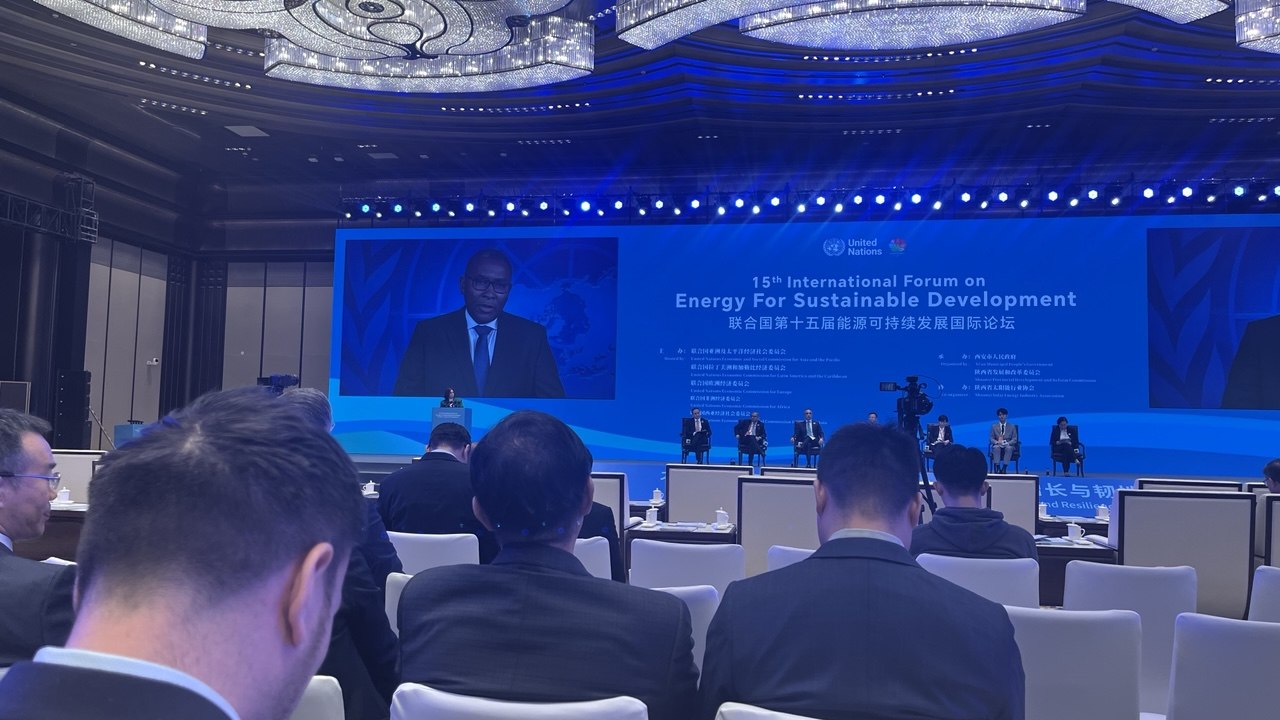
On November 3, the 15th International Forum on Energy for Sustainable Development opened in Xi'an, China. Organized by the five United Nations regional commissions, the Forum is taking place on November 3–6 under the theme “Energy Transition in an Uncertain World: Driving Security, Growth and Resilience.” It brings together representatives of governments, international organizations, academia, and the private sector.
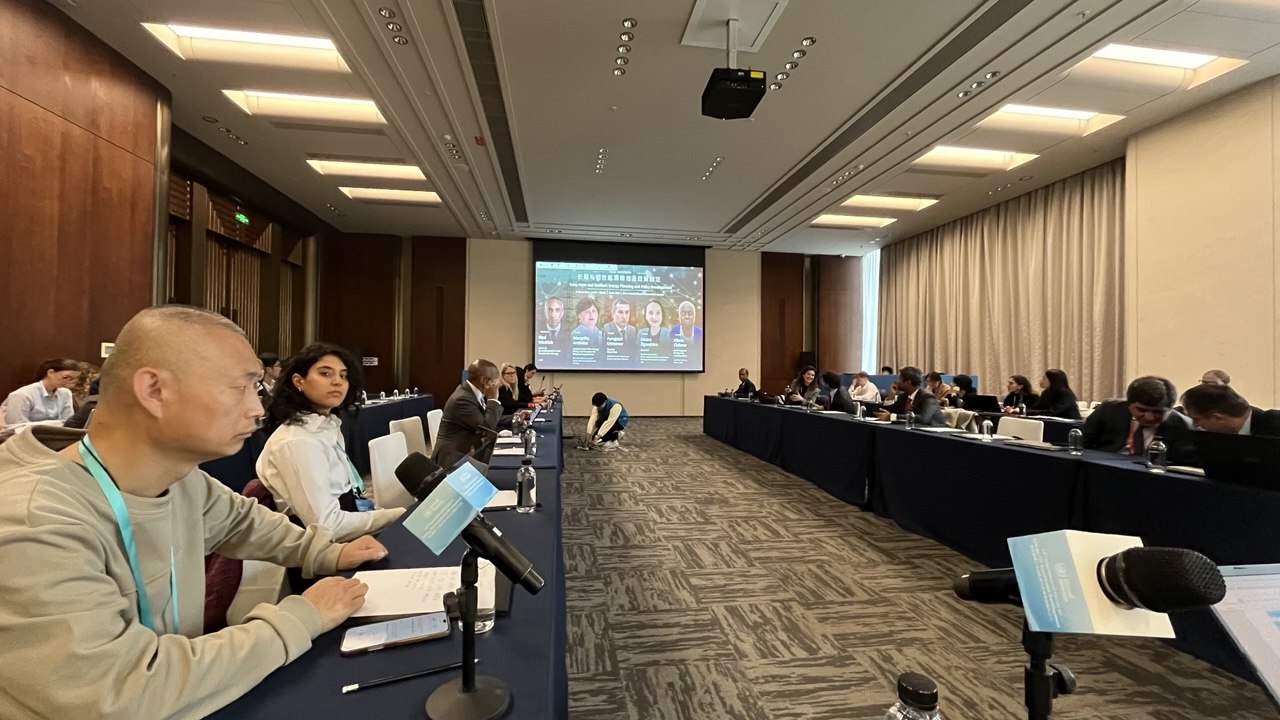
SIC ICWC Director Dinara Ziganshina participated in a panel discussion on long-term and resilient energy planning organized by the UN regional commissions jointly with UNDP. Her presentation focused on Central Asia's experience in reconciling water and energy needs amid climate uncertainty.
One practical example was the Nexus Navigator of Central Asian strategies being developed under the IKI Nexus project. The tool enables users to compare objectives set out in national policy documents on water, energy, agriculture, land use, ecosystems, and climate, identify interdependencies, and determine which resource balances are needed to assess whether these objectives can be achieved simultaneously.
Dinara Ziganshina also presented findings from an assessment of the climate resilience of water infrastructure in the Syr Darya River Basin, prepared with GIZ support to inform the Basin Dialogue. The study links the technical condition of infrastructure with climate risks, operating regimes, and coordination among operators. Key priorities include updating operating rules, introducing forecast-based management, coordinating responses to low-flow conditions, and ensuring sustainable maintenance financing throughout the infrastructure life cycle.
Particular attention was paid to the multiple functions of reservoirs. Stored water supports irrigation and hydropower generation, while the operational flexibility of hydropower plants helps balance variable solar and wind power generation. Harnessing these complementary functions requires aligning daily power generation schedules with seasonal water demands, environmental water releases, and the need to maintain water reserves for dry years.
During discussions on data exchange and digital tools, Dinara Ziganshina emphasized the importance of linking monitoring to specific management decisions by defining responsibilities for data verification, conditions for revising operating regimes, and procedures for interagency and interstate coordination.
See detail here