
No. 129 (790) November 2026
SIC ICWC Participated in Events as part of the Israel Water Week
From 9 to 13 November, representatives of SIC ICWC took part in a series of events held as part of the Israel Water Week. The events were organized by Kinneret Academic College and the Water Innovation Community/WaterEdge.IL, jointly with the Israel Water Authority, the Jewish National Fund (KKL-JNF), and the Israel's Agency for International Development Cooperation (MASHAV).
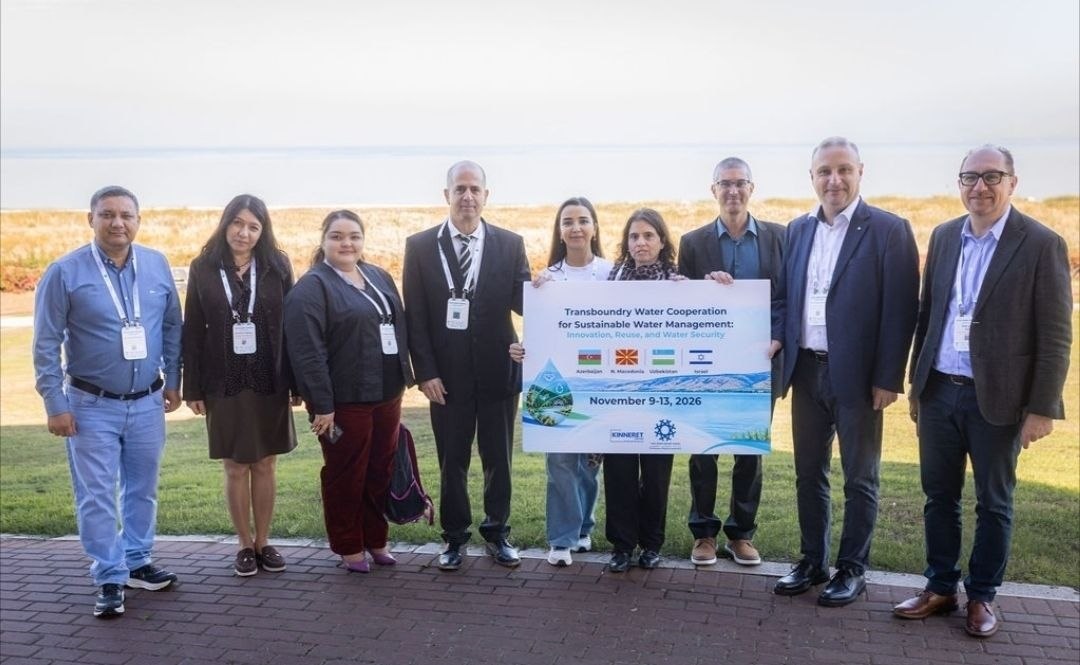
Regional Workshop on Transboundary Water Cooperation for Sustainable Water Management. On 9 November, a regional workshop on transboundary cooperation for sustainable water management was held at the Kinneret Academic College (Faculty of Engineering, Water Engineering Program). The event brought together experts from Azerbaijan, Israel, North Macedonia, and Uzbekistan.
Participants presented the key challenges facing the water sectors of their respective countries and regions. Discussions focused on water preparation, desalination, wastewater treatment and reuse, and sludge processing. Experts also addressed the matters related to infrastructure modernization, smart water systems, the use of artificial intelligence, and evidence-based management. One block of presentations covered hydrology, climate resilience, improved water policy, and development of transboundary partnerships.
During the roundtable "Transboundary Water Cooperation: Challenges and Opportunities," participants examined regional interdependence in sharing water resources, water diplomacy instruments, and confidence-building measures. The discussion highlighted the important role of academic community in facilitating knowledge exchange, strengthening professional and institutional capacities, and implementing joint research projects.
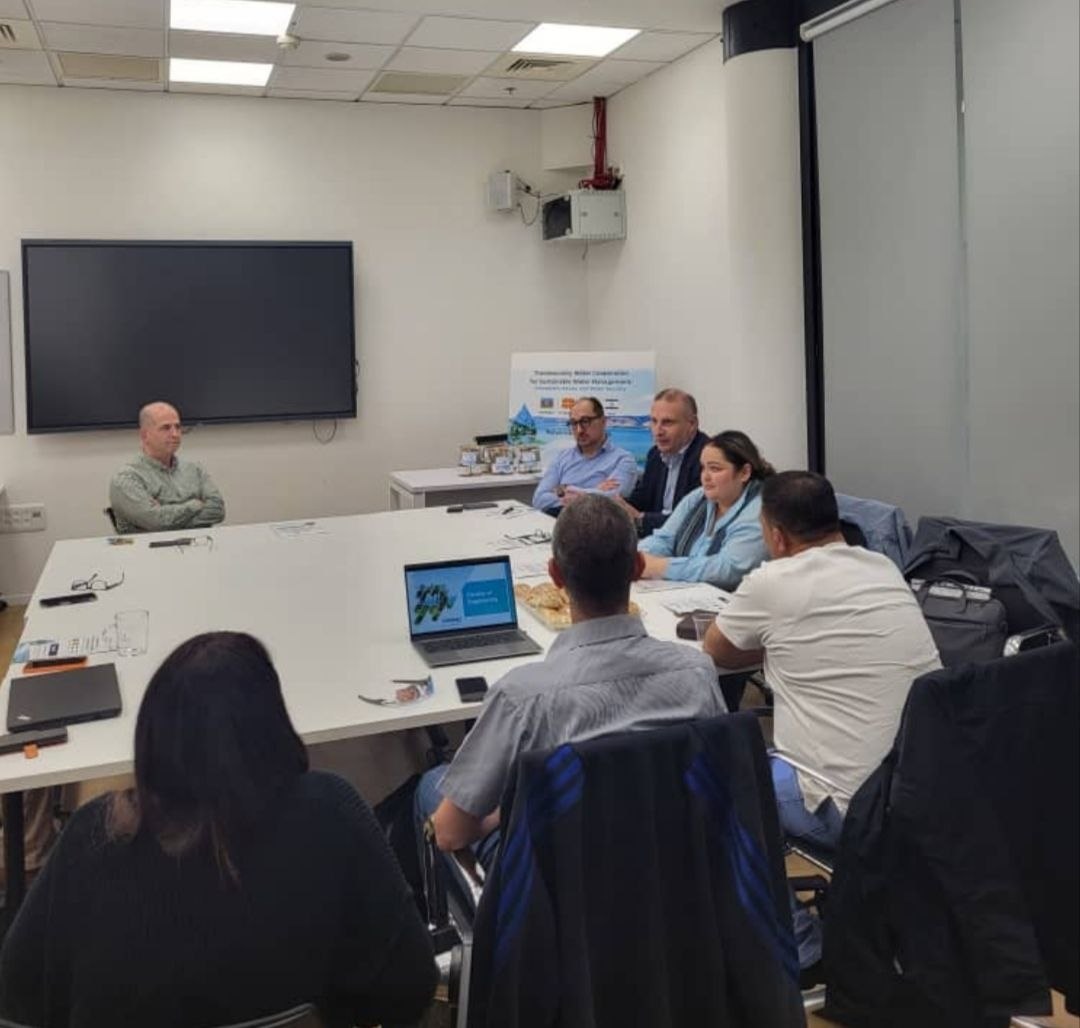
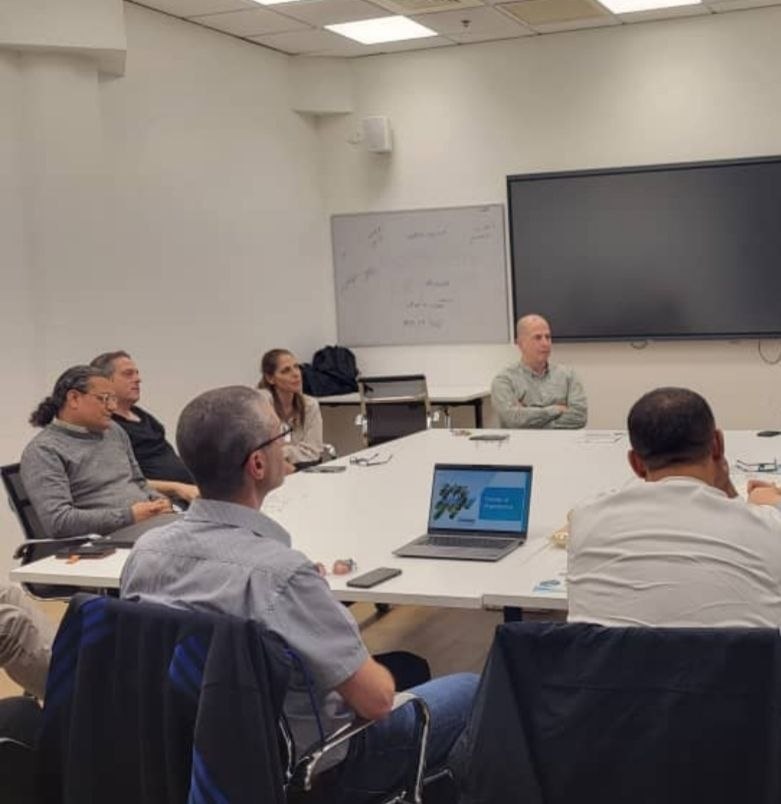
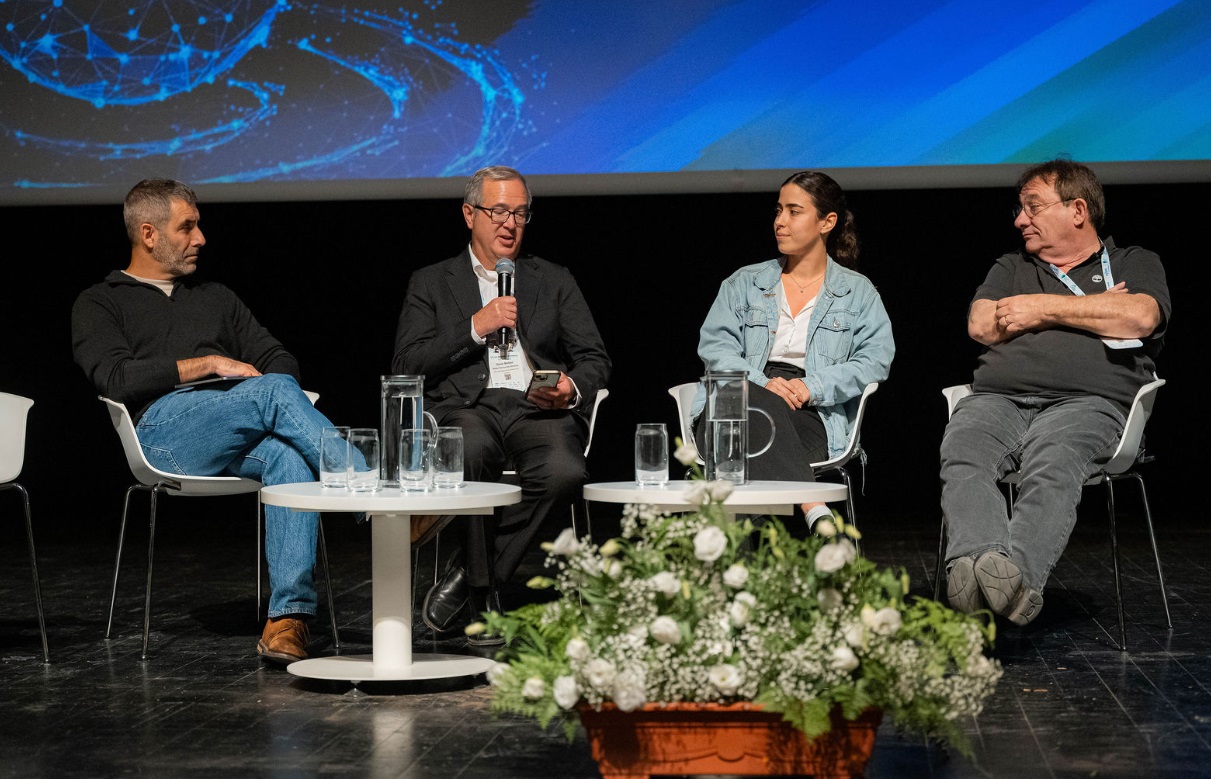
On 10–11 November, the Regional Academic Conference on Innovation in Water Engineering: Technology, Policy, and International Collaboration was held on the shores of Lake Kinneret at the Beit Gabriel Cultural Center in Tzemach, Israel. The Conference brought together leading water experts, government officials, representatives of academic community and water utilities.
The first day's program opened with a presentation by Y. Lifshitz, Director General of the Israel Water Authority "Managing the Unknown: Israel's Water Sector – Planning for Tomorrow is Too Late " The reporter emphasized the need for proactive decision-making amid growing climate uncertainty.
A key event of the day was the panel discussion on water resilience and security in an era of change: from planning to implementation. Together with representatives of the Mekorot national water company, the University of Haifa, and US public utilities, participants discussed practical mechanisms for translating strategic plans into concrete measures to improve the reliability of water supply.
During parallel thematic sessions, experts presented research findings and practical developments in the following areas:
- Hydrology and climate: Application of the Water Evaluation and Planning (WEAP) model, assessment of the hydrological implications of a projected Super El Niño, and improvements in emergency preparedness and the resilience of water utilities.
- Water management: Managed aquifer recharge through surface runoff infiltration, wetland restoration, and modern water monitoring systems.
- Water treatment: Water quality control and disinfection, ultrafiltration, and modeling and optimization of reverse osmosis desalination processes.
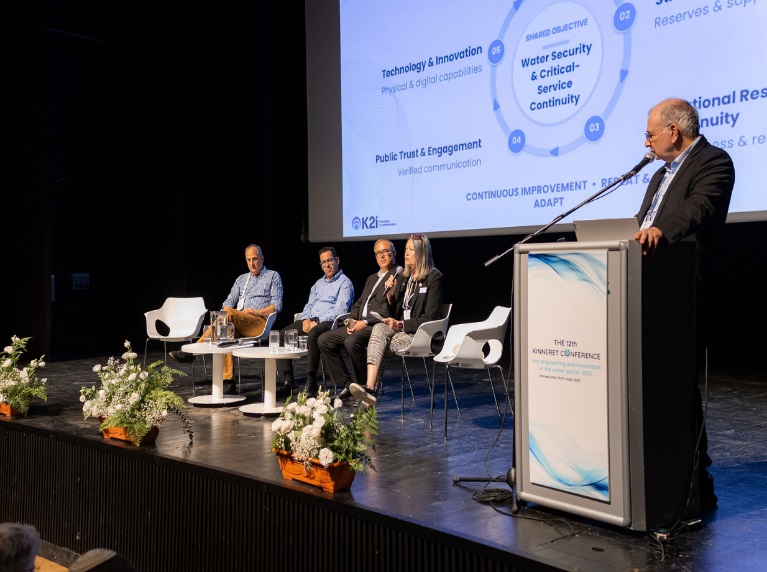
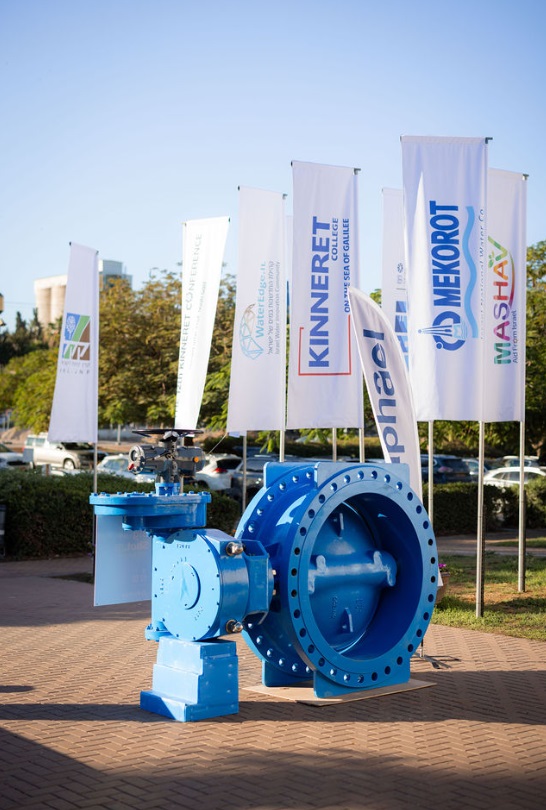
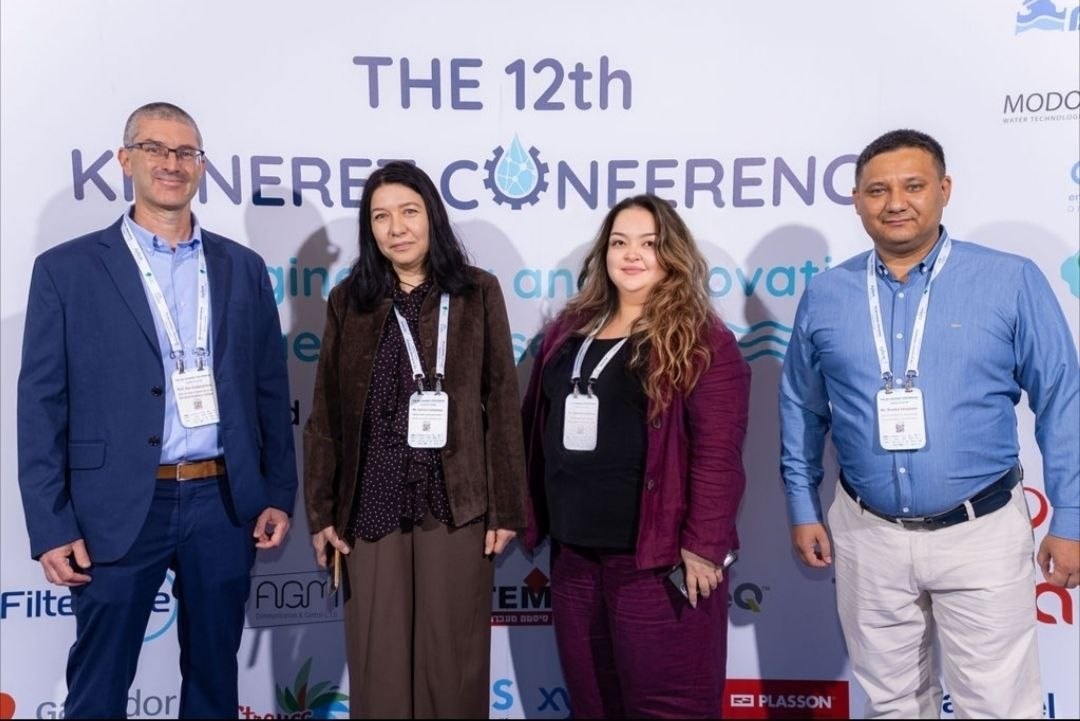
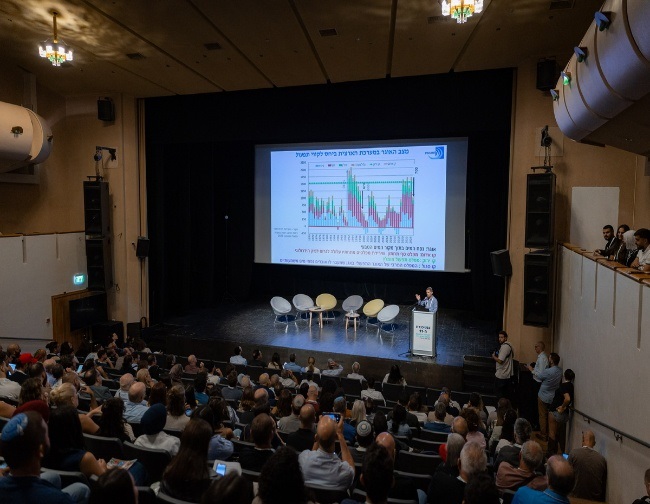
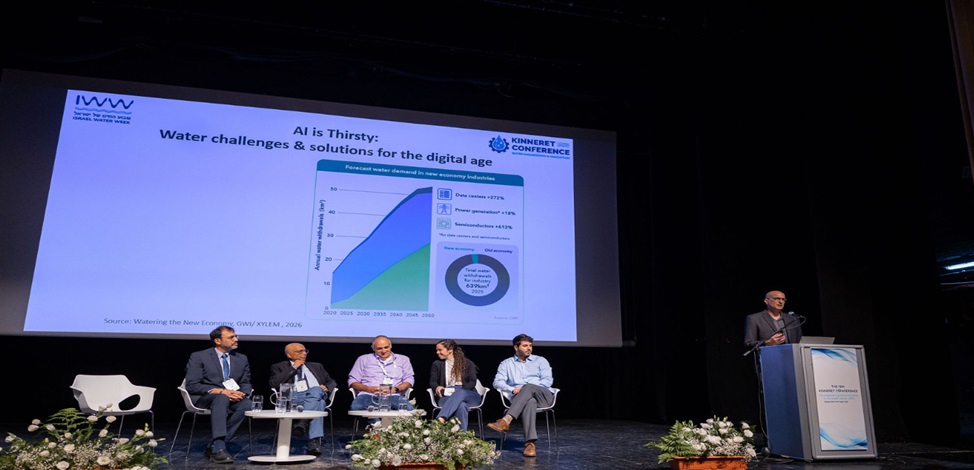
The Day 2 plenary session focused on international experience and future prospects for industrial wastewater treatment. Particular interest was generated by the panel discussion "AI is Thirsty: Water Challenges and Digital Era Solutions." Experts examined the rapidly growing water demand of data centers and microelectronics plants and identified ways to minimize their impact on water.
Specialized sessions on digital transformation in the water sector featured advanced IT solutions, including: (1) application of big data and AI for operation and monitoring of water utilities; (2) forecasting variations in Kinneret’s water level using machine learning algorithms; (3) protecting critical water infrastructure against cyberattacks and gradually transitioning from legacy SCADA systems to secure cloud platforms.
One session addressed advanced wastewater and sludge treatment technologies. Participants learned about sludge drying through cogeneration at the large-scale Shafdan wastewater treatment plant, wastewater sludge pyrolysis and activation technologies, industrial water reuse practices, and the application of constructed wetlands for agro-wastewater treatment.
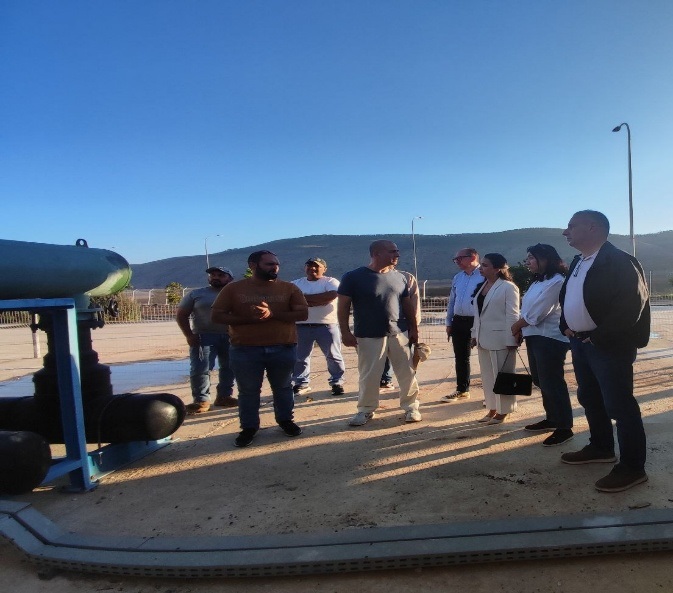
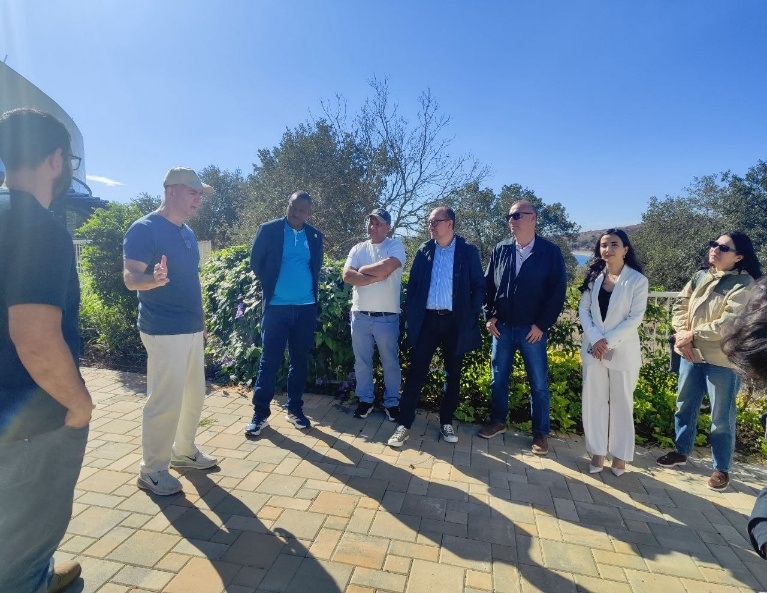
On 12 November, as part of the program, a study tour was organized for experts from Uzbekistan, Azerbaijan, North Macedonia, and Tanzania. The tour was conducted by representatives of the Kinneret Academic College in cooperation with the Mekorot national water company and covered three major water facilities.
1. The Eshkol Water Treatment Facility is one of Israel's largest water preparation and management facilities and a key component of the National Water Carrier, which was developed to convey water from Kinneret lake. Mekorot supplies more than 1.8 billion m³ of water annually for domestic, agricultural, and industrial use. Water is supplied to municipalities, local authorities, communities, and private consumers, as well as to the Palestinian National Authority and the Hashemite Kingdom of Jordan under existing international agreements.
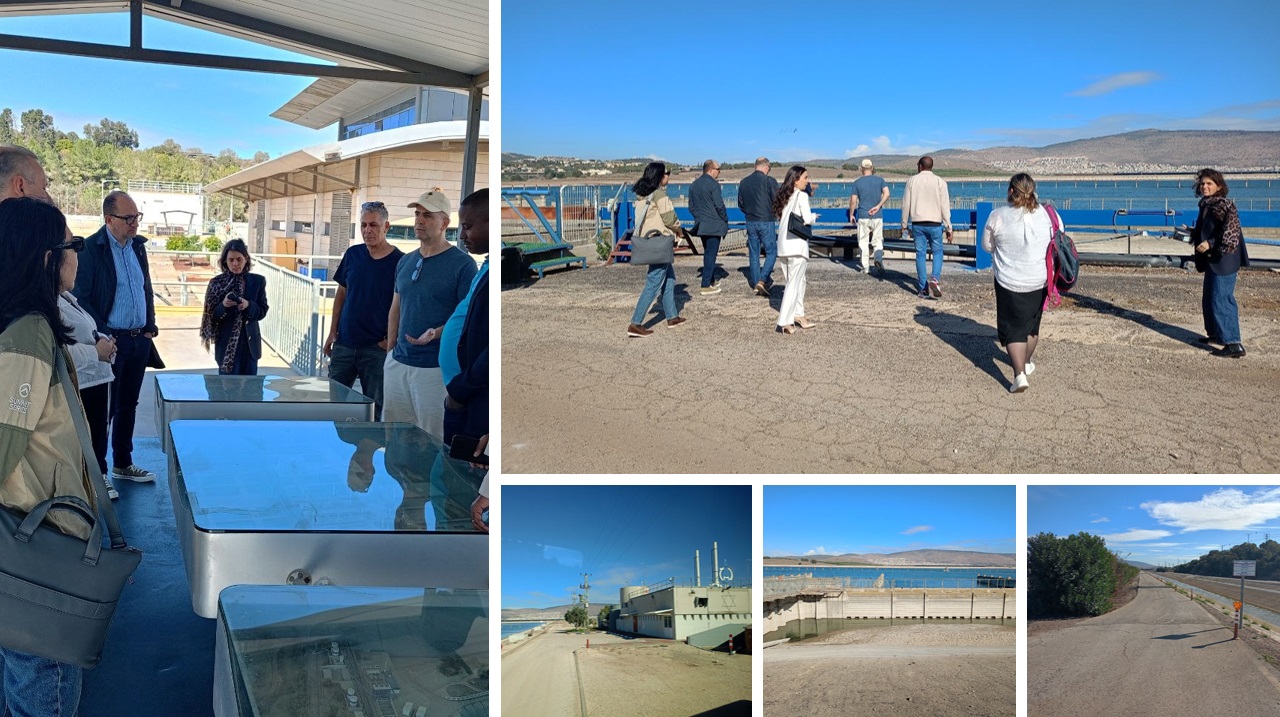
The visiting experts were introduced to the facility's complete technological processes and operational standards, including: (1) water treatment and filtration: modern surface water treatment processes and the operation of the National Water Filtration Plant; (2) monitoring and ecology: automated continuous water quality monitoring system and technologies for processing and disposing of resulting sludge; (3) infrastructure reliability: comprehensive measures to ensure physical and operational safety and maintain a high level of operational resilience.
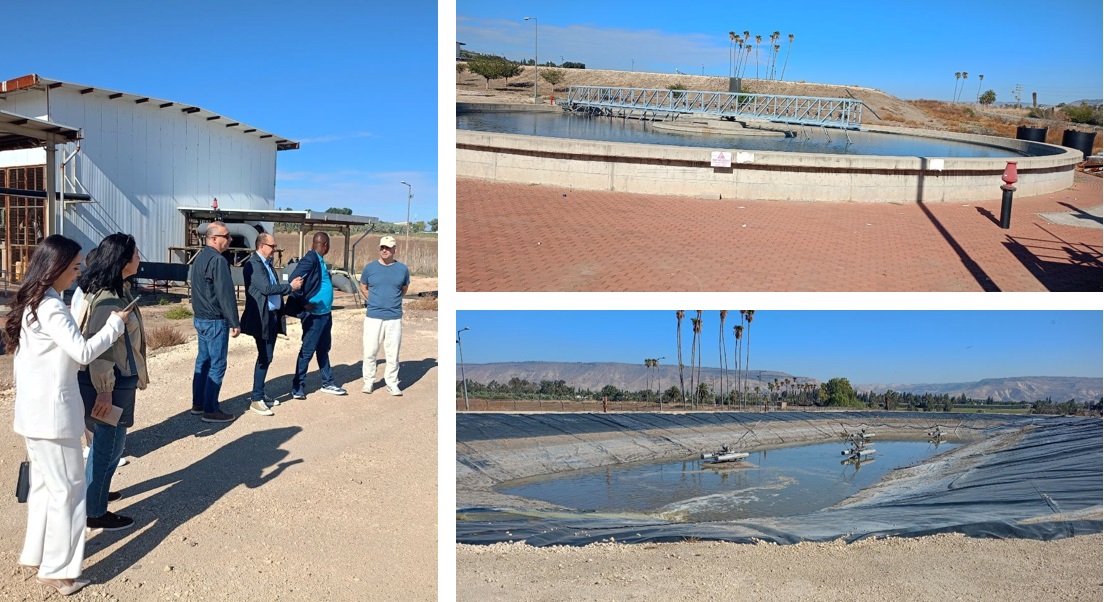
2. Betania Wastewater Treatment Plant plays a key role in the region's sanitation and environmental infrastructure, serving the city of Tiberias and surrounding communities with a combined population of approximately 80,000.
Participants were introduced to the full operational cycle of the regional wastewater collection, treatment, and recycling system, including:
- Multistage treatment: Secondary and tertiary wastewater treatment processes.
- Water recovery and reuse: Preparation of treated wastewater for subsequent agricultural use, along with modern sludge management systems.
- Compliance monitoring: Existing treated wastewater quality standards and their continuous monitoring tools.
Particular attention was paid to the concept of a circular water economy, in which treated wastewater is regarded as a valuable strategic resource. Experts discussed the environmental benefits of this approach for regions experiencing severe water scarcity.
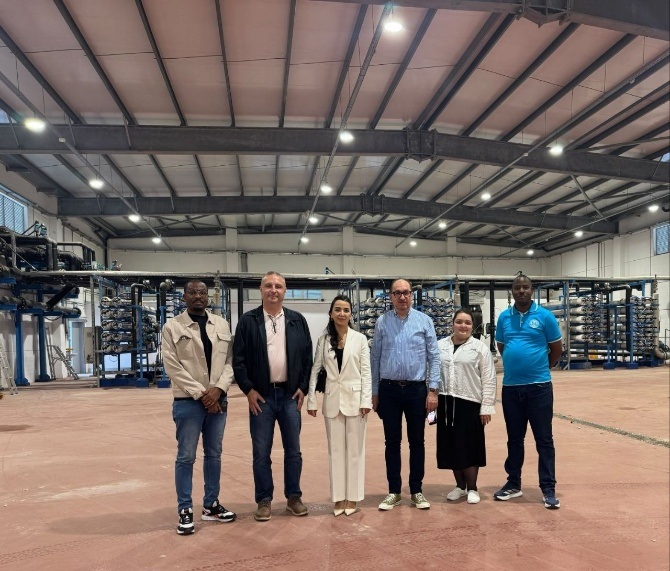
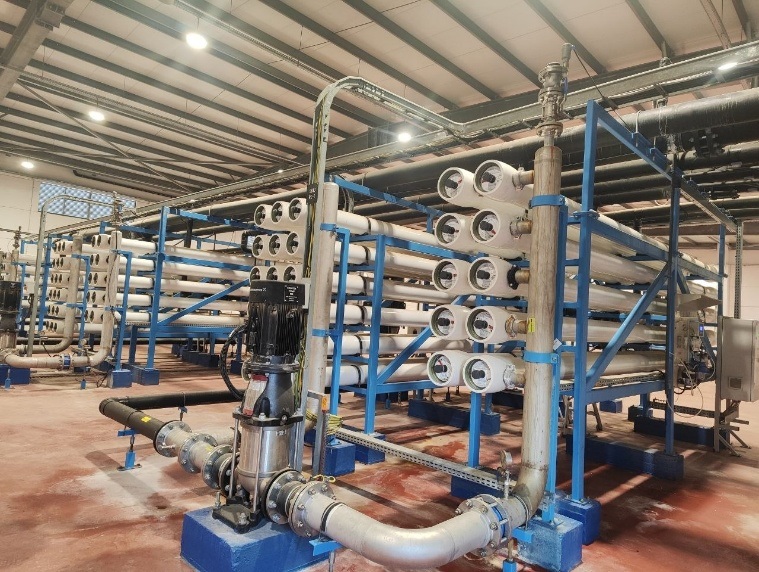
3. The final stop on the technical tour was the Emek HaMaayanot Desalination Facility. Participants examined the facility's operational standards and advanced technological solutions, including:
- Technologies and energy conservation: reverse osmosis membrane desalination processes and adopted measures to improve energy efficiency.
- Operation and maintenance: modern approaches to maintenance and management of treatment processes.
- Control of standards: automated systems for ensuring and continuously monitoring the quality of treated water.
Although the application of desalination technologies in Central Asia remains limited, the experience gained at the Emek HaMaayanot facility is of practical value to the region. Approaches to reducing energy consumption, adopting automation, and ensuring strict water quality control could be adapted to support the modernization of pumping stations and water treatment facilities in Central Asia.
Participation in the Israel Water Week provided an opportunity to compare SIC ICWC's approaches, including its CAWater-IS information system and interactive mapping platforms, with Israeli practices in data-driven water management, forecasting, and cybersecurity. The events also provided a platform for discussing potential areas of joint research and knowledge exchange with the Kinneret Academic College and organizations from the participating countries. A preliminary agreement was reached with the Kinneret Academic College on signing a Memorandum of Understanding (MoU) to further develop cooperation.