No. 130 (791) November 2026
Regional Workshop “Practical Application of Artificial Intelligence (AI) Tools in Water Resources Management”
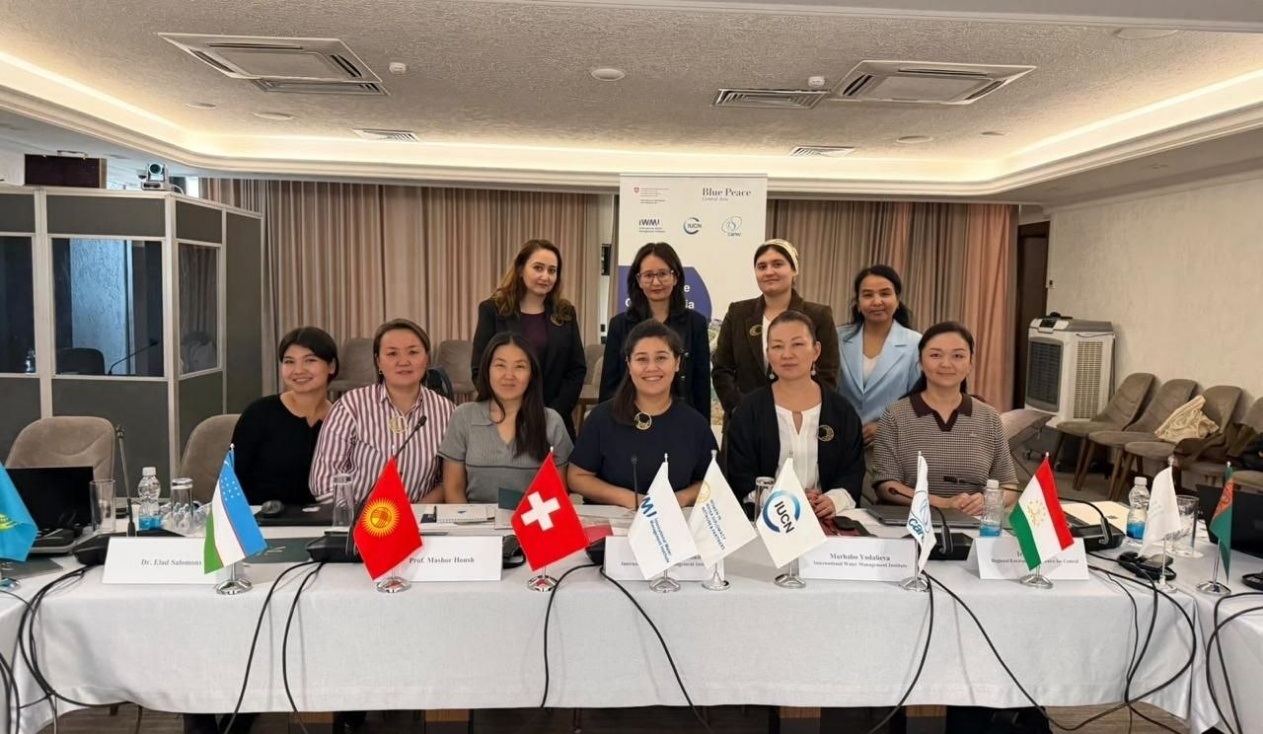
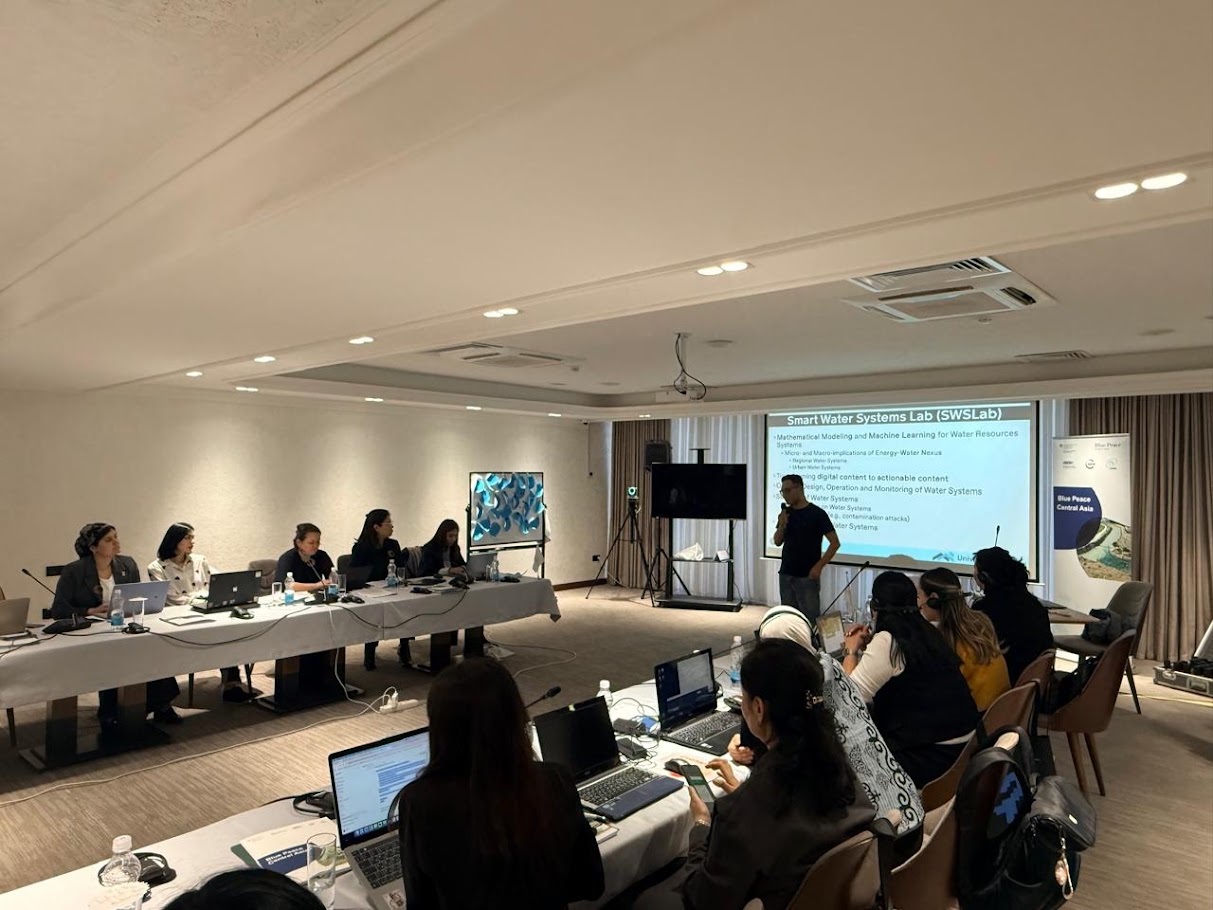
The regional workshop “Practical Application of Artificial Intelligence (AI) Tools in Water Resources Management” was held in Tashkent on 12–13 November 2026. The Regional Environmental Centre for Central Asia (CAREC) organized the workshop under the Blue Peace Central Asia (BPCA) Initiative. The International Water Management Institute (IWMI) and the International Union for Conservation of Nature (IUCN) implement the initiative as a consortium in partnership with CAREC, with financial support from the Swiss Agency for Development and Cooperation (SDC).
The workshop brought together participants from the “Women in Water Management in Central Asia and Afghanistan” Network—both existing and new members—including other women professionals working in the region’s water sector. In discussions about their professional development needs, women working in the water sector consistently identified digital skills as a priority. The workshop was organised in response to that need.
Gulnoza Khamdamova, senior specialist at SIC ICWC and a member of the Network, took part in the workshop.
Irina Yugay, CAREC’s WIS Programme Manager, moderated the workshop. Alexandr Nikolayenko, Blue Peace Central Asia Team Lead at IWMI, and Azamat Kauazov, CAREC’s Programme Manager for Climate Change and Sustainable Energy (online), welcomed participants. The opening session highlighted the Network’s work as part of the global “Women in Water Diplomacy” network and covered its achievements in 2026 and plans for 2027 under BPCA’s Women’s Empowerment component.
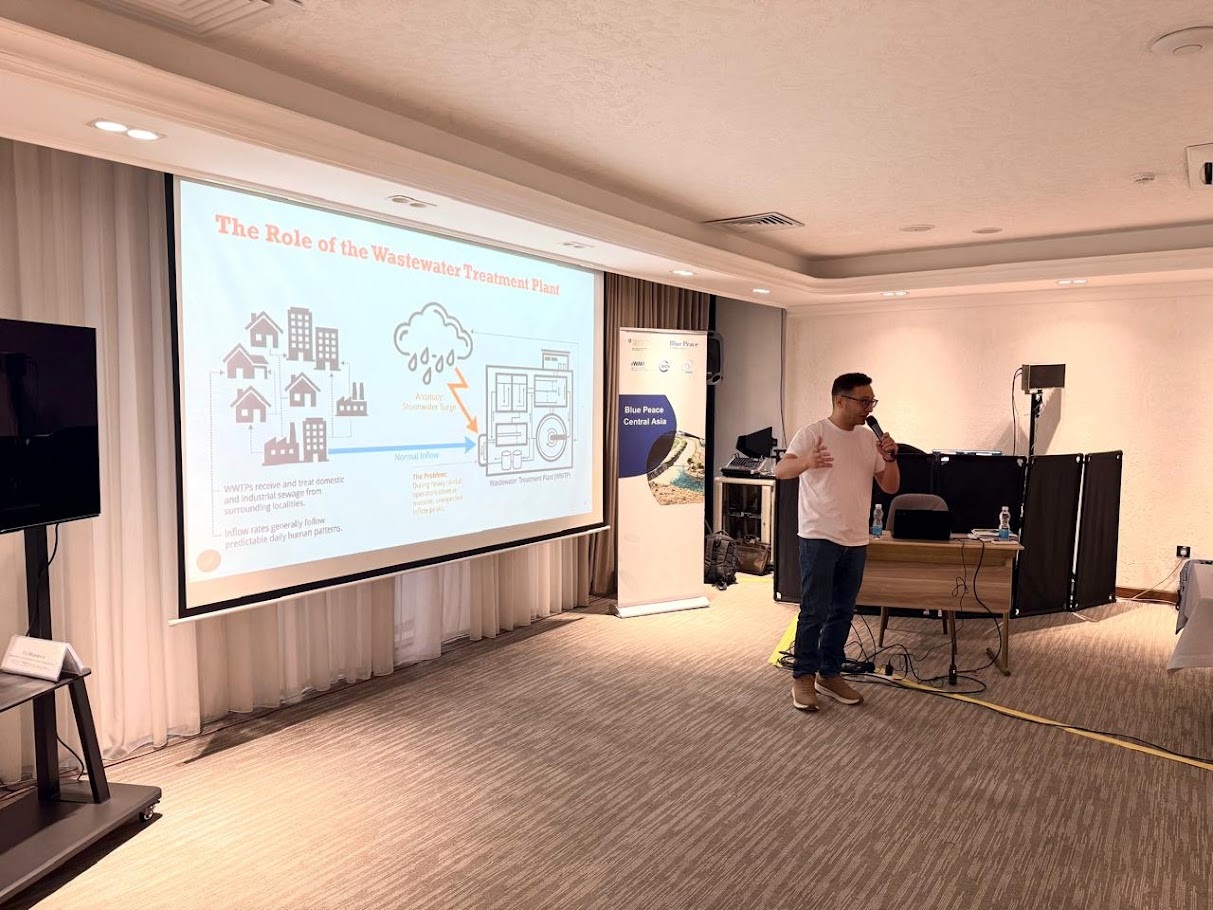
Two international experts from Israel led the training. Professor Mashor Housh of the University of Haifa specializes in water management systems, optimization and decision-making under uncertainty. Dr. Elad Salomons is a research engineer specializing in water distribution networks, hydraulic modelling, supervisory control and data acquisition (SCADA) systems, and hydroinformatics.
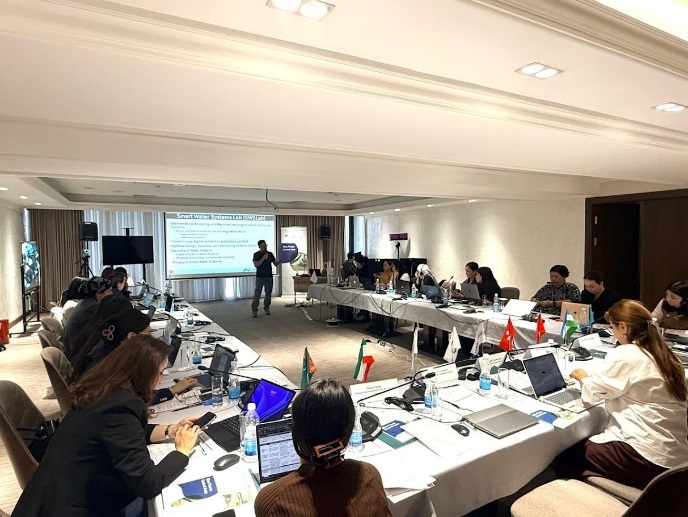
On the first day, participants learned how large language models work and explored their capabilities and limitations. They also learned to use chatbot workspaces, configure settings, manage memory, and work with code and files. In introductory exercises, they imported and visualized water-related datasets, mapped water data, built hydraulic and hydrological calculators and interactive dashboards, and summarized a technical report.
Participants then completed three practical assignments: analyzed time series of river discharge, water levels and precipitation to identify seasonal patterns and long-term trends, and prepared preliminary forecasts of hydrological variables; examined wastewater flow patterns and explored how wastewater flows varied with precipitation at different monitoring sites; used advanced metering infrastructure (AMI) data to classify water consumers, detect anomalies, forecast water demand and create an interactive HTML map.
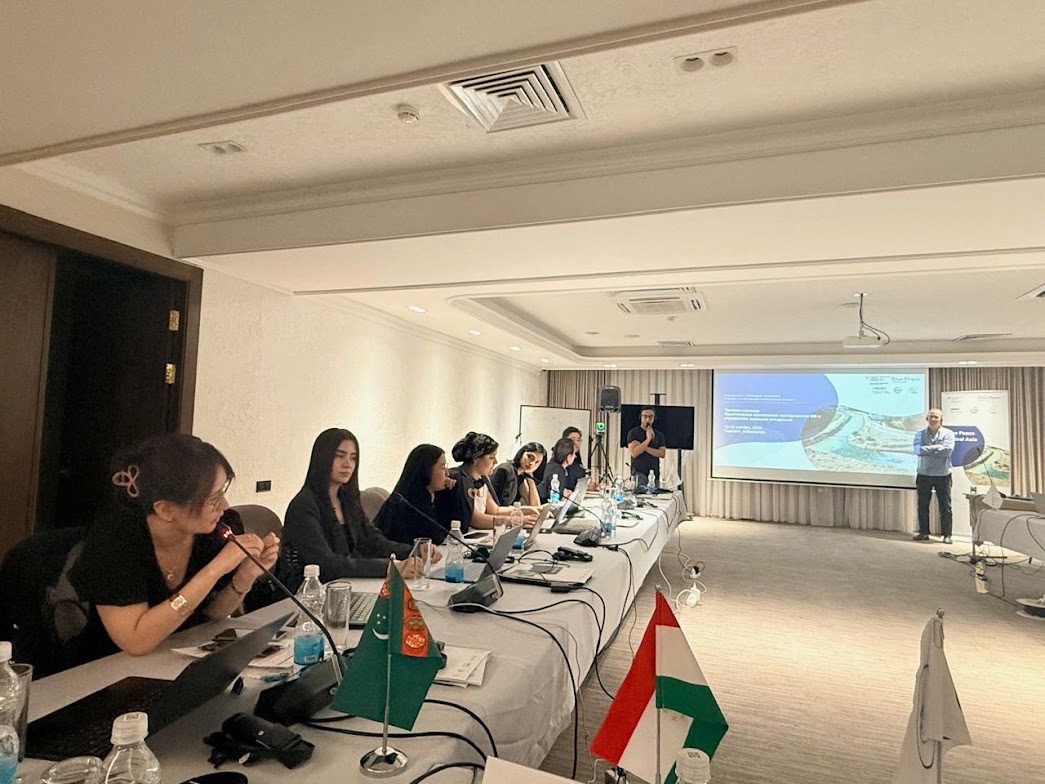
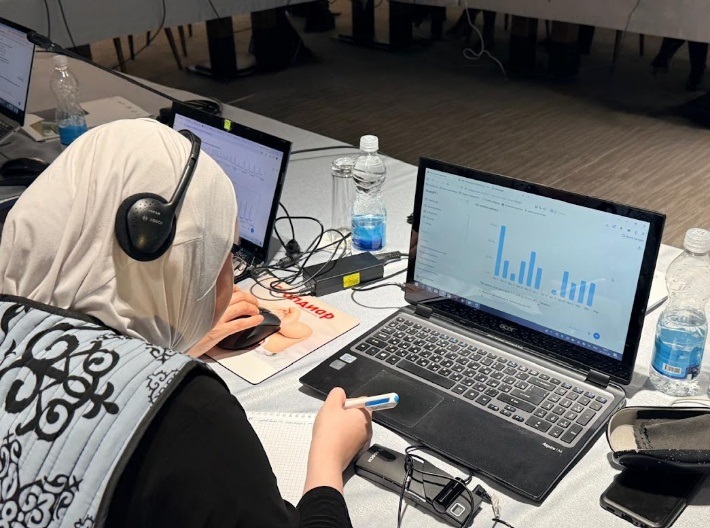
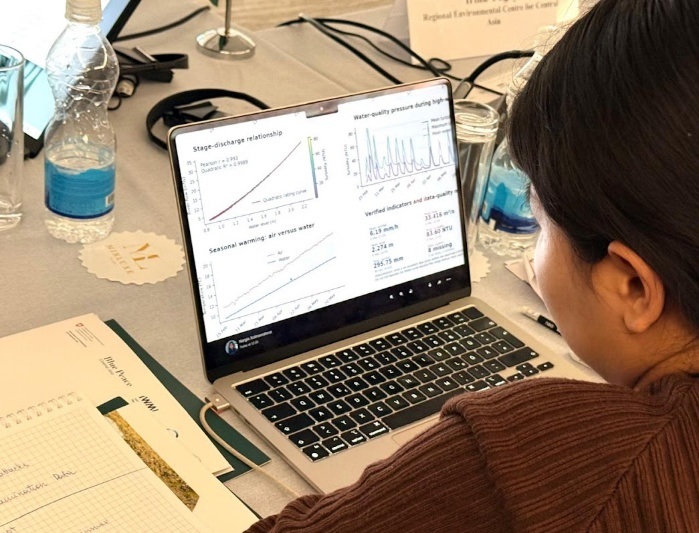
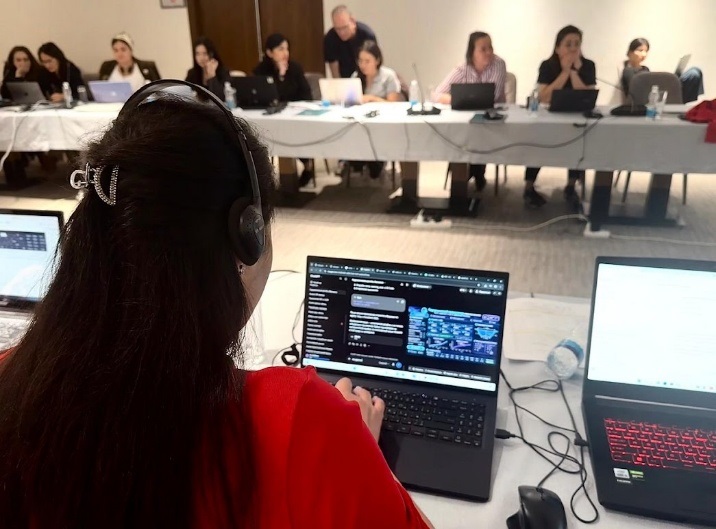
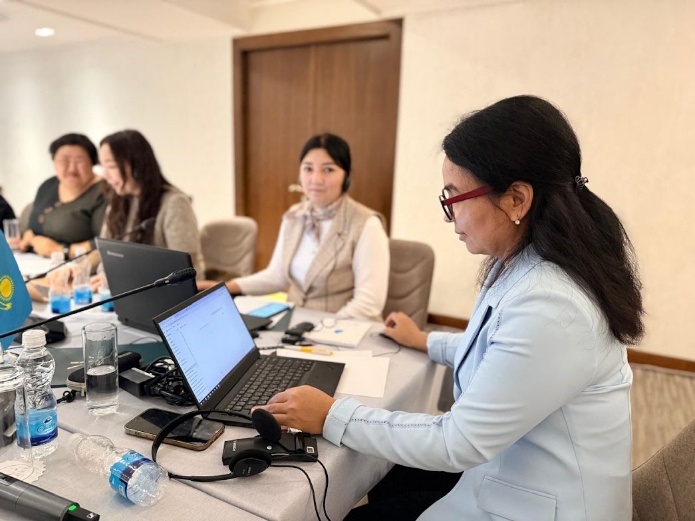
On the second day, participants used geographic information systems (GIS) to work with spatial data on rivers, watersheds, reservoirs and water management infrastructure. They combined hydrological, hydrometeorological, geospatial and infrastructure data to model water systems and assess their condition. They also explored how to optimize the operation of pump–reservoir systems and assess their operating costs and energy efficiency. Further exercises covered selecting suitable combinations of pumping equipment and assessing pumping station operating conditions and performance.
The key takeaway from the workshop was that human intelligence, professional experience and critical thinking remain indispensable, and that AI can serve as a valuable supplementary tool for processing complex information, analyzing data and automating routine tasks. At the same time, the use of AI requires thorough fact-checking and responsible handling of data, especially when the results are used in decision-making.
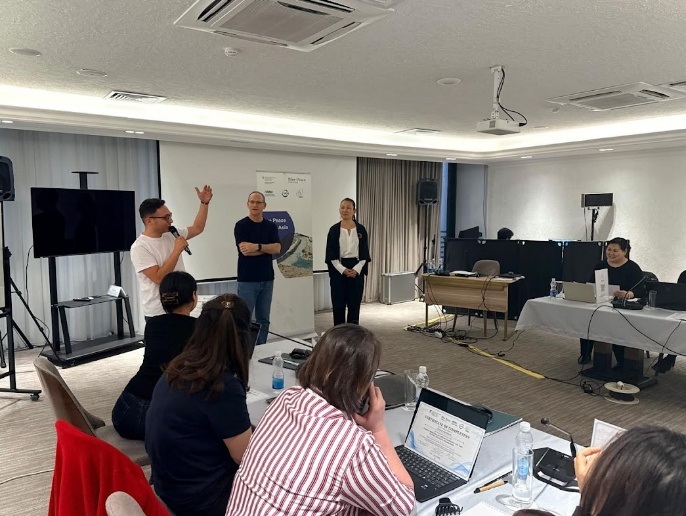
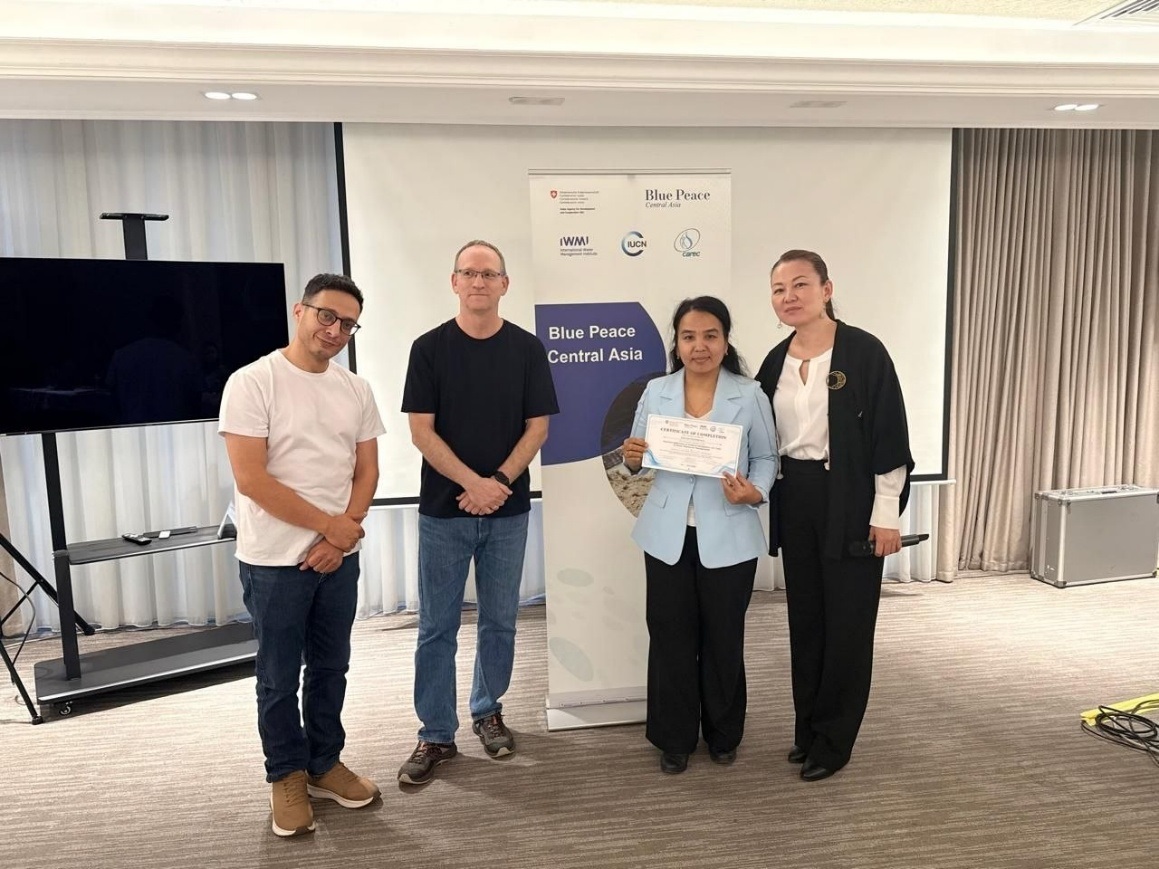
Participants received certificates at the end of the workshop.
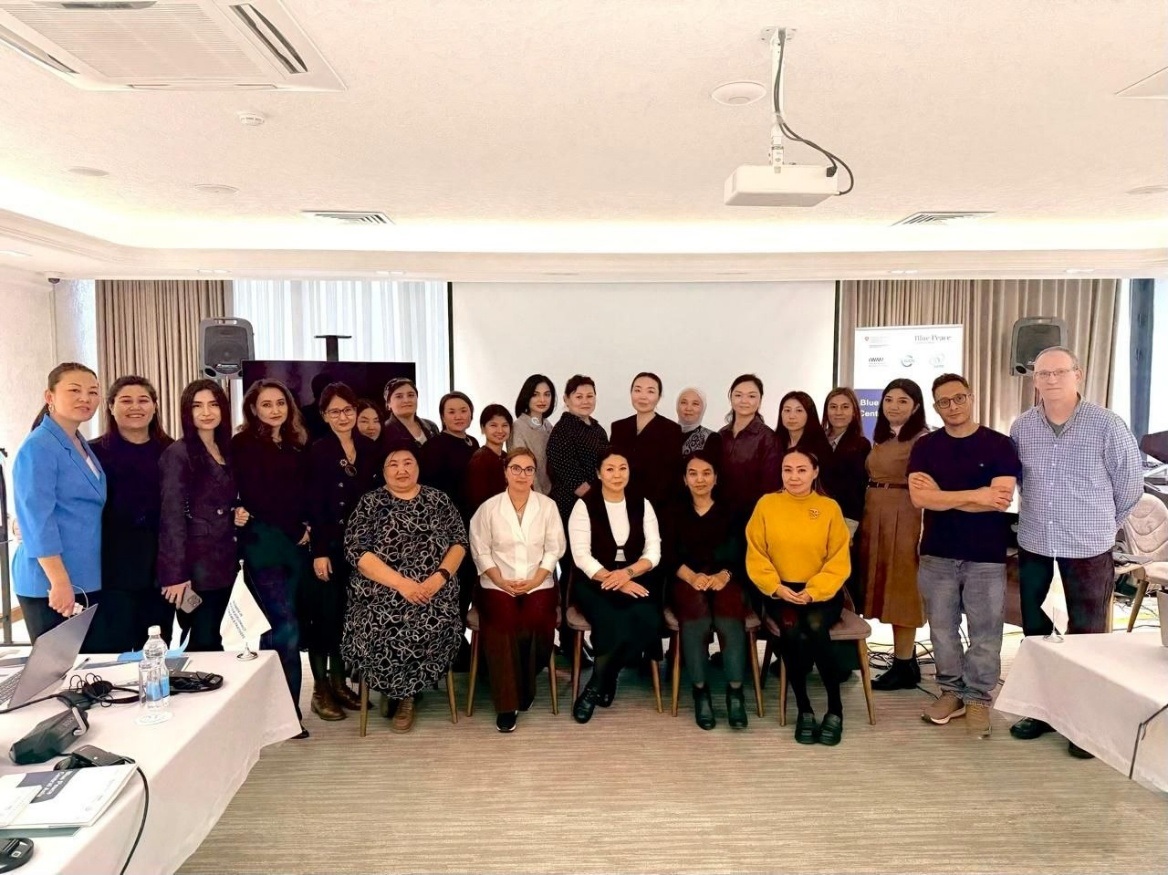
Strengthening the digital skills can help more women working in the water sector contribute to water management discussions and regional water cooperation.