
No. 117 (641) November 2025
International Conference Discusses Water Cooperation and Uzbekistan’s New Water Code
On 17 November 2025, Tashkent hosted an International Conference dedicated to water cooperation and the improvement of water law of the Republic of Uzbekistan. The event, organized by the Ministry of Water Management of the Republic of Uzbekistan with the support of the Asian Development Bank, the Swiss Agency for Development and Cooperation, SIC ICWC under the IKI project “Regional Mechanisms for the Low-Carbon, Climate-Resilient Transformation of the Energy–Water–Land Nexus in Central Asia” and other partners, brought together representatives of water agencies from Central Asian countries, key development partners, the diplomatic corps, and experts.
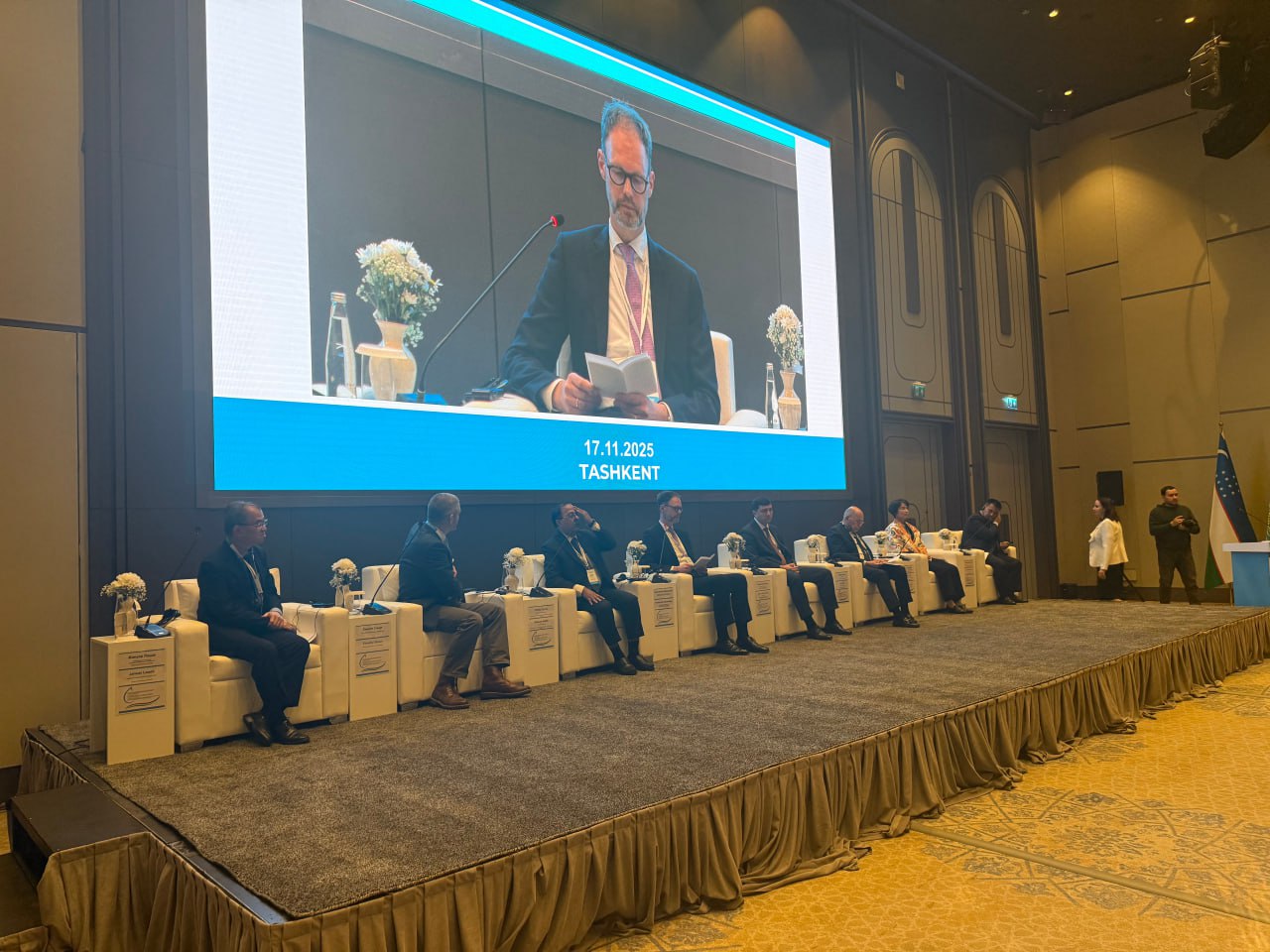
The formal launch of the new Water Code of Uzbekistan was in the focus of the program and set the tone for the subsequent expert discussions in the format of three thematic panel sessions. Each session was dedicated to key aspects of implementation of the new law.
Session 1 “Water Resources Management” focused on the new institutions introduced by the Code — these are water councils at the national and basin levels. Participants, including Dr. Dinara Ziganshina, Director of SIC ICWC, discussed how these bodies can enhance water security for the population, the economy, and the environment. Experts examined the incentives needed to promote water saving and improve water-use efficiency, as well as ways for better protection of aquatic ecosystems and water quality under the new law.
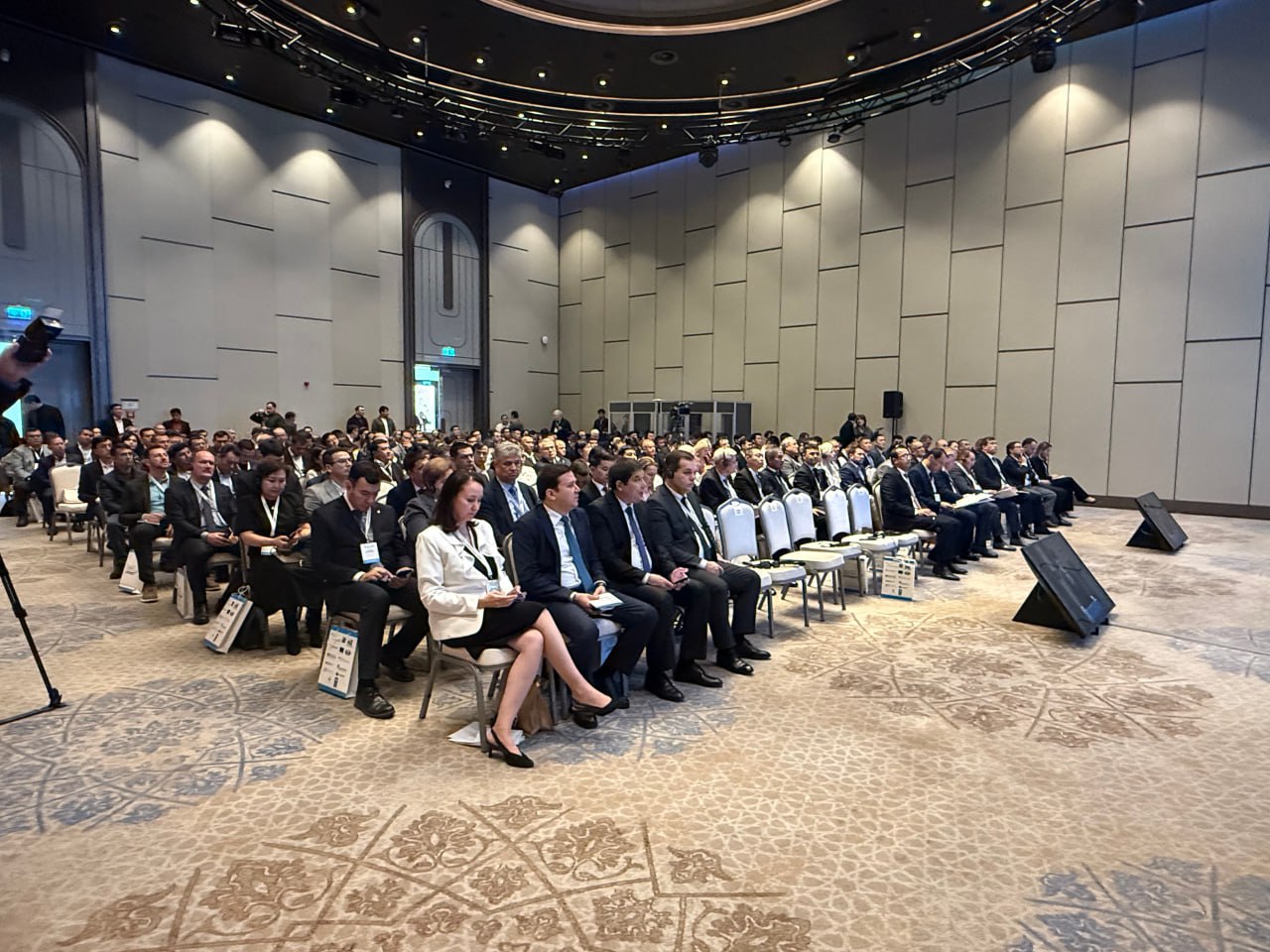
The second session “Water Allocation and Accounting” focused on technical and digital tools of water management. Key topics presented by Mr. Zakir Ishpulatov, First Deputy Minister of Water Management of the Republic of Uzbekistan, included mechanisms for setting water withdrawal quotas and limits, and the establishment of transparent systems for water accounting and monitoring. Particular attention was paid to digitalization of the water sector as a key factor for improving efficiency, transparency, and decision-making in the context of growing water stress.
The tone for the discussion in Session 3 “Financing Water” was set by the presentation of Mr. Karshiev, Deputy Minister of Water Management of the Republic of Uzbekistan, who outlined the new financial mechanisms introduced by the Water Code. The panelists, including representatives of the World Bank, OECD, and the UK Foreign, Commonwealth & Development Office, discussed the pressing issue of water financing. They addressed the mobilization of large-scale investments, the development of public–private partnerships, and the importance of transparent water accounting for attracting funding. Socially equitable tariff models and economic incentives for adopting water-saving technologies were also explored.
In conclusion, a meeting of the Sectoral Working Group on Water Management, Water Supply, and Sanitation was held. The participants discussed practical steps for implementing the Water Management Program for 2025–2028 and the Water Code. During the meeting, Dr. Ziganshina reported on the approval of the Gender Concept for the Water Sector of the Republic of Uzbekistan and called on participants to jointly implement the associated action plan. She also informed the group about the work led by SIC ICWC on preparation of guidelines on coordinating sectoral policies and the annual publication of the Water Yearbook: Central Asia and around the Globe, which summarizes key developments in countries and by development partners in the field of water and in related areas. Particular emphasis was placed on youth engagement. It was proposed to work together to support the formation of the “Fergana Valley Youth for Water” network, an initiative that emerged from the recent Fergana Peace Forum.
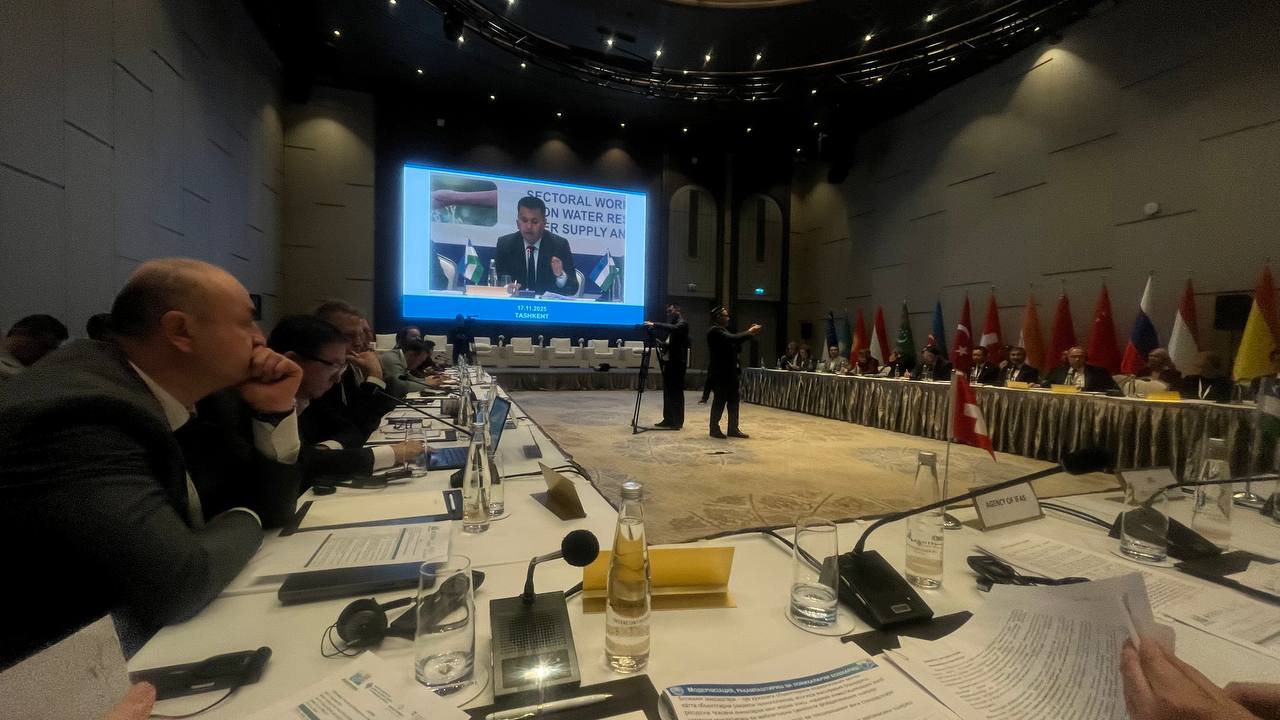
Definitively, the conference served as an important platform for open dialogue among government institutions, international partners, and experts, outlining concrete steps for moving from the adoption of the new Water Code to its effective implementation for the benefit of a sustainable water future in Uzbekistan and the Central Asian region as a whole.