
No. 119 (643) November 2025
In-Person Training as Part of the “Water–Energy Nexus Systems Modelling” Project
On 17–21 November 2025, an in-person training was held at the SIC ICWC Training Center. The training was organized in cooperation with the World Bank Group as part of the “Water–Energy Nexus Systems Modelling” project. Experts from SIC ICWC, members of Technical Group 2, as well as international experts Amjad Muhammad Khan (World Bank) and Guillaume Bouchard from the Stockholm Environment Institute (SEI) participated in the training.
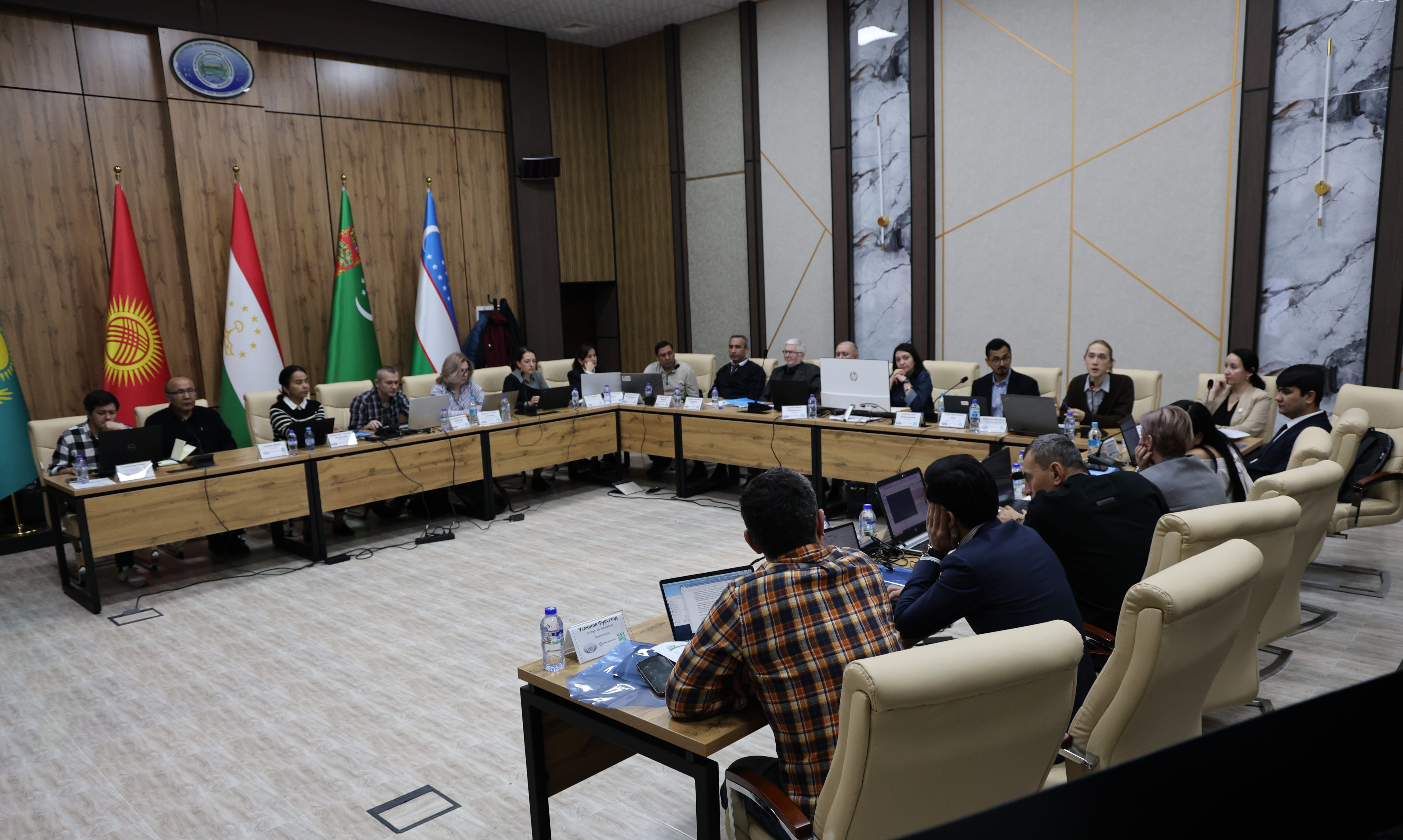
This training built on previous sessions and focused on developing a comprehensive understanding of the LEAP (Long-range Energy Alternatives Planning) model for members of Technical Group 2. The main objectives included:
- Mastering the SEI Central Asia LEAP model, including cost optimization and cost-benefit analysis for energy planning.
- Studying the integration of the LEAP and WEAP models within the “Water–Energy Nexus Systems for Central Asian Countries” framework to assess cross-sector interactions.
- Identifying key regional challenges and opportunities that require cross-sectoral or integrated analysis.
- Developing, implementing, and evaluating Water–Energy–Food Nexus policy scenarios.

The program combined lectures and practical sessions, enabling participants to explore model integration processes, scenario building and implementation in LEAP, and the basic principles governing the model's functionality. By the end of the training, participants had gained hands-on experience in data input and analysis, developed their own scenarios, and received methodological materials and recommendations for applying the model to energy sector analysis and scenario assessment.
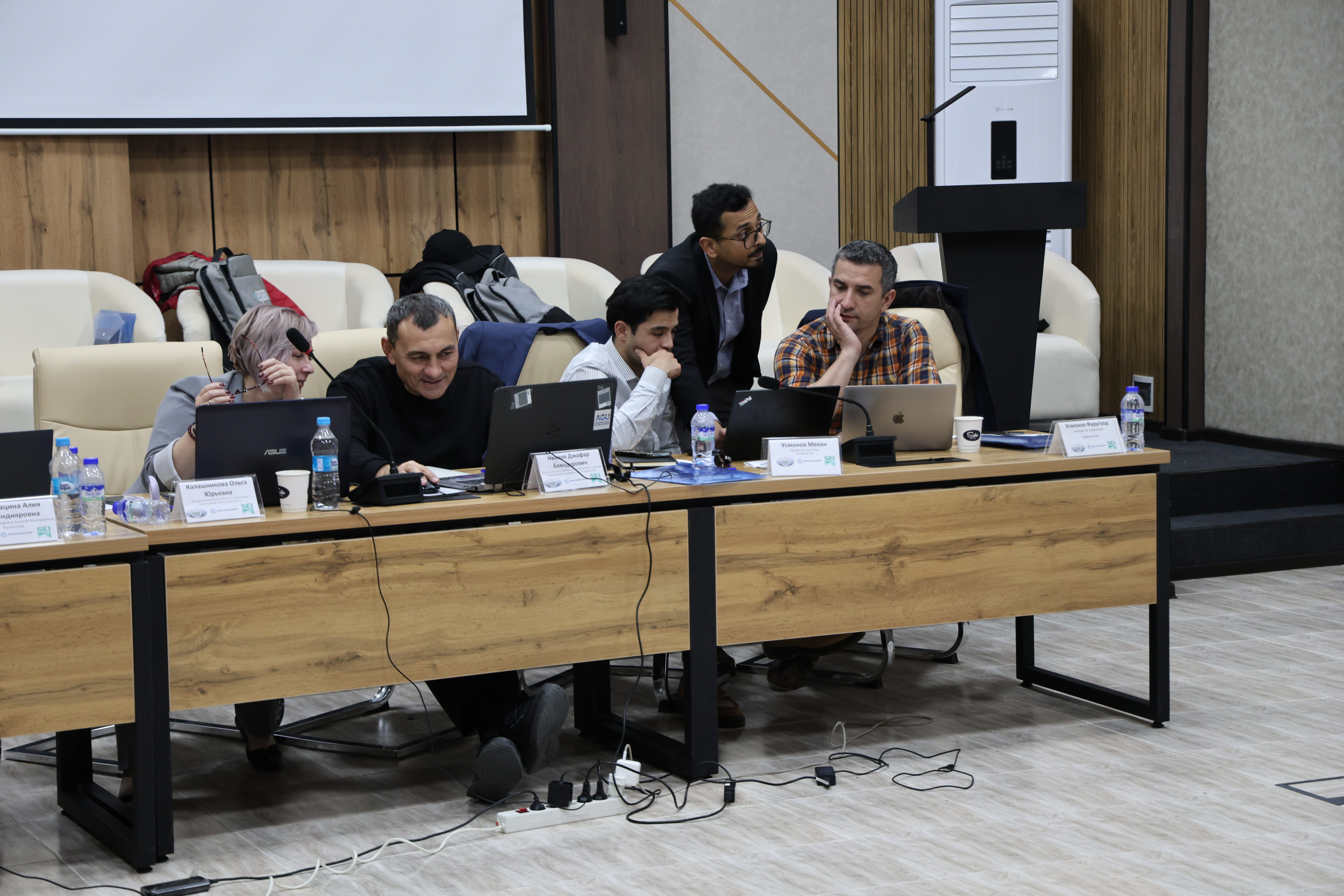
The training not only expanded participants’ theoretical knowledge but also strengthened their practical skills, forming an important foundation for continued work in energy system modeling.
During the concluding discussion, participants agreed on the next stages of work within the “Water–Energy Nexus Systems Modelling” project. The session also fostered enhanced cooperation among experts from various organizations and sectors, which is expected to positively support the project’s further development.