
No. 122 (646) November 2025
3rd Meeting of the Inter-Institutional Working Group on the Prevention of Water Pollution and Tailings Safety
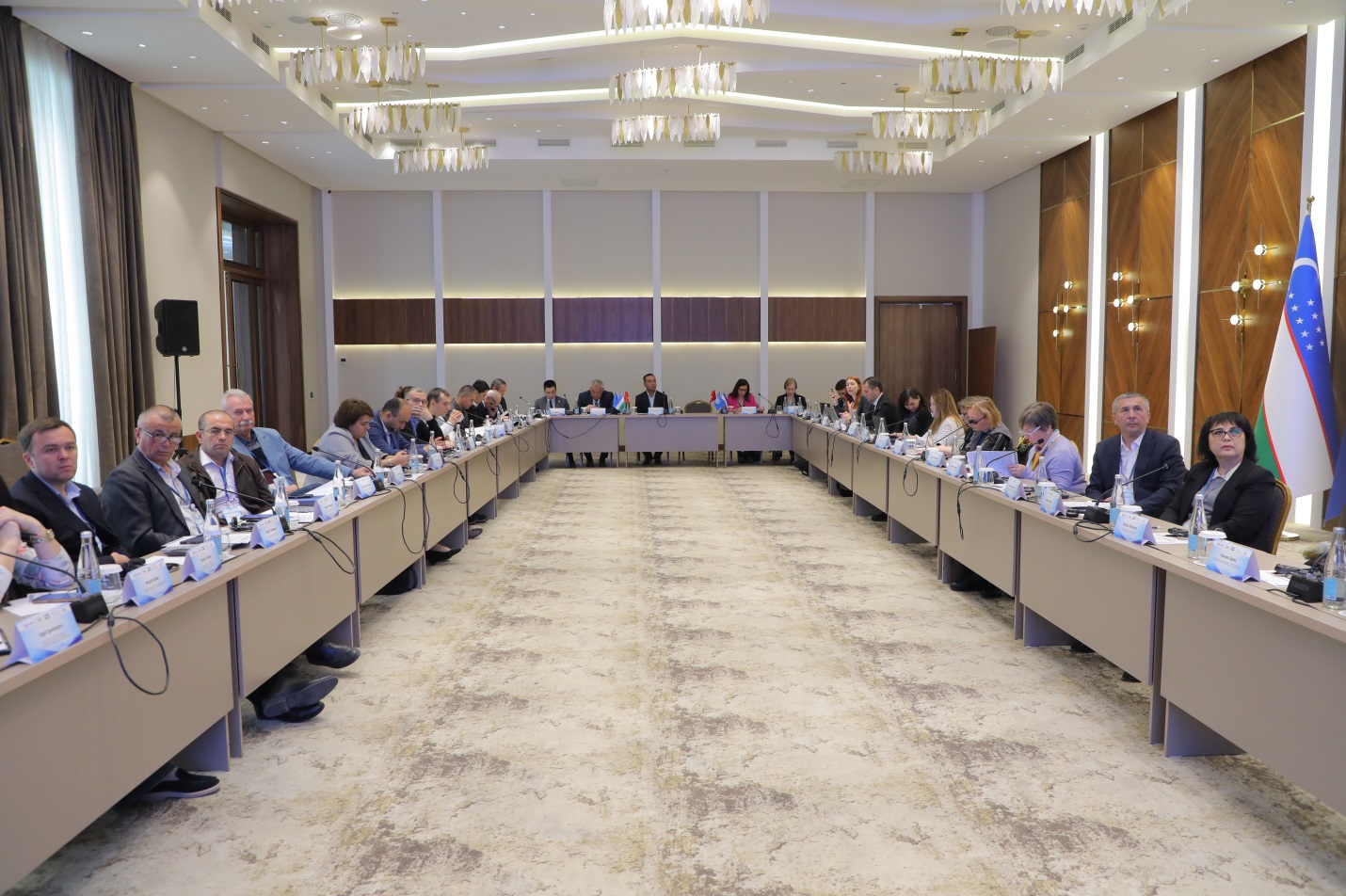
On 26 November 2025, Tashkent hosted the 3rd Meeting of the Inter-Institutional Working Group (IWG) on the Prevention of Water Pollution and Tailings Safety.
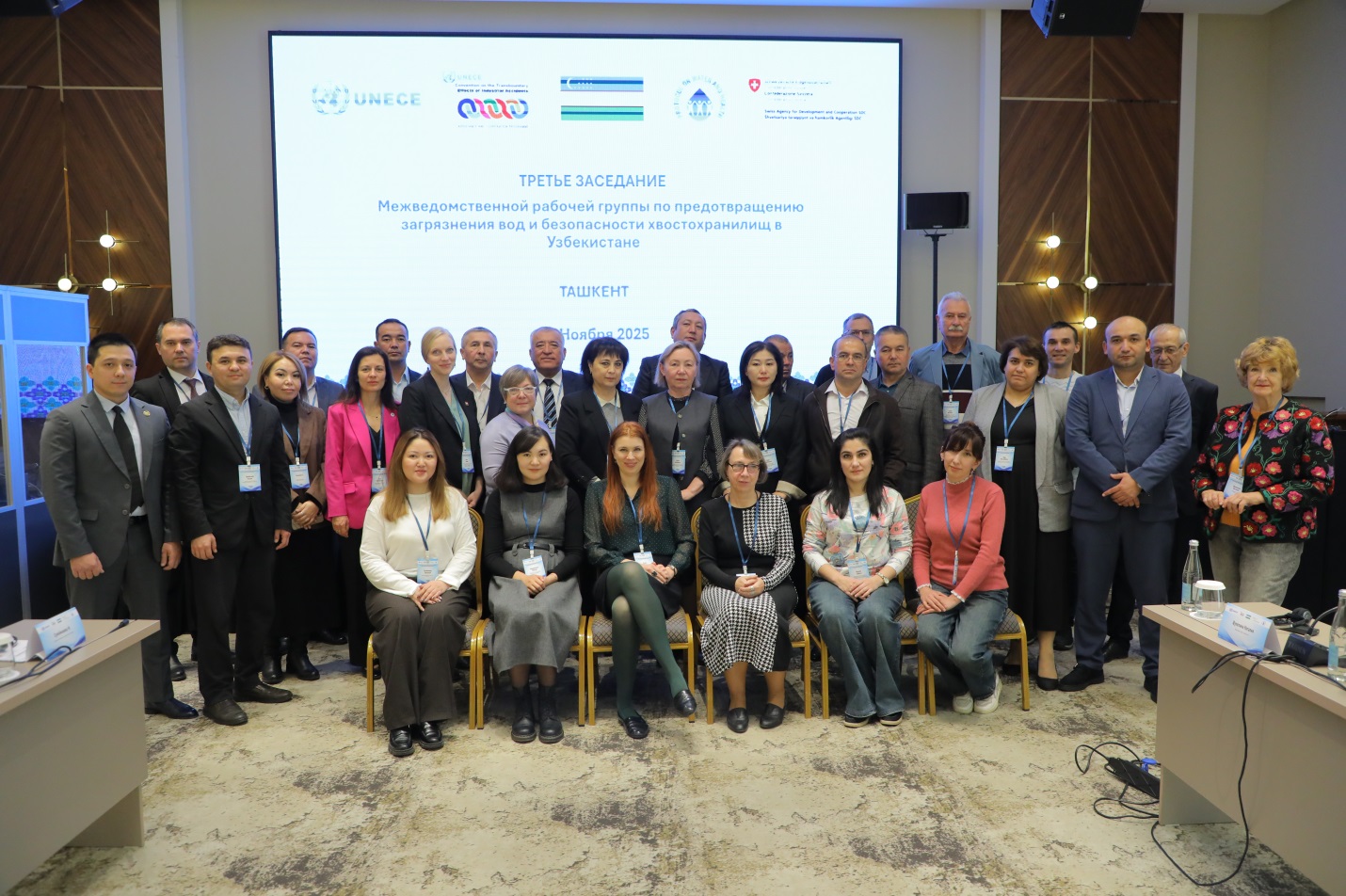
The IWG was officially established on 26 July 2024 by a decree of the Minister of Ecology, Environmental Protection and Climate Change of the Republic of Uzbekistan. The Group is comprised of representatives of national authorities responsible for environmental protection, water management, public health and sanitation, mining and geology, industrial safety, emergency management, hydrometeorology, drinking water supply, industrial enterprises, as well as academia and international partners.
During the meeting, participants reviewed progress under the Convention on the Transboundary Effects of Industrial Accidents and the Protocol on Water and Health, and agreed on the next steps for the 2026 work plan.
In line with the agenda, welcoming remarks and brief reports were delivered by officials of the State Committee for Ecology and Climate Change, the Ministry of Water Management, the Committee for Sanitary and Epidemiological Welfare and Public Health, and the Ministry of Mining and Geology of the Republic of Uzbekistan, as well as representatives of the Embassy of Switzerland in Uzbekistan and UNECE.
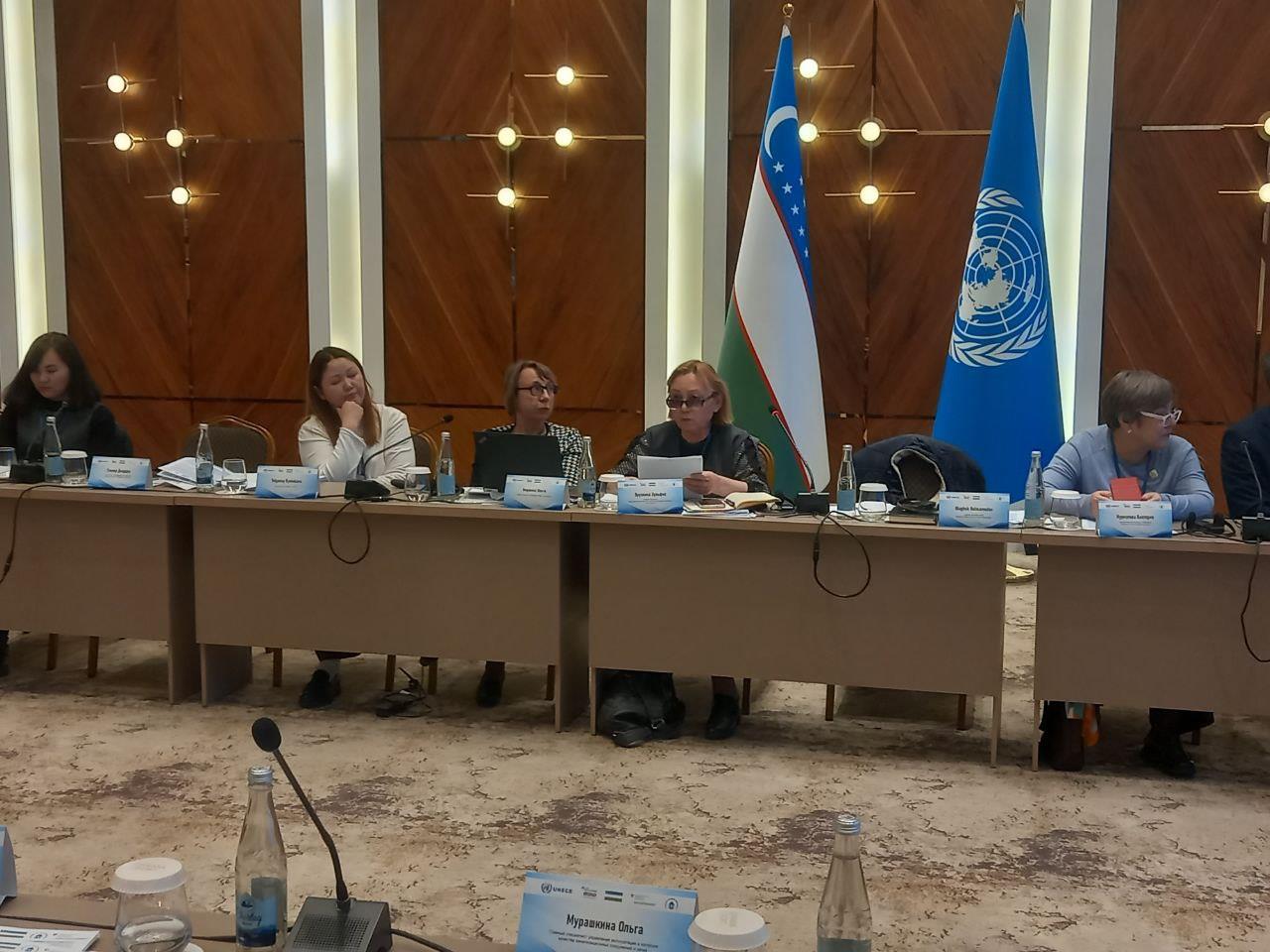
In her remarks, Lisa Gampp, Regional Adviser on Water Resources and Climate Change at the Embassy of Switzerland, highlighted that Uzbekistan faces increasing pressure on its water resources, growing climate-related risks, and a rising demand for safe and reliable water, sanitation, and hygiene services.
She emphasized that, in this context, strengthening national systems for preventing water pollution and ensuring safety of industrial facilities—particularly tailings management facilities—is essential. She also highlighted Uzbekistan’s recent accession to the Protocol on Water and Health, calling it a significant milestone not only for the country but for the entire region, as Uzbekistan is the first Central Asian state to join the instrument. This step reflects the country’s clear leadership and strong commitment to international standards.
During the meeting, the IWG reviewed Uzbekistan’s national self-assessment and action plan under the Industrial Accidents Convention. Participants discussed progress on the national roadmap for accession and learned on the experiences of countries that had previously joined the Convention, including Moldova, Sweden, and Kazakhstan.
The group also examined a draft analytical note on the impact of climate change on the safety of tailings facilities and received information from Value.Space on the use of remote sensing to support evidence-based risk management. The meeting further underscored the importance of coordinating with subregional efforts to assess climate risks related to tailings and highlighted the need for joint contingency planning in the Syr Darya basin, proposed to be developed with UNECE support.
Representatives of leading industrial enterprises in Uzbekistan presented information on the current situation in the field of environmental protection and measures taken to ensure the safe operation of tailings facilities.
Regarding the implementation of the UNECE Protocol on Water and Health, participants received brief information on the outcomes of the seventh session of the Meeting of the Parties, held in Budapest on 5–7 November 2025, noting Uzbekistan’s active participation.
Updates were also provided on ongoing efforts to strengthen the national regulatory framework for water protection, including matters related to water quality regulation.
The current state of development in improving the country's regulatory framework for water protection, including water quality regulation, was presented. In line with the agenda, IWG discussed the main findings of the recently completed baseline data analysis, which will guide the development of new national indicators. They also reviewed draft indicators aimed at enhancing the country’s resilience to climate change and associated challenges, and ultimately ensuring equitable access to safe water and sanitation. Following the discussion, proposals were made on relevant indicators, timelines, and responsible institutions.
At the conclusion, the IWG agreed on a Work Plan for 2026. The plan includes measures to: advance steps toward accession to the Industrial Accidents Convention, strengthen cooperation with operators, data exchange, and preparedness planning, and continue working on target indicators under the Protocol on Water and Health in line with national priorities.