
No. 123 (647) November 2025
Strengthening Women’s Leadership in Water Management
On November 25–26, a two-day regional training and inter-network workshop on integrated water resources management (IWRM), water diplomacy, and the role of women in transboundary water cooperation took place in Tashkent. The event was held in a hybrid format and brought together members of the Women in Water Management in Central Asia and Afghanistan network, as well as representatives of the regional South Caucasus chapter of the Global Women in Water Diplomacy Network.
The event was organized by the Regional Environmental Centre for Central Asia (CAREC) as part of the GIZ program “Climate Sensitive Water Resources Management in Central Asia” and the Blue Peace Central Asia initiative supported by the Swiss Agency for Development and Cooperation (SDC).
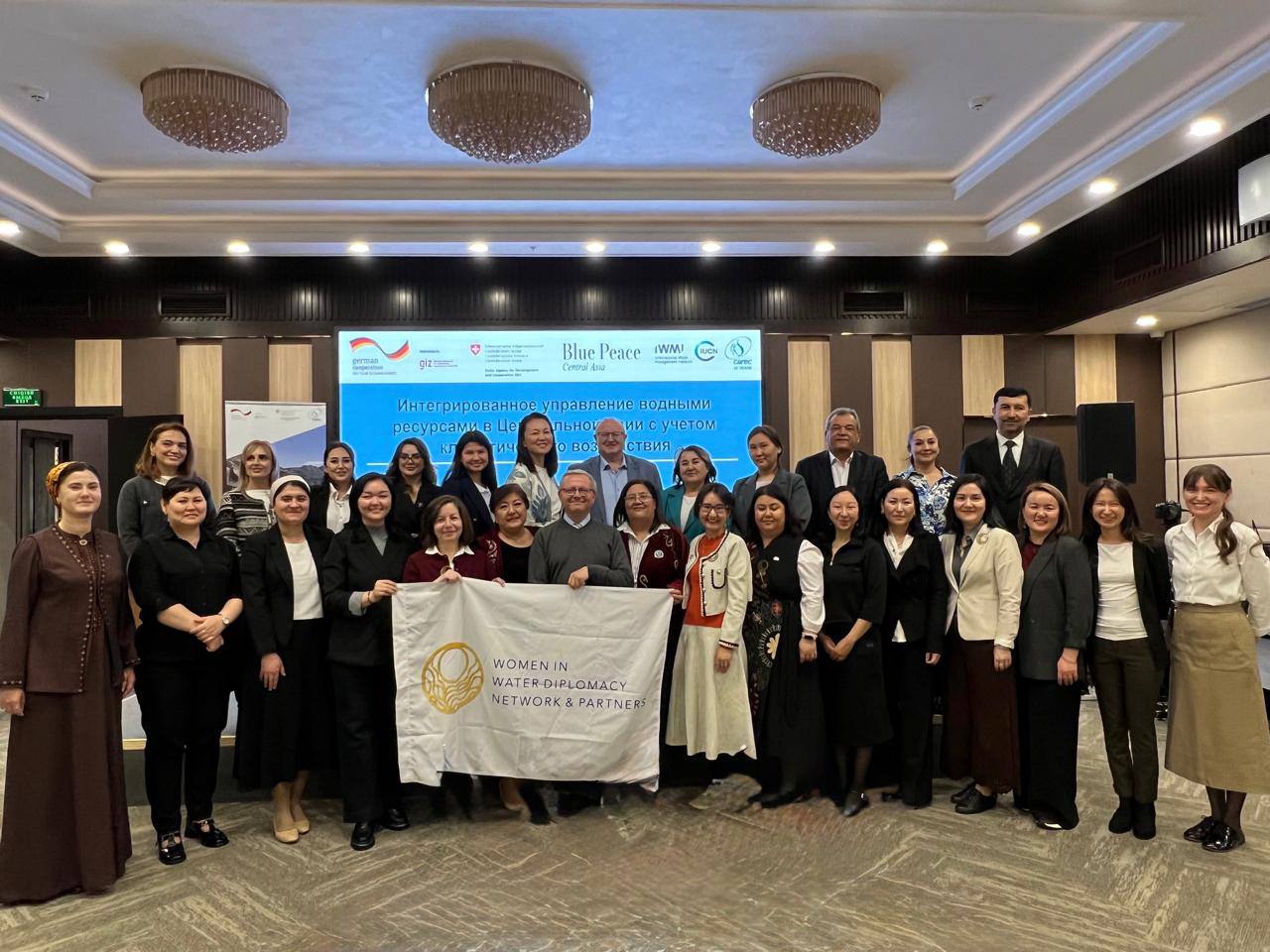
The first day included theory and practice on IWRM and water diplomacy tools, including the analysis of climate risks, institutional mechanisms of transboundary cooperation and the practical tool - Blue Peace Index. Participants discussed the role of women as the key agents to prevent water conflicts and build trust among countries.
On the second day, an inter-network workshop between Central Asia and the South Caucasus was held. The participants presented activities of their respective networks, exchanged experiences, discussed shared challenges, and identified areas for future cooperation. Special attention was given to the creation of a joint research group to conduct a baseline assessment of the gender gap in transboundary water management and to develop a preliminary action plan.
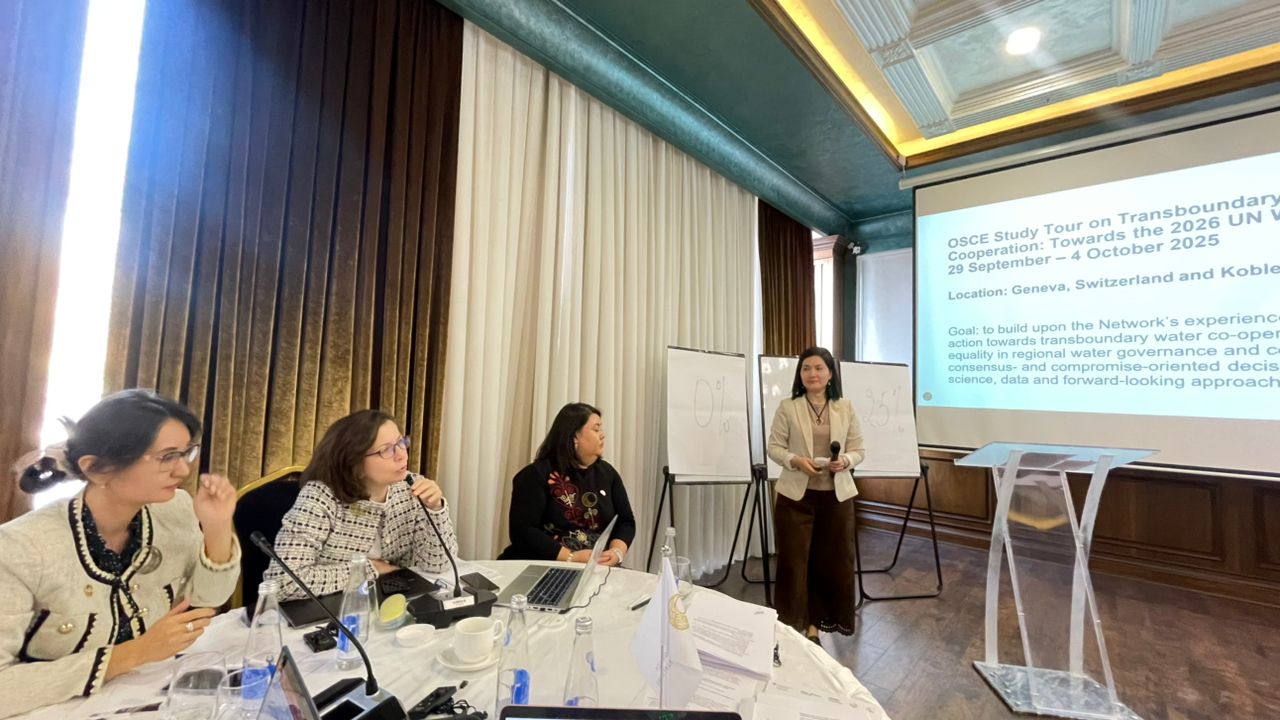
More than 20 representatives of water and related sectors of five countries in Central Asia and the South Caucasus took part in the event, including both active members of the regional Women’s Network and new comers. SIC ICWC was represented by Oygul Usmanova, a member of the regional network “Women in Water Management of Central Asia and Afghanistan.”
The event marked an important step in strengthening the expert capacity of women, expanding interregional cooperation, and promoting a gender-sensitive approach to water diplomacy in the regions.