
No. 133 (657) December 2025
1st Pan Asia Training on International Water Law Brings Together Experts to Strengthen Transboundary Cooperation
From 8 to 11 December, Bangkok (Thailand) hosted the first Pan-Asian Training on International Water Law (IWL), a landmark event that brought together more than 100 leading experts, government officials, and representatives of the scientific community from over 20 Asian countries. Organized by the UN Water Convention Secretariat in partnership with a consortium of organizations—including Northumbria University, UNU-CRIS, IUCN, and GWP—and supported by the governments of Australia, Finland, Germany (IKI-Nexus project), and the Netherlands, the training provided a platform for dialogue on the future of transboundary water management in Asia.
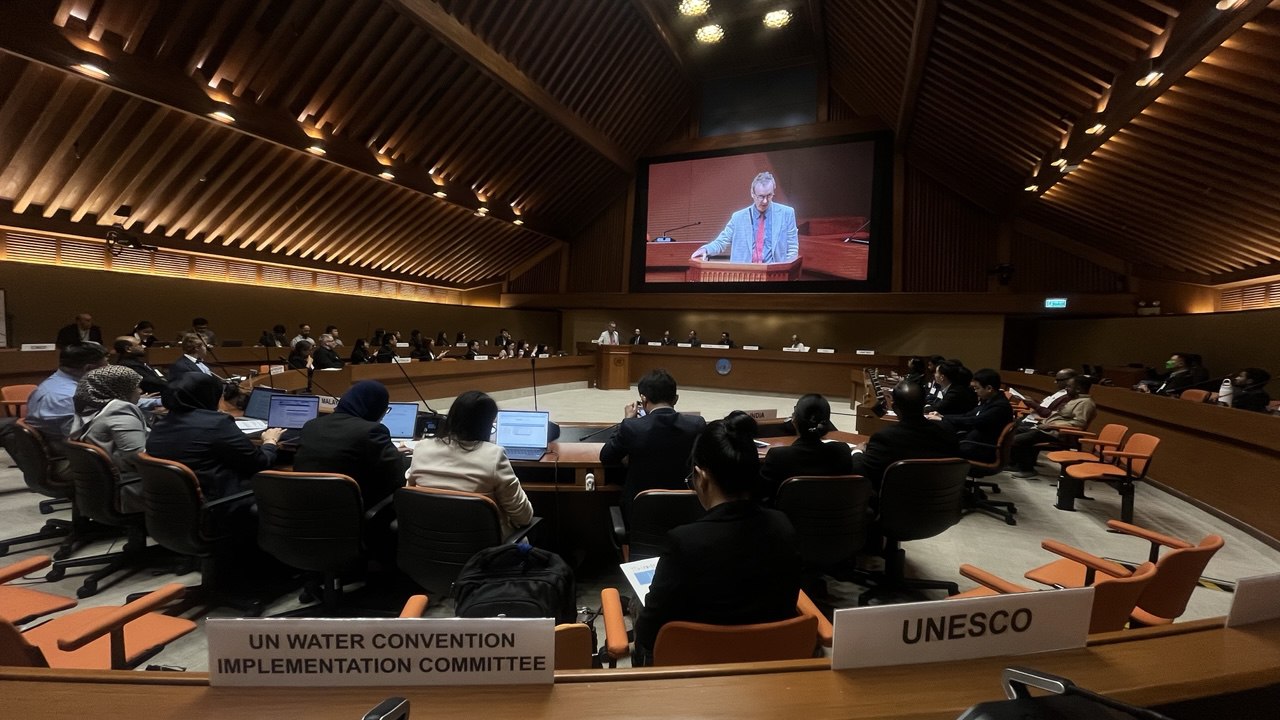
Given that 25 out of 30 countries in the region share transboundary rivers, lakes, and aquifers, and that existing agreements remain insufficient in many basins, the training aimed to strengthen capacity, share advanced practices, and identify practical solutions for the effective implementation of international water law principles.
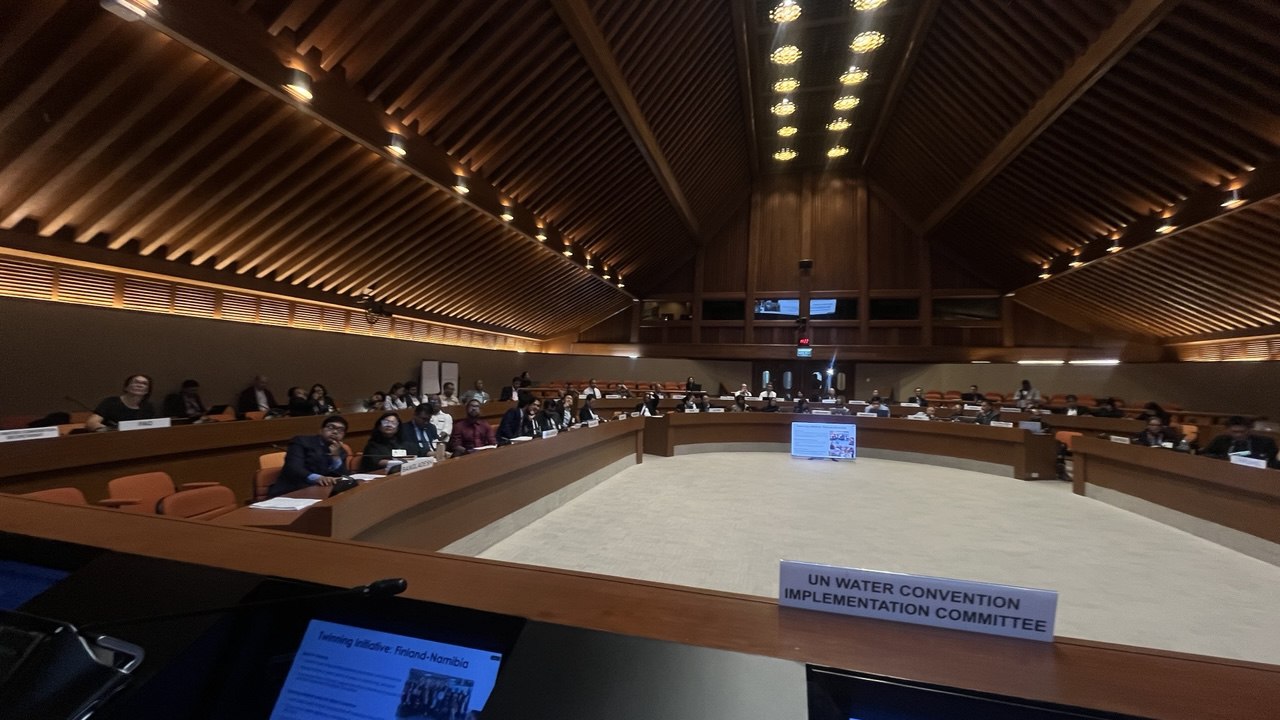
The program combined theory and practice and was structured around four key thematic areas:
- Legal frameworks and global water conventions.
- Principles and procedures: In-depth analysis of equitable and reasonable use, prevention of harm, cooperation, data exchange, and dispute resolution.
- Climate resilience and investment: Discussion of mechanisms for mobilizing green financing to adapt water management to climate change.
- Inclusive governance: The role of public participation, gender equality, youth, and access to information in water diplomacy.
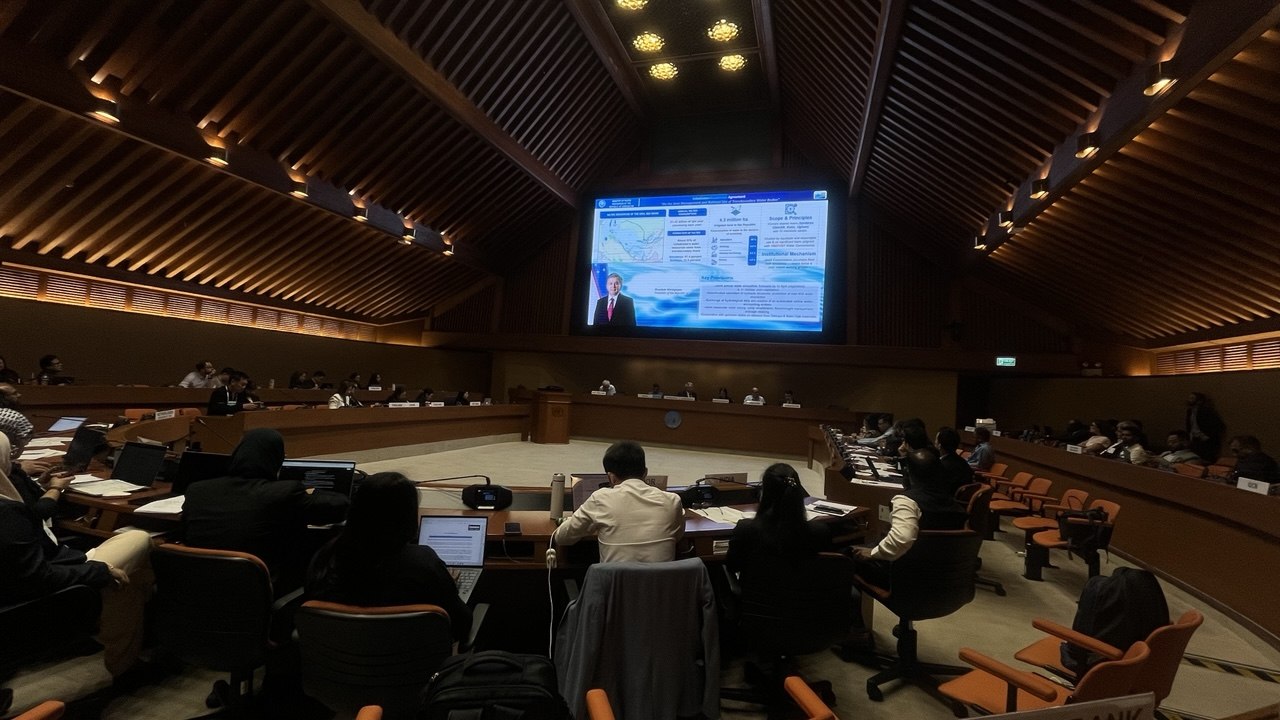
SIC ICWC played an active role in delivering the training. Director of SIC ICWC, Dinara Ziganshina, served as one of the lead lecturers and facilitators, sharing Central Asia’s experience and the work of the Implementation Committee under the UN Water Convention. Her contributions covered several key sessions:
- International Water Law trends in Central Asia: On the first day, SIC ICWC presented an overview of regional practices and emerging trends of international water law in Asian subregions.
- Global water conventions: As the Chair of the Implementation Committee, Dr. Ziganshina highlighted the practical value of global water conventions, explaining the role, functions, and consultative procedure of the Committee.
- Procedural norms and infrastructure: As part of the session on procedural norms of International Water Law, SIC ICWC presented the report “Transboundary Water Infrastructure for Trust and Stability,” showcasing joint monitoring of gauging stations by Tajikistan and Uzbekistan, as well as a new agreement between Tajikistan and Kyrgyzstan on access to waterworks facilities.
- Inclusive water governance: On the final day, SIC ICWC moderated the session “Gender, public participation, youth, and dissemination of information in international water law,” coordinating a discussion on the involvement of various groups of population in decision-making processes. In particular, participants shared experiences in: gender equality initiatives and women's leadership in transboundary water management; youth engagement in transboundary dialogues and monitoring; local and community-based mechanisms for cross-border cooperation; access to information and participation in environmental impact assessments for major water management and hydropower projects.
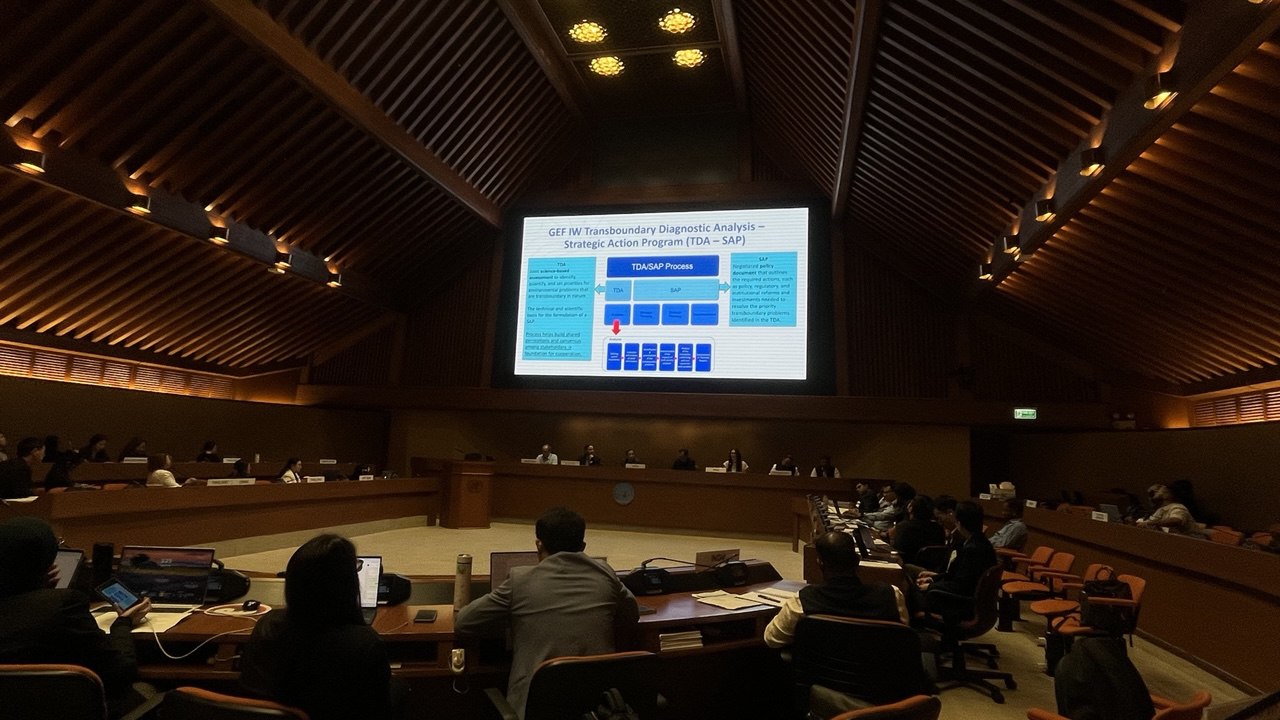
Dr. Ziganshina also facilitated group negotiation exercises, enabling participants to practice their skills in drafting and negotiating transboundary agreements.
The first Pan-Asia Training on International Water Law laid a solid foundation for building a community of practitioners, strengthening trust, and promoting concrete steps toward implementation of international water law across Asia. It marked an important milestone in advancing SDG 6.5.2 and supporting a climate-resilient future for transboundary water of the continent. Participants emphasized the substantial practical relevance of the expert-to-expert knowledge exchange model, the comprehensive nature of the regional case studies presented, and the unique opportunity it provided for direct dialogue among Asian subregions.