
No. 32 (693) April 2026
SIC ICWC at the Regional Environmental Summit (RES 2026) in Astana: from Water-Energy Cooperation to Nature-Based Solutions and Sustainable Finance
From 22 to 24 April 2026, SIC ICWC took active part in the Regional Environmental Summit held in Astana under the theme “Shared Vision for a Sustainable Future”, as well as in the 8th Central Asia Climate Change Conference.
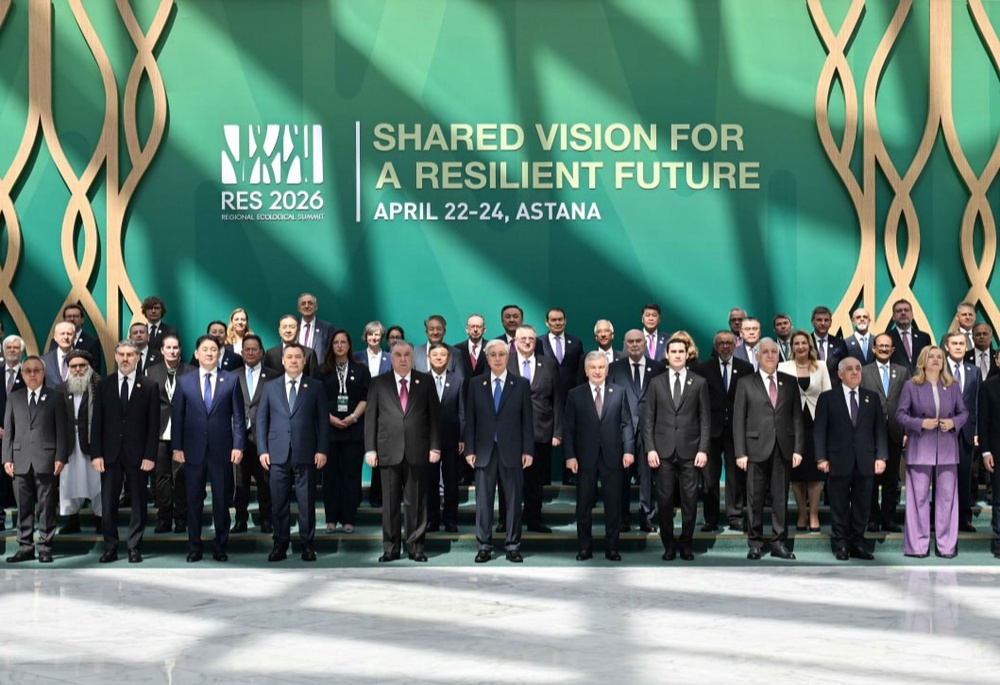
At the opening session on 22 April, the Presidents of Kazakhstan, Kyrgyzstan, Tajikistan, Turkmenistan, Uzbekistan, Armenia, Georgia, and Mongolia, along with other high-level guests, outlined key priorities for advancing the regional environmental and water agenda. These included strengthening regional cooperation, promoting climate-resilient solutions, and enhancing global and regional water governance frameworks.
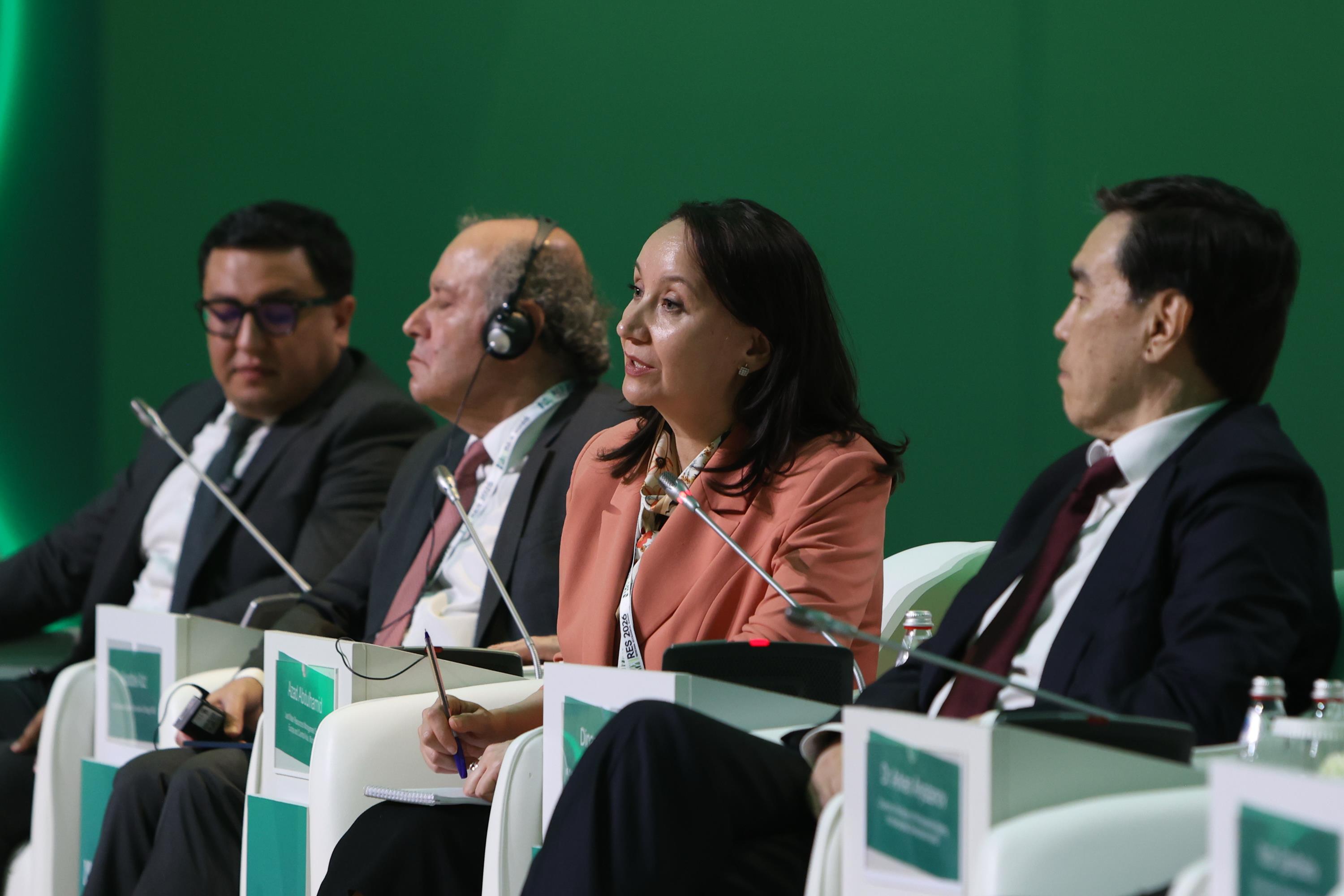
Dr. Dinara Ziganshina, Director of SIC ICWC, contributed to several high-level sessions:
At the session «The Economics of Water-Energy Cooperation in Central Asia under Climate Change», organized on 23 April with the participation of the World Bank and CAREC, SIC ICWC delivered a keynote presentation titled “Regional Experience with Economic Mechanisms for Water-Energy Cooperation and Existing Forecast Models in Central Asia.” The presentation highlighted regional practices in water-energy coordination, including power exchanges, coordinated operations of reservoirs and HPPs, and emphasized the need to move beyond seasonal arrangements toward a more sustainable hybrid coordination system. Such a system would combine national governmental mechanisms, interstate platforms, and economic instruments (including tariffs, co-financing schemes, and risk insurance). Particular attention was paid to modern forecast models that enable cooperation to be framed in terms of quantified benefits, trade-offs, and risks.
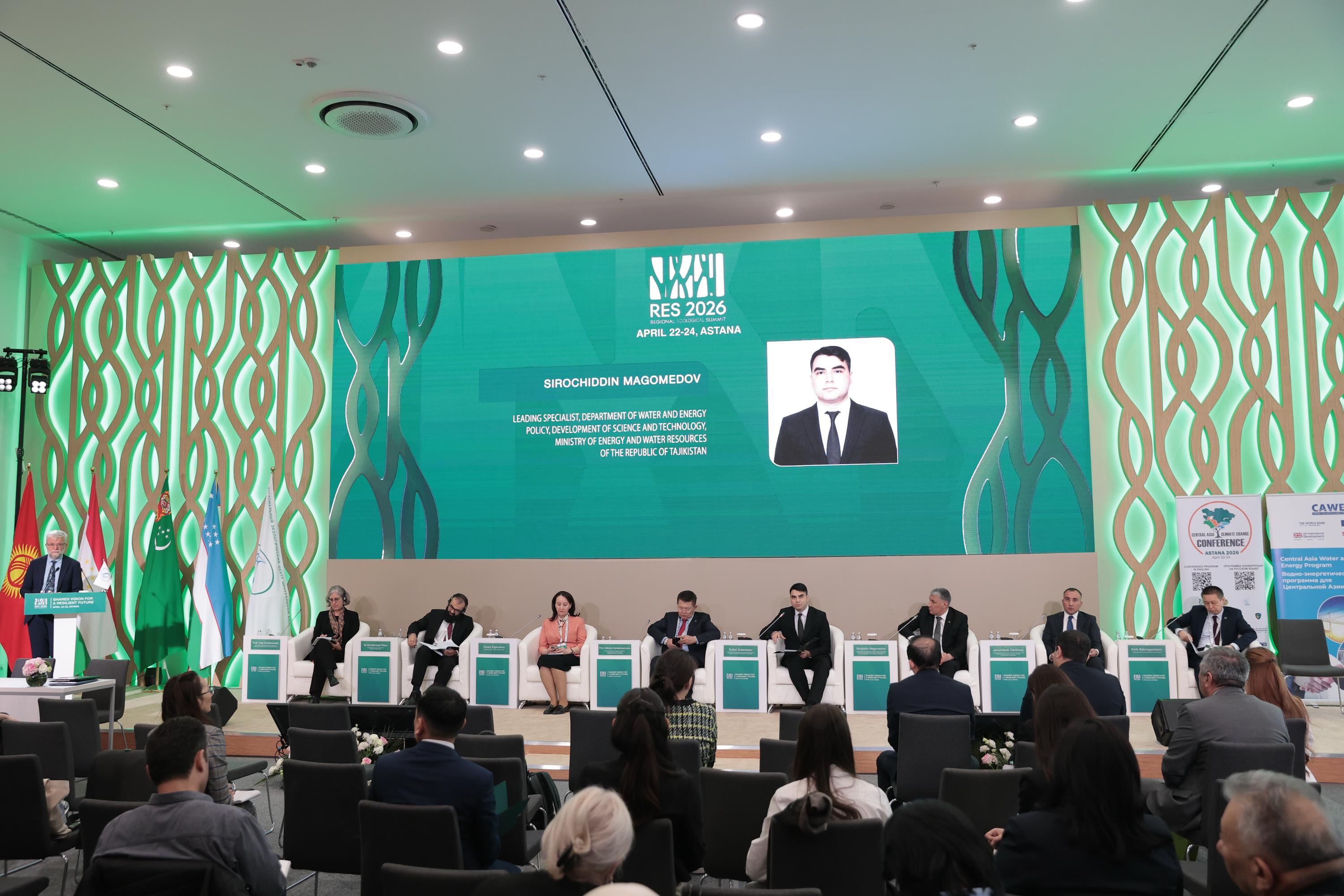
At a session on nature-based solutions, co-organized by SIC ICWC together with UNECE and OECD, a systemic approach to advancing nature-based solutions across three levels was presented. At the policy level, SIC ICWC promotes implementation of cross-sectoral coordination among ministries (including through the IKI Nexus initiative). At the basin level, it supports the integration of ecosystem-based approaches into planning and management in the Amu Darya basin under a GIZ-supported project. At the community level, it advances local initiatives in the Fergana Valley within a joint EU–UNEP–SIC ICWC project. The key message emphasized that nature-based solutions should not remain a parallel environmental agenda but must be embedded into water and land-use planning through an integrated “policy–basin–community” approach. .
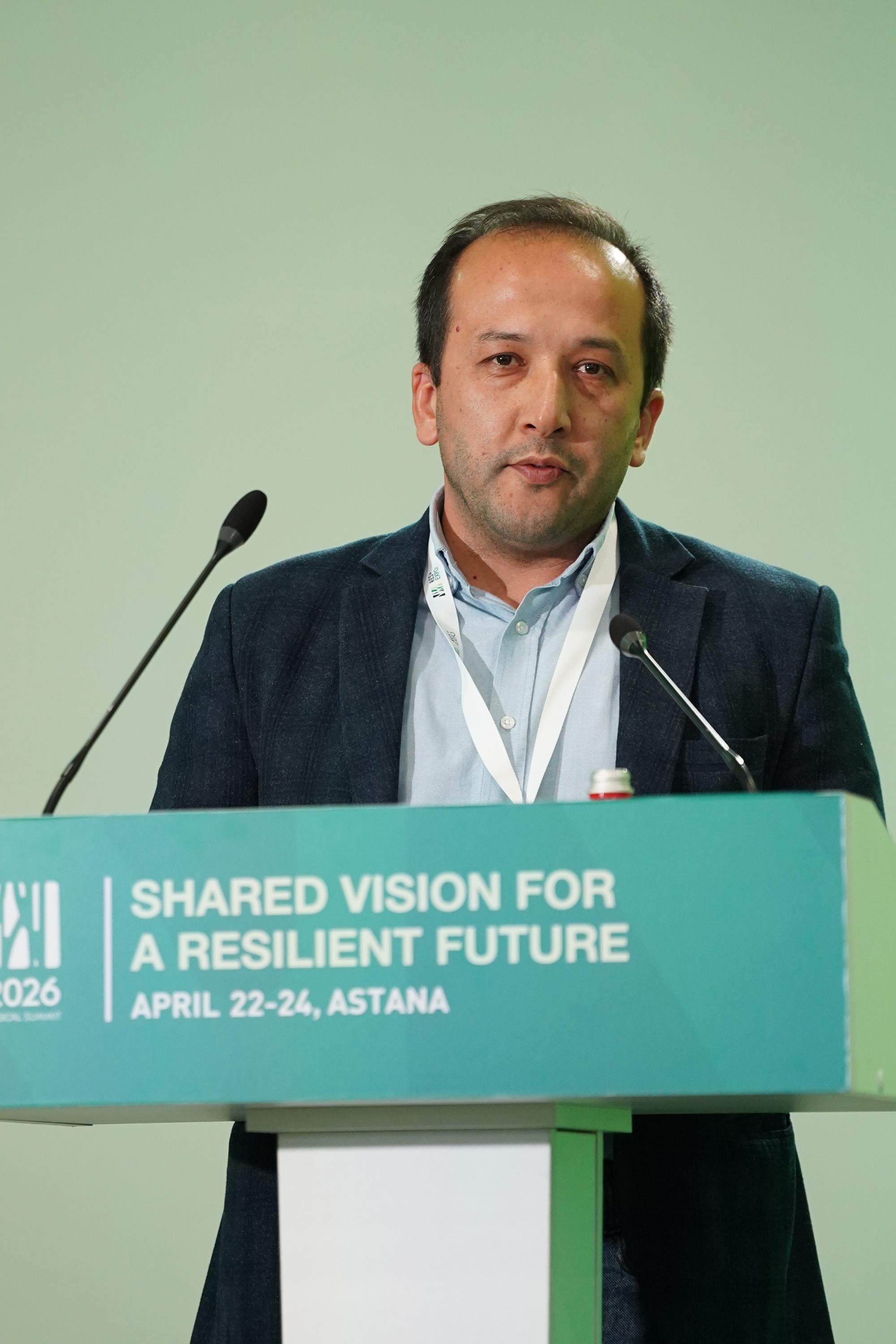
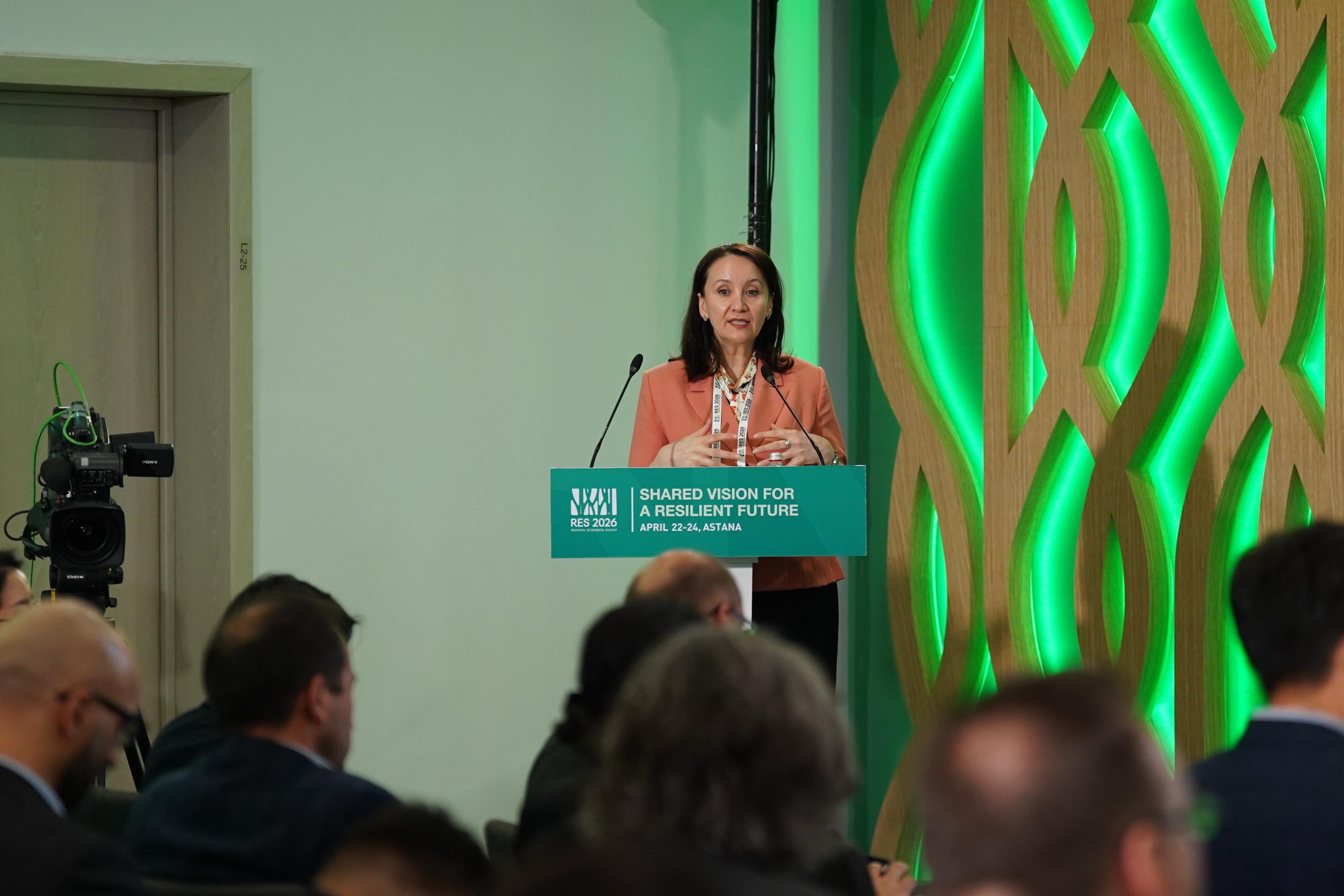
At the Blue Peace Central Asia panel on sustainable water financing SIC ICWC Director participated in discussions on financing challenges and opportunities in the region’s water sector. The discussion highlighted SIC ICWC’s work on developing hybrid coordination and financing mechanisms and noted a pioneering regional example of mobilizing green finance for the modernization of the Kayrakkum Hydropower Plant in Tajikistan (supported by EBRD, GCF, and other partners). This case was presented as a benchmark for future transboundary climate-resilient investments. The panel focused on transitioning from short-term, infrastructure-driven funding toward more sustainable, climate- and nature-aligned financing models.
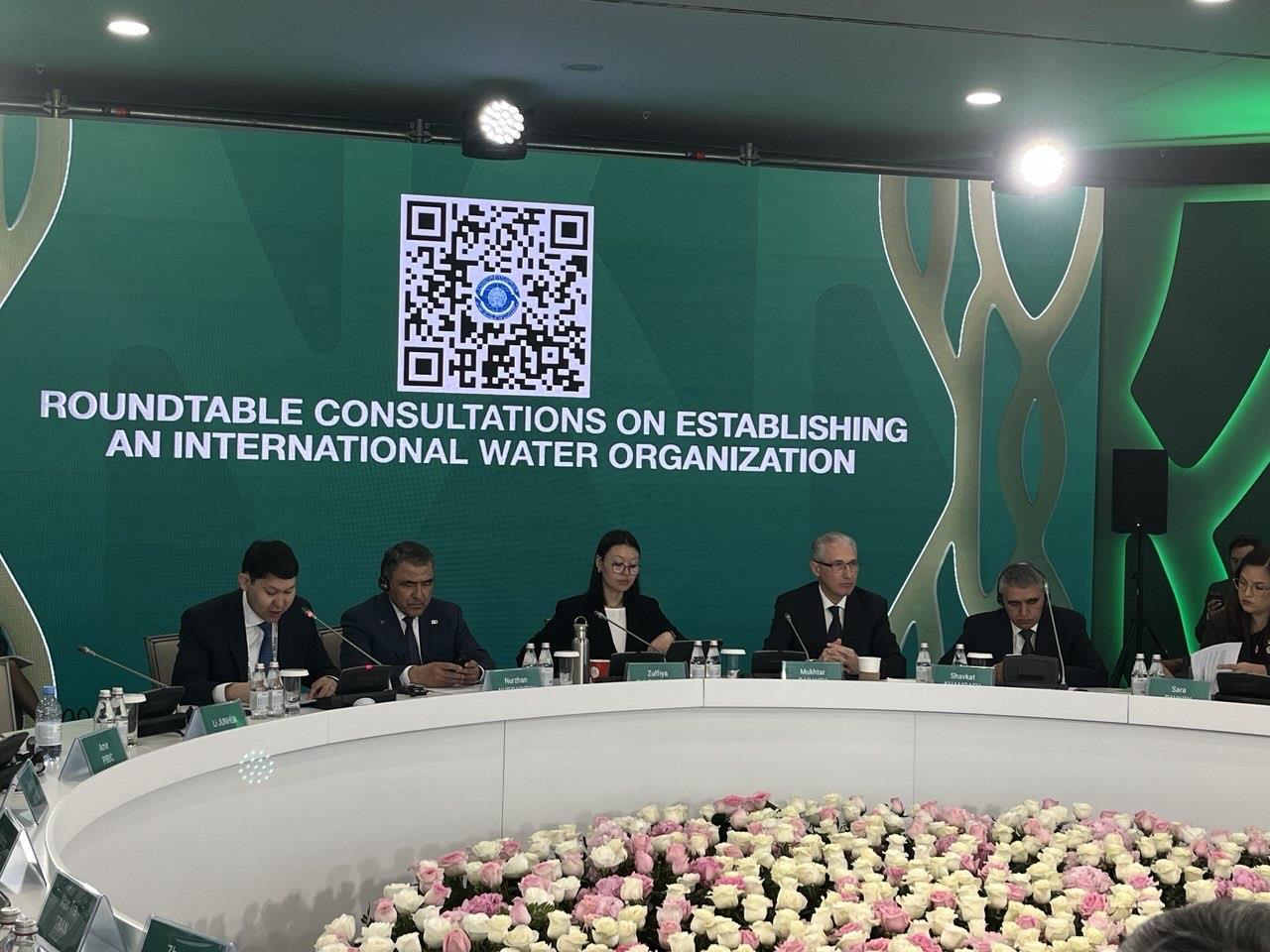
SIC ICWC also took part in a roundtable discussion on the establishment of an International water organization under the auspices of the United Nations, held on 23 April as part of the summit. The discussion explored the future of global water governance architecture, opportunities to strengthen the water mandate within the UN system, and the need for more coherent and effective responses to growing water challenges.
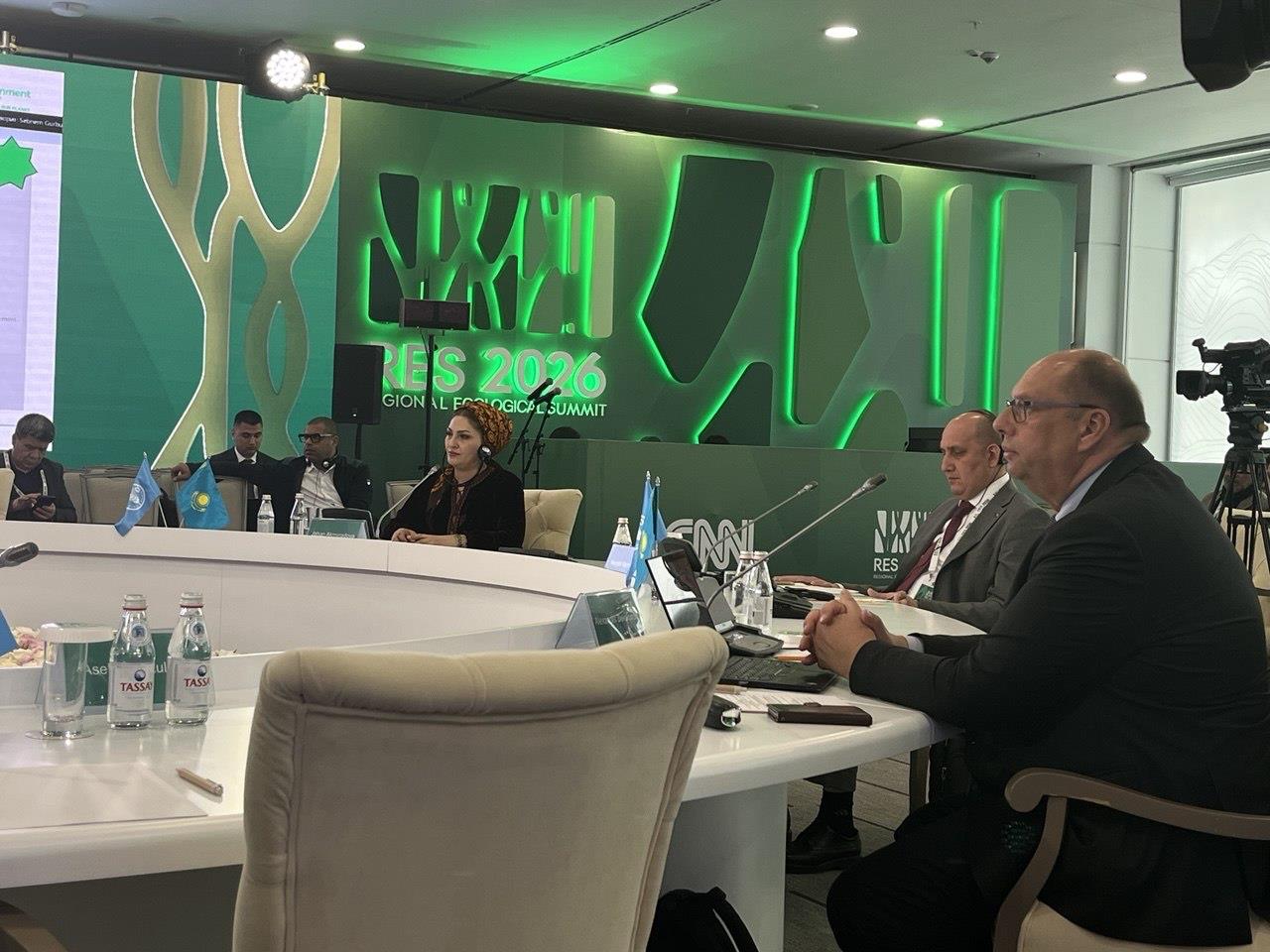
In addition, SIC ICWC participated in the first meeting of the Steering Committee of the CAWLN (Central Asia Water and Land Nexus) project, funded by the Global Environment Facility (GEF) and implemented by FAO. Within this project, SIC ICWC will contribute to the regional component in the Amu Darya basin, creating further opportunities to strengthen regional cooperation, promote knowledge exchange, and advance coordinated approaches to water and related ecosystem management.
Key Takeaways
- The environmental and water agenda in Central Asia increasingly requires a shift from sectoral approaches to integrated, cross-sectoral solutions.
- ustainable water-energy cooperation depends not only on political agreements but also on operational mechanisms supported by data, modeling, and joint planning.
- Nature-based solutions are most effective when simultaneously embedded in public policy, basin-level management, and community practices.
- The future of the region’s water sector is increasingly tied to innovative financing approaches - climatic, green, and blended finance - as well as stronger alignment between water, energy, and ecosystem objectives.
Participation in the summit reaffirmed the relevance of SIC ICWC’s accumulated expertise in water-energy coordination, basin management, analytical modeling, and the promotion of practical solutions at the nexus of water, ecosystems, and development.