
Studies on priority issues in the field of water, energy and environment in the Amu Darya and Syr Darya basins
Client: Deutsche Gesellschaft für Internationale Zusammenarbeit (GIZ) GmbH
Implementation organization: SIC ICWC
Implementation period: 01.09.2024 – 31.08. 2026
Project objective: provide information and analytical support to basin dialogues in the Amu Darya and Syr Darya river basins by conducting three studies on selected priority issues, namely:
- Joint work to preserve ecosystems of the Amu Darya River Basin, including zones of flow formation and dispersion (implementation period: 01.08.2024 – 31.09.2025);
- Infrastructure issues, resilience to climate change (Nexus approach) in the Syr Darya basin (implementation period: 01.08.2024 – 31.09.2025);
- Consideration of economic interaction/tools/mechanisms on the Amu Darya River Basin, considering existing agreements and decisions made at the level of heads of state (implementation period: 01.08.2025 – 31.08.2026).
In 2025, SIC ICWC continued implementing the first two studies and agreed upon the Implementation concept on the third priority topic.
Results 2024-2025:
1. Joint work to preserve ecosystems of the Amu Darya River Basin, including zones of flow formation and dispersion
The aim of the study is to assess the current state of key water-dependent ecosystems in the Amu Darya River Basin (within the territories of Kyrgyzstan, Tajikistan, Turkmenistan and Uzbekistan) and to develop joint measures for their sustainable functioning and preservation.
Objectives:
- General description of water-dependent ecosystems in the basin and identification of priority sites to be studied;
- Assessment of the status of aquatic ecosystems and the anthropogenic impact on them;
- Development of recommendations for sustainability of water-dependent ecosystems.
Study results
Final materials
Expedition and field studies
Key implementation milestones: 2024–2025
- The research concept was drafted and presented at the Second meeting of the Basin Dialogue on the Amu Darya River Basin and agreed upon by authorized country experts (4 December 2024, Urgench).
- A joint team of regional and national experts has been established, and the Research Plan has been formally approved. The selection of national experts from the basin countries (Tajikistan, Turkmenistan, and Uzbekistan) was conducted through a tender process. The Research Plan, along with the study’s methodology and structure, was finalized and agreed upon during the first expert group meeting on November 28 (online).
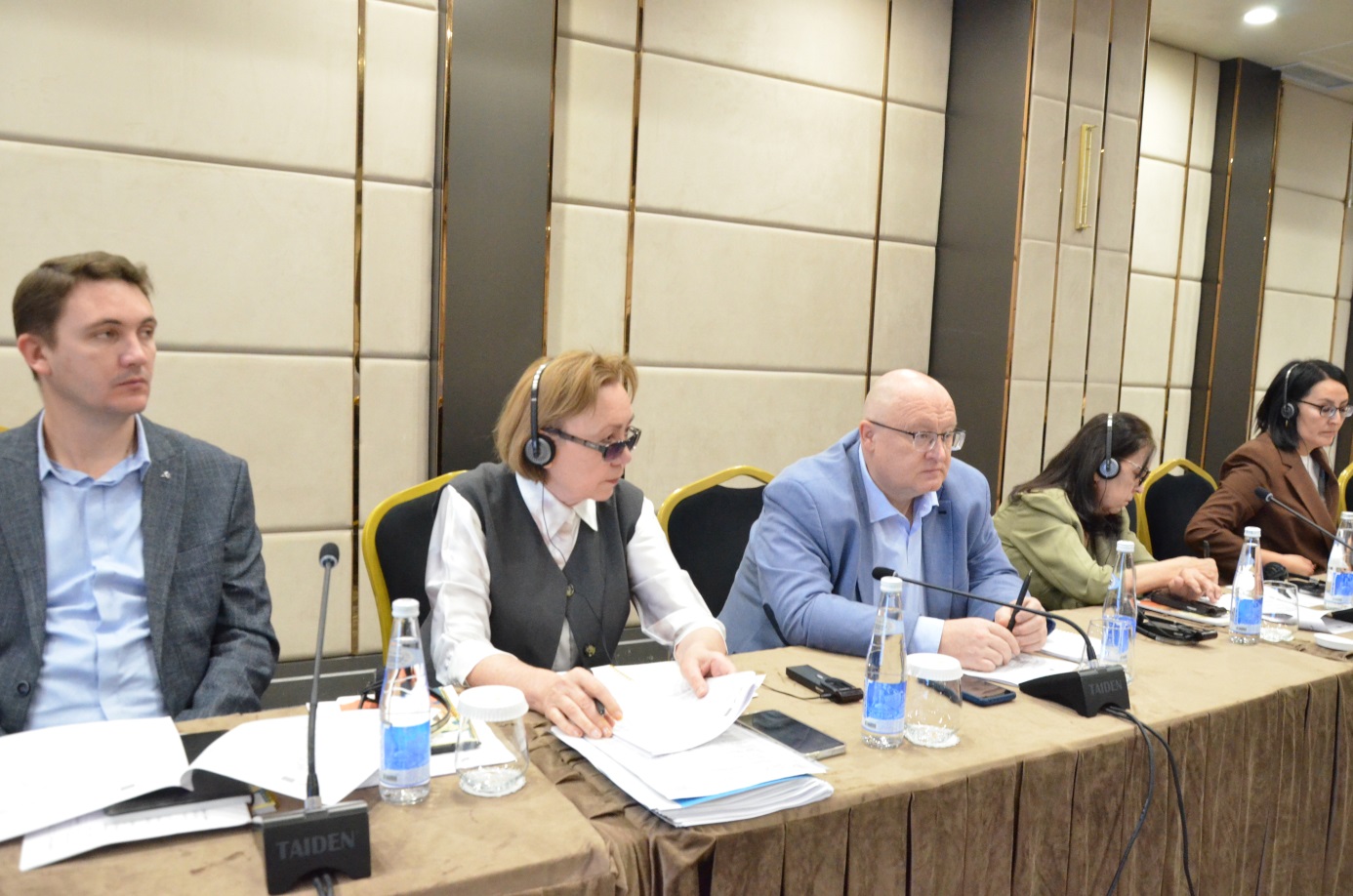
- Preliminary results of the study on the current status of ecosystems in the Amu Darya River Basin and the proposed measures for sustainability and preservation of the ecosystems were presented at:
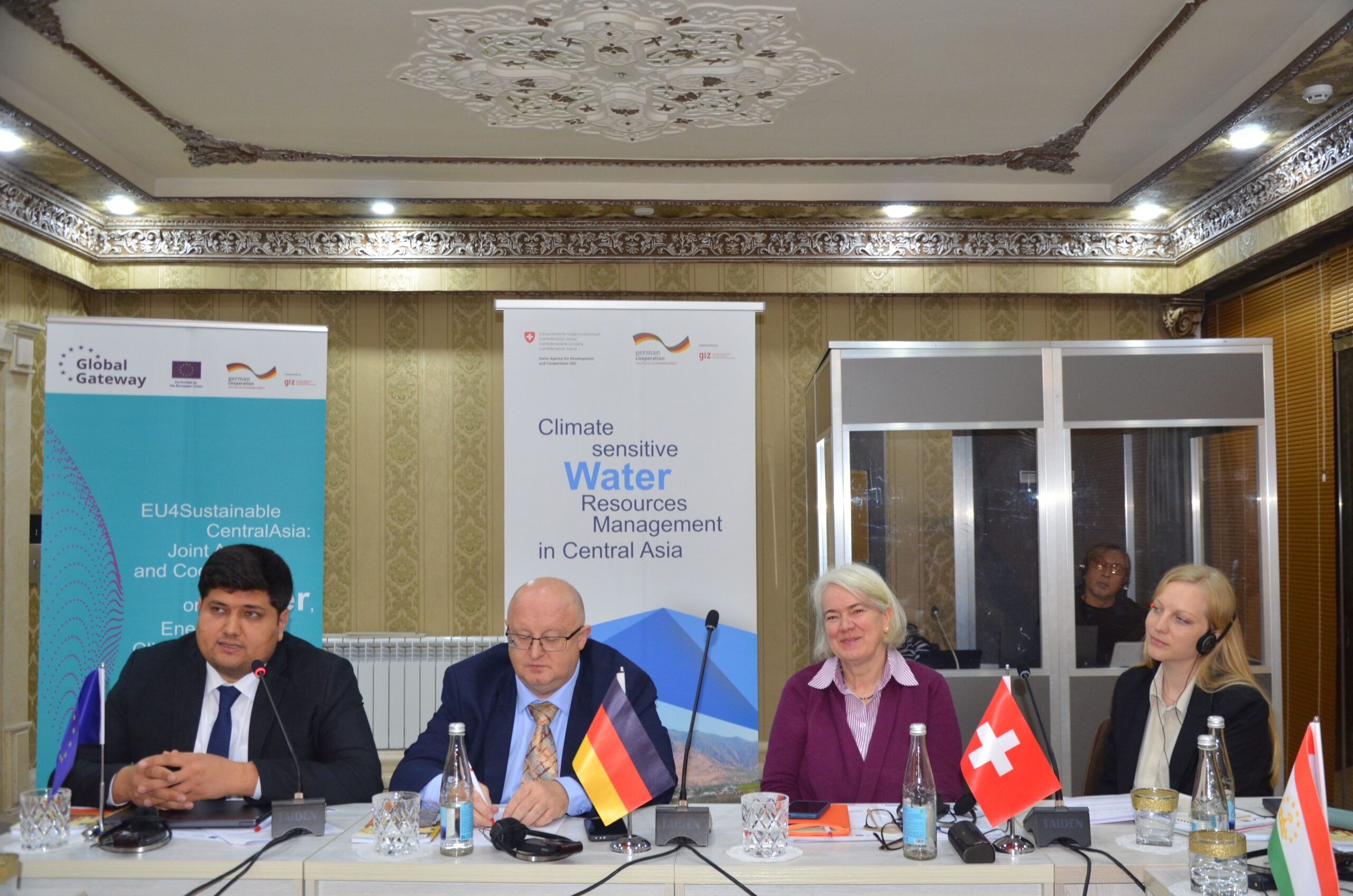
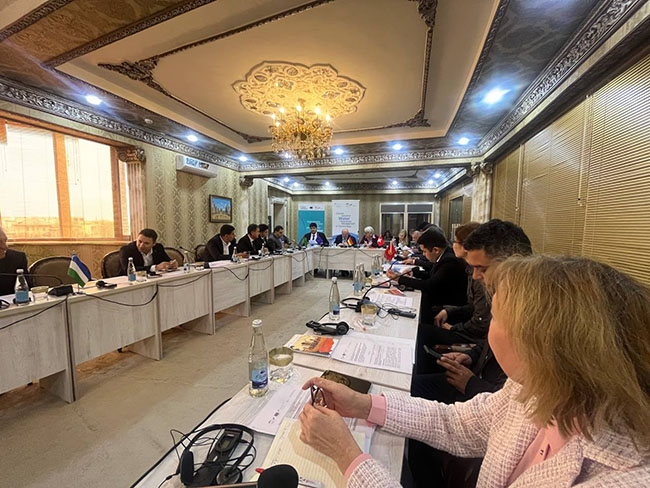
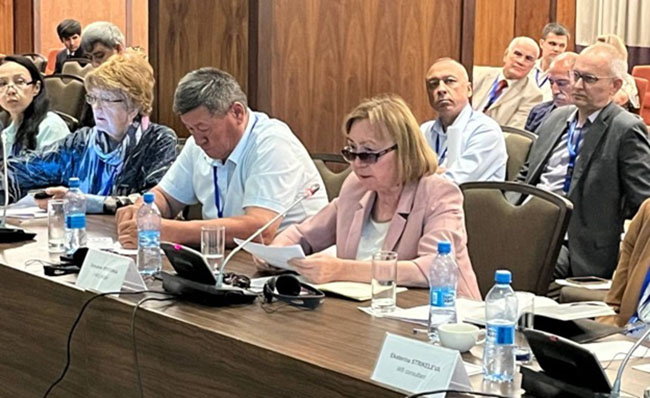
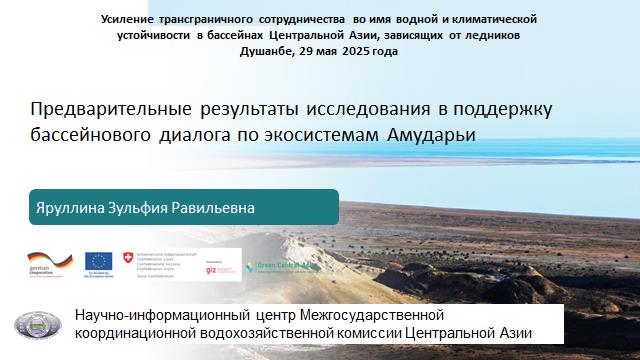
- the second meeting of the expert team: (1) by national experts from Tajikistan (A. Gulakhmadov), Turkmemenistan (G. Nurmukhamedova) and Uzbekistan (T. Khalikov) – country reports; (2) by the research lead (Z. Yarullina) – consolidated regional report (28 May, Dushanbe). Following the meeting, the primary issues that require further development and clarification by the national experts were identified;
- session 2 “Science-Policy Interface for WEFE Nexus” of the Regional Forum “Enhancing Transboundary Cooperation for Water Sustainability and Climate Resilience in Glacier-Dependent Basins of Central Asia” organized on the sidelines of the High-Level International Conference on Glaciers’ Preservation (Dushanbe, 29 May);
- Nineth meeting of the Task Force on the Water-Food-Energy-Ecosystems (WFEE) Nexus (Geneve, Switzerland, 18 June);
- Fourth Meeting of the Regional Working Group on developing a mutually beneficial water-energy mechanism in Central Asia (Astana, 10 July).
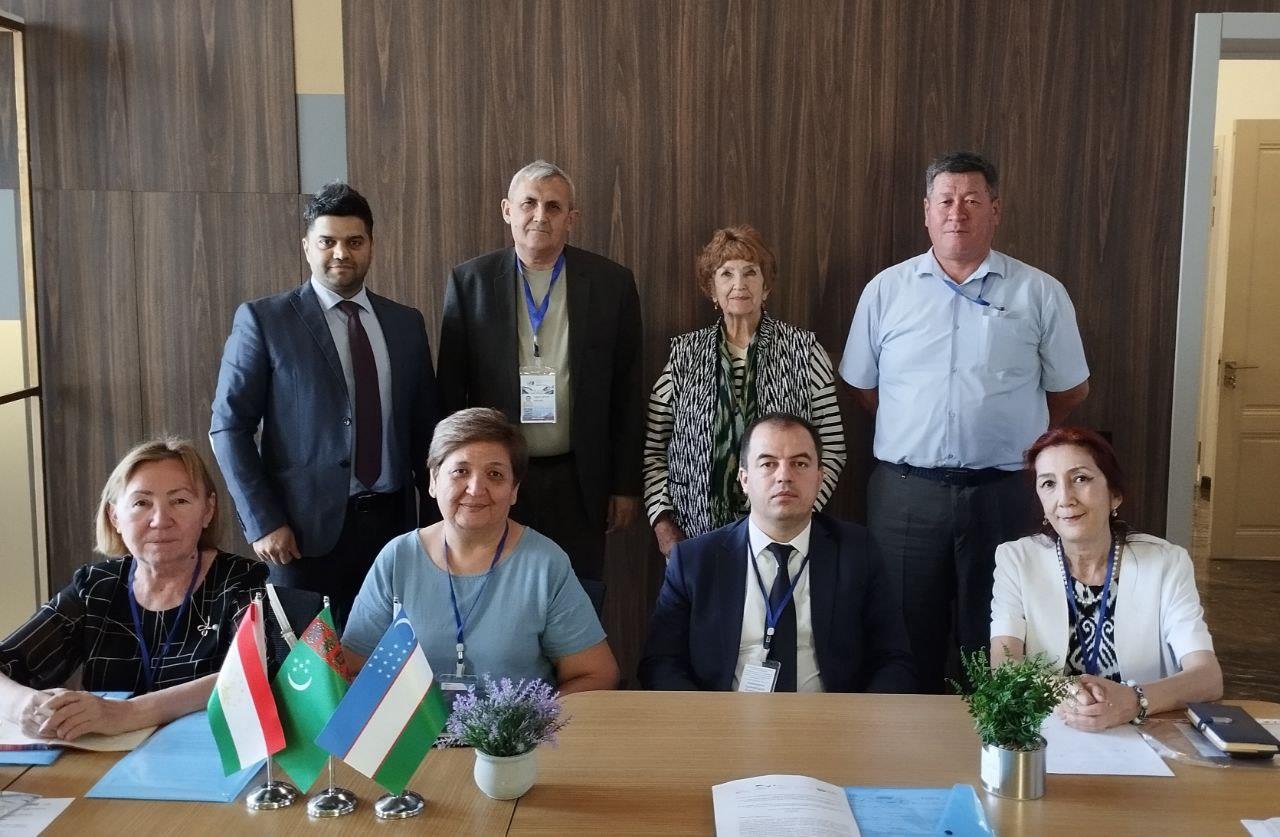
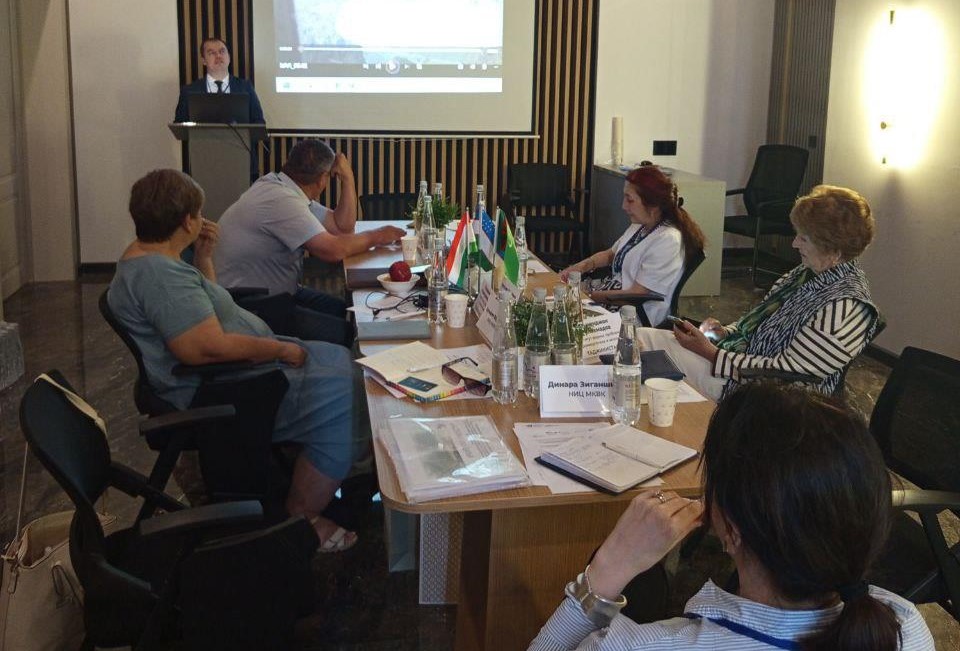
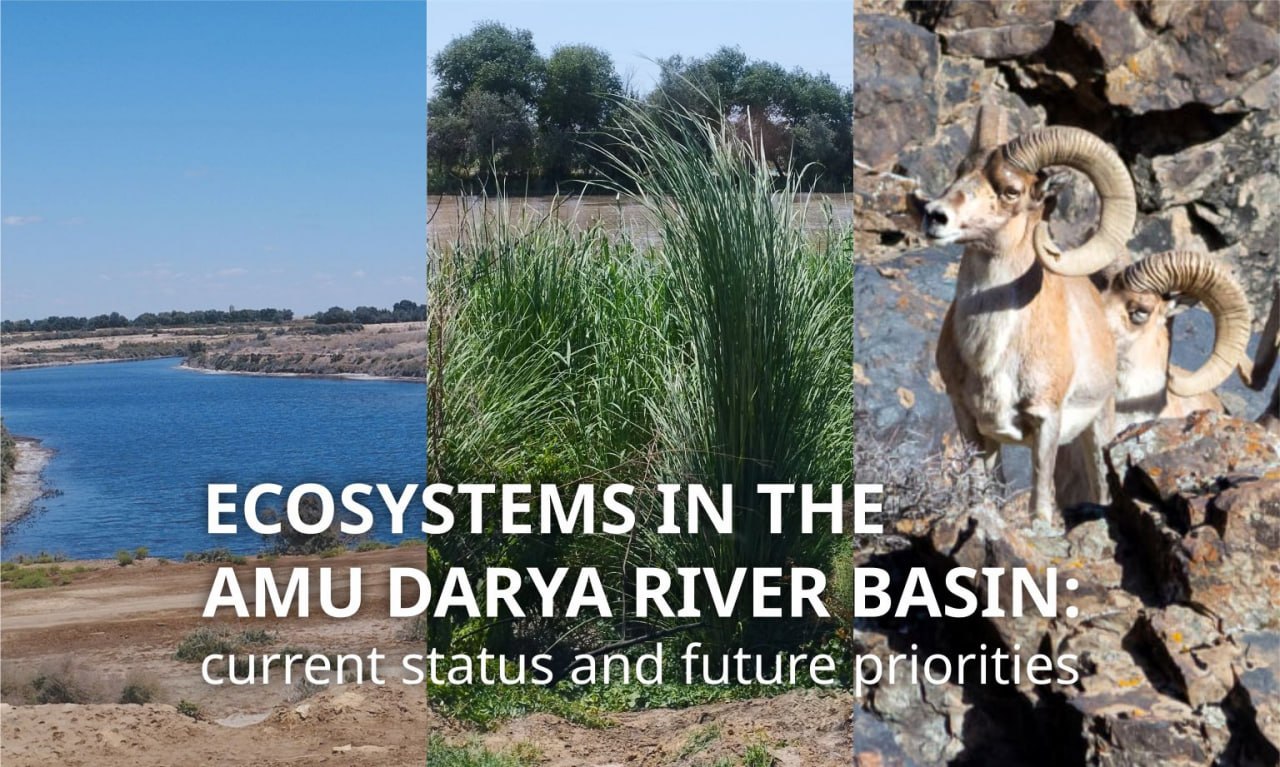
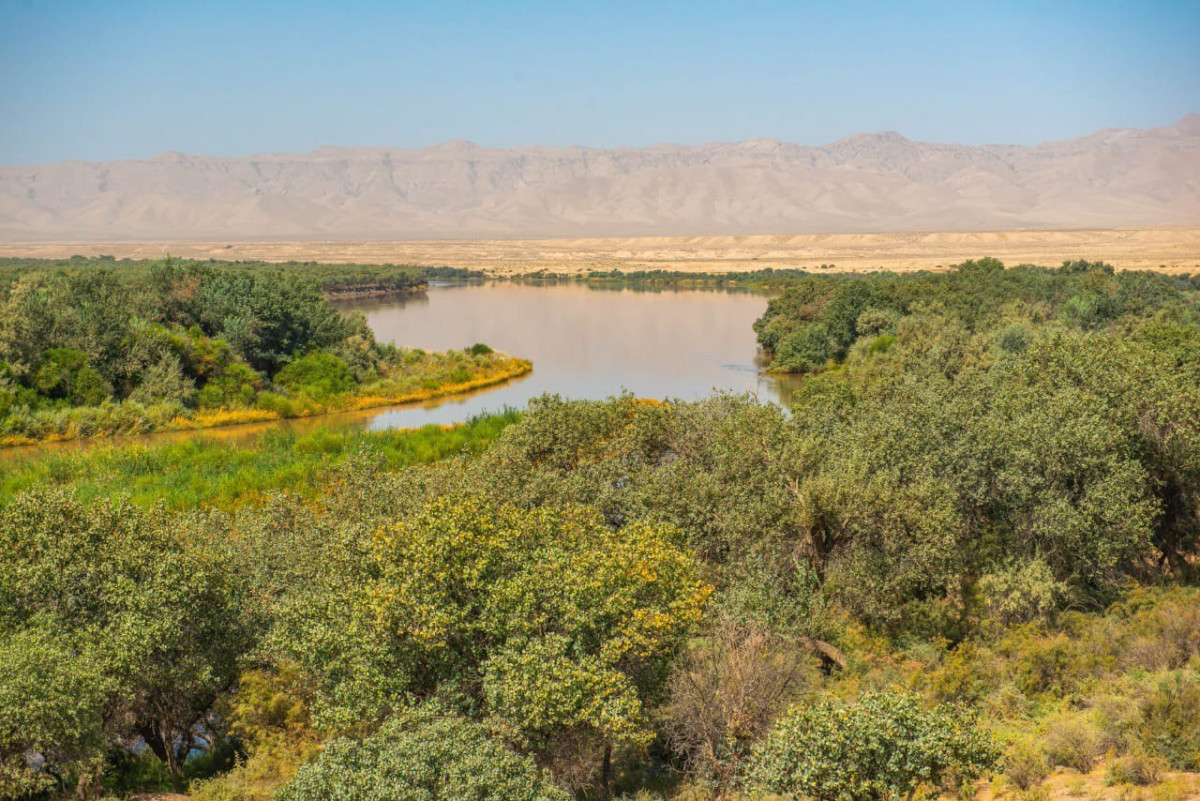
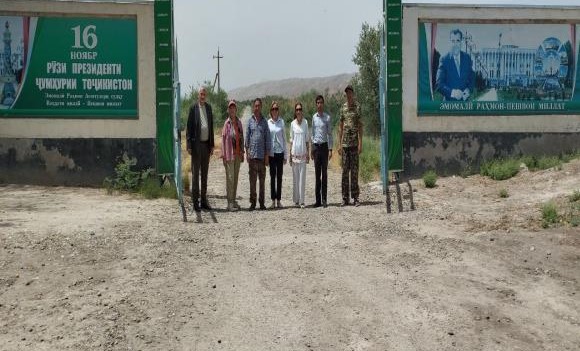
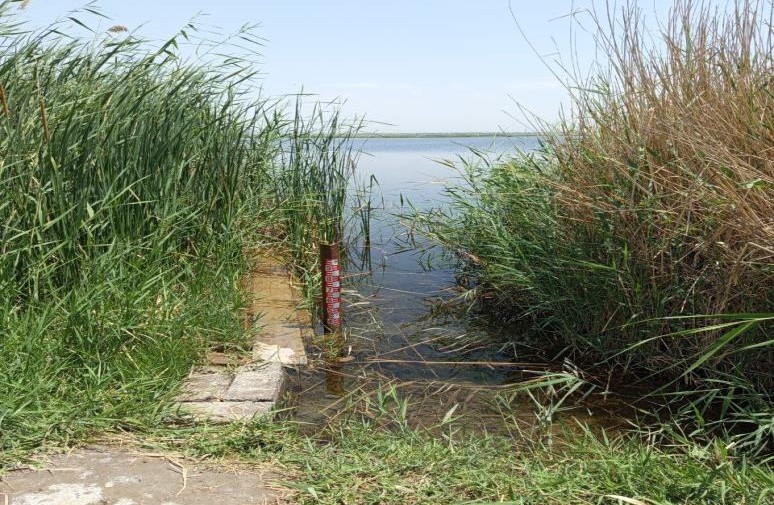
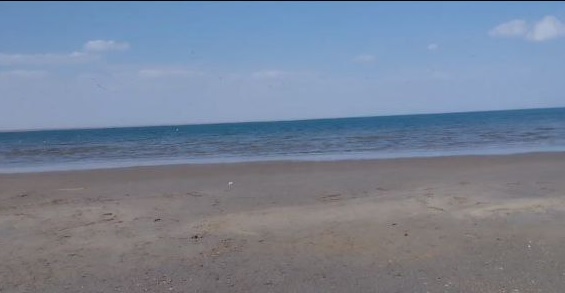
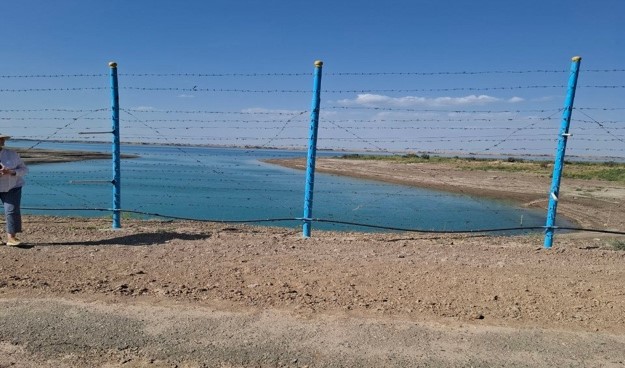
Field visits were carried out to critical environmental sites within the Amu Darya River Basin, including the Beshai Palangon State Nature Reserve (formerly Tigrovaya Balka, Tajikistan, May 30), and the Lower Amu Darya Biosphere Reserve (Republic of Karakalpakstan), the Jayran Ecocenter and its surrounding water bodies, as well as the Kuyimazar and Tudakul reservoirs in Bukhara province of Uzbekistan (July 27–29). These visits culminated in the production of a documentary film titled “From the Pamir Heights to the Amu Darya Lower Reaches.”
- The consolidated final report, a package of joint measures for environmental improvement, and the documentary film “From the Pamir Heights to the Amu Darya Lower Reaches” were presented at the Third meeting of Basin dialogues in the Amu Darya and Syr Darya River Basins as part of the Regional Program “Climate-sensitive water resources management in Central Asia” (Tashkent, 2 December).
2. Infrastructure issues, resilience to climate change (Nexus approach) in the Syr Darya basin
The aim of the study is to assess the current status and future demand of water infrastructure in the Syr Darya River Basin in terms of climate resilience, study the feasibility of climate-smart solutions, including green infrastructure, and develop recommendations for decision makers on the improvement of climate resilience of water infrastructure in the basin.
Objectives:
- analyze the current status of water infrastructure in the Syr Darya River Basin;
- analyze climate conditions and their changes in the Syr Darya River Basin;
- review strategies, plans and priorities of water infrastructure development, with account for adaptation plans;
- explore possibilities to implement climate-smart solutions;
- develop recommendations for the improvement of climate resilience.
Study results
Expedition and field studies

Key implementation milestones: 2024–2025
- The research concept was drafted and presented at the Second meeting of the Basin Dialogue on the Syr Darya River Basin and agreed upon by authorized country experts (Tashkent, 22 January 2025).
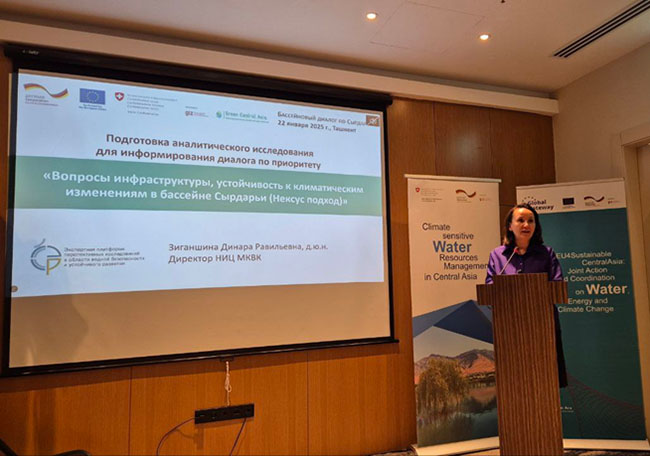
- A joint team of regional and national experts has been established, and the Research Plan has been formally approved. The selection of national experts from the basin countries (Kyrgyzstan, Tajikistan, Kazakhstan, and Uzbekistan) was conducted through a tender process. The Research Plan, along with the study’s methodology and structure, was agreed upon during the first expert group meeting on December 26 (online).
- Preliminary results of the study on assessment of the current status of water infrastructure in the Syr Darya River Basin and the suggested recommendations for the improvement of climate resilience were presented at:
- the second meeting of the expert team (16 September, online);
- Fourth Meeting of the Regional Working Group on developing a mutually beneficial water-energy mechanism in Central Asia (Astana, 10 July);
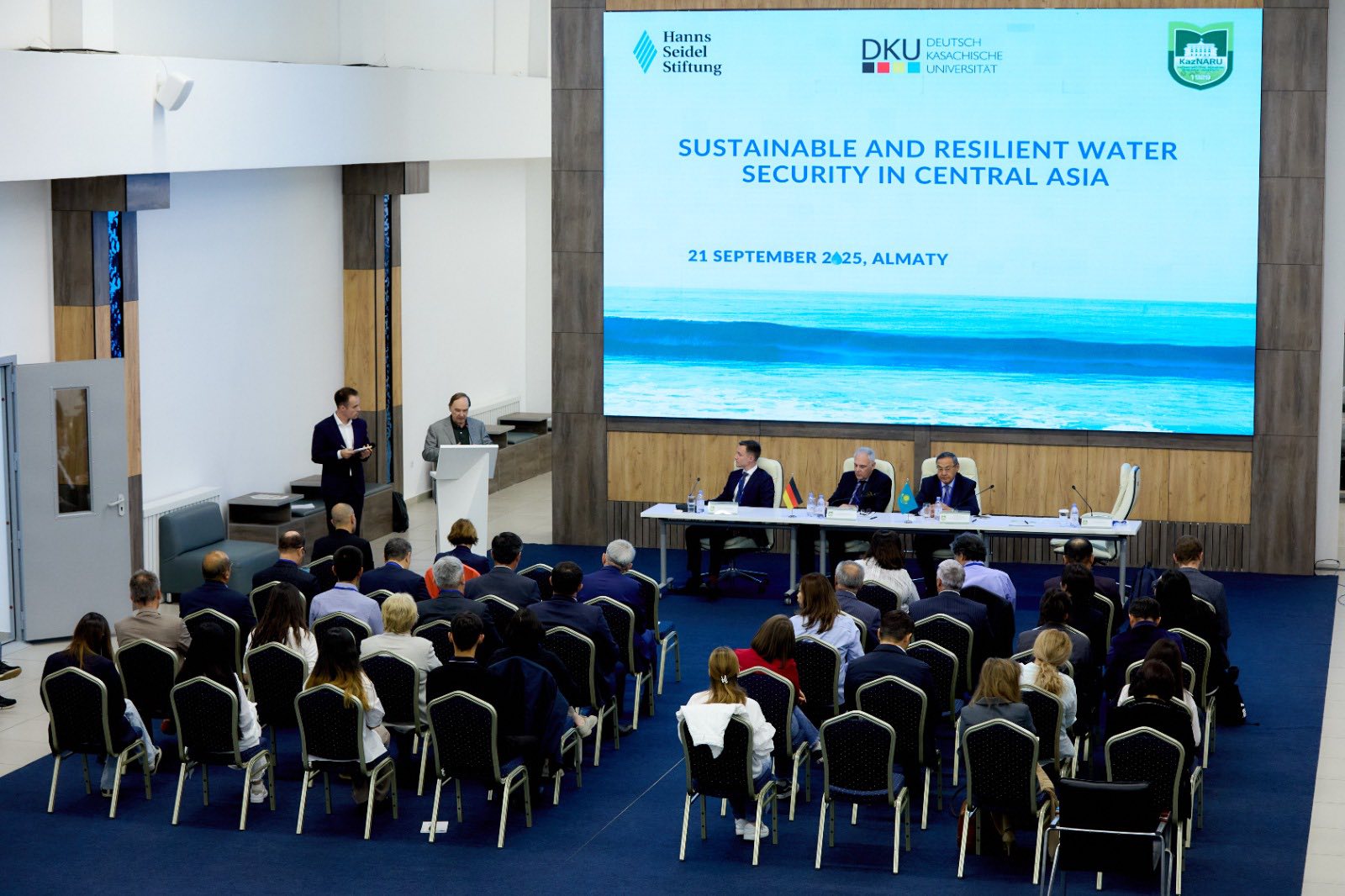
- a workshop “Sustainable and resilient water security in Central Asia” (Almaty, 21 September).
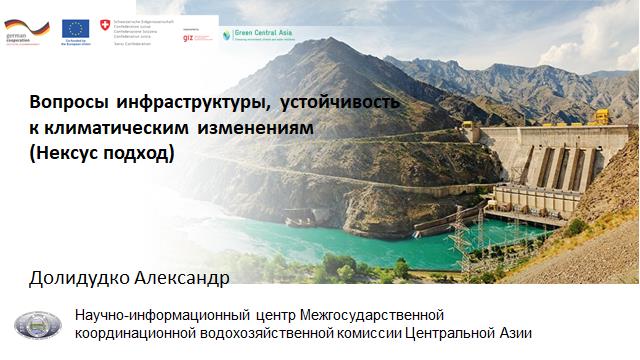
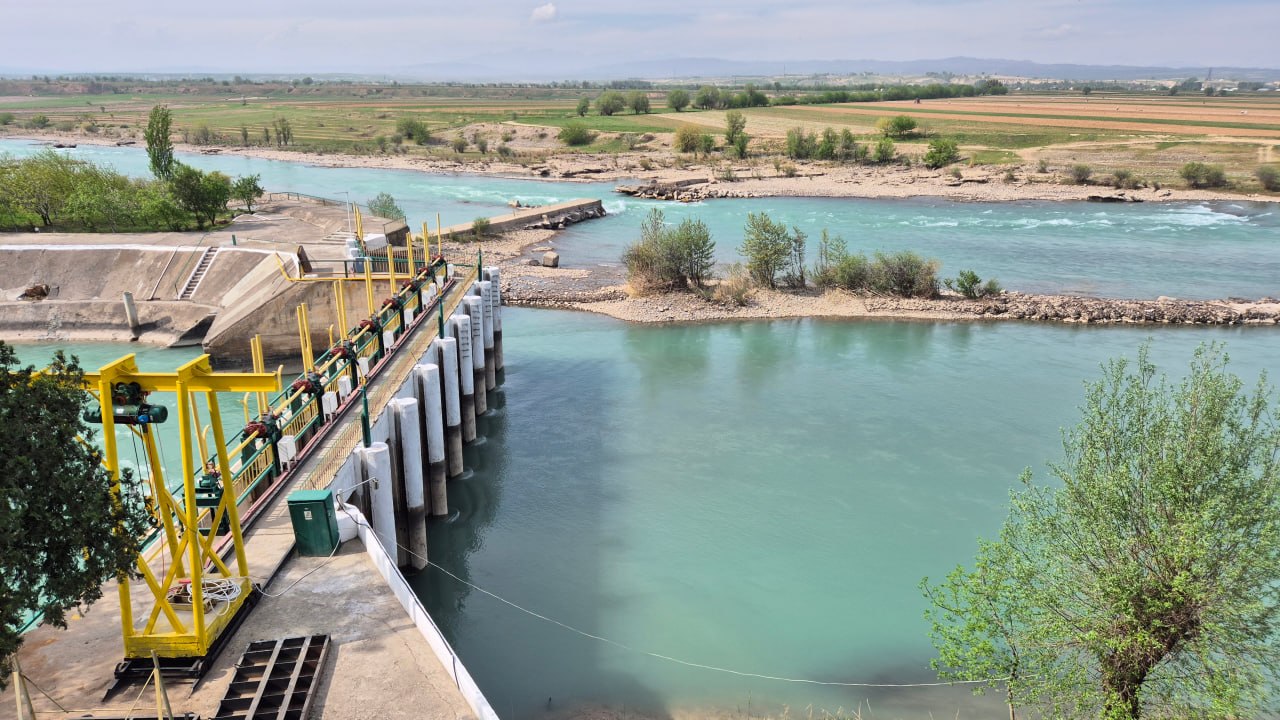
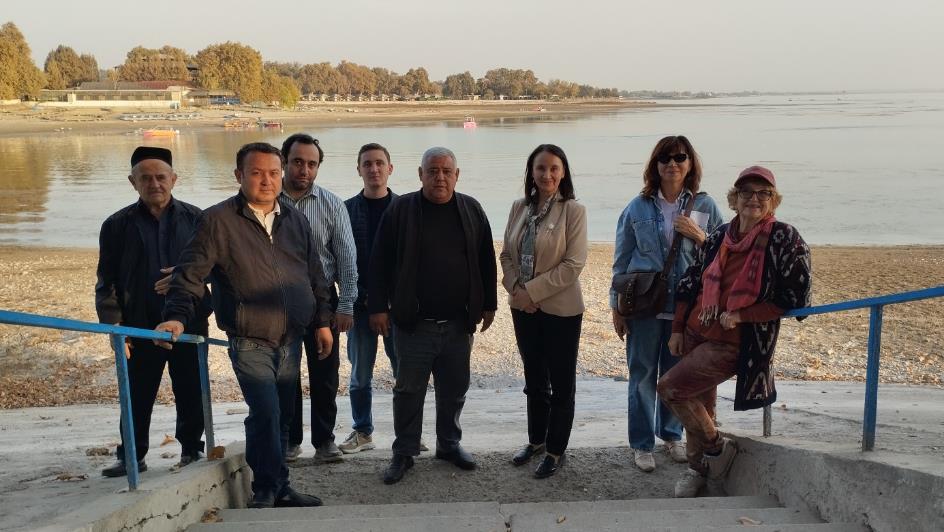
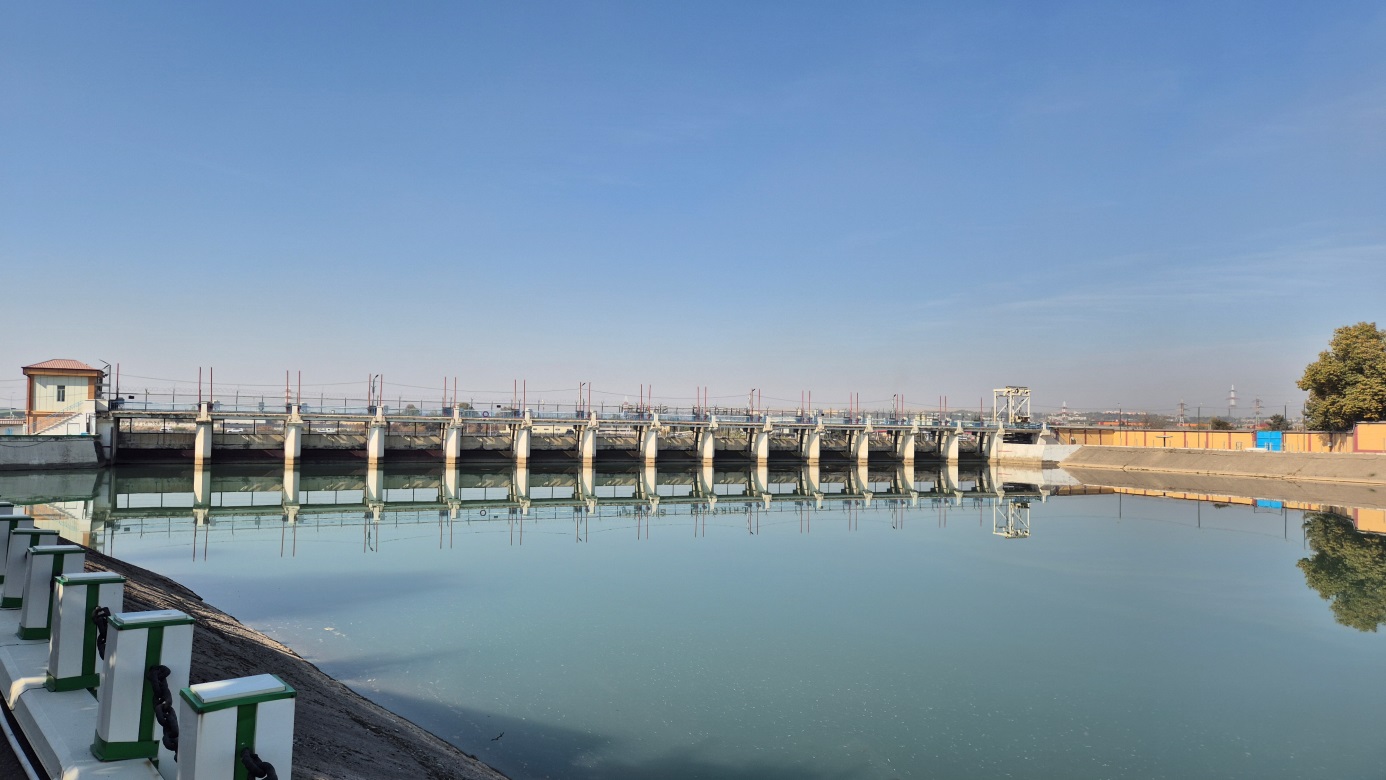
- Field missions were carried out to key water infrastructure sites in the Syr Darya basin (Uzbekistan), covering the Upper Chirchik hydroscheme, Tashkent reservoir (27 October), and the Dustlik, SHSC, Zakh, and Khanym canals (28 October). These visits concluded with an analytical report summarizing the results.
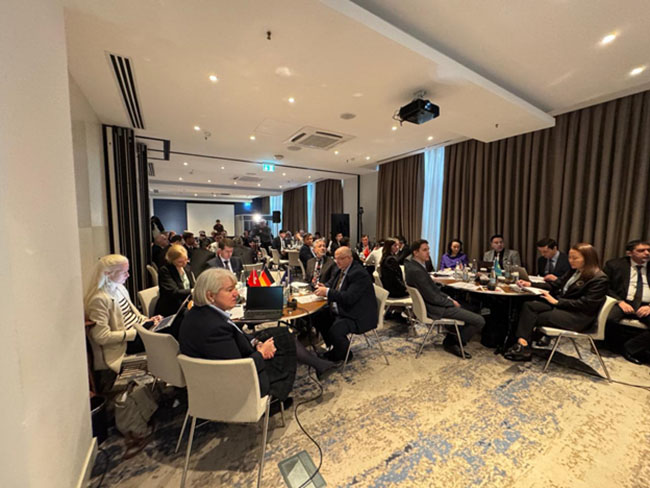
- Preliminary consolidate report on the results of the study was presented at the Third meeting of Basin dialogues in the Amu Darya and Syr Darya River Basins organized as part of the Regional Program “Climate-sensitive water resources management in Central Asia” (Tashkent, 2 December).
3. Consideration of economic interaction/tools/mechanisms on the Amu Darya River Basin, considering existing agreements and decisions made at the level of heads of state
Study results
Key implementation milestones
- The draft research concept was developed, presented and agreed upon at the Third meeting of Basin dialogues in the Amu Darya and Syr Darya River Basins (Tashkent, 2 December).
- Team mobilization initiated at both regional and national levels (Kyrgyzstan, Tajikistan, Turkmenistan, and Uzbekistan).